
Alaska, a state renowned for its breathtaking wilderness, vast landscapes, and unique frontier spirit, often sparks curiosity among potential residents and visitors alike. When considering a move or even an extended stay, understanding the financial implications is crucial. One common question that arises pertains to property taxation. For those contemplating establishing roots in the Last Frontier, or perhaps investing in real estate, the absence of a statewide property tax is a significant financial consideration, offering a distinct advantage compared to many other U.S. states. This means that homeowners in the vast majority of Alaskan communities are not subject to annual taxes levied on the value of their property by the state government.
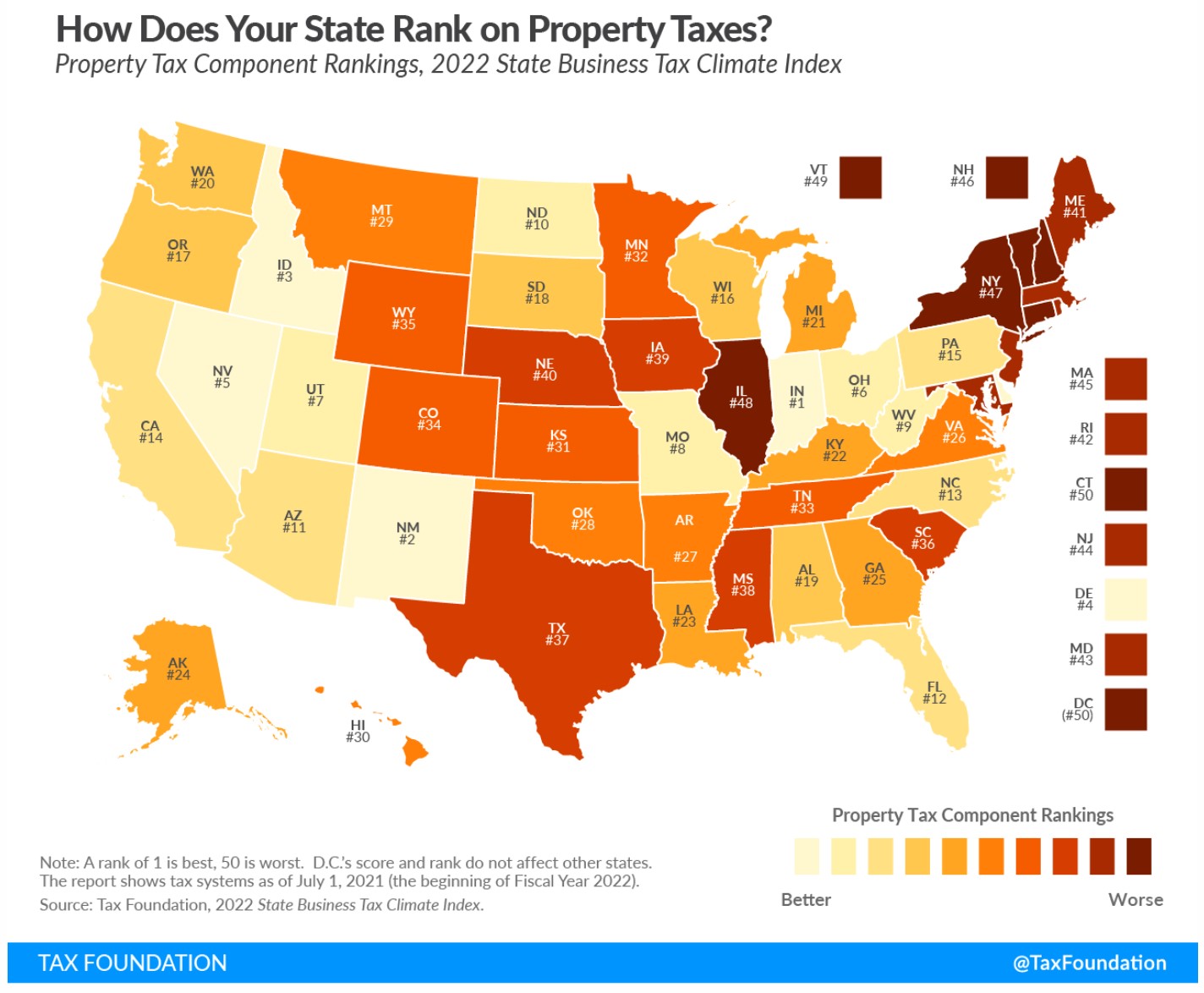
However, this broad statement requires nuance. While the state itself does not impose property taxes, the fiscal landscape of local governance in Alaska is diverse, and many municipalities do levy their own property taxes. Understanding this distinction is key to grasping the complete picture of property ownership costs in Alaska. This exploration delves into Alaska’s unique approach to property taxation, examining the state’s general policy, the variations found in local taxation, and what this means for property owners across this expansive territory.
The Absence of a State Property Tax: A Defining Feature
Alaska stands apart from most other states in the United States due to its deliberate policy of not implementing a statewide property tax. This decision is rooted in the state’s history and its unique economic drivers, particularly its reliance on oil revenues. Historically, Alaska has been able to fund its state-level operations and services through resource extraction, primarily from oil and gas production. This has allowed the state government to avoid the necessity of levying property taxes on its residents, a common revenue-generating mechanism in other states.
Historical Context and Economic Drivers
The discovery and subsequent exploitation of oil reserves in areas like the North Slope have fundamentally shaped Alaska’s fiscal structure. The substantial revenues generated from oil production, particularly through the state’s Permanent Fund Dividend (PFD) and direct state investments, have historically provided a robust financial base for state government operations. This economic model has, for decades, rendered a state property tax unnecessary. The philosophy behind this approach has often been to foster economic development and to provide a tax environment that encourages investment and residency in a state that can be perceived as challenging in terms of climate and remoteness.
The Permanent Fund Dividend (PFD)
While not directly related to property tax, the Permanent Fund Dividend is an integral part of Alaska’s financial ecosystem and is often mentioned in discussions about state taxes. Established from oil revenues, the PFD provides an annual payout to eligible Alaskan residents. This dividend, while separate from property tax policy, contributes to the overall perception of Alaska as a state with a unique tax structure that benefits its citizens in tangible ways. The state’s ability to fund such a program while simultaneously foregoing a state property tax underscores its distinctive economic foundation.
Local Property Taxes: Navigating Municipal Variations
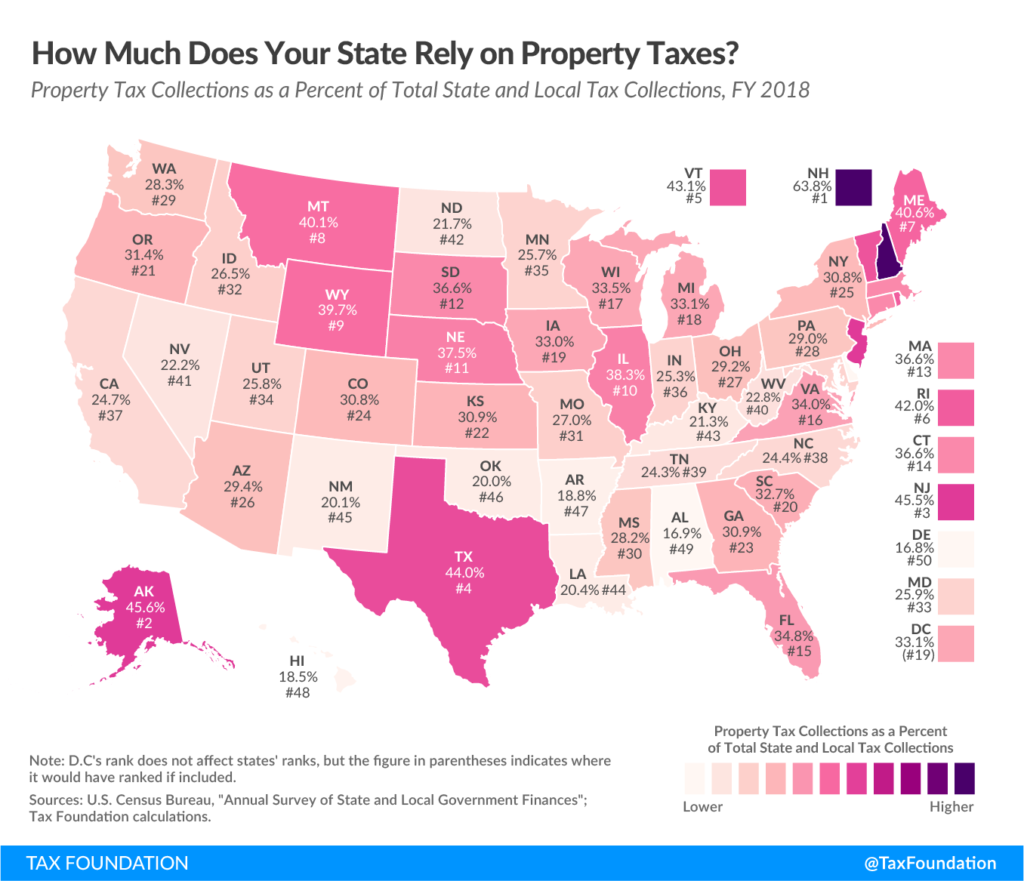
Despite the absence of a statewide property tax, property owners in Alaska are not entirely exempt from this form of taxation. The responsibility for levying and collecting property taxes in Alaska largely falls to the local municipal governments, including cities, boroughs, and unincorporated areas. These local entities rely on property taxes as a significant source of revenue to fund essential local services such as schools, police and fire departments, road maintenance, and other community infrastructure.
Borough and City Taxes
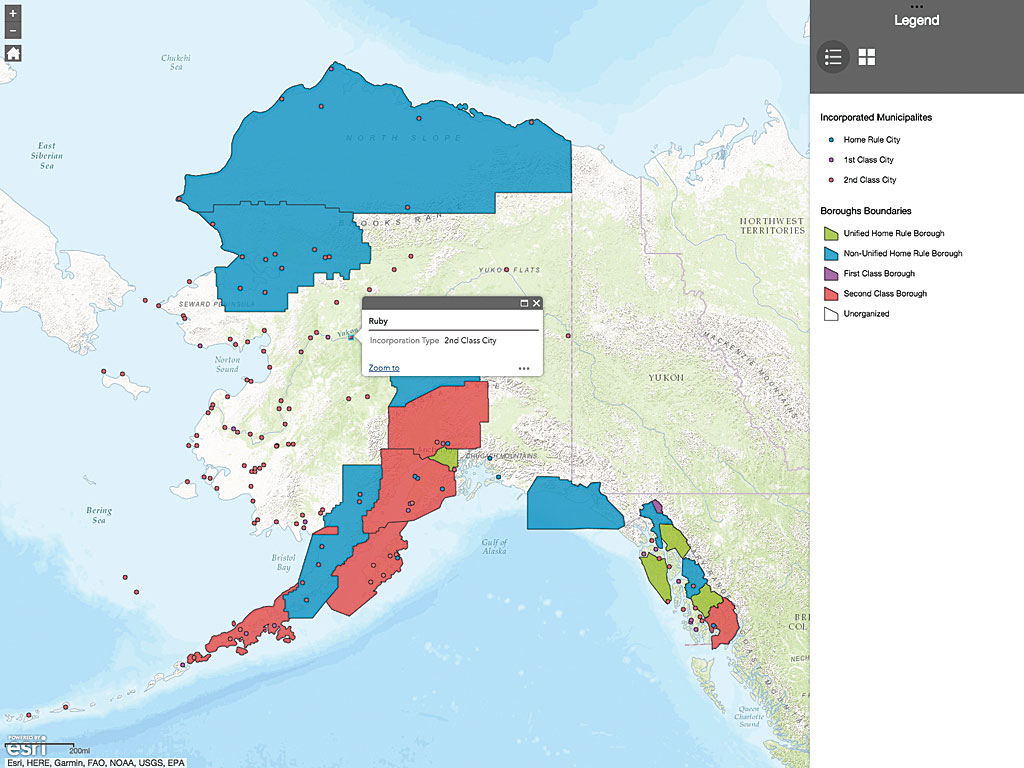
Alaska is divided into organized boroughs, which are the equivalent of counties in other states. These boroughs, along with incorporated cities within them, have the authority to impose property taxes. The tax rates and assessment methodologies can vary considerably from one borough to another and even between different cities within the same borough. Therefore, a property owner’s tax liability will depend heavily on their specific location within the state.
For instance, a property owner in Anchorage, Alaska’s largest city and a home-rule borough, will encounter a different tax structure than someone owning property in a smaller, more remote town or a rural area. Residents of unincorporated areas, which are not part of an organized borough, may still be subject to property taxes if the state has delegated this authority to a service area or a local entity within that area.
Assessment and Mill Rates
The process of determining property tax liability generally involves two key components: property assessment and the mill rate. Property assessment is the process by which the local taxing authority determines the value of a piece of property. This valuation typically considers factors such as the size of the land, the size and condition of any structures, its location, and recent sales of comparable properties in the area.
The mill rate, also known as the millage rate, is the rate at which property is taxed. A mill is one-tenth of a cent, or $0.001. The tax owed is calculated by multiplying the assessed value of the property by the mill rate. For example, if a property is assessed at $200,000 and the local mill rate is 15 mills, the annual property tax would be $200,000 * 0.015 = $3,000.
It is imperative for property owners to understand the specific assessment practices and mill rates applicable in their local jurisdiction. These can change from year to year based on the budgetary needs of the local government and fluctuations in property values.
Implications for Property Owners and Real Estate Investment
The unique property tax structure in Alaska has significant implications for individuals considering purchasing property, whether as a primary residence, a vacation home, or an investment. The absence of a state property tax can translate into lower overall tax burdens compared to many other states, making Alaska an attractive option for those seeking to minimize recurring property ownership costs.
Cost of Ownership Analysis
When evaluating the cost of owning property in Alaska, potential buyers must factor in both the potential local property taxes and any other associated fees or assessments. While the lack of a state property tax is a major advantage, local taxes can still represent a substantial expense, particularly in more populated or developed areas where local governments have a greater need for revenue to fund extensive public services.
Prospective homeowners should research the specific tax rates in the communities they are interested in. This includes understanding how properties are assessed, the current mill rates, and any exemptions or special programs that might be available, such as homestead exemptions for primary residences. Thorough due diligence can prevent unexpected financial burdens.
Real Estate Investment Considerations
For real estate investors, the property tax landscape in Alaska presents both opportunities and challenges. The potential for lower tax liabilities can enhance profitability, especially when considering rental properties or commercial ventures. However, the variability of local tax rates means that careful analysis of the tax implications in different regions is essential.
Furthermore, the economic health of a particular municipality can influence both property values and the necessity for local tax increases. Areas heavily reliant on resource industries might experience greater fluctuations in property values and, consequently, in property tax assessments. Conversely, stable and diversified local economies may offer more predictable tax environments.
Impact on Affordability
The absence of a statewide property tax can contribute to the relative affordability of homeownership in Alaska, especially when compared to states with high property tax rates. This can be a significant draw for individuals and families looking to maximize their disposable income. However, the cost of living in Alaska, influenced by factors like transportation and the availability of goods, should also be considered alongside property tax implications.
Conclusion: A Tailored Approach to Property Taxation
In conclusion, the answer to “Does Alaska Have Property Tax?” is not a simple yes or no. While the state of Alaska itself does not levy property taxes, making it a unique proposition among U.S. states, property taxes are indeed a reality for many Alaskans at the local level. The fiscal autonomy granted to boroughs and cities means that property owners must engage with the specific tax regulations of their chosen community.
This decentralized approach to property taxation allows local governments to tailor revenue generation to their specific needs and the economic realities of their constituents. For individuals and investors alike, understanding this dual system – the absence of state-level property tax coupled with the presence of local variations – is paramount. By conducting thorough research into local assessment practices, mill rates, and any available exemptions, one can gain a clear picture of the financial responsibilities associated with property ownership in the magnificent state of Alaska. The Last Frontier offers a distinct tax advantage at the state level, but informed local awareness remains the key to navigating its property tax landscape.
LifeOutOfTheBox is a participant in the Amazon Services LLC Associates Program, an affiliate advertising program designed to provide a means for sites to earn advertising fees by advertising and linking to Amazon.com. Amazon, the Amazon logo, AmazonSupply, and the AmazonSupply logo are trademarks of Amazon.com, Inc. or its affiliates. As an Amazon Associate we earn affiliate commissions from qualifying purchases.