
The vastness of the United States is often contemplated, with its diverse landscapes and sprawling territories. Among the largest contenders for sheer geographical expanse are Alaska and Texas. This exploration delves into the comparative size of these two iconic states, examining not just their land area but also the implications for travel, exploration, and the unique experiences they offer to visitors. Understanding the scale of these destinations is crucial for anyone planning an immersive journey through the American tapestry.
The Colossal Contenders: A Geographical Overview
When comparing Alaska and Texas, the primary metric is land area. However, even within this seemingly straightforward comparison, nuances emerge that enrich our understanding of their geographical significance.
Alaska: The Northern Giant
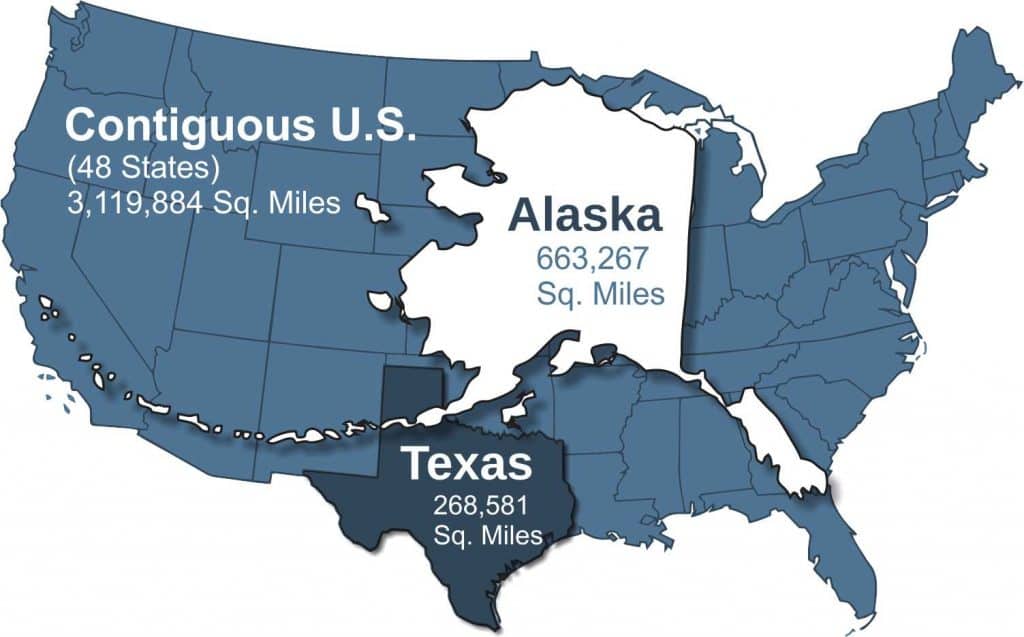
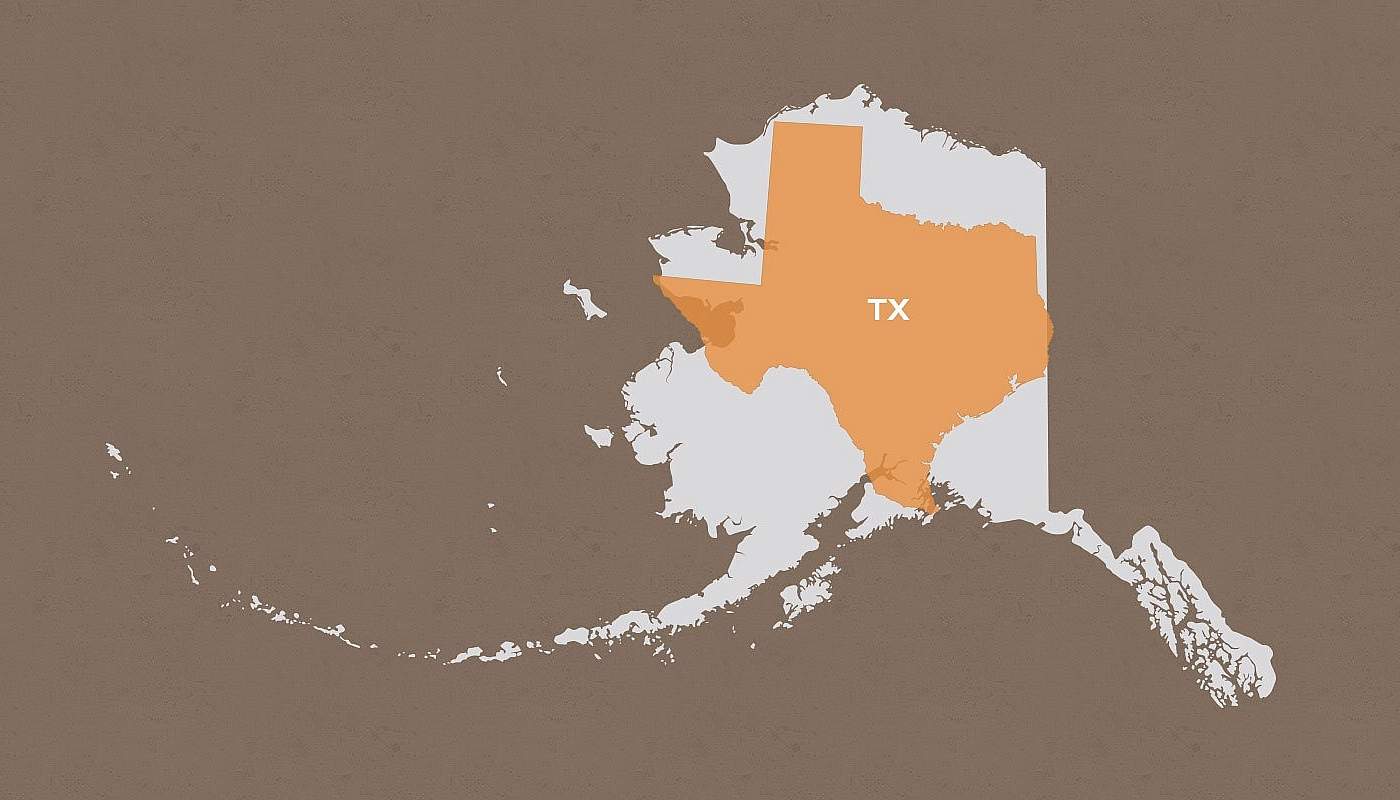
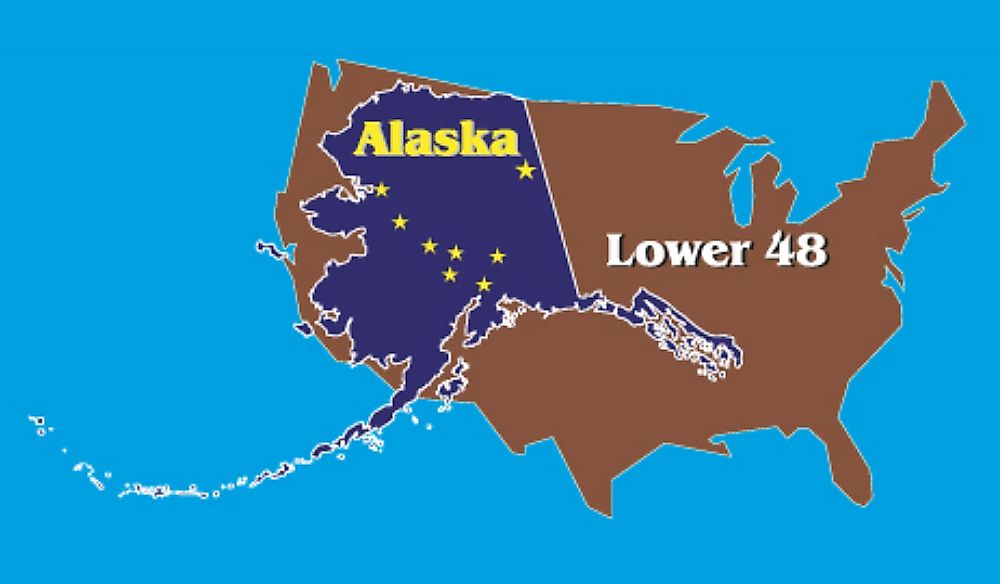
Alaska stands as an unparalleled titan in terms of sheer size. It is the largest state in the United States by a significant margin, encompassing a staggering land area of approximately 665,384 square miles (about 1,723,337 square kilometers). To put this into perspective, Alaska is more than twice the size of Texas. Its territory stretches from the northernmost point of the United States to the westernmost, bordering Canada and the Bering Sea.
The landscape of Alaska is characterized by its dramatic natural beauty. It features immense mountain ranges, including the Alaska Range which is home to Denali, the highest peak in North America. Vast forests, extensive coastlines, and sprawling glaciers define its topography. The sheer scale of the state means that travel within Alaska itself can be a significant undertaking, with vast distances separating its few, widely dispersed population centers.
Texas: The Lone Star State’s Expansiveness
Texas, while significantly smaller than Alaska, is nonetheless an enormous state in its own right. It ranks second in the United States by land area, covering approximately 268,596 square miles (about 695,662 square kilometers). Its size alone has historically contributed to its self-identity as the “Lone Star State,” a symbol of its independent spirit and vast territory.
Texas boasts a remarkably diverse landscape, ranging from the piney woods of East Texas to the arid deserts of West Texas, the rolling hills of the Texas Hill Country, and the coastal plains along the Gulf of Mexico. The state is so large that driving from one end to another can feel like traversing multiple states, with distinct regional cultures and attractions. Cities like Houston, Dallas, and San Antonio are major hubs, each offering unique travel experiences.
The Verdict: Alaska Reigns Supreme in Size
The undeniable answer to “What state is bigger, Alaska or Texas?” is Alaska. Its land area is more than double that of Texas, making it the undisputed giant of the United States in terms of geographical footprint. This difference in scale has profound implications for planning any travel or exploration within these two magnificent states.
Planning Your Expedition: The Scale of Travel
The substantial difference in size between Alaska and Texas directly impacts how one approaches travel and exploration within their borders. The logistics, the experiences, and the sheer time required to cover significant ground vary dramatically.
Navigating Alaska’s Vast Wilderness
Traveling through Alaska is an adventure in itself, characterized by immense distances and often challenging conditions. The state’s population is sparse, with the majority of residents concentrated in a few urban centers like Anchorage, Fairbanks, and Juneau.
Modes of Transportation:
- Air Travel: Given the distances, flying is often the most practical way to cover ground in Alaska. Numerous regional airlines and charter services connect major towns and remote communities.
- Road Travel: While there is a road system, it is not as extensive as in the contiguous United States. The Alaska Highway is a famous route, but many destinations are only accessible by air or water. Driving can involve long stretches with limited services.
- Rail Travel: The Alaska Railroad offers a scenic and comfortable way to traverse some of the state’s most spectacular landscapes, connecting cities like Anchorage, Fairbanks, and Seward.
- Cruises and Ferries: The extensive coastline and numerous islands make water travel a popular and essential mode of transport, particularly for accessing areas like Southeast Alaska. The Alaska Marine Highway System provides ferry services along the coast.
Travel Times: A journey from Juneau in the southeast to Utqiagvik (formerly Barrow) in the far north is a significant undertaking that would involve multiple flights and considerable time. Even driving between major cities like Anchorage and Fairbanks takes roughly six to seven hours.
Exploring the Diverse Terrains of Texas
Texas offers a different kind of travel experience, one of expansive highways, distinct regional cultures, and a vast array of attractions spread across its large territory.
Modes of Transportation:
- Road Travel: The extensive network of Interstate Highways and state roads makes driving the primary and most flexible mode of transportation for exploring Texas.
- Air Travel: Major cities like Dallas/Fort Worth, Houston, and Austin have major international airports, facilitating travel between different regions of the state and connecting Texas to the rest of the United States.
- Rail Travel: Amtrak operates passenger rail services through Texas, connecting some of the larger cities, but it is not as comprehensive a network as the highway system.
Travel Times: Driving from El Paso in West Texas to Beaumont in East Texas is a journey of over 12 hours. Similarly, the distance from Brownsville on the southern tip to Amarillo in the Panhandle is another significant cross-state drive. These distances underscore that even within Texas, careful planning is required to maximize exploration.
Experiencing the Immensity: Travel Tips for Large States
Regardless of whether you are exploring the frozen expanses of Alaska or the diverse landscapes of Texas, embracing the sheer scale of these states is key to a rewarding travel experience.
- Focus on Regions: Rather than trying to see “all of Alaska” or “all of Texas” in one trip, consider focusing on specific regions. For Alaska, this might be Southeast Alaska for its Inside Passage and glaciers, or the Denali region for wildlife and mountain scenery. In Texas, you might explore the vibrant culture of Austin, the historic missions of San Antonio, or the vastness of Big Bend Country.
- Allow Ample Time: Distances are deceptive. Always factor in more travel time than you think you’ll need, especially when driving. This allows for spontaneous stops, unexpected detours, and a more relaxed pace.
- Book in Advance: For popular attractions, accommodations, and transportation, especially in Alaska during peak season, booking well in advance is crucial.
- Embrace the Journey: In states this large, the travel itself can be a significant part of the experience. Enjoy the changing scenery, the vast open spaces, and the feeling of truly venturing into immense territories.
Attractions and Experiences: Landscapes Shaped by Scale
The immense size of both Alaska and Texas has directly shaped the types of attractions and experiences they offer. These states are home to natural wonders, cultural hubs, and vast expanses that invite exploration on a grand scale.
Alaska: A Realm of Natural Wonders
Alaska is a destination defined by its raw, untamed natural beauty. The sheer scale of its wilderness is its primary draw, offering unparalleled opportunities for adventure and immersion in nature.
- National Parks: Denali National Park and Preserve is a prime example, protecting over six million acres of wilderness, including North America’s highest peak. Other vast parks like Wrangell-St. Elias National Park and Preserve (the largest national park in the United States) and Glacier Bay National Park and Preserve offer incredible opportunities for hiking, wildlife viewing, and glacier exploration.
- Wildlife Encounters: The immense wild spaces support diverse and abundant wildlife. Visitors can hope to see bears, moose, caribou, whales, sea otters, and eagles. Guided tours, particularly to areas like Kodiak Island or the Kenai Peninsula, are popular for wildlife viewing.
- Northern Lights: During the winter months, Alaska is one of the best places on Earth to witness the magical aurora borealis, especially in regions further north like Fairbanks.
- Glacier Exploration: From cruises along the coast to flightseeing tours and guided hikes on glacial ice, experiencing Alaska’s glaciers is a quintessential activity.
Texas: A Tapestry of Diverse Landscapes and Cultures
Texas, despite its smaller size compared to Alaska, offers a remarkable diversity of attractions that reflect its varied geography and rich history.
- Vibrant Cities: Texas is home to a string of dynamic major cities, each with its own character. Houston is a hub for space exploration at Space Center Houston, while Dallas offers world-class arts and dining. Austin is renowned for its live music scene and “Keep Austin Weird” ethos. San Antonio is steeped in history with its iconic missions.
- Natural Wonders: Beyond the urban centers, Texas boasts significant natural attractions. Big Bend National Park in West Texas offers a dramatic desert landscape of mountains, rivers, and canyons, rivaling some of the grandest national parks in the United States. The Texas Hill Country is known for its rolling hills, wineries, and charming small towns.
- Coastal and Gulf Experiences: The Texas Coastline along the Gulf of Mexico provides opportunities for beach vacations, water sports, and exploring unique ecosystems like the Padre Island National Seashore.
- Historical Significance: As the site of the Texas Revolution and a former republic, Texas is rich in history. Sites like the Alamo in San Antonio and the Texas State Capitol in Austin are significant landmarks.
The Impact of Size on Travel Experiences
The fundamental difference in size between Alaska and Texas creates distinct travel experiences, each with its unique set of challenges and rewards.
Alaska: The Grand, Remote Adventure
Exploring Alaska is an exercise in embracing remoteness and the power of nature. The vast, often undeveloped landscapes mean that travel is inherently more adventurous and requires a higher degree of planning. The limited infrastructure and long distances contribute to a sense of true wilderness exploration. This is a destination for those who seek profound natural beauty, solitude, and the thrill of venturing into less-trodden territories. The rewards are unparalleled views, incredible wildlife encounters, and a deep connection with the natural world.
Texas: Diverse Exploration Within Reach
Texas offers a more accessible, yet still expansive, travel experience. While driving distances can be significant, the well-developed infrastructure means that journeys are generally more comfortable and predictable. The diversity of experiences, from bustling metropolises to vast ranches and natural parks, means that travelers can tailor their trips to their specific interests. It’s a state where one can experience a wide range of climates, cultures, and landscapes without the same logistical complexities as traveling in Alaska. This makes Texas a fantastic destination for road trips and for those who appreciate a rich blend of urban and natural attractions.
Ultimately, while Alaska is undeniably larger, both states offer immense opportunities for exploration and unforgettable travel experiences. Understanding their respective sizes helps in setting realistic expectations and planning journeys that best align with the traveler’s desire for adventure, culture, or natural immersion.
LifeOutOfTheBox is a participant in the Amazon Services LLC Associates Program, an affiliate advertising program designed to provide a means for sites to earn advertising fees by advertising and linking to Amazon.com. Amazon, the Amazon logo, AmazonSupply, and the AmazonSupply logo are trademarks of Amazon.com, Inc. or its affiliates. As an Amazon Associate we earn affiliate commissions from qualifying purchases.