
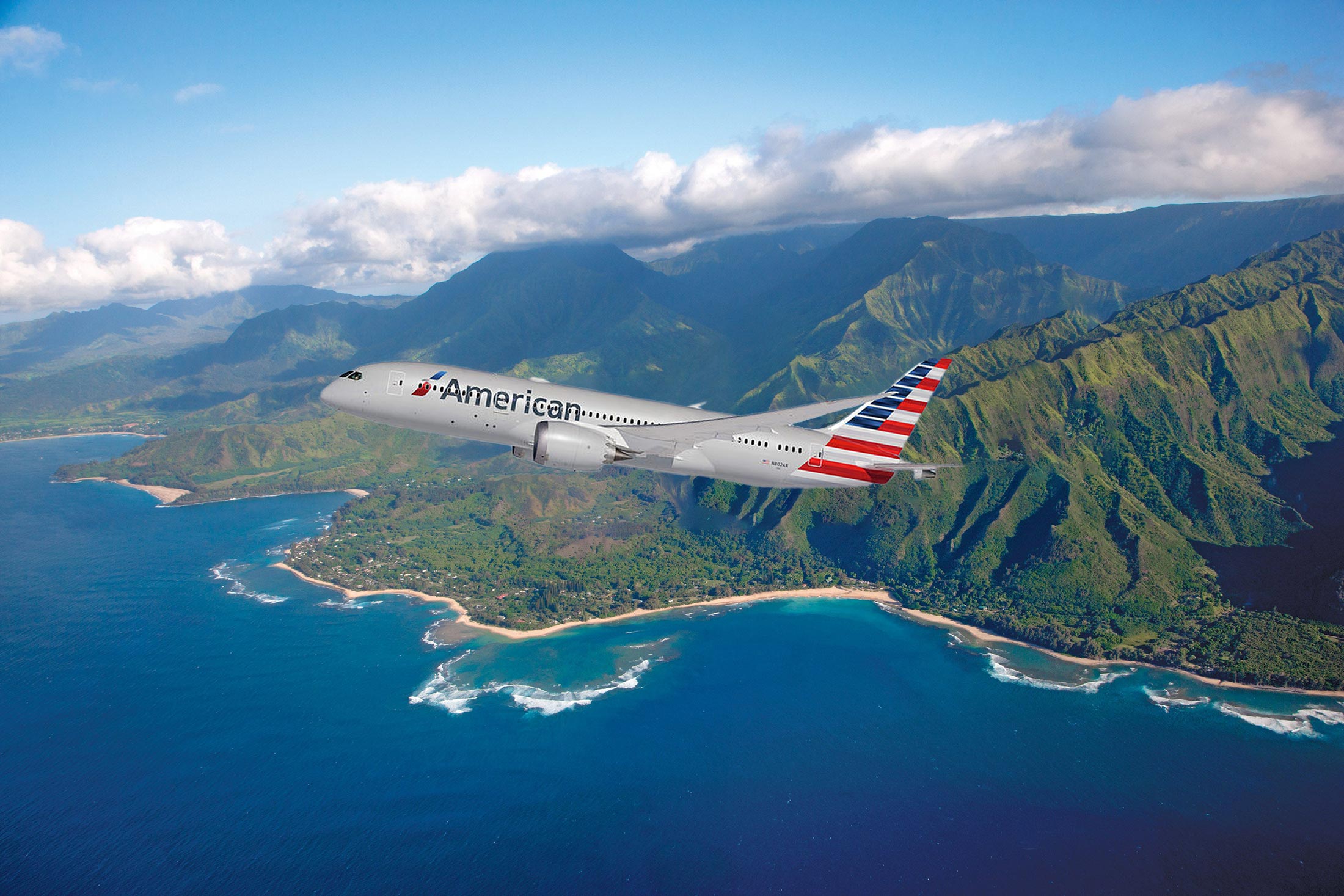
Traveling to the middle of the Pacific Ocean requires careful planning, especially when considering the vast distance between the mainland United States and the tropical paradise of the Hawaiian archipelago. For many travelers, the question of “Does American Airlines fly to Hawaii?” is met with a resounding yes. As one of the world’s largest carriers, this airline provides extensive connectivity to the islands, serving as a vital bridge for tourists seeking sun-drenched beaches, volcanic landscapes, and rich cultural heritage. Whether you are departing from the East Coast, the Midwest, or the West Coast, the carrier offers various routes that cater to different travel needs, making the dream of an island getaway highly accessible.
Key Gateway Cities and Flight Paths
The logistical backbone of travel to the islands relies on strategically located hub cities. For those flying with this carrier, several major airports serve as primary gateways. These hubs are essential because they consolidate passengers from smaller regional airports before embarking on the long-haul journey across the ocean. Understanding these departure points helps travelers plan their layovers and total travel time effectively.
Major West Coast Hubs
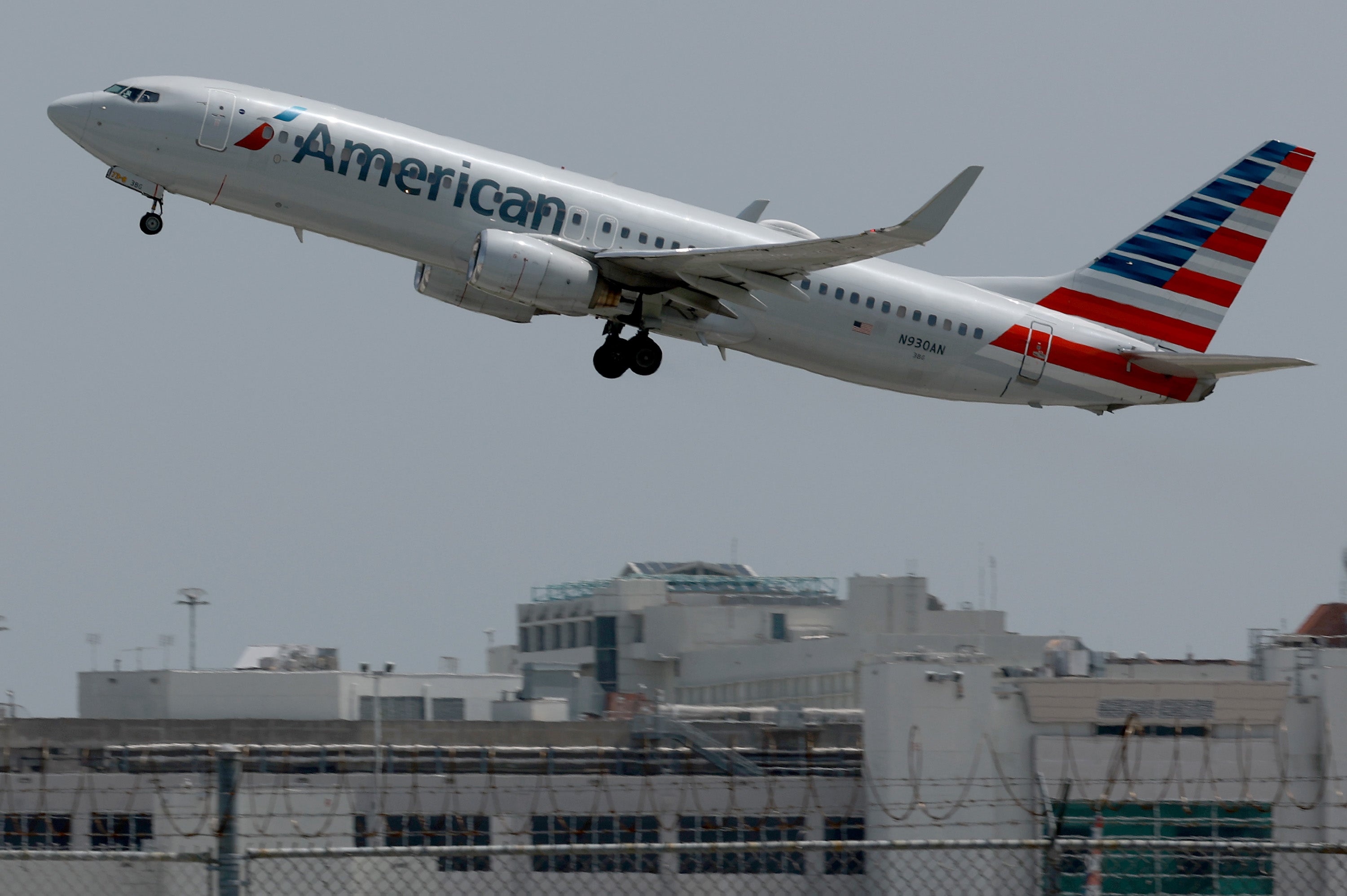
The most frequent service originates from the West Coast, specifically through Los Angeles International Airport and Phoenix Sky Harbor International Airport. Los Angeles, being a massive international gateway in California, offers multiple daily flights to all four major Hawaiian islands. Similarly, Phoenix serves as a critical desert hub in Arizona, providing a convenient jumping-off point for travelers coming from the Mountain West and Southwest regions. The flight duration from these cities is typically between five and six hours, making it the shortest transpacific leg available.
Central and Eastern Gateways
For those starting their journey further east, Dallas/Fort Worth International Airport in Texas is the primary engine for Hawaiian travel. As a central mega-hub, Dallas facilitates long-range flights that can exceed eight or nine hours. Additionally, seasonal or specialized service can sometimes be found from Chicago at O’Hare International Airport in Illinois and Charlotte Douglas International Airport in North Carolina. These long-haul routes are particularly popular for travelers who prefer to minimize the number of connections, allowing them to board in the morning and arrive in the tropics by late afternoon or evening.
Exploring the Hawaiian Islands: A Destination Breakdown
Once the question of “how to get there” is answered, the focus shifts to “where to go.” Each island in the chain offers a distinct personality, and the airline provides direct access to the most prominent destinations. From the bustling streets of a modern metropolis to the quiet whispers of a rainforest, the diversity of the islands ensures there is a destination for every type of traveler.
Oahu: The Gathering Place
Oahu is often the first stop for many visitors, primarily arriving through Honolulu via Daniel K. Inouye International Airport. This island is the cultural and economic heart of the state. Travelers flock to Waikiki Beach for its iconic surf and high-end shopping, but the island’s depth goes much further. A visit to Pearl Harbor offers a somber and educational look at modern history, while a hike up Diamond Head provides a panoramic view of the coastline. For a change of pace, the North Shore of the island is world-famous for its massive winter waves and laid-back surf culture. Cultural enthusiasts should not miss the Polynesian Cultural Center or the historic Iolani Palace, the only royal palace on soil belonging to the United States.
Maui: The Valley Isle
Direct flights also land in Kahului on the island of Maui. Known for its stunning natural beauty, this island is a favorite for honeymooners and outdoor adventurers. One of the most legendary experiences here is driving the Road to Hana, a winding coastal route filled with waterfalls, rainforests, and dramatic cliffs. Equally impressive is the Haleakala National Park, where visitors can drive to the summit of a dormant volcano to witness a sunrise above the clouds. The waters off the coast of Lahaina are also prime territory for whale watching during the winter months, and snorkeling at the submerged Molokini Crater offers a glimpse into a vibrant underwater world.
Kauai: The Garden Isle
For those seeking rugged landscapes and lush greenery, the airline flies into Lihue on Kauai. This is the oldest of the main islands, and its age shows in its deeply carved canyons and jagged emerald peaks. The Waimea Canyon State Park, often called the “Grand Canyon of the Pacific,” offers breathtaking views of red soil contrasted with deep green vegetation. No trip to the island is complete without seeing the Napali Coast State Wilderness Park, which is best viewed via a boat tour or a helicopter excursion, as much of the coastline is inaccessible by car. The island is also home to Mount Waialeale, one of the wettest spots on earth, which feeds the many waterfalls that dot the landscape.
The Big Island: A Land of Fire and Ice
The Island of Hawaii, commonly referred to as the Big Island, is reached via Kona at Ellison Onizuka Kona International Airport. This island is famous for its incredible ecological diversity, featuring everything from tropical sandy beaches to snow-capped peaks. The main attraction is Hawaii Volcanoes National Park, where visitors can witness the power of creation and destruction at the sites of active volcanoes. On the western side, Kailua-Kona offers excellent conditions for manta ray night dives and sampling world-renowned coffee from local plantations. For those interested in astronomy, the Mauna Kea observatory provides one of the clearest views of the night sky in the world.
The In-Flight Journey and Transpacific Comfort
Flying to these destinations is a significant undertaking, often involving many hours in the air. The experience on board is designed to mitigate the fatigue of long-distance travel. On routes from major hubs like Dallas or Chicago, the airline often utilizes wide-body aircraft, which provide more room and a more stable flight over the Pacific Ocean.
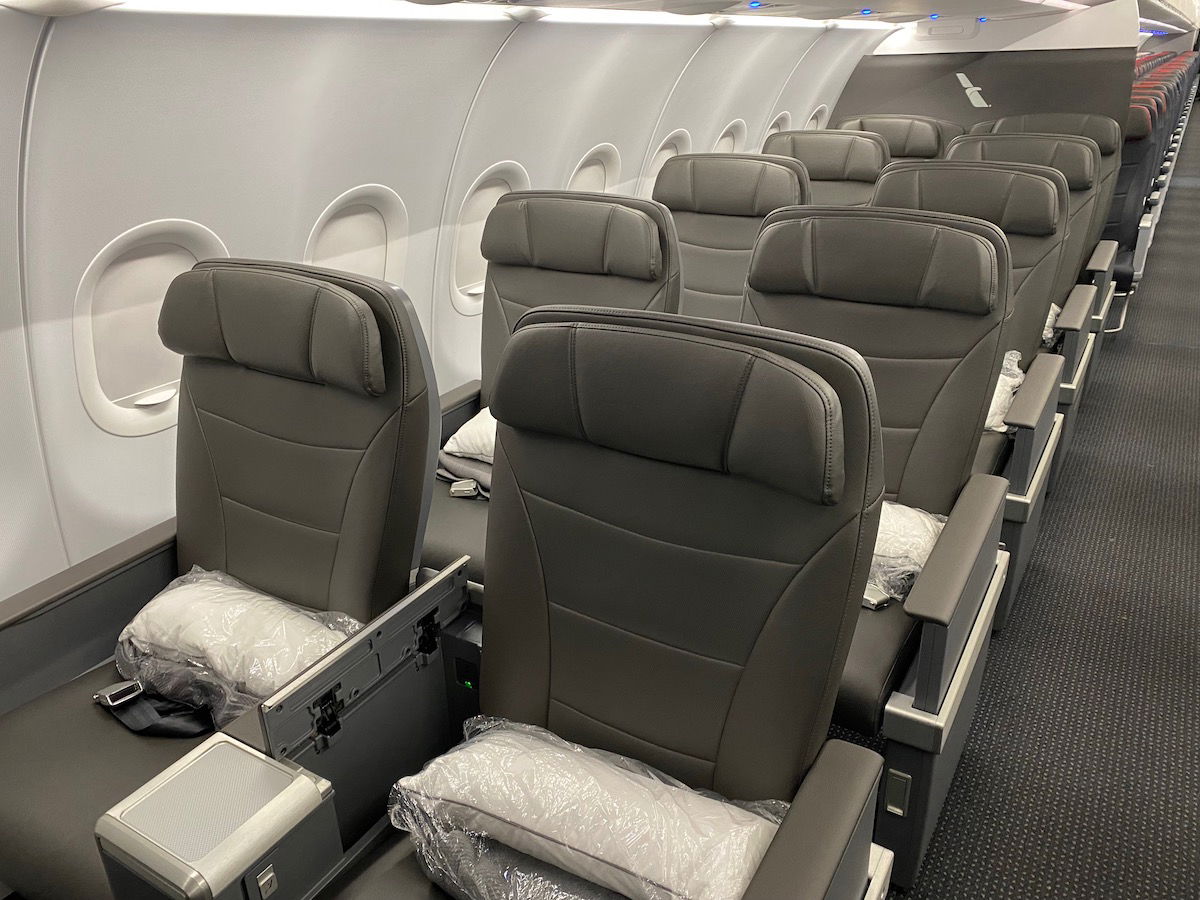
The cabin configurations typically range from standard Main Cabin seating to premium options like Main Cabin Extra, which offers more legroom. For a more luxurious experience, many transpacific flights feature a first or business-class cabin with lie-flat seats, which are particularly beneficial on the long return flights to the mainland that often operate as “red-eyes.” In-flight entertainment is a standard feature, allowing passengers to catch up on movies or television shows as they cross the vast blue expanse. Additionally, the airline has integrated Hawaiian-inspired elements into some of its service offerings, such as specific meal choices or onboard media that highlights the culture of North America and its relationship with the islands.
Seasonal Considerations for Your Hawaiian Adventure
While the destination is available year-round, the experience can vary depending on when you choose to fly. The weather in the islands is generally divided into two seasons: the dry season (summer) and the wet season (winter). However, even during the wet season, rain is often localized and brief, frequently followed by rainbows that span the valleys.
Peak Travel Times
The busiest times to visit coincide with major holidays in the United States, particularly around Christmas and New Year. Summer is also a peak period as families take advantage of school breaks. During these times, flights are more frequent, but the popular attractions like Hana Highway or the beaches of Maui will be more crowded. Planning several months in advance is recommended for those traveling during these windows.
Shoulder Season Benefits
For a more tranquil experience, many seasoned travelers prefer the “shoulder seasons” of spring (April to June) and fall (September to November). During these months, the weather is nearly perfect, and the volume of tourists is lower. This makes it easier to secure reservations at popular restaurants in Honolulu or to find a quiet spot on the sands of Kauai. Furthermore, the availability of flights and seating options can be more flexible, allowing for a more customized travel itinerary.
By choosing to fly with a major carrier, travelers gain the benefit of a vast network that connects the remote beauty of the islands with the convenience of mainland infrastructure. Whether you are looking for the historical depth of Oahu, the volcanic wonders of the Big Island, or the sheer natural drama of Kauai, the path to paradise is well-paved and ready for exploration. Each flight marks the beginning of a unique story, set against the backdrop of one of the most beautiful places on Earth.
LifeOutOfTheBox is a participant in the Amazon Services LLC Associates Program, an affiliate advertising program designed to provide a means for sites to earn advertising fees by advertising and linking to Amazon.com. Amazon, the Amazon logo, AmazonSupply, and the AmazonSupply logo are trademarks of Amazon.com, Inc. or its affiliates. As an Amazon Associate we earn affiliate commissions from qualifying purchases.