
Florida, renowned for its sunny beaches, vibrant cities like Miami, and world-class attractions, is a premier destination for travelers seeking diverse accommodation options, from luxurious resorts and charming vacation rentals to bustling hotels and serene long-term apartments. However, the state’s warm, humid climate also creates an ideal environment for various pests, most notably roaches. For accommodation providers and guests alike, understanding how to effectively manage and eliminate these unwelcome visitors is crucial to maintaining a pristine and comfortable stay experience. Addressing the presence of roaches is not just about cleanliness; it’s about safeguarding the reputation of a property and ensuring guest satisfaction, directly impacting reviews, bookings, and the overall success of an accommodation business.
Understanding the Florida Roach Landscape in Accommodation
Before tackling prevention and elimination, it’s vital to recognize the specific challenges posed by Florida’s roach population. These aren’t merely common household pests; they are deeply integrated into the state’s ecosystem.
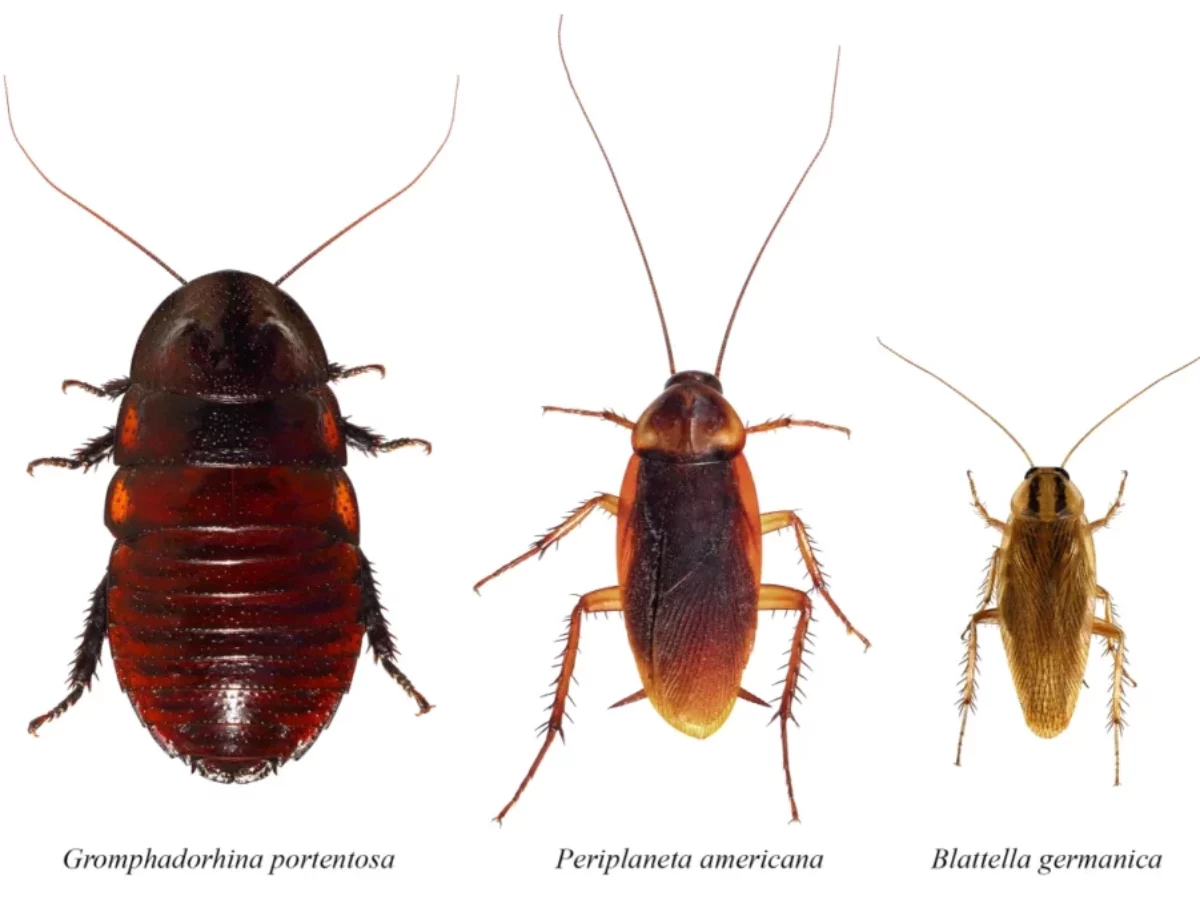
Common Species Affecting Accommodation
While several species exist, the most frequently encountered in accommodation settings are:
- American Cockroach (Palmetto Bug): Often mistaken for a water bug, these large, reddish-brown roaches are strong flyers and frequently enter buildings from outdoors, especially in humid conditions. They prefer warm, dark, moist areas like basements, sewers, and pipe chases. In hotels and vacation rentals, they can often be found near plumbing or in utility areas, but will venture into guest rooms.
- German Cockroach: Smaller and prolific breeders, German cockroaches are notorious for infesting kitchens and bathrooms. They are typically brought into an accommodation property through luggage, groceries, or deliveries. Once inside, they reproduce rapidly, making quick detection and elimination critical to prevent a full-blown infestation that can severely impact guest comfort and property ratings.
- Smoky Brown Cockroach: Similar in size to the American cockroach but uniformly dark brown, these also commonly enter from outside. They are attracted to lights and often congregate near outdoor lighting fixtures or open doors, posing a constant ingress threat to ground-floor hotel rooms or rental villas.
These species thrive in the subtropical climate, making consistent vigilance a non-negotiable aspect of property management for any accommodation in Florida. Their presence, even in small numbers, can lead to significant negative guest reviews, cancellations, and a damaged brand image.
Environmental Factors Contributing to Infestations
Florida’s unique environment contributes significantly to roach prevalence:
- Humidity and Heat: Roaches thrive in warm, moist conditions. The high humidity levels throughout much of the year provide an ideal breeding ground and sustenance source.
- Abundant Vegetation: Lush landscaping, common around resorts, apartments, and rental homes, offers ample harborage outdoors, allowing roaches to live close to buildings and seek shelter inside.
- Infrastructure: Extensive sewer systems and older buildings, particularly in cities like Orlando and Tampa, provide vast networks for roaches to travel unseen, emerging into living spaces.
Understanding these factors is the first step for accommodation providers in crafting a robust pest management strategy.
Proactive Prevention for Accommodation Providers
For any accommodation business, whether a boutique hotel, a sprawling resort, or a single vacation rental unit, prevention is paramount. A proactive approach minimizes the chances of guests encountering roaches, thus safeguarding the guest experience and property reputation.
Architectural and Structural Maintenance
Sealing entry points is the most fundamental preventative measure:
- Seal Cracks and Crevices: Regularly inspect and seal all cracks, gaps, and holes in walls, foundations, and around pipes. Pay particular attention to areas where utilities enter the building.
- Door and Window Seals: Ensure all doors and windows have tight-fitting screens and weatherstripping. Gaps under doors are common entry points for larger roaches.
- Ventilation and Moisture Control: Repair leaky pipes and faucets promptly. Ensure bathrooms and kitchens are well-ventilated to reduce humidity, as moisture attracts roaches. Dehumidifiers can be beneficial in particularly damp areas, common in many Florida accommodations.
Meticulous Housekeeping and Sanitation
Cleanliness is non-negotiable in accommodation and is a primary deterrent:
.2412070152252.webp)
- Regular Deep Cleaning: Beyond daily tidy-ups, schedule regular deep cleaning of all guest rooms, common areas, and back-of-house facilities. This includes cleaning under appliances, behind furniture, and inside cabinets.
- Food Storage and Waste Management: Store all food in airtight containers. Empty trash cans frequently, especially in kitchens and dining areas. Ensure outdoor dumpsters are tightly sealed and placed away from building entrances. For vacation rentals with kitchens, educating guests on proper food storage is crucial.
- Laundry and Linens: Promptly clean and store linens. Roaches can be transported in laundry bags or dirty textiles.
Landscaping and Exterior Management
The exterior of an accommodation property can be a significant harborage:
- Trim Vegetation: Keep shrubs, trees, and vines trimmed back from the building’s perimeter. These can serve as bridges for roaches to enter.
- Remove Debris: Eliminate piles of leaves, wood, or other debris near the property, as these provide excellent hiding spots.
- Outdoor Lighting: Consider sodium vapor or yellow LED lights for exterior use, as they are less attractive to insects than traditional white or mercury vapor lights.
Responsive Measures and Professional Intervention
Even with the best preventative measures, roaches can occasionally find their way into accommodation properties. Swift, decisive action is crucial to prevent minor issues from escalating.
Immediate Steps for Staff and Guests
When a roach is spotted:
- For Staff: Train housekeeping and front desk staff to respond calmly and efficiently. If a roach is found in a guest room, the immediate priority is to address the guest’s concern, perhaps by offering a room change if available, and then thoroughly inspecting and treating the affected room. Document the incident for tracking purposes.
- For Guests (in a self-catered rental): If guests are in a vacation rental or apartment, they should immediately contact the property manager. Guests should avoid attempting to treat the problem themselves with harsh chemicals, as this could contaminate the space or interfere with professional treatment.
Professional Pest Control Partnerships
Establishing a strong relationship with a reputable pest control service is essential for any Florida accommodation:
- Scheduled Treatments: Implement a regular, proactive pest control schedule, not just reactive treatments. This often involves exterior barrier treatments and interior inspections in common areas and unoccupied units.
- Integrated Pest Management (IPM): A good pest control partner will utilize an IPM approach, which focuses on long-term prevention through a combination of techniques such as habitat modification, exclusion, and targeted chemical applications, rather than simply spraying pesticides.
- Expert Advice: Leverage the pest control company’s expertise for identifying specific entry points, high-risk areas, and recommending property-specific preventative strategies. They can advise on the best methods suitable for a hospitality environment, considering guest safety and minimal disruption.
Maintaining a Pristine Guest Experience
The ultimate goal of effective roach management in accommodation is to ensure an uninterrupted, pleasant guest experience. Transparency, promptness, and a commitment to quality are key.
Communication and Guest Relations
Open communication can mitigate negative impacts:
- Proactive Information (where appropriate): While not ideal to advertise pest issues, some long-term stay accommodations or those in particularly natural settings might provide general information about Florida’s ecosystem and how the property manages pests, reassuring guests of their proactive approach.
- Addressing Concerns Promptly: If a guest reports a roach, acknowledge their concern immediately, apologize sincerely, and outline the steps being taken. Offering a solution, such as a room change, compensation, or a deep clean, can turn a potentially negative experience into a testament to excellent customer service.
- Follow-Up: A simple follow-up call or email to guests who reported an issue demonstrates genuine care and commitment to their satisfaction.
Sustained Vigilance and Continuous Improvement
Pest management is an ongoing process:
- Regular Inspections: Beyond scheduled pest control visits, accommodation staff should be trained to perform routine visual inspections during cleaning and maintenance checks.
- Staff Training: Educate all staff – from housekeeping to maintenance to front desk – on identifying signs of roaches, understanding their habits, and knowing the proper reporting procedures.
- Review Monitoring: Actively monitor online reviews on platforms like TripAdvisor, Google, or Airbnb for any mentions of pests. Addressing these reviews publicly and professionally shows accountability and dedication to improvement. This also helps in identifying potential problem areas that might require additional attention.
By adopting a comprehensive, multi-faceted approach to roach management, accommodation providers in Florida can effectively protect their properties, preserve their reputation, and consistently deliver the high-quality, pest-free experience that guests expect and deserve. This commitment translates directly into better bookings, higher guest satisfaction, and sustained success in a competitive market.
LifeOutOfTheBox is a participant in the Amazon Services LLC Associates Program, an affiliate advertising program designed to provide a means for sites to earn advertising fees by advertising and linking to Amazon.com. Amazon, the Amazon logo, AmazonSupply, and the AmazonSupply logo are trademarks of Amazon.com, Inc. or its affiliates. As an Amazon Associate we earn affiliate commissions from qualifying purchases.