
Planning a trip to the United States, particularly to the stunning landscapes of Arizona, involves more than just booking flights and hotels. Savvy travelers, whether they’re embarking on luxury escapes, budget-friendly adventures, family trips, or business stays, often look into the finer details that can impact their overall expenses. Among these, understanding the local tax structure is paramount. So, to answer the burning question: yes, Arizona does have a sales tax, though it’s officially known by a different name and operates with a unique structure that can be a bit more complex than in many other states.
For those venturing into the Grand Canyon State – a destination renowned for its breathtaking natural wonders, vibrant cities, and rich cultural heritage – grasping how this tax impacts everything from accommodation to dining and souvenir shopping is crucial for accurate budgeting and an enjoyable, stress-free experience. This guide will delve into the intricacies of Arizona’s sales tax, officially called the Transaction Privilege Tax (TPT), explaining what it is, how it works, and what it means for tourists exploring its diverse attractions, from the bustling streets of Phoenix to the serene red rocks of Sedona.
Understanding Arizona’s Unique Tax Landscape: The Transaction Privilege Tax (TPT)
Unlike most states that levy a direct sales tax on the consumer, Arizona operates under a system known as the Transaction Privilege Tax (TPT). While it might feel like a sales tax to the end consumer, its legal framework is distinct. Essentially, the TPT is a tax on the privilege of doing business in Arizona. Businesses are taxed on their gross receipts, and while they generally pass this cost on to the customer, it’s technically not a tax directly on the sale itself.
This distinction is important because it allows for a more granular application of tax rates depending on the type of business activity. For travelers, this means that the tax rate you encounter might vary not only by city or county but also by the specific goods or services you are purchasing.
The Basic Structure: State, County, and City Rates
The Arizona TPT is a multi-layered tax. It combines a state-level rate with additional taxes levied by individual counties and cities.
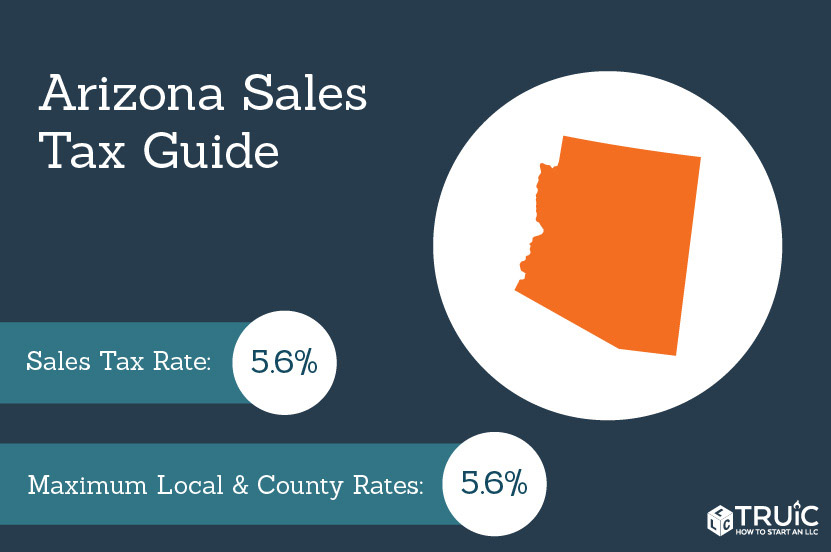
- State TPT Rate: The statewide TPT rate in Arizona is currently 5.6%. This is the baseline for nearly all taxable transactions across the state.
- County TPT Rates: Each of Arizona’s 15 counties can impose its own TPT rate, typically ranging from 0.5% to 2.0%. These county taxes contribute to local services and infrastructure, which often directly or indirectly benefit tourism.
- City TPT Rates: This is where the real variability comes in. Most cities and towns in Arizona levy their own municipal TPT rates, which can range significantly. These city taxes often cover a broad spectrum of services, from public safety to parks and recreational facilities that are vital for attracting and serving tourists. Many municipalities also impose specific taxes on certain activities, such as lodging, which can add further complexity.
When you combine these three layers, the total TPT rate can fluctuate considerably depending on your exact location within the state and the nature of your purchase. For instance, a meal in Phoenix will have a different total tax rate than the same meal in Flagstaff or a remote area near the Grand Canyon.
How TPT Applies to Different Traveler Expenses
Travelers to Arizona will encounter the TPT on most of their purchases. Understanding how it applies to various aspects of your trip can help in budgeting and avoiding surprises.
-
Accommodation Taxes: Hotels, Resorts, and Rentals: One of the most significant impacts on travelers’ budgets comes from taxes on accommodation. When you book a hotel, resort, apartment, or villa in Arizona, you’ll typically pay the standard state, county, and city TPT on the room rate. However, many cities also impose an additional “bed tax” or “lodging tax,” specifically designed to fund local tourism initiatives, convention centers, and marketing efforts. This extra tax can significantly increase the total cost of your stay. For example, a luxury resort in Scottsdale might have a combined tax rate for accommodation that is substantially higher than the general sales tax rate on retail goods. These additional taxes are crucial for cities like Scottsdale and Sedona, which rely heavily on tourism, allowing them to maintain high-quality amenities and services for visitors.
-
Dining and Entertainment: What to Expect: Whether you’re enjoying a gourmet meal in Old Town Scottsdale, sampling authentic Southwestern cuisine in Tucson, or grabbing a quick bite near a national park, the TPT will apply to your food and beverage purchases. The specific rate will again depend on the city and county. Similarly, tickets for attractions, tours, cultural experiences, and entertainment venues will also be subject to TPT. This means that budgeting for activities like a Grand Canyon helicopter tour, a visit to Desert Botanical Garden in Phoenix, or an art gallery experience in Sedona should always include an allowance for tax.
-
Shopping and Souvenirs: Retail Purchases: From vibrant Native American crafts to stylish cowboy boots and local artwork, shopping is an integral part of many travel experiences. Any retail purchase in Arizona will be subject to the applicable state, county, and city TPT. This includes groceries (though some food items might be exempt or taxed at a lower rate in certain jurisdictions, it’s best to assume they are taxed for general budgeting), clothing, electronics, and souvenirs.
-
Car Rentals and Transportation Services: For many visitors exploring Arizona’s vast landscapes, a rental car is essential. Car rental agencies levy TPT on the rental fee, and often, additional surcharges and fees (such as airport concession fees, vehicle licensing fees, and energy surcharges) are also added, which may or may not be subject to TPT depending on local regulations. It’s always advisable to clarify the total cost, including all taxes and fees, when booking transportation. Services like ride-sharing or taxi fares will also typically include TPT.
Navigating Sales Tax in Popular Arizona Destinations
The total TPT rate varies considerably from one location to another, reflecting the diverse priorities and revenue needs of Arizona’s many cities and towns. Here’s a look at some popular tourist destinations and how their tax structures might affect your travel plans.
Phoenix and Scottsdale: Urban Delights and Resort Luxuries
As the largest city and a major travel hub, Phoenix has a substantial TPT rate. The combined state, Maricopa County, and city TPT for retail sales and most services typically hover around 8.6%. For accommodation, however, Phoenix adds an additional bed tax, pushing the total lodging tax rate higher, often above 12.5%. This additional revenue supports the city’s thriving tourism industry, including its convention center and attractions.
Scottsdale, adjacent to Phoenix and known for its luxury resorts, vibrant nightlife, and art scene, also has a significant TPT structure. While its general retail TPT might be similar to Phoenix’s, Scottsdale also imposes specific resort fees and a higher lodging tax rate, which can make a stay in its world-class hotels and resorts noticeably more expensive than just the advertised room rate. It’s common for total accommodation taxes in Scottsdale to approach 14-16% when all city, county, and state taxes are combined.
Sedona and Flagstaff: Northern Arizona’s Scenic Getaways
Sedona, famous for its red rock formations, spiritual retreats, and outdoor activities, is a magnet for tourists. The city’s general TPT rate (including state and Yavapai County taxes) is often around 9.45% for retail. However, like other tourist-heavy areas, Sedona implements a robust lodging tax, sometimes exceeding 13.9% of the room rate. These funds are vital for maintaining the city’s infrastructure and protecting its natural beauty, which draws millions of visitors annually.
Flagstaff, a gateway to the Grand Canyon and Northern Arizona University, also has a notable TPT structure. Combining state, Coconino County, and city taxes, the general sales tax rate for most purchases is around 11.1%. Flagstaff’s lodging tax is also significant, often reaching over 12.8% on top of resort fees, contributing to the city’s ability to host tourists year-round, including during its popular ski season.
Tucson: Southern Arizona’s Rich Culture and Desert Landscapes
In Southern Arizona, Tucson offers a distinct blend of Sonoran Desert beauty, rich history, and vibrant arts. The general TPT rate in Tucson (state, Pima County, and city) typically hovers around 8.7%. Similar to its northern counterparts, Tucson applies an additional lodging tax on hotels and other accommodations, bringing the total room tax to approximately 12.05% or higher, supporting tourism promotion and city services in this culturally significant region.
Grand Canyon National Park Area: Wilderness and Wonder
When visiting the iconic Grand Canyon National Park, specific tax rates can vary depending on whether you are staying inside the park boundaries, in nearby towns like Tusayan, or further afield. While the national park itself generally falls under state and Coconino County TPT rates, any purchases made within concessionaire-operated stores or restaurants will have these taxes applied. Lodging in nearby Tusayan or other gateway communities will also include the local city/town TPT and specific lodging taxes, which are essential for the infrastructure supporting the millions of visitors to this world heritage site.
Where Does Your Tax Dollar Go? Funding Arizona’s Tourism and Infrastructure
It’s natural for travelers to wonder about the purpose of these various taxes. Far from simply being an added cost, the TPT and specific lodging taxes play a crucial role in maintaining and enhancing the very infrastructure and services that make Arizona such an attractive travel destination.
Impact on Tourist Infrastructure and Public Services
The revenue generated from TPT and lodging taxes is channeled back into various public services and tourist infrastructure. This includes:
- Roads and Transportation: Maintaining highways leading to major attractions like the Grand Canyon, Monument Valley, and Antelope Canyon, as well as local street maintenance in cities, is partly funded by these taxes.
- Public Safety: Police, fire, and emergency services, crucial for resident and tourist safety, receive significant funding from local taxes.
- Parks and Recreation: Many city and county parks, trails, and recreational facilities, which offer free or low-cost activities for visitors, are supported by tax dollars.
- Water and Sanitation: Essential utilities that support hotels, restaurants, and other tourist-serving businesses benefit from tax contributions.
- Convention Centers and Tourism Marketing: Especially in major cities like Phoenix and Scottsdale, dedicated lodging taxes directly fund convention centers, visitor bureaus, and statewide marketing campaigns that promote Arizona as a premier travel destination, benefiting local businesses and residents alike. This contributes to the state’s thriving tourism industry, attracting both leisure and business stays.
Boosting Local Economies
Beyond direct infrastructure, the TPT helps bolster local economies by enabling communities to provide services that attract new businesses and residents, further diversifying job opportunities. For travelers, this means a wider array of choices in hotels, restaurants, and attractions, enhancing the overall experience. The consistent revenue stream from tourism, augmented by these taxes, allows for sustained investment in improving the visitor experience, from developing new attractions to preserving historical landmarks and natural beauty.
Practical Tips for Managing Sales Tax on Your Arizona Trip
Navigating Arizona’s TPT system doesn’t have to be daunting. With a few practical tips, you can effectively budget and enjoy your trip without financial surprises.
Budgeting for Sales Tax
- Always Assume Tax is Additional: Unless explicitly stated otherwise, assume that advertised prices for goods, services, and accommodation do not include TPT. Always factor in the additional percentage when estimating your total costs.
- Research Specific City Rates: Before booking your accommodation or major activities, do a quick online search for the current sales/lodging tax rates in specific cities you plan to visit (e.g., “Scottsdale hotel tax rate”). Websites for the Arizona Department of Revenue or specific city finance departments often provide these details.
- Factor in “Hidden” Costs for Accommodation: Remember that beyond the base room rate and TPT, many hotels and resorts in Arizona (especially in luxury destinations like Scottsdale and Sedona) charge “resort fees” or “amenity fees.” While these are typically separate from TPT, they are mandatory and can add $20-$50 (or more) per night to your bill. Confirm all fees when booking.
- Use Booking Platforms Carefully: When using online booking platforms for hotels or activities, pay close attention to the “total price” breakdown before confirming. Many platforms will show the estimated tax and fees upfront.
Tax Exemptions and Refunds (Limited for Tourists)
For most tourists, there are very few TPT exemptions relevant to their purchases. Unlike some other countries, the United States generally does not offer tax refunds to international visitors on purchases. The TPT applies uniformly to residents and non-residents alike.
- Food for Home Consumption: In some jurisdictions within Arizona, unprepared food items purchased from grocery stores for home consumption might be exempt from city TPT, though state and county TPT still typically apply. However, food prepared for immediate consumption (e.g., from restaurants, delis, or hot food bars) is always subject to TPT. For simplicity in budgeting, especially for short trips, it’s often easier to assume all food purchases are taxed.
- Certain Services: Some professional services might be exempt, but these are generally not relevant to typical tourist expenditures.
Final Considerations for an Enjoyable Arizona Trip
Understanding Arizona’s Transaction Privilege Tax is a key step in planning a seamless and budget-savvy trip. While the varying rates and the distinction from a traditional “sales tax” might seem complex at first, the core principle remains the same: expect an additional percentage to be added to most purchases.
Whether you’re exploring the ancient cliff dwellings of Montezuma Castle National Monument, hiking the vibrant trails of Saguaro National Park, or enjoying the bustling cultural scene in Tucson, factoring in these taxes ensures that your financial planning aligns with the incredible experiences Arizona has to offer. By being informed, you can focus on making unforgettable memories, secure in the knowledge that your travel budget is accurately accounted for. This insight into Arizona’s tax structure empowers you to make smarter choices, whether you’re seeking luxury travel, a family-friendly adventure, or an immersive cultural journey across this magnificent state.
LifeOutOfTheBox is a participant in the Amazon Services LLC Associates Program, an affiliate advertising program designed to provide a means for sites to earn advertising fees by advertising and linking to Amazon.com. Amazon, the Amazon logo, AmazonSupply, and the AmazonSupply logo are trademarks of Amazon.com, Inc. or its affiliates. As an Amazon Associate we earn affiliate commissions from qualifying purchases.