
Arizona, a state synonymous with breathtaking desert landscapes, vibrant cities, and a perpetually sunny disposition, is a magnet for travelers, retirees, and businesses alike. From the awe-inspiring Grand Canyon National Park to the bustling urban centers of Phoenix and Tucson, the allure of the Grand Canyon State is undeniable. However, beneath the surface of stunning natural beauty and endless recreational opportunities lies a practical consideration for anyone planning a visit, considering a move, or establishing a business: the tax landscape. So, does Arizona have state taxes? The straightforward answer is yes, like most states in the United States, Arizona imposes various state taxes. Understanding these taxes is crucial for effective financial planning, whether you’re booking your next luxury travel experience, planning a long-term stay, or assessing the cost of living for a potential relocation.
The tax structure in Arizona is multifaceted, encompassing income tax, sales tax (officially known as Transaction Privilege Tax), and property tax, among others. While these taxes contribute to the state’s revenue, funding essential public services, infrastructure, and the continued maintenance of its famous places and natural wonders, they also impact the overall cost of a trip or the financial feasibility of living here. For tourists, taxes primarily manifest in the form of sales tax on goods and services, as well as specific lodging taxes that affect hotel and accommodation costs. For residents and those contemplating a move, income and property taxes become significant factors in their financial equation. This comprehensive guide will delve into the specifics of Arizona’s state taxes, shedding light on how they impact various aspects of travel, tourism, accommodation, and lifestyle choices within this captivating desert state.
Understanding Arizona’s Tax Landscape
Arizona’s approach to taxation is designed to fund its public services while striving to maintain an attractive environment for both residents and businesses. The system is a blend of state-level levies and local municipality-specific taxes, meaning that the total tax burden can vary depending on where you are in the state. For instance, the sales tax rate you pay in Scottsdale might differ slightly from that in Flagstaff or Sedona due to local surcharges. A clear understanding of these different tax categories is the first step toward smart financial planning, whether you’re enjoying a resort stay or considering purchasing property.
Income Tax: For Residents and Relocators
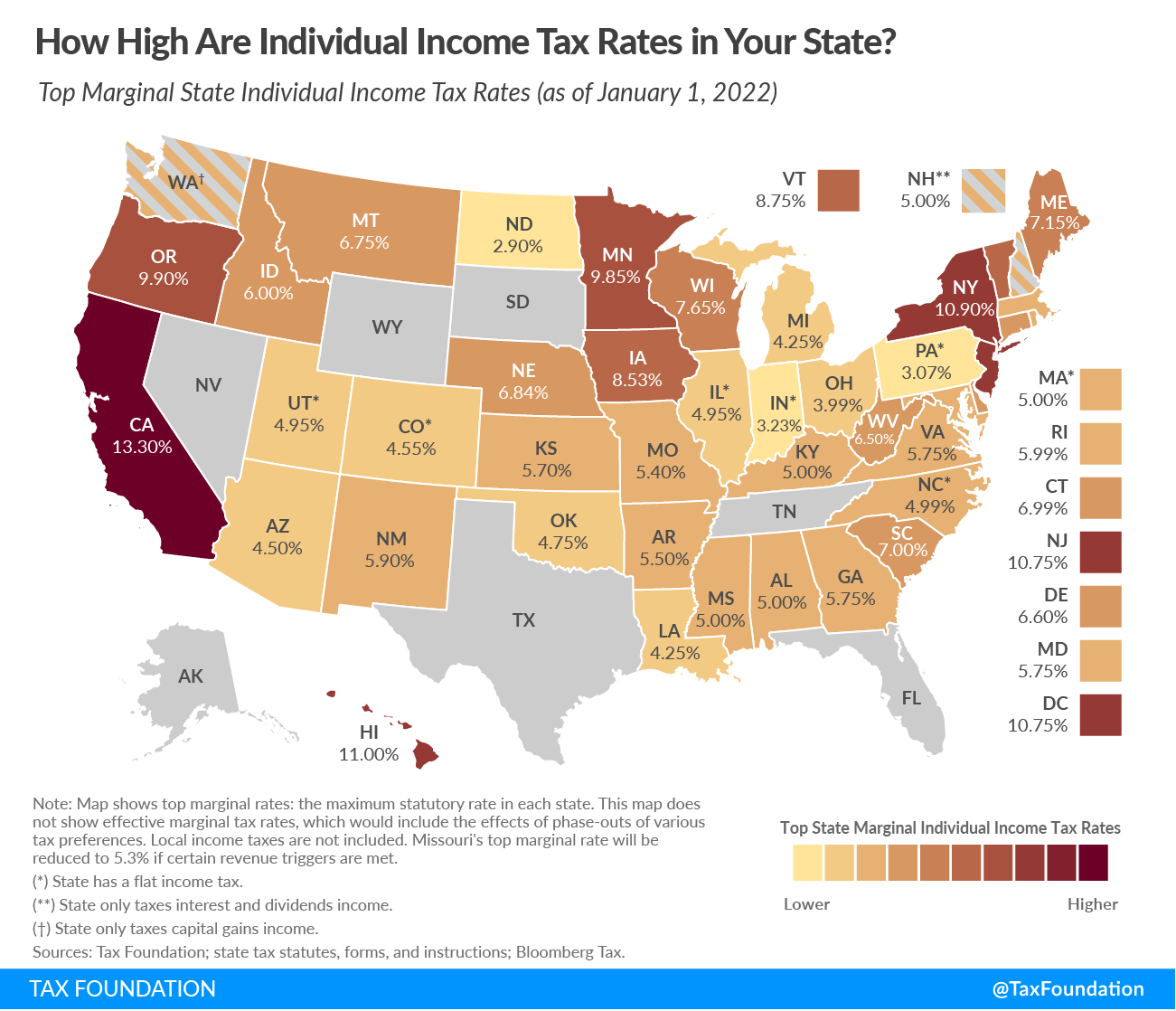
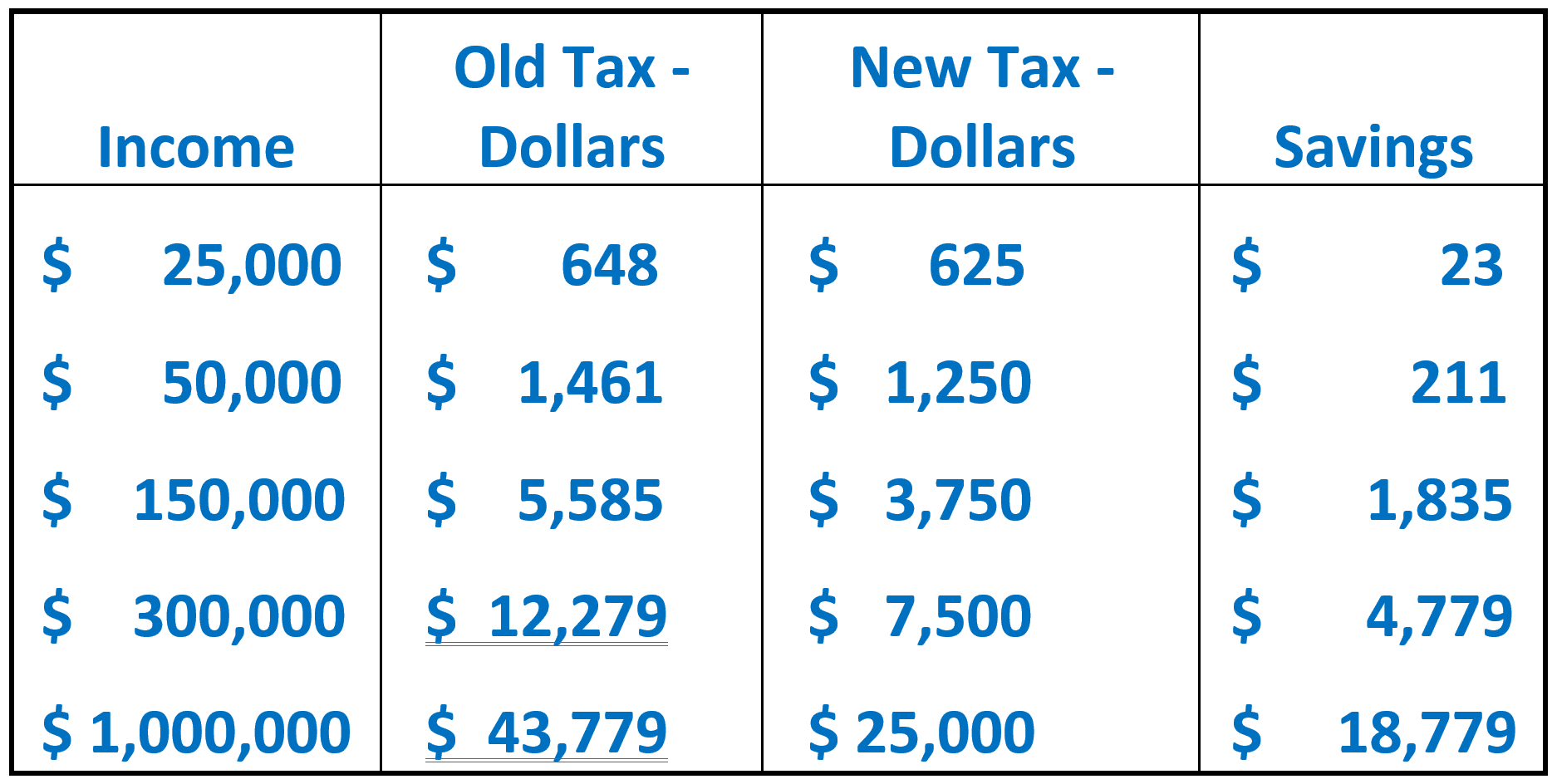
Arizona levies a state income tax on its residents. The state has recently undergone tax reform, moving towards a flatter tax rate. As of the most recent changes, Arizona has transitioned to a single, low-rate income tax. This flat tax model aims to simplify the tax code and potentially make the state more appealing for individuals and businesses considering relocation. For most Arizona residents, understanding this tax is paramount, as it directly impacts their take-home pay. For individuals contemplating moving to Arizona from states like California or New York, the income tax rate is often a significant factor in evaluating the overall cost of living and the financial benefits of becoming an Arizona resident. While the specific rates can change due to legislative action, the general trend has been towards a more competitive and simpler system, potentially enhancing Arizona’s appeal for those seeking a new lifestyle or retirement destination. Non-residents typically aren’t subject to Arizona state income tax unless they earn income within the state.
Sales Tax: The Transaction Privilege Tax (TPT)
What many refer to as “sales tax” in Arizona is officially known as the Transaction Privilege Tax (TPT). This distinction is important because the TPT is levied on businesses for the privilege of doing business in the state, though it is generally passed on to the consumer. This tax is a significant component of how taxes impact tourists and everyday consumers. The state’s base TPT rate is 5.6%. However, cities and counties also impose their own TPT rates, which are added on top of the state rate. This means the combined sales tax rate can vary significantly from one municipality to another. For example, in Mesa or Chandler, you might pay a different total TPT rate than in Gilbert or Tempe.
The TPT applies to a wide range of transactions, including retail sales of tangible personal property, restaurant meals, hotel stays, certain services, and more. This makes it particularly relevant for tourists, as virtually every purchase they make – from souvenirs at Old Town Scottsdale to dining out at a fine restaurant in Phoenix – will include this tax. Understanding these variable rates is crucial for budgeting, especially for those embarking on a budget travel adventure or trying to manage expenses during a luxury travel experience.
Property Tax: A Consideration for Homeowners and Investors
Property tax in Arizona is levied by counties, cities, towns, and school districts, rather than directly by the state government. The rates are generally considered to be relatively low compared to many other states in the United States. This makes Arizona an attractive option for prospective homeowners, real estate investors, and those planning to purchase a second home or vacation property. For instance, whether you’re looking at a sprawling estate in Paradise Valley or a cozy apartment in Yuma, property taxes will be a factor.
The amount of property tax an owner pays depends on the assessed value of their property and the specific tax rates set by the various local taxing authorities. There are different assessment ratios for different types of property (e.g., residential, commercial, agricultural), which further influence the final tax bill. For individuals considering retirement in Arizona, understanding property tax implications is just as important as evaluating income tax, as it contributes significantly to the long-term cost of living. Lower property taxes can often offset other expenses, enhancing the financial appeal of living in Arizona.
The Impact of Taxes on Arizona Travel and Tourism
Arizona’s vibrant tourism industry, which contributes billions to the state’s economy, is significantly influenced by its tax policies. Travelers exploring iconic destinations such as Antelope Canyon, visiting the Desert Botanical Garden, or staying at world-class resorts will encounter various taxes that shape their overall travel budget. These taxes, while adding to the cost, are essential for maintaining the very infrastructure and services that enhance the visitor experience, from well-maintained roads to public safety and the preservation of natural wonders.
Hotel and Lodging Taxes: Affecting Accommodation Choices
One of the most direct tax impacts on tourists is the lodging tax, which includes both the state’s Transaction Privilege Tax (TPT) and additional local taxes. When you book a stay at a hotel, resort, apartment, or even a short-term rental villa, you’ll see these taxes added to your bill. For example, staying at the opulent Arizona Biltmore, A Waldorf Astoria Resort in Phoenix or the serene L’Auberge de Sedona will incur these lodging taxes.
These taxes vary significantly by city. In some areas, the combined state and local lodging tax can push the total up considerably. For example, Tucson and Scottsdale have their own specific rates on top of the state TPT. Additionally, many resorts, like The Phoenician, A Luxury Collection Resort, Scottsdale or JW Marriott Starr Pass Resort & Spa, may also charge resort fees, which are separate from taxes but add to the overall cost of accommodation. These fees cover amenities like Wi-Fi, fitness center access, and shuttle services, and are typically not taxed as heavily as the room rate itself. Understanding these additional costs is vital for accurate budgeting, especially for travelers exploring luxury travel options or those planning extended stays. Savvy travelers often factor these into their accommodation booking and comparison strategies.
Dining and Entertainment: How Sales Tax Applies
Beyond lodging, the TPT significantly impacts dining and entertainment expenses, which are integral to any travel experience. Whether you’re enjoying gourmet cuisine in Phoenix, grabbing a casual meal in Flagstaff, or catching a show, the applicable sales tax will be added to your bill. The combined state and local TPT rates apply to restaurant meals, alcoholic beverages (though often subject to additional excise taxes), tickets for events, and other entertainment activities.
For those planning to explore local culture through food tours or engage in evening entertainment, knowing the local TPT rate is key. For example, a romantic dinner at the Hyatt Regency Scottsdale Resort & Spa at Gainey Ranch or a visit to the Heard Museum will both include TPT in their respective costs. While individual transactions might only see a small percentage added, these costs can accumulate quickly over the course of a trip, especially for families or groups. This is why budgeting for the “hidden” costs of taxes on everyday purchases is a crucial tip for travelers aiming to stick to a budget travel plan or simply manage their expenses effectively.
Attractions and Experiences: Contributing to Infrastructure
From visiting the majestic Petrified Forest National Park to marveling at the geological formations near the Chapel of the Holy Cross in Sedona, Arizona offers a plethora of attractions and experiences. While many national and state parks might have entrance fees, purchases made at gift shops, concession stands, or for guided tours within or around these landmarks are subject to the TPT. Even certain activities like hot air balloon rides over Monument Valley or jeep tours in Red Rock Country will incorporate this tax into their pricing.
The revenue generated from these taxes on tourism-related purchases plays a vital role in the funding of public services and infrastructure that directly benefit visitors. This includes road maintenance leading to tourist destinations, public safety initiatives in popular areas, and the preservation efforts for natural wonders and historical sites like Taliesin West. In essence, a portion of the taxes visitors pay helps to ensure that Arizona remains a world-class destination, enhancing the overall experience for future travelers and contributing to the sustained appeal of its famous places.
Lifestyle and Business Implications: Navigating Arizona’s Tax Environment
Beyond the immediate concerns of travelers, Arizona’s tax structure significantly influences lifestyle choices for residents and shapes the environment for businesses. The overall tax burden, combined with other economic factors, plays a pivotal role in decisions related to relocation, retirement, and investment. Understanding these broader implications is key for anyone considering making Arizona their home or establishing a commercial presence in the state.
Cost of Living and Retirement: Comparing Arizona
Arizona has long been a popular destination for retirees, attracted by its warm climate, abundance of outdoor activities, and generally lower cost of living compared to coastal states. While state income tax applies to retirement income from sources like 401(k)s and IRAs, Social Security benefits are exempt from state income tax, which is a significant advantage for many seniors. This, combined with relatively low property taxes and a competitive sales tax rate when compared to some high-tax states, often makes Arizona an attractive financial choice for retirement.
For families and individuals, the overall cost of living, including housing, utilities, groceries, and transportation, needs to be considered in conjunction with the tax burden. Cities like Tempe, Mesa, and Chandler offer varying blends of suburban comfort and urban amenities, each with its own specific local tax rates and housing markets. Comparing Arizona’s tax structure to other popular states, such as Texas (no state income tax but higher property taxes) or Nevada (no state income tax but higher sales tax), highlights the unique balance Arizona strikes. The state generally aims to offer a competitive tax environment that supports an appealing lifestyle, from luxury living in Scottsdale to more budget-friendly options in other communities.
Business and Investment: How the Tax Structure Influences Growth
Arizona’s tax policies are also crafted to attract and retain businesses, fostering economic growth and job creation. The move to a flatter, lower income tax rate for individuals extends to many pass-through businesses as well, simplifying compliance and potentially reducing the tax burden for small business owners and entrepreneurs. Corporate income tax rates are also relatively competitive, making the state an appealing location for corporate headquarters, manufacturing facilities, and tech startups.
The Transaction Privilege Tax (TPT) is a significant aspect for businesses, as they are responsible for collecting and remitting it. Understanding the varying TPT rates across different municipalities, such as Gilbert versus Goodyear, is critical for businesses operating in multiple locations or considering expansion. Incentives and tax credits are also often available for businesses that meet certain criteria, such as investing in renewable energy, creating jobs in specific industries, or locating in designated opportunity zones. This robust business environment attracts diverse industries, including aerospace, technology, and tourism, contributing to a dynamic and growing economy that impacts everyone, from local culture experiences to the range of hotels and amenities available.

Budgeting for Your Arizona Adventure: Practical Tips
For travelers, effective budgeting involves more than just factoring in flight and accommodation costs. Considering the impact of Arizona’s taxes can prevent unwelcome surprises and help maximize your travel experience.
- Research Local TPT Rates: Before you arrive, especially if you plan to visit multiple cities like Phoenix, Tucson, and Sedona, familiarize yourself with their specific Transaction Privilege Tax rates for retail, dining, and lodging. This will help you estimate costs more accurately.
- Account for Lodging Taxes and Resort Fees: When booking hotels or resorts, always check the total price, including all taxes and any mandatory resort fees. These can add a substantial percentage to your nightly rate, particularly at luxury resorts like Enchantment Resort or Omni Scottsdale Resort & Spa at Montelucia.
- Factor Taxes into Activity Costs: Whether it’s a guided tour of Saguaro National Park or tickets to a local event, assume that a sales tax will be added to the listed price.
- Consider Buying Groceries: For longer stays or budget travel, purchasing groceries and preparing some meals can significantly reduce your dining expenses and, consequently, the TPT you pay on restaurant meals.
- Look for All-Inclusive Options: While less common in Arizona than in some other destinations, some packages might bundle taxes and fees, offering a clearer upfront cost. Always clarify what is included.
By taking these practical steps, visitors can better prepare for their Arizona adventure, ensuring that their budget aligns with their travel plans and avoids any unexpected financial hitches. The beautiful landscapes and vibrant experiences of Arizona are well worth the trip, and a little tax awareness can make the journey even smoother.
In conclusion, Arizona indeed has state taxes, and understanding them is essential for anyone interacting with the state, be it as a tourist, a new resident, or a business owner. From income and sales tax to property and lodging taxes, each plays a role in the financial ecosystem of this diverse state. While these taxes contribute to the funding of essential services and the maintenance of Arizona’s cherished landmarks and attractions, the state generally maintains a competitive and appealing tax environment. For travelers, awareness of the Transaction Privilege Tax and lodging specific taxes is key to accurate budgeting. For those seeking a new lifestyle or business opportunities, the state’s evolving income and property tax landscape offers compelling reasons for consideration. Ultimately, these taxes are a small part of the larger picture that makes Arizona a popular and rewarding destination for travel, accommodation, and living.
LifeOutOfTheBox is a participant in the Amazon Services LLC Associates Program, an affiliate advertising program designed to provide a means for sites to earn advertising fees by advertising and linking to Amazon.com. Amazon, the Amazon logo, AmazonSupply, and the AmazonSupply logo are trademarks of Amazon.com, Inc. or its affiliates. As an Amazon Associate we earn affiliate commissions from qualifying purchases.