
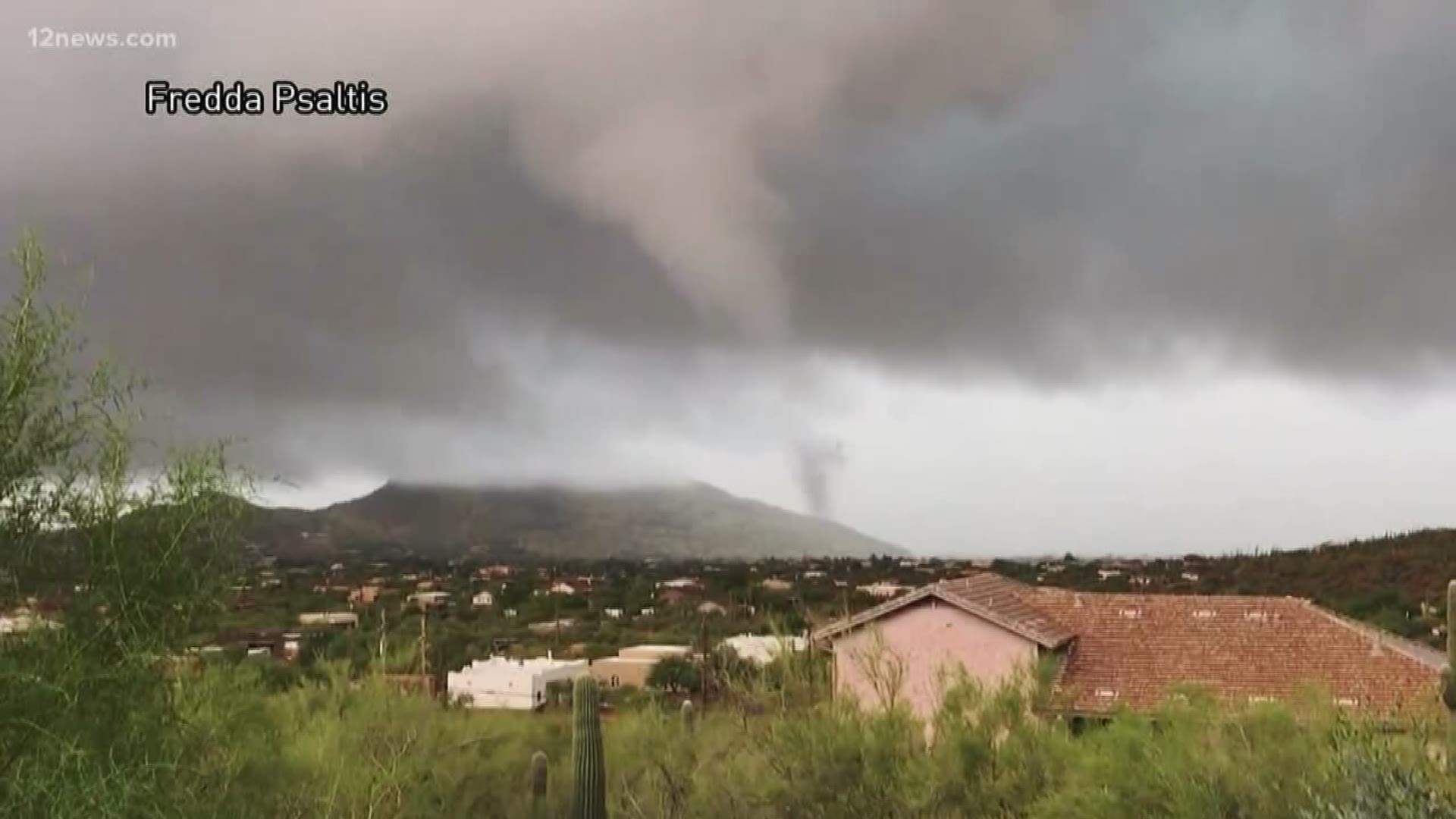
When planning a trip to the southwestern United States, most travelers envision endless sunshine, majestic desert landscapes, and the iconic Grand Canyon. The thought of tornadoes, typically associated with the flat plains of “Tornado Alley,” rarely crosses the mind. However, the question “Does Arizona have tornadoes?” is more nuanced than a simple yes or no. While it’s true that the state is not a hotspot for destructive twisters, Arizona does, in fact, experience tornadoes. Understanding the unique meteorological conditions that give rise to these events, their frequency, and intensity is crucial for any discerning traveler seeking to fully comprehend and safely navigate the diverse climate of the Grand Canyon State. This exploration aims to provide insightful clarity for those looking to explore Arizona with confidence, ensuring that potential weather phenomena are understood within the broader context of a safe and enjoyable travel experience.

The Reality of Tornadoes in the Grand Canyon State
The popular image of Arizona as a perpetually sunny, arid desert often leads to a misconception that severe weather, especially tornadoes, is absent. This couldn’t be further from the truth, though the context differs significantly from other parts of the country.
Dispelling the Desert Myth
Arizona is far more geographically diverse than many realize. While the Sonoran Desert dominates the southern and western portions, the central and northern regions boast mountains, forests, and high plateaus. This varied topography creates microclimates and atmospheric conditions that can, under the right circumstances, foster tornado development. The idea that tornadoes cannot form in mountainous or desert terrain is a persistent myth; while less common, they are not impossible. It’s important for travelers to recognize that extreme weather events, though rare, can occur across the state’s varied landscapes.
Frequency and Intensity: A Closer Look
Compared to states in the Midwest or Southeast, Arizona’s tornado count is remarkably low. On average, the state experiences only a handful of tornadoes per year, typically ranging from 3 to 5. Crucially, the vast majority of these are weak, short-lived events, often rated EF0 or EF1 on the Enhanced Fujita scale. These “weak” tornadoes are still capable of causing damage, such as downed trees, minor structural harm, or overturned vehicles, but they rarely reach the destructive intensity of the EF3, EF4, or EF5 tornadoes seen in other parts of the U.S.
The infrequency and lower intensity mean that the risk to travelers is exceedingly low. Major cities like Phoenix and Tucson have experienced tornadoes, but these are isolated incidents rather than common occurrences. The last significant tornado to strike Arizona with an EF2 rating was in 2010, affecting parts of Mesa. Such events are infrequent enough that they remain notable historical occurrences rather than routine weather phenomena.
Geographic Distribution within Arizona
Tornadoes in Arizona are not uniformly distributed. While any part of the state could theoretically see a tornado, they tend to occur more frequently in the central and northern high country, particularly areas that receive more moisture and have terrain that interacts with storm systems. This includes regions around Flagstaff and the Mogollon Rim, where cooler temperatures and higher elevations can contribute to thunderstorm development. The southeastern part of the state also sees occasional activity.
Conversely, the extremely arid southwest, including cities like Yuma, experiences even fewer tornado events due to the consistent lack of moisture and atmospheric instability required for their formation. Understanding these regional differences can help travelers put the risk into perspective based on their specific itinerary.
Types of Tornadoes and Atmospheric Conditions in Arizona
The nature of tornadoes in Arizona is often distinct from the classic supercell-driven tornadoes of the Great Plains, shaped by the state’s unique geography and monsoon climate.
Landspouts vs. Supercells
The majority of tornadoes observed in Arizona are what meteorologists call “landspouts.” Unlike supercell tornadoes, which form from rotating updrafts within powerful, organized thunderstorms (mesocyclones), landspouts form from pre-existing circulation at the surface, which is then stretched vertically by a rapidly developing cumulus cloud or weak thunderstorm. These are typically weaker, narrower, and shorter-lived than supercell tornadoes and do not require the intense wind shear associated with supercells. They are more analogous to waterspouts over land. Their relatively benign nature is a key reason why Arizona’s tornado statistics show a high number of weak events.
Monsoon Season and Microbursts: A Different Kind of Storm
The Arizona monsoon season, typically from mid-June through September, is a period of heightened atmospheric activity. Characterized by increased humidity, daily thunderstorms, and sometimes torrential rain, this season brings the most significant potential for severe weather. While landspouts can occur during the monsoon, another phenomenon, microbursts, is far more common and often confused with tornadoes.
Microbursts are powerful downdrafts of air that spread out rapidly upon hitting the ground, producing damaging straight-line winds. These winds can be as strong as or even stronger than a weak tornado, flattening trees, damaging roofs, and creating localized dust storms (haboobs). Travelers might encounter these powerful, sudden storms more frequently than actual tornadoes. Understanding the difference is crucial for safety: while both can cause damage, their formation and atmospheric signatures are distinct.

The Role of Orography
Arizona’s mountainous terrain, or orography, plays a significant role in its weather patterns. The interplay between dry desert air, moist monsoon air, and the lifting effects of mountains can create localized instability. For instance, the terrain of the Colorado Plateau in northern Arizona and the ranges along the Mogollon Rim can enhance the development of thunderstorms, which are the precursors to both landspouts and microbursts. While mountain ranges can sometimes disrupt the large-scale atmospheric conditions needed for classic supercell formation, they can also contribute to the more localized, terrain-influenced severe weather seen in the state.
Preparedness for Travelers: Safety and Awareness
While the risk of encountering a tornado in Arizona is low, being prepared for any severe weather event is a hallmark of responsible travel. For those exploring the state, particularly during the monsoon season, a basic understanding of safety protocols is prudent.
Monitoring Weather Alerts
The most effective way to stay safe is to remain informed. Before and during your travels, regularly check weather forecasts from reliable sources like the National Weather Service (NWS). Many smartphone apps provide real-time weather alerts and warnings. If a tornado watch is issued for your area, it means conditions are favorable for tornadoes to develop, and you should monitor the situation closely. A tornado warning means a tornado has been sighted or indicated by radar, requiring immediate action. While rare, being aware of these distinctions is vital. Hotels and local news channels are also excellent resources for local weather updates.
Identifying Safe Havens
In the unlikely event of a tornado warning, knowing where to seek shelter is paramount. If you are outdoors, try to get inside a sturdy building immediately. Avoid mobile homes, vehicles, and temporary structures, as these offer little protection. If in a multi-story building, head to the lowest floor, ideally an interior room, closet, or hallway away from windows. Basements or storm shelters are ideal, but not common in many parts of Arizona due to the low tornado frequency and rocky soil. If caught in a vehicle with no sturdy shelter nearby, lie down in a ditch or other low-lying area and cover your head, away from the vehicle.
General Storm Safety Tips for Arizona Travel
Beyond tornadoes, Arizona summer storms can bring other hazards. Flash flooding is a significant concern, especially in washes and canyons, and can be deadly. Never drive through flooded roads. High winds from microbursts can kick up dust, reducing visibility to zero, creating hazardous driving conditions. If caught in a dust storm (haboob), pull safely off the road, turn off your lights, and take your foot off the brake to avoid being rear-ended. Lightning is also a serious threat during thunderstorms; seek shelter indoors and avoid open fields, tall trees, and metal objects. Being aware of these broader storm safety guidelines will enhance your overall travel safety in Arizona.
Planning Your Trip: Arizona’s Weather Beyond Tornadoes
Understanding Arizona’s climate is key to a rewarding travel experience, far beyond the rare consideration of tornadoes. The state offers incredible diversity, and knowing what to expect seasonally can significantly enhance your trip.
Best Times to Visit
The prime travel seasons for Arizona generally fall outside the peak monsoon months, primarily from October through April. During these months, the desert regions experience comfortable, mild temperatures, perfect for hiking, exploring national parks, and enjoying outdoor attractions. The northern parts of the state, like Flagstaff, are beautiful in spring and fall, offering pleasant temperatures before the summer heat or winter snows set in. While the monsoon season (July-September) can bring dramatic thunderstorms and vibrant sunsets, it also means higher humidity and the potential for flash floods, microbursts, and, very rarely, landspouts. If you travel during this period, embrace the unique spectacle of desert storms but always prioritize safety.
Understanding Arizona’s Diverse Climate Zones
Arizona is often thought of as uniformly hot and dry, but its climate zones are remarkably varied:
- Low Desert (e.g., Phoenix, Tucson, Yuma): Characterized by very hot summers and mild winters. This is where most of the state’s population resides.
- High Desert/Plateau (e.g., Flagstaff, Grand Canyon, Mogollon Rim): Cooler temperatures year-round, with snowy winters and pleasant summers. This region experiences more frequent thunderstorms during the monsoon and is where most of Arizona’s tornadoes occur.
- Mountainous Regions: Even higher elevations, offering cooler temperatures and significant snowfall in winter.
This diversity means that your weather experience will vary greatly depending on where and when you travel within the state. Packing layers and checking localized forecasts are always good advice.
Enjoying Arizona Safely and Confidently
Ultimately, the statistical reality is that tornadoes pose a negligible threat to travelers in Arizona. The state’s natural beauty, cultural richness, and endless outdoor activities far outweigh the minimal risk of severe weather. By being generally aware of weather patterns, particularly during the monsoon season, and taking simple precautions like checking forecasts and understanding basic storm safety, you can confidently enjoy all that Arizona has to offer. The insight gained into Arizona’s unique climate will not only prepare you for the unexpected but also deepen your appreciation for the dynamic natural forces at play in this extraordinary travel destination.
In conclusion, while Arizona does experience tornadoes, they are rare, generally weak landspouts, and are far less a concern than other weather phenomena like flash floods or microbursts during the monsoon season. Travelers can plan their trips with confidence, armed with knowledge and a healthy respect for the diverse and sometimes powerful weather systems of the Grand Canyon State.
LifeOutOfTheBox is a participant in the Amazon Services LLC Associates Program, an affiliate advertising program designed to provide a means for sites to earn advertising fees by advertising and linking to Amazon.com. Amazon, the Amazon logo, AmazonSupply, and the AmazonSupply logo are trademarks of Amazon.com, Inc. or its affiliates. As an Amazon Associate we earn affiliate commissions from qualifying purchases.