
Prospective students and their families frequently navigate a complex landscape of university application deadlines and admission plans. A common inquiry when considering a prestigious institution like Boston University is whether it offers an Early Action option. Understanding Boston University’s specific pathways is crucial for those eager to make Boston, Massachusetts, their future academic home.
The direct answer to “Does Boston University have Early Action?” is no. Boston University does not offer a traditional Early Action program. Instead, it provides two distinct Early Decision options – Early Decision I (ED I) and Early Decision II (ED II) – alongside its Regular Decision plan. This distinction is paramount, as Early Decision is a binding commitment, holding significant weight for both applicants and their families.
Beyond the application process, envisioning life as a student in such a vibrant city often includes considerations for travel, accommodation, and exploring local culture. For many, a campus visit to Boston University isn’t just about lecture halls; it’s an opportunity to immerse themselves in the rich historical tapestry and contemporary dynamism of Boston. This article will clarify Boston University’s admissions procedures, the nuances between Early Action and Early Decision, and offer insights into combining a campus visit with exploring this iconic New England city.
Decoding Boston University’s Admissions Landscape: Early Decision, Not Early Action
Understanding the specific terminology in college admissions is the first step toward a successful application. Many universities offer either Early Action or Early Decision, allowing students to apply and receive a decision earlier. However, the critical difference lies in the commitment required.
The Distinction Between Early Decision and Early Action
Early Action (EA) allows students to apply early and receive an admissions decision well before the Regular Decision notification date, typically in mid-December or January. It is non-binding, meaning if admitted, the student is not obligated to enroll and has until the National Candidate Reply Date (usually May 1st) to consider all options and compare financial aid packages. Early Action is favored by students who want an early indication of their admission chances without committing to a single university.
Early Decision (ED), on the other hand, is a binding agreement. Applying Early Decision means making a commitment to enroll at that institution if admitted. If Boston University offers admission under ED I or ED II, the applicant is expected to withdraw all other pending applications and commit to attending BU. Exceptions are typically only made if the financial aid package offered by the university makes attendance truly impossible, though it’s expected that families apply for financial aid concurrently with their ED application.
Boston University’s choice to offer Early Decision I and II, rather than Early Action, reflects its desire to admit students who have identified BU as their top choice and are prepared to commit. This approach often results in a higher yield rate for the university and demonstrates strong interest from applicants.
Key Deadlines and Decision Dates for Early Decision Applicants
For students who have thoughtfully determined that Boston University is their undeniable first choice, the Early Decision pathways present a unique opportunity. It’s imperative to mark these crucial dates, whether you’re a prospective student planning your submission or a parent coordinating a campus visit trip.
-
Early Decision I (ED I):
- Application Deadline: Typically November 1st.
- Decision Notification: Usually by mid-December.
- This option is for students ready to commit early in their senior year. The quick turnaround means students receive an answer before the winter holidays. For families considering a visit, coordinating a campus tour in the fall might align perfectly with this timeline, potentially combining it with enjoying the vibrant autumn foliage that blankets New England and the lively atmosphere of Boston during that season.
-
Early Decision II (ED II):
- Application Deadline: Typically January 4th.
- Decision Notification: Usually by mid-February.
- ED II serves students who needed more time to finalize their top choice. While the deadline is later, it still carries the same binding commitment as ED I. Visiting Boston during the winter months, although colder, offers a different charm – perhaps skating on Boston Common‘s Frog Pond or enjoying the festive lights of Beacon Hill after a campus tour.
Applicants to either ED I or ED II must submit all required materials, including transcripts, essays, letters of recommendation, and standardized test scores (if submitting them, as BU is test-optional for many programs). The binding agreement is formalized through an Early Decision Agreement Form, signed by the applicant, a parent/guardian, and a high school counselor, affirming the commitment to enroll if admitted.
The Regular Decision Track: Flexibility and Full Consideration
For students who prefer to keep their options open, are not yet ready for a binding commitment, or simply need more time to refine their applications, Boston University offers the Regular Decision pathway.
- Application Deadline: Typically January 4th.
- Decision Notification: Usually by late March.
- Reply Date: May 1st (National Candidate Reply Date).
The Regular Decision track provides maximum flexibility. Students can apply to multiple institutions and compare admission offers, including financial aid packages, before making their final choice by May 1st. This is particularly appealing for those who want to explore all their opportunities, or perhaps for international students needing more time to secure visas or plan relocation to the United States.
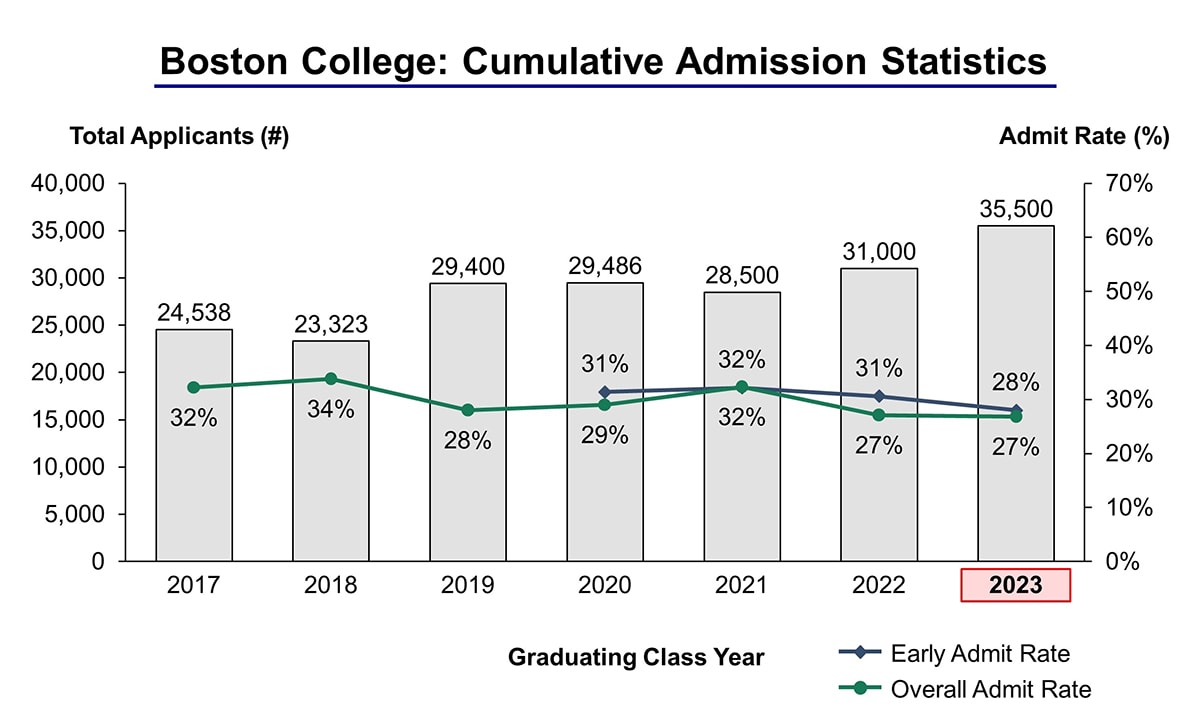
While the acceptance rate for Regular Decision applicants can sometimes be statistically lower than for Early Decision, it doesn’t diminish the quality of admitted students. It reflects the larger applicant pool and the university’s strategy to secure its most committed students early on. For families planning a visit to Boston in the spring, the city bursts into life, offering pleasant weather for strolls along the Charles River Esplanade or exploring the historic streets of Beacon Hill and the North End.
Beyond the Application: Exploring the Boston University Experience
Choosing a university is about more than deadlines; it’s about envisioning your next four years of growth, learning, and discovery. Boston University offers a vibrant academic environment nestled within one of America’s most historic and dynamic cities.
Why Consider Early Decision for Boston University?
Applying Early Decision to Boston University is a strategic move with several potential advantages, especially if BU genuinely stands as your dream school.
Firstly, it demonstrates an exceptionally high level of interest and commitment to the university. Admissions committees often view ED applicants favorably because they know these students are highly likely to enroll if admitted. This can sometimes translate into a slightly higher acceptance rate for Early Decision candidates compared to the Regular Decision pool, though Boston University emphasizes that academic standards remain rigorous.

Secondly, receiving an early decision can significantly reduce the stress of the college application process. Knowing your college destination by December (for ED I) or February (for ED II) allows you to enjoy the rest of your senior year, focusing on academics and preparing for the transition.
Lastly, for families who have thoroughly researched BU’s financial aid policies and run net price calculators, applying ED implies a willingness to accept the potential financial aid package. While financial aid is a crucial consideration, applying ED means you are prepared for the outcome, barring unforeseen circumstances that render the aid package insufficient. Boston University strives to meet the demonstrated financial need of its admitted students, and applying Early Decision does not put applicants at a disadvantage for aid.
Preparing Your Application: Tips for Success
Regardless of your chosen application plan, a strong application is paramount. Here are some tips to maximize your chances of admission to Boston University:
- Academic Excellence: BU is a highly selective institution. Maintain a strong GPA in challenging courses, including AP, IB, or honors classes.
- Compelling Essays: Your essays are your opportunity to showcase your personality, passions, and why you believe Boston University is the right fit. Be authentic and specific. Consider how your aspirations align with BU’s programs and the vibrant opportunities available in Boston.
- Strong Recommendations: Choose teachers and counselors who know you well and can speak to your academic abilities and potential contributions.
- Meaningful Extracurriculars: Demonstrate consistent involvement and leadership in activities that genuinely interest you. Quality over quantity is key.
- Demonstrated Interest: Beyond Early Decision, showing interest can include visiting campus, attending virtual information sessions, and engaging with admissions representatives. For those planning a campus visit, remember it’s an opportunity to gather information and demonstrate enthusiasm.
Making the Most of Your Campus Visit: A Tourist’s Guide to Boston
For many prospective students, the university campus isn’t just a place of learning; it’s a future home. Visiting Boston University offers an invaluable opportunity to experience the campus atmosphere, explore the surrounding areas, and truly envision life as a Terrier. When you make the trip to Boston, it’s also an excellent chance to embrace the city’s unique charm, rich history, and dynamic culture.
Planning Your Stay: Accommodation and Logistics
Boston is a major tourist destination, so planning your visit, especially around peak college tour seasons (fall and spring), is essential.
-
Accommodation:
- Near Campus: Areas like Kenmore Square, Fenway, and Back Bay offer convenient access to Boston University. You’ll find a range of options from boutique hotels to larger chains. Consider hotels such as the Eliot Hotel in Back Bay for a luxurious stay or the Hotel Commonwealth in Kenmore Square which is very close to campus.
- Downtown/Waterfront: For those wanting to be closer to Boston’s historic sites and a wider array of dining, areas like Downtown Crossing or the Seaport District offer numerous hotels, including the Boston Harbor Hotel or the Omni Parker House. While further from campus, Boston’s excellent public transportation makes these viable options.
- Budget-Friendly Options: Consider hotels slightly outside the immediate city center or explore apartment rentals for longer stays. Booking in advance, especially during university open house weekends or major Boston events like the Boston Marathon, is highly recommended.
-
Transportation: Boston is very walkable, but its public transportation system, the MBTA (affectionately known as “the T”), is extensive and efficient. The Green Line tram runs directly through the Boston University campus, connecting it to downtown, Cambridge, and many other neighborhoods. For arrivals, Logan International Airport (BOS) is just a short ride away, easily accessible by public transport or ride-shares.
Discovering Boston’s Rich History and Culture
A trip to Boston University wouldn’t be complete without experiencing the city itself. Boston is a treasure trove of American history and a hub of contemporary culture.
- Historical Landmarks: Embark on the Freedom Trail, a 2.5-mile red-lined path that leads you through 16 historically significant sites, including the Paul Revere House, Faneuil Hall, and the site of the Boston Massacre. Explore the charming streets of Beacon Hill with its gas lamps and brick row houses, or relax in the lush greenery of Boston Common and the Public Garden.
- Museums and Arts: Immerse yourself in art and history at the Museum of Fine Arts or the exquisite Isabella Stewart Gardner Museum. Catch a show in the Theatre District, or enjoy live music in one of Boston’s many venues.
- Culinary Adventures: Boston’s food scene is diverse and delicious. Don’t miss fresh seafood, especially clam chowder and lobster rolls. Wander through the historic North End, Boston’s Little Italy, for authentic Italian pastries and pasta. For upscale dining, the Back Bay and Seaport District boast acclaimed restaurants.
Experiencing the University Lifestyle
Boston University itself is a microcosm of Boston’s vibrant energy. Its campus stretches along the Charles River, blending into the urban fabric.
- Student Life & Academics: Talk to current students for an authentic perspective. Explore the Fitness & Recreation Center or catch a Terriers game. Attend an information session or sit in on a class to feel the teaching style. BU is known for strong programs across disciplines.
- Beyond Campus: BU’s location offers unparalleled access to internships, cultural institutions, and entertainment. Catch a Boston Red Sox game at historic Fenway Park, or explore the intellectual hub across the river in Cambridge, home to Harvard University and the Massachusetts Institute of Technology (MIT). This urban campus experience provides a blend of rigorous academics with real-world exposure and a dynamic social life.
Important Considerations for Prospective Students and Families
Making a college decision is monumental, especially with a binding commitment like Early Decision. Beyond the allure of a prestigious university and captivating city, practical considerations play a vital role.
Financial Aid and Early Decision: What You Need to Know
A common misconception is that applying Early Decision might disadvantage students regarding financial aid. This is generally not true for need-aware institutions like Boston University that are committed to meeting the demonstrated financial need of their admitted students.
- Need-Based Aid: Boston University uses your family’s financial information (FAFSA and CSS Profile) to determine your Expected Family Contribution (EFC) and calculate your need. Your application plan (ED vs. RD) does not typically influence the amount of need-based aid you receive.
- Merit-Based Aid: While BU offers some merit scholarships, they are highly competitive. For ED applicants, the financial aid package presented with an admission offer is generally the final offer, barring significant changes to family finances. If the aid package genuinely makes attending impossible, an admitted ED student can be released from their binding agreement, but this is an exception.
- Transparency: Utilize BU’s net price calculator well in advance. This tool provides a personalized estimate of your potential financial aid package and out-of-pocket costs, helping families make an informed decision before committing to a binding Early Decision application. This transparency is critical for budget-conscious families planning tuition, lifestyle, and travel costs in a major city like Boston.
The Overall Fit: Is Boston University Right for You?
Ultimately, the question of “Does Boston University have Early Action?” leads to a deeper inquiry: Is Boston University the right fit for you? The decision to apply Early Decision is not one to be taken lightly; it requires absolute certainty that BU is where you want to spend your collegiate years.
Reflect on what you seek in a university experience:
- Do you thrive in a large, urban environment with endless opportunities for cultural immersion and professional development?
- Are you excited by a university with a diverse student body and a wide array of academic programs?
- Does the blend of rigorous academics, a bustling city lifestyle, and a strong sense of community resonate with your personal and academic goals?
A careful consideration of these factors, combined with thorough research and ideally a comprehensive campus visit (where you can truly experience the city and the university firsthand), will guide you to the right decision. Whether you choose Early Decision I, Early Decision II, or Regular Decision, the journey to Boston University promises to be an exciting chapter, offering not just an education but an immersive lifestyle experience in one of the United States’ most captivating cities.
LifeOutOfTheBox is a participant in the Amazon Services LLC Associates Program, an affiliate advertising program designed to provide a means for sites to earn advertising fees by advertising and linking to Amazon.com. Amazon, the Amazon logo, AmazonSupply, and the AmazonSupply logo are trademarks of Amazon.com, Inc. or its affiliates. As an Amazon Associate we earn affiliate commissions from qualifying purchases.