
Nestled in the picturesque North Bay region of California, Napa Valley stands as a globally renowned destination, synonymous with exquisite wine, gourmet dining, and breathtaking landscapes. For travelers worldwide, understanding its exact location is the first step towards planning an unforgettable escape to this coveted corner of the San Francisco Bay Area. More than just a dot on the map, Napa Valley is a vibrant tapestry of culture, luxury, and natural beauty, offering diverse experiences that cater to every type of visitor, from the discerning wine connoisseur to the adventurous nature enthusiast.
This article serves as your comprehensive guide to discovering Napa Valley, exploring its precise geographical placement, delving into its myriad attractions, and offering insights into the best ways to travel, stay, and immerse yourself in its unique lifestyle. Whether you’re contemplating a romantic getaway, a family adventure, or a solo exploration of America’s premier wine region, knowing “where is Napa Valley?” is merely the beginning of a truly remarkable journey.
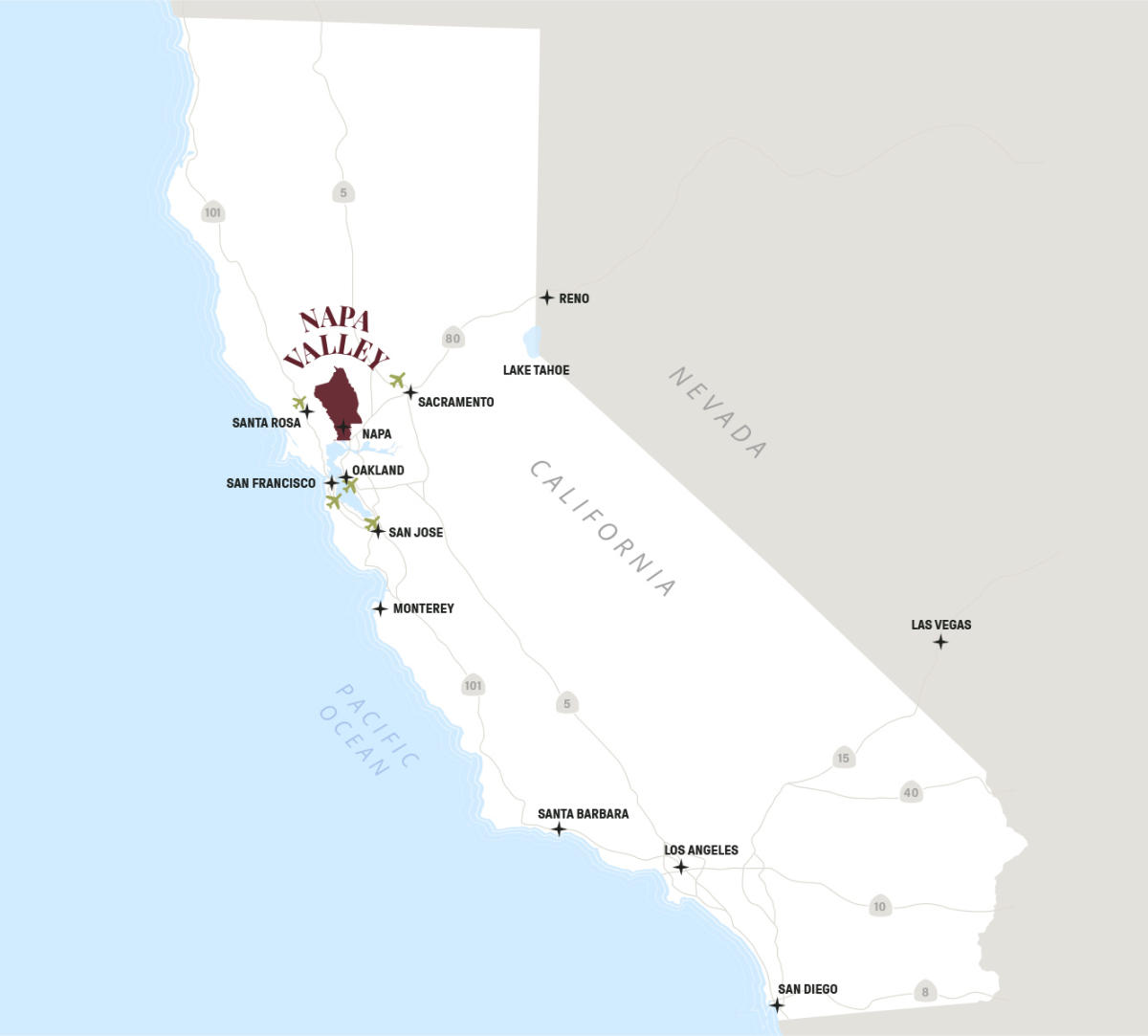
Unveiling the Location: The Heart of Wine Country
Napa Valley is geographically situated approximately 50 miles (80 kilometers) north of San Francisco and 60 miles (97 kilometers) southwest of Sacramento, making it an accessible retreat from two of California’s major urban centers. This prime location in the North Bay provides a distinct climate and terroir that are exceptionally conducive to viticulture, establishing its reputation as a world-class American Viticultural Area (AVA).
Geographic Coordinates and Accessibility
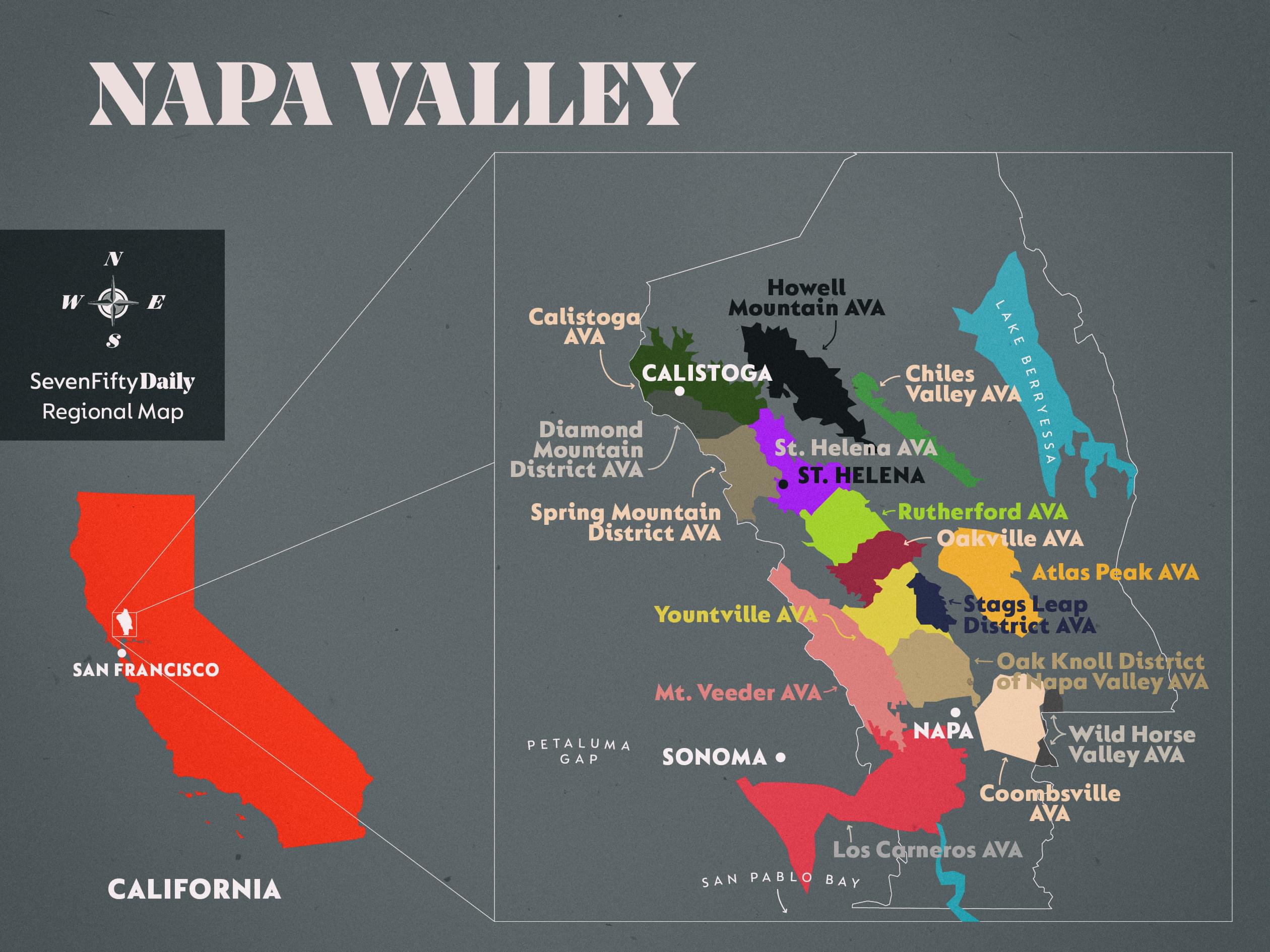
The valley itself is a narrow, elongated depression, roughly 30 miles long and just a few miles wide in most places. It runs from the city of Napa in the south to Calistoga in the north, bordered by the Mayacamas Mountains to the west and the Vaca Mountains to the east. The Napa River meanders through its floor, contributing to the fertile soil and unique microclimates that define the region.
Reaching Napa Valley is straightforward. For international and long-distance domestic travelers, the closest major airports are San Francisco International Airport (SFO), Oakland International Airport (OAK), and Sacramento International Airport (SMF). All offer various ground transportation options, including rental cars, shuttle services, and ride-sharing, providing convenient access to the valley via scenic routes like Highway 29 and Silverado Trail. This accessibility makes Napa Valley a popular choice for weekend getaways and longer vacations, fitting perfectly into travel itineraries focused on exploring California’s diverse attractions.
Neighboring Regions and Major Cities
While Napa Valley holds a singular allure, its proximity to other significant regions enhances its appeal as a central point for broader Californian explorations. To its west lies Sonoma Valley, another celebrated wine region in Sonoma County, offering a slightly different, often more rustic, wine experience. Travelers frequently combine visits to both valleys to compare their distinct characteristics and offerings. Further north are Mendocino County and Lake County, also known for their burgeoning wine industries and pristine natural landscapes.
The main towns within Napa Valley itself include Napa (the largest city and administrative center), Yountville, St. Helena, Rutherford, Oakville, and Calistoga. Each of these communities possesses its own distinct charm, from the bustling urban amenities of Napa to the upscale tranquility of Yountville and the rustic, spa-centric atmosphere of Calistoga. Understanding their individual characters is crucial for travelers planning their itinerary and choosing the ideal base for their Napa Valley adventure.
The Allure of Napa Valley: Beyond the Grapevine
While wine is undeniably the magnet that draws millions to Napa Valley each year, the region offers a wealth of experiences extending far beyond its celebrated vineyards. Its commitment to excellence permeates every aspect of tourism, from its world-class culinary scene to its luxurious accommodations and diverse recreational opportunities.
A Legacy of World-Class Wineries
Napa Valley is home to more than 400 wineries, ranging from intimate, family-run estates to expansive, internationally recognized brands. These establishments are more than just places to taste wine; they are architectural marvels, historical landmarks, and centers of viticultural innovation. Visitors can explore iconic names like Robert Mondavi Winery, a pioneer in bringing quality Napa Valley wines to global attention, or delve into the rich history of Charles Krug Winery, Napa Valley’s oldest operating winery. For those seeking unique experiences, Castello di Amorosa offers a taste of Tuscany in a 13th-century-style castle, while Opus One Winery represents a collaboration between two legendary winemaking families, crafting ultra-premium Cabernet Sauvignon.
Tasting experiences vary widely, from casual drop-in tastings to private tours, barrel tastings, and food-and-wine pairing seminars. Many wineries, such as V. Sattui Winery, feature picnic areas, delis, and shops, inviting guests to linger and enjoy the valley’s ambiance. Understanding the diversity of these offerings is key for travelers looking to tailor their wine tourism experience, whether they prefer the grandeur of large estates or the intimate charm of boutique producers.
Culinary Delights and Farm-to-Table Experiences
Napa Valley’s reputation for gastronomic excellence rivals its standing in the wine world. The region boasts an extraordinary concentration of Michelin-starred restaurants and innovative eateries, often championing a farm-to-table philosophy that emphasizes fresh, locally sourced ingredients. Yountville, in particular, is a culinary hotspot, home to celebrated establishments like The French Laundry, a world-renowned temple of modern American cuisine.
Beyond haute cuisine, the valley offers a vibrant array of dining options, from casual bistros and charming cafes to artisan bakeries and bustling markets. Oxbow Public Market in Napa is a must-visit, featuring local vendors selling everything from artisanal cheeses and gourmet chocolates to fresh seafood and craft beer. This rich culinary landscape perfectly complements the wine experience, allowing visitors to indulge in exquisite pairings and savor the region’s agricultural bounty. Travelers can explore diverse food activities, including cooking classes, culinary tours, and visits to local farms, deepening their appreciation for Napa Valley’s commitment to quality food.
Natural Beauty and Outdoor Activities
Beyond its vineyards and restaurants, Napa Valley is blessed with stunning natural beauty, offering a plethora of outdoor activities. The rolling hills, verdant forests, and panoramic vistas provide a scenic backdrop for cycling, hiking, and hot air ballooning. Popular spots like Bothe-Napa Valley State Park offer extensive hiking trails, redwood groves, and even yurt and cabin rentals for an immersive nature experience. Skyline Wilderness Park, located near the city of Napa, provides miles of trails for hiking, mountain biking, and horseback riding, along with spectacular views of the valley.
For a truly unforgettable perspective, hot air balloon rides offer breathtaking sunrise views over the vineyards and mountains, an experience that embodies the luxury travel aspect of Napa Valley. The Napa River itself provides opportunities for kayaking and paddleboarding, allowing visitors to explore the valley from a unique vantage point. These natural attractions ensure that Napa Valley caters not only to epicureans but also to those seeking adventure and tranquility amidst stunning landscapes.
Planning Your Napa Valley Escape: Travel & Accommodation
Successfully navigating Napa Valley requires thoughtful planning, especially when it comes to travel logistics and accommodation choices. The region offers a spectrum of options, from opulent resorts to charming boutique hotels, each designed to enhance the visitor experience.
Finding Your Perfect Stay: Hotels, Resorts, and Unique Accommodations
Accommodation in Napa Valley is as diverse and luxurious as its wines. For those seeking an opulent experience, resorts like Auberge du Soleil in Rutherford offer unparalleled service, stunning views, and world-class dining, often with amenities such as spas, pools, and private terraces. Meadowood Napa Valley provides a secluded, estate-like atmosphere with golf, tennis, and a renowned spa. Other popular choices include Silverado Resort and Spa, Meritage Resort and Spa, and Bardessono Hotel and Spa in Yountville, known for its commitment to sustainability.
Boutique hotels and inns, such as The Carneros Inn and Archer Hotel Napa or Andaz Napa, provide a more intimate and personalized stay, often showcasing local art and design. For budget-conscious travelers or those planning long-term stays, vacation rentals, apartments, and charming bed-and-breakfasts offer excellent value without compromising on comfort or location. When booking, it’s advisable to compare reviews, consider specific amenities (such as pools, spas, or culinary experiences), and book well in advance, especially during peak seasons.
Navigating Napa: Transportation and Tours
While a rental car offers the most flexibility for exploring Napa Valley’s sprawling vineyards and towns, various alternative transportation options are available. The iconic Napa Valley Wine Train provides a luxurious and unique way to see the valley, offering gourmet meals and stops at select wineries. Tour operators offer guided excursions, often including transportation, wine tastings, and meals, which can be an excellent option for groups or those who prefer not to drive. Private drivers and limousine services are also popular, allowing visitors to indulge in tastings without concern for designated driving.
For a more active exploration, many hotels offer bicycle rentals, and dedicated bike paths wind through the vineyards. Ride-sharing services are available but can be sparse in more rural areas. Understanding these transportation alternatives is crucial for designing a seamless and enjoyable travel experience, aligning with individual preferences for convenience, luxury, or adventure.
Lifestyle Choices: Luxury, Budget, and Family Travel
Napa Valley caters to a wide array of travel lifestyles. For luxury travelers, the combination of five-star resorts, Michelin-starred dining, private winery tours, and exclusive experiences creates an unparalleled indulgent getaway. These experiences often prioritize privacy, bespoke services, and access to the finest the valley has to offer.
Conversely, a budget-friendly trip to Napa Valley is entirely possible with careful planning. Opting for less expensive accommodations outside the main towns, utilizing picnic lunches from local delis, choosing wineries with lower tasting fees, and exploring free attractions like scenic drives and hiking trails can significantly reduce costs.
Family trips to Napa Valley are also increasingly popular. Many wineries are family-friendly, offering grounds for children to explore, and some even have activities or grape juice tastings. Beyond wine, attractions like the Petrified Forest, various state parks, and engaging culinary experiences (e.g., Oxbow Public Market) provide entertainment for all ages. Planning with these diverse lifestyles in mind ensures that every visitor can curate their ideal Napa Valley experience.
Iconic Landmarks and Must-See Attractions
Beyond its primary identity as a wine region, Napa Valley is dotted with numerous landmarks and attractions that enrich any visitor’s itinerary, offering glimpses into its history, culture, and natural grandeur.
Historical Sites and Architectural Gems
The history of Napa Valley’s winemaking is deeply intertwined with its architectural heritage. Many of the older wineries, like Charles Krug Winery and Beringer Vineyards (which I didn’t link before, so linking now), boast stunning historical buildings that showcase different eras of design and craftsmanship. The Bale Grist Mill State Historic Park offers a fascinating look into the valley’s agricultural past with a working water-powered mill.
In Napa city, the historic downtown area has undergone significant revitalization, featuring charming Victorian architecture, art galleries, and boutique shops. The Napa Art Walk showcases public art installations, adding a modern cultural layer to the traditional streetscapes. These landmarks provide context to the region’s development and offer cultural enrichment beyond the wine glass.
Renowned Wineries and Tasting Rooms
While all wineries in Napa Valley offer unique experiences, certain ones stand out as landmarks in their own right due to their historical significance, architectural beauty, or exceptional wines. Stag’s Leap Wine Cellars, famous for its victory in the 1976 Judgment of Paris, is a pilgrimage site for serious wine lovers. Domaine Chandon offers a different experience, specializing in sparkling wines in a beautiful, park-like setting.
Many wineries offer guided tours that delve into their history, winemaking processes, and unique terroirs, transforming a simple tasting into an educational journey. Guests can choose to focus on specific varietals, explore different sub-appellations, or simply enjoy the ambiance of grand estates or quaint, family-owned vineyards. These tasting rooms are not just points of sale but crucial centers for understanding Napa Valley’s global impact on viticulture.
Cultural Experiences and Events
Napa Valley is a hub for cultural events throughout the year, adding another layer to its appeal. The Napa Valley Film Festival attracts cinephiles and industry professionals, showcasing independent films and documentaries. Music lovers flock to BottleRock Napa Valley, a premier music festival featuring top-tier artists across various genres. Numerous smaller festivals celebrate local food, art, and heritage, offering visitors a chance to engage with the local culture and community spirit.
Art galleries, performing arts venues, and culinary schools also contribute to the valley’s vibrant cultural scene. Exploring these events and institutions provides a deeper insight into the lifestyle and artistic endeavors of the region, ensuring that a trip to Napa Valley can be as culturally enriching as it is hedonistically delightful.
Experiencing Napa Valley: Tips for Tourists
To truly make the most of your visit to Napa Valley, a few practical tips can enhance your experience, ensuring a smooth, enjoyable, and memorable trip.
Best Time to Visit and Seasonal Highlights
The “best” time to visit Napa Valley largely depends on your preferences. Spring (March to May) offers lush green vineyards, blooming mustard fields, and comfortable temperatures, ideal for outdoor activities and fewer crowds than peak season. Summer (June to August) brings warm, sunny weather, perfect for alfresco dining and enjoying outdoor events, though it’s the busiest and most expensive time.
Fall (September to October) is harvest season, arguably the most exciting time to visit. The air is filled with the scent of fermenting grapes, and wineries are buzzing with activity. The vibrant autumn foliage adds to the scenic beauty, but accommodations and reservations are at their premium. Winter (November to February), the “off-season,” offers a quieter, more intimate experience with cozy fireside tastings, lower prices, and often crisp, clear days, though some attractions may have limited hours. Understanding these seasonal highlights helps travelers choose the perfect time to align with their desired experiences.
Local Insights and Hidden Gems
Beyond the well-trodden paths, Napa Valley holds numerous hidden gems that offer a more authentic or unique experience. Exploring side roads, visiting smaller, family-owned wineries that may not have widespread distribution, or seeking out local farmers’ markets can reveal unexpected delights. Asking locals for recommendations often leads to discovering quaint cafes, stunning viewpoints, or lesser-known hiking trails, enriching the tourism experience significantly.
For example, venturing off Highway 29 onto Silverado Trail offers a different perspective of the valley, often with less traffic and equally beautiful vineyards. Discovering charming towns like Pope Valley (not linked previously) outside the main corridor can provide a glimpse into a more rural, laid-back Napa Valley. These local insights are invaluable for travelers looking to move beyond typical tourist itineraries.
Budgeting and Planning Your Trip
While Napa Valley can be an expensive destination, careful budgeting and planning can make it accessible to various price points. As mentioned, consider visiting during the off-season for better deals on accommodation and experiences. Many wineries offer complimentary tastings with a purchase, or have tasting coupons available through local tourism offices. Packing picnics, utilizing happy hour specials at restaurants, and focusing on free activities can also help manage costs.
Booking accommodations, winery tours, and restaurant reservations well in advance, especially for popular spots or during peak season, is essential. Creating a flexible itinerary that balances scheduled activities with spontaneous exploration allows for both comprehensive sightseeing and moments of relaxed enjoyment. Remember to account for transportation costs, tasting fees, and dining expenses when calculating your overall budget for this remarkable travel destination.
In conclusion, “Where is Napa Valley California?” is a question that opens the door to a world-class travel destination. Its precise location in the North Bay makes it an accessible paradise for wine lovers, food enthusiasts, and nature seekers alike. From the rolling vineyards and Michelin-starred restaurants to luxurious accommodations and diverse outdoor activities, Napa Valley offers an experience that is both sophisticated and deeply rooted in its stunning natural environment. Planning your visit with an understanding of its geography, attractions, and practical considerations will undoubtedly lead to an unforgettable journey into the heart of California’s most celebrated wine country.
LifeOutOfTheBox is a participant in the Amazon Services LLC Associates Program, an affiliate advertising program designed to provide a means for sites to earn advertising fees by advertising and linking to Amazon.com. Amazon, the Amazon logo, AmazonSupply, and the AmazonSupply logo are trademarks of Amazon.com, Inc. or its affiliates. As an Amazon Associate we earn affiliate commissions from qualifying purchases.