
California, renowned globally for its sun-drenched beaches, iconic landmarks, innovative tech hubs, and vibrant cultural tapestry, stands as a dream destination for travelers from every corner of the globe. From the majestic redwoods of the north to the deserts of the south, and from the glittering lights of Hollywood to the serene vineyards of Napa Valley, the Golden State offers an unparalleled array of experiences. Visitors flock to its shores for diverse reasons: some seek luxury travel in Beverly Hills resorts, others embark on budget-friendly road trips along the Pacific Coast Highway, and many families plan unforgettable adventures at world-famous attractions like Disneyland.

Yet, beneath this glossy, aspirational surface, California is also a state grappling with complex social and legal issues, reflective of its immense size and diverse population. One such issue, often a subject of intense debate and public scrutiny, is the status of the death penalty. While it might seem a distant concern for most tourists booking their next stay at a boutique hotel in San Francisco or planning a hike in Yosemite National Park, the legal framework of any destination can subtly influence its broader reputation and the narrative it presents to the world.
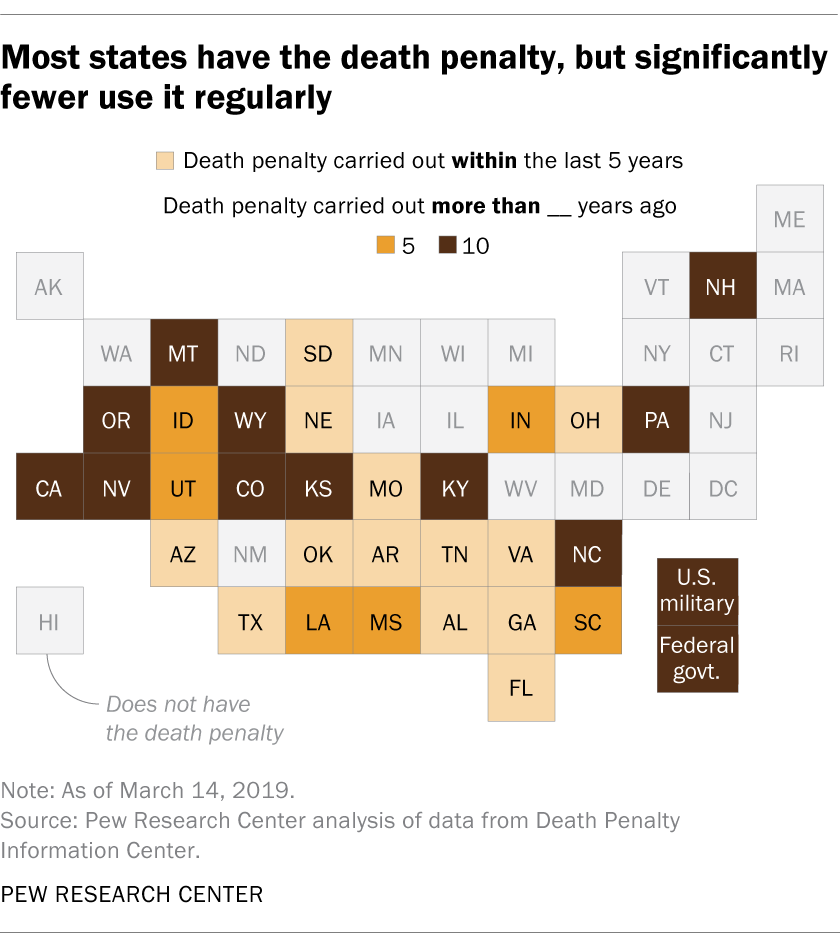
So, to directly answer the question: Yes, California legally does have the death penalty. However, its implementation has been mired in a unique state of paradox for many years, making the practical reality far more intricate than a simple yes or no. This distinction is crucial, not just for understanding the state’s judicial system, but also for appreciating the multifaceted lifestyle and cultural landscape that defines California.
The Legal Landscape: A State of Paradox
The question of capital punishment in California is not a straightforward one. While the death penalty is enshrined in the state’s law, its actual application has been halted for a considerable period, creating a unique legal and ethical conundrum. This situation reflects the deep divisions within the state’s populace and its political leadership on matters of justice and human rights. For travelers interested in the full scope of California’s identity, understanding this nuanced legal position adds another layer to the rich tapestry of the Golden State.
A Legacy of Capital Punishment
California has a long history of capital punishment, dating back to its early days as a state in the United States. Over the decades, hundreds of individuals have been sentenced to death. Notably, California currently holds the largest death row population in the Western Hemisphere, with hundreds of inmates awaiting execution. This significant number underscores the legal system’s historical propensity to issue death sentences, even as the actual executions have become increasingly rare. The presence of such a large death row, primarily housed at San Quentin State Prison, a historic and recognizable institution across the San Francisco Bay, serves as a stark reminder of this enduring legal framework. While not a tourist attraction itself, the prison’s iconic presence can be glimpsed from various points along the bay, subtly linking it to the region’s broader landscape and history.
The Moratorium and Governor Newsom’s Stance
Despite the legal presence of the death penalty and the substantial number of individuals on death row, California has not carried out an execution since 2006. This de facto moratorium was largely due to ongoing legal challenges concerning execution methods. The situation evolved dramatically in 2019 when Governor Gavin Newsom took a decisive step, issuing a formal executive order imposing a statewide moratorium on executions. This order also included the withdrawal of the state’s lethal injection protocols and the closure of the execution chamber at San Quentin State Prison.
Governor Newsom’s decision was rooted in his belief that capital punishment is immoral, costly, ineffective, and disproportionately applied. He argued that it constitutes cruel and unusual punishment and has been proven to be irreversible in cases of wrongful conviction. This action, while not repealing the death penalty itself (which would require a ballot measure or legislative action), effectively halted all executions during his tenure as governor. This formal pause creates a significant distinction, moving beyond simply a de facto halt to a clear policy stance from the state’s highest office. For travelers, this reflects a state government that, despite the legal framework, leans towards progressive values on human rights issues, which can subtly influence the state’s overall perception as a tolerant and forward-thinking destination for accommodation, tourism, and lifestyle choices.
Public Opinion and Voter Decisions
The path to Governor Newsom’s moratorium was not without significant public debate and conflicting voter mandates. California voters have had opportunities to weigh in on the death penalty through ballot initiatives, revealing a complex and often divided public sentiment. In 2012, Proposition 34, which sought to repeal the death penalty and replace it with life imprisonment without parole, was narrowly defeated. Four years later, in 2016, voters considered two competing propositions: Proposition 62, another measure to repeal the death penalty, and Proposition 66, which aimed to speed up the appeals process for death penalty cases. While Proposition 62 was defeated, Proposition 66 narrowly passed, indicating a public desire for a more efficient capital punishment system, even amidst ongoing legal and moral questions.
However, the implementation of Proposition 66 faced its own legal challenges and did not ultimately accelerate executions as intended. This series of events highlights the deeply ingrained nature of the debate in California’s political and social fabric. While voters have, at times, affirmed the death penalty’s existence or sought to streamline it, the practical and ethical hurdles to its application have proved substantial. This dynamic, where legal statutes are complicated by executive action and public sentiment, contributes to the unique character of California – a state that often pushes boundaries and engages in robust discussions about justice and societal values, aspects that subtly enrich the experience of traveling through or living in its diverse communities.
Beyond the Headlines: How Legal Status Intersects with California’s Image as a Travel Destination
For the vast majority of tourists and travelers, the intricacies of California’s death penalty laws are far from their minds when planning a trip. They are more likely to be focused on finding the perfect hotel near Universal Studios Hollywood, exploring the culinary scene in San Diego, or marveling at the natural beauty of Lake Tahoe. Yet, the broader legal and social environment of a destination can, even if subtly, contribute to its overall image and the comfort level of visitors. California’s progressive reputation and its ongoing debates over justice might shape perceptions in ways that, while not directly tied to individual travel plans, enhance or inform the overall lifestyle experience of being in the Golden State.
Perceptions of Safety and Justice
A state’s legal framework, particularly concerning serious crimes, can influence global perceptions of its safety and the fairness of its justice system. While the existence of the death penalty (or its moratorium) is unlikely to be a direct factor in a tourist’s decision to book a flight or choose a resort, a state’s approach to justice speaks to its underlying societal values. California’s move towards a moratorium, even with the legal death penalty still on the books, generally aligns with more progressive global trends away from capital punishment. This stance can contribute to an image of California as a state that values human rights and critical self-reflection, which might be appealing to international travelers who prioritize destinations with strong ethical standing.
Visitors seeking a sense of peace and security during their stays, whether in a luxury hotel in Los Angeles or a charming bed and breakfast in a coastal town, benefit from a perceived stable and just society. The debates surrounding the death penalty, while intense, are part of a broader democratic process that ensures legal scrutiny and public engagement, elements often associated with advanced societies. This might subtly reinforce a traveler’s comfort in choosing California for their next adventure, knowing that societal issues, however complex, are openly debated and addressed within a structured legal system.
Cultural Nuances and the Golden State Experience
California’s identity is deeply intertwined with innovation, diversity, and a certain liberal ethos. The ongoing dialogue surrounding the death penalty reflects a core aspect of this identity: a willingness to challenge norms and engage in profound ethical discussions. This cultural nuance, though abstract, can be part of the “experience” of California itself. It’s a state that doesn’t shy away from grappling with difficult questions, often leading the way in social and environmental policies.
For visitors interested in local culture beyond the immediate attractions, understanding these deeper currents adds richness to their travel. From the artistic communities of San Francisco to the vibrant tech scene of Silicon Valley and the diverse neighborhoods of Los Angeles, California champions a lifestyle that embraces complexity and progress. The state’s nuanced position on the death penalty fits within this broader narrative, showcasing a society that is dynamic, evolving, and deeply reflective. This perception can draw travelers who are looking for more than just scenic views and theme parks; they seek destinations with character, depth, and a compelling social narrative, which California undoubtedly provides.
Travel, Tourism, and the California Dream: A Deeper Look
When considering California as a premier global travel destination, it’s essential to contextualize the discussion about the death penalty within the broader spectrum of what draws millions of visitors annually. The state’s allure lies in its unparalleled natural beauty, iconic landmarks, diverse cultural offerings, and a hospitality sector designed to cater to every taste and budget. While legal frameworks form the foundation of any society, their direct impact on the day-to-day experience of a tourist is often minimal, especially when contrasted with the myriad attractions and services available.
Focus on Attractions, Not Legalities
Tourists visiting California are primarily drawn by its spectacular attractions and experiences. Their itineraries are filled with dreams of walking across the Golden Gate Bridge, exploring the wilderness of Yosemite National Park, riding the waves on a San Diego beach, or indulging in wine tasting in Napa Valley. Many aspire to see the stars on the Hollywood Walk of Fame or enjoy the thrill of Disneyland. These are the magnetic forces that fuel California’s tourism industry.
The legal status of the death penalty, while a significant domestic issue, rarely features on a traveler’s checklist. Tourism guides, travel blogs, and hotel booking sites focus on providing practical information about destinations, activities, and accommodations — not legal statutes. The focus remains on showcasing the vibrant local culture, the plethora of activities, and tips for making the most of a trip, whether it’s a luxury escape, a family adventure, or a budget-conscious exploration of natural wonders like Death Valley National Park or Joshua Tree National Park. The richness of California’s offerings ensures that the vast majority of visitors will immerse themselves in these experiences, with the legal nuances remaining in the background.
Accommodation Choices and Visitor Comfort
The accommodation sector in California is incredibly diverse, ranging from opulent five-star resorts in Malibu to charming vacation rentals, bustling urban hotels in Los Angeles, and quaint inns in historic towns. The primary concerns for travelers booking their stays revolve around location, amenities, price, reviews, and the overall comfort and safety of the establishment and its immediate surroundings.
A state’s general legal environment, including its approach to criminal justice, contributes to the overall sense of order and security, which is an indirect factor in visitor comfort. However, the specific debate around the death penalty does not typically influence a traveler’s decision to choose one type of accommodation over another. Instead, travelers rely on the general reputation of safety and the well-regulated nature of the hospitality industry within the state. California’s robust legal system, regardless of specific debates, ensures a framework of laws that protect both residents and visitors, fostering an environment where hotels, restaurants, and attractions operate under clear regulations. This foundational stability allows tourists to focus on enjoying their experiences, secure in the knowledge that they are visiting a well-governed and welcoming destination.

Conclusion: The Enduring Allure of California
To reiterate, California legally does have the death penalty. However, thanks to a de facto moratorium that began in 2006 and a formal executive order issued by Governor Gavin Newsom in 2019, executions are not currently being carried out, and the execution chamber at San Quentin State Prison has been closed. This creates a state of legal paradox, where the law exists on the books, but its implementation is effectively halted due to moral, legal, and political considerations. This complex situation reflects California’s unique position as a state often at the forefront of social and legal debates in America.
While this intricate legal detail is a significant aspect of California’s identity, it largely remains in the background for the millions of travelers who visit the Golden State each year. Tourists are drawn by the promise of diverse experiences: from the urban sophistication of San Francisco and Los Angeles, to the natural wonders of Yosemite National Park and the vibrant culture of San Diego. Whether planning a luxury stay at a beachfront resort, a family vacation to Disneyland, or a budget-friendly road trip through the state’s national parks, visitors focus on the countless attractions, diverse accommodation options, and rich cultural tapestry that California proudly offers.
The state’s progressive image, its commitment to open debate on challenging issues, and its well-established legal framework contribute to a perception of safety and a welcoming atmosphere that underpins its enduring appeal. The nuanced status of the death penalty is but one thread in the vast and colorful fabric that makes California an extraordinary destination. Ultimately, the Golden State continues to captivate hearts and minds around the world, inviting travelers to discover its unique blend of innovation, natural beauty, and vibrant lifestyle, largely unaffected by the legal intricacies debated in its capital, Sacramento.
LifeOutOfTheBox is a participant in the Amazon Services LLC Associates Program, an affiliate advertising program designed to provide a means for sites to earn advertising fees by advertising and linking to Amazon.com. Amazon, the Amazon logo, AmazonSupply, and the AmazonSupply logo are trademarks of Amazon.com, Inc. or its affiliates. As an Amazon Associate we earn affiliate commissions from qualifying purchases.