
Embarking on a culinary adventure can be as enriching as exploring a new destination. For many travelers, especially those venturing into the vibrant gastronomic landscape of the Southern United States, mastering the art of slow-cooked pork is a pilgrimage in itself. The undisputed king of this domain is the Boston Butt, a cut of pork shoulder renowned for its succulence and versatility, making it the star of countless barbecue feasts. Whether you’re staying in a charming Charleston Airbnb with a smoker, a self-catering apartment in Nashville equipped with an oven, or simply seeking to recreate a memorable meal from your travels, understanding the nuances of cooking a Boston Butt is essential. It’s more than just a recipe; it’s a patient journey that rewards with fork-tender, flavor-packed pulled pork, a staple of local culture and a testament to the slow-food lifestyle.
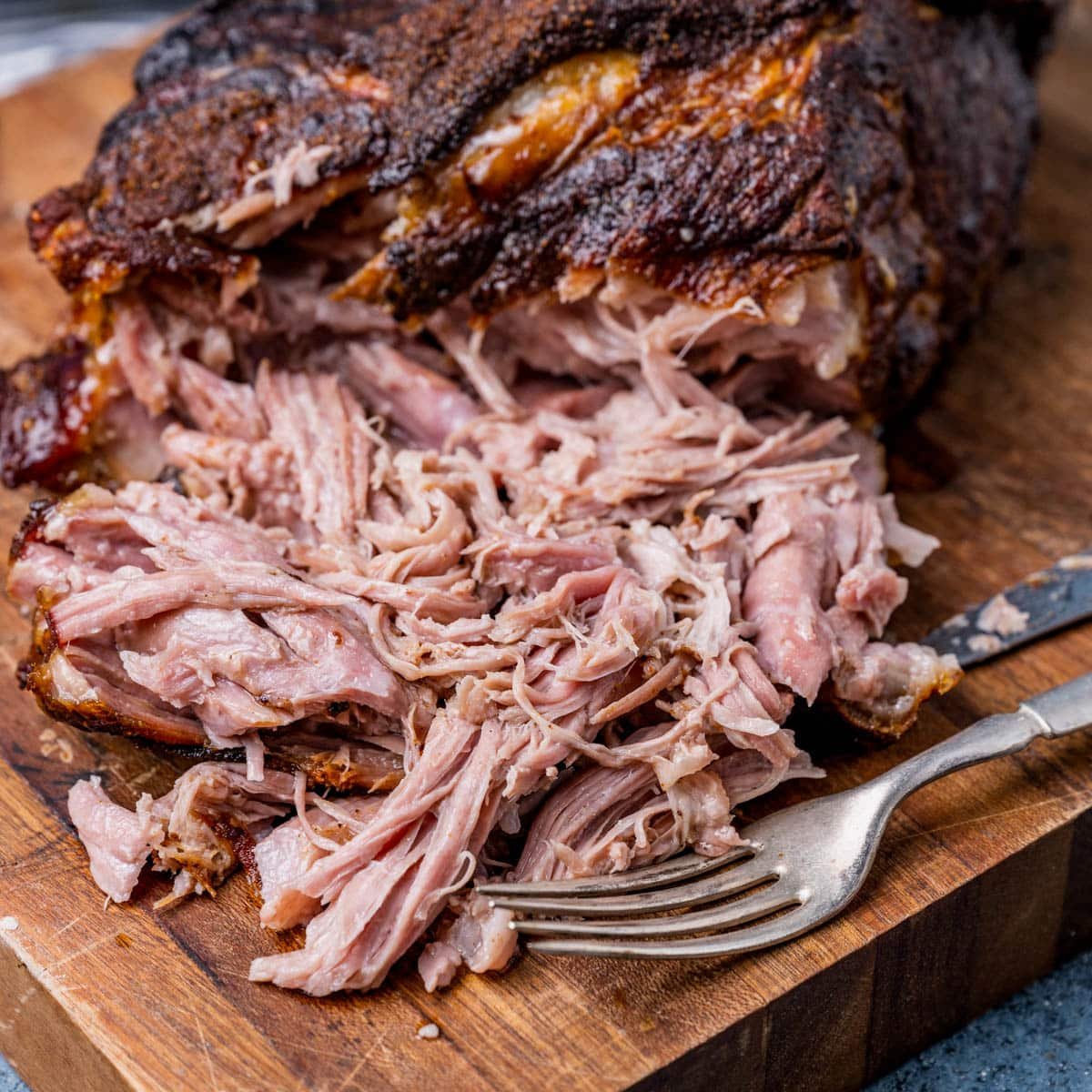
The allure of the Boston Butt lies in its ability to transform from a tough, marbled cut into a melt-in-your-mouth delicacy through low and slow cooking. This process, while seemingly straightforward, hinges critically on one primary question: how long does it actually take? The answer, as with many great culinary pursuits, isn’t a simple number. It’s an intricate dance of weight, temperature, cooking method, and desired tenderness. For those on an extended stay, looking to immerse themselves in local traditions, or simply yearning for a comforting taste of home, mastering this timing is key to unlocking a truly unforgettable dining experience. Let’s unravel the mystery behind cooking the perfect Boston Butt, ensuring your next culinary endeavor, whether at home or amidst your travels, is nothing short of spectacular.
Understanding the Boston Butt: A Culinary Journey
Before diving into the timings, it’s crucial to appreciate what a Boston Butt truly is and why it holds such a revered status in the world of barbecue. For the uninitiated, the name itself can be quite a riddle, especially for international travelers unfamiliar with American butchery terms.
What Exactly is a Boston Butt?
Despite its misleading name, the Boston Butt is not from the rear end of the pig. In fact, it’s a cut of pork from the upper part of the pig’s shoulder, including the shoulder blade bone. The “butt” moniker reportedly originates from pre-Revolutionary Boston, where butchers would pack less valuable cuts of pork into barrels known as “butts.” Over time, the name stuck, and this specific cut became known as the Boston Butt. It typically weighs between 6 and 10 pounds and is characterized by a rich marbling of fat and connective tissue. This composition is precisely what makes it ideal for slow cooking; the fat renders down, moistening the meat, while the connective tissues break down into gelatin, resulting in an incredibly tender and juicy product perfect for pulled pork.
Why the Boston Butt Reigns Supreme for Slow Cooking
The magic of the Boston Butt for slow cooking lies in its inherent structure. Unlike leaner cuts that would dry out under prolonged heat, the Boston Butt thrives in it. The abundant intramuscular fat acts as an internal basting mechanism, keeping the meat moist and flavorful throughout the extended cooking process. Furthermore, the high collagen content in the connective tissues requires significant time and gentle heat to break down. When this transformation occurs, the collagen melts into gelatin, giving the pulled pork its characteristic succulence and rich mouthfeel. This makes it an incredibly forgiving cut, ideal for those who might be juggling sightseeing with a slow-cooker meal in their vacation rental or even for experienced pitmasters crafting their next masterpiece.
Embracing Local Flavors: Where Pulled Pork Shines
Pulled pork, with the Boston Butt as its foundation, is deeply ingrained in the culinary fabric of many regions, particularly across the Southern United States. From the vinegar-based sauces of the Carolinas to the sweet and smoky profiles of Kansas City and the dry-rubbed tradition of Memphis, each region boasts its unique style and preparation techniques. Exploring these regional variations is a highlight for many food-focused travelers, often leading them to quaint local eateries or bustling food festivals. Preparing a Boston Butt yourself allows you to tap into this rich heritage, whether you’re replicating a beloved barbecue joint’s recipe or experimenting with your own twist on a classic. It’s a way to bring a piece of local culture directly into your kitchen, enhancing your travel memories.
The Core Question: Decoding Cooking Times
Now, to the heart of the matter: how long will this magnificent cut of pork demand your patience? As previously mentioned, a definitive, one-size-fits-all answer is elusive. The cooking time for a Boston Butt is a dynamic variable, influenced by several critical factors. Understanding these elements is paramount to planning your cooking schedule, especially if you’re preparing a meal for a group during your travels or managing limited kitchen resources.
Factors Influencing Your Cooking Schedule
- Weight & Size: This is arguably the most significant determinant. A smaller 6-pound butt will cook faster than a larger 10-pound one. Generally, you can estimate cooking time per pound, but larger cuts might require slightly less time per pound due to their mass retaining heat more efficiently.
- Cooking Temperature: Lower temperatures require longer cooking times but result in more tender, juicier meat with better fat rendering. Higher temperatures reduce cooking time but carry the risk of drying out the meat or not allowing sufficient time for connective tissues to break down. The “low and slow” philosophy is king here, typically ranging from 225°F to 275°F (107°C to 135°C).
- Cooking Method: The equipment you use dramatically impacts the cooking duration. A smoker offers the most authentic flavor but requires constant temperature management. An oven provides consistent heat, while a slow cooker offers convenience and hands-off cooking. An Instant Pot can drastically cut down time, though purists argue it sacrifices some flavor and bark development.
- Desired Doneness: For pulled pork, the target internal temperature is generally higher than for other cuts of pork. You’re not just cooking until it’s safe; you’re cooking until it’s fall-apart tender, which usually means an internal temperature between 195°F and 205°F (91°C to 96°C).
The Golden Rule: Time Per Pound Estimates
While precision is difficult without knowing all variables, here are general guidelines for cooking times based on common methods for a Boston Butt cooked to the desired pulled-pork tenderness (195-205°F / 91-96°C):
- Smoker (225-250°F / 107-121°C): This is the traditional method, yielding the most flavor and a desirable “bark.” Expect approximately 1.5 to 2 hours per pound. So, an 8-pound butt could take anywhere from 12 to 16 hours. This often means an overnight cook or an early morning start.
- Oven (275-300°F / 135-149°C): A reliable method for those without a smoker. At a slightly higher temperature, it can speed things up slightly. Budget around 1.25 to 1.75 hours per pound. An 8-pound butt might be ready in 10 to 14 hours.
- Slow Cooker (Low Setting): The ultimate in convenience, perfect for a long day of exploring or for a hands-off meal in your rental apartment. A typical 6-8 pound Boston Butt will take 8-10 hours on low or 5-7 hours on high. While it won’t develop a smoky bark, the meat will be incredibly tender.
- Instant Pot/Pressure Cooker: While not recommended for the traditional experience, if time is of the essence, a pressure cooker can yield tender pork in a fraction of the time. A 3-4 pound cut can be cooked in about 60-90 minutes under pressure, followed by natural release. For a whole Boston Butt, you might need to cut it into smaller pieces.
Remember, these are estimates. The true indicator of doneness is the internal temperature and, crucially, the “probe test” – when an instant-read thermometer slides into the meat with minimal resistance, like butter.
Masterful Preparation and Techniques for the Perfect Boston Butt
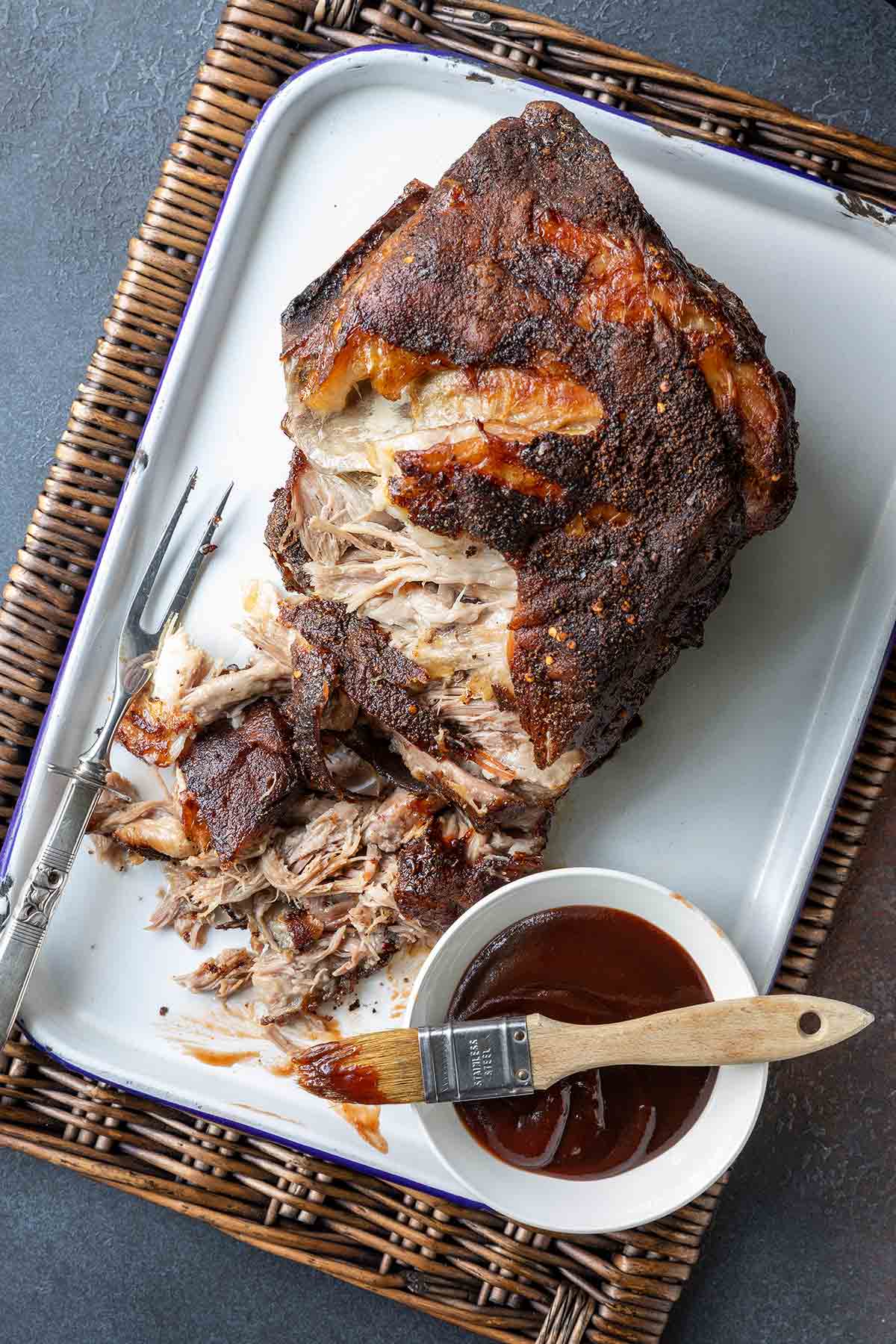
Achieving that legendary tenderness and flavor in a Boston Butt isn’t solely about the cooking time; it’s also about the preparation and the techniques employed during the cook. These steps, often honed by generations of pitmasters, contribute significantly to the final outcome, ensuring your pulled pork is a highlight of any meal, whether it’s a casual dinner in your London flat or a festive gathering in a Texas backyard.
Prepping for Perfection: Trimming and Seasoning
The journey to perfect pulled pork begins long before the heat is applied.
- Trimming: While some fat is essential for moisture and flavor, excessive hard fat caps should be trimmed down to about a quarter-inch thick. This allows the seasoning to penetrate better and prevents an overly greasy final product.
- Seasoning (The Rub): A good dry rub is crucial. It typically consists of a blend of salt, pepper, paprika, brown sugar, garlic powder, onion powder, and often a touch of cayenne for heat. Apply the rub generously to all surfaces of the butt. Many enthusiasts use a thin layer of mustard as a binder before applying the rub, helping it adhere better. For optimal flavor penetration, allow the seasoned butt to rest in the refrigerator for at least 4 hours, or ideally, overnight. This is a common practice in culinary tourism, where local chefs teach these traditional methods.
Choosing Your Culinary Canvas: Smoker, Oven, or Slow Cooker?
Your cooking apparatus will define the character of your pulled pork.
- The Authentic Smoker Experience: For true barbecue aficionados, a smoker is the ultimate choice. It imparts a distinctive smoky flavor and creates a beautiful, dark, flavorful crust known as the “bark.” Common wood choices include Hickory for a strong flavor, Applewood for a milder, fruity note, or Oak for a medium smoke. Maintaining a consistent temperature is key, often utilizing water pans to keep the environment moist. This method is an experience in itself, often a highlight of rural travel or camping adventures.
- Oven Roasting for Consistent Results: If a smoker isn’t an option, a conventional oven can still produce excellent pulled pork. While it won’t have the smoky depth, you can add liquid smoke to your rub or braising liquid for a hint of that flavor. Roasting in a sturdy pan, often covered for the initial hours to retain moisture, ensures even cooking. This is a practical choice for most apartments and self-catering accommodations.
- Effortless Slow Cooker Magic: The slow cooker is a godsend for busy schedules or when kitchen space is limited, perhaps in a compact Paris apartment. It requires minimal supervision, making it perfect for preparing a meal while you’re out exploring local landmarks. The result is incredibly tender, juicy meat, though without the crisp bark. To achieve a semblance of bark, you can finish the cooked pork under a broiler for a few minutes after shredding.
The Stall and the Finish Line: Monitoring Temperature
One phenomenon unique to slow-cooking large cuts of meat like the Boston Butt is “the stall.” This is when the internal temperature of the meat plateaus for several hours, often around 150-170°F (65-77°C). It’s caused by evaporative cooling from the meat’s surface. Patience is crucial during the stall; resist the urge to increase the heat dramatically. Many pitmasters employ the “Texas Crutch” – wrapping the butt tightly in foil or butcher paper once it hits the stall. This traps moisture and heat, pushing it through the stall faster, though it can soften the bark.
Always use a reliable meat thermometer to monitor the internal temperature. The target for perfectly shreddable pulled pork is between 195°F and 205°F (91°C to 96°C). At this point, the collagen has fully broken down, and the meat will yield easily to a fork or even your fingers.
The Indispensable Rest: Elevating Flavor and Juiciness
Once your Boston Butt reaches the desired internal temperature and probes tender, resist the immediate urge to shred it. This is perhaps one of the most critical, yet often overlooked, steps. Remove the butt from the heat, wrap it tightly in foil (if not already wrapped), and then wrap it in a towel or blanket. Place it in an insulated cooler or a turned-off oven for at least 1-2 hours, or even up to 4 hours. This resting period allows the muscle fibers to relax and reabsorb the flavorful juices, resulting in significantly juicier and more tender pulled pork. Skipping this step often leads to dry, tough results.
From Kitchen to Table: A Taste of Travel and Lifestyle
Bringing a perfectly cooked Boston Butt to the table is more than just serving a meal; it’s an experience, a celebration of patience, and often, a connection to the places we’ve visited or aspire to see. This culinary endeavor fits seamlessly into a travel and lifestyle narrative, offering a deeper engagement with food culture.
Integrating Boston Butt into Your Travel Lifestyle
For the modern traveler, particularly those who opt for long-term stays in self-catering accommodations, cooking a Boston Butt can be a fantastic way to immerse themselves in local cuisine or to enjoy comforting flavors from home. Imagine finding a local butcher in Barcelona or Rome (though you might need to explain the cut!) and adapting a classic American recipe with fresh, local ingredients. It becomes an intimate part of your travel story, far removed from typical hotel dining. For family trips or group travel, preparing a large Boston Butt provides delicious, economical meals for days, reducing the need for constant restaurant visits and allowing more budget for attractions like the Eiffel Tower or the Colosseum. Some travelers even seek out culinary workshops or cooking classes in destinations renowned for barbecue, transforming their vacation into an educational and delectable experience.
Serving Suggestions and Pairings: Enhancing Your Meal
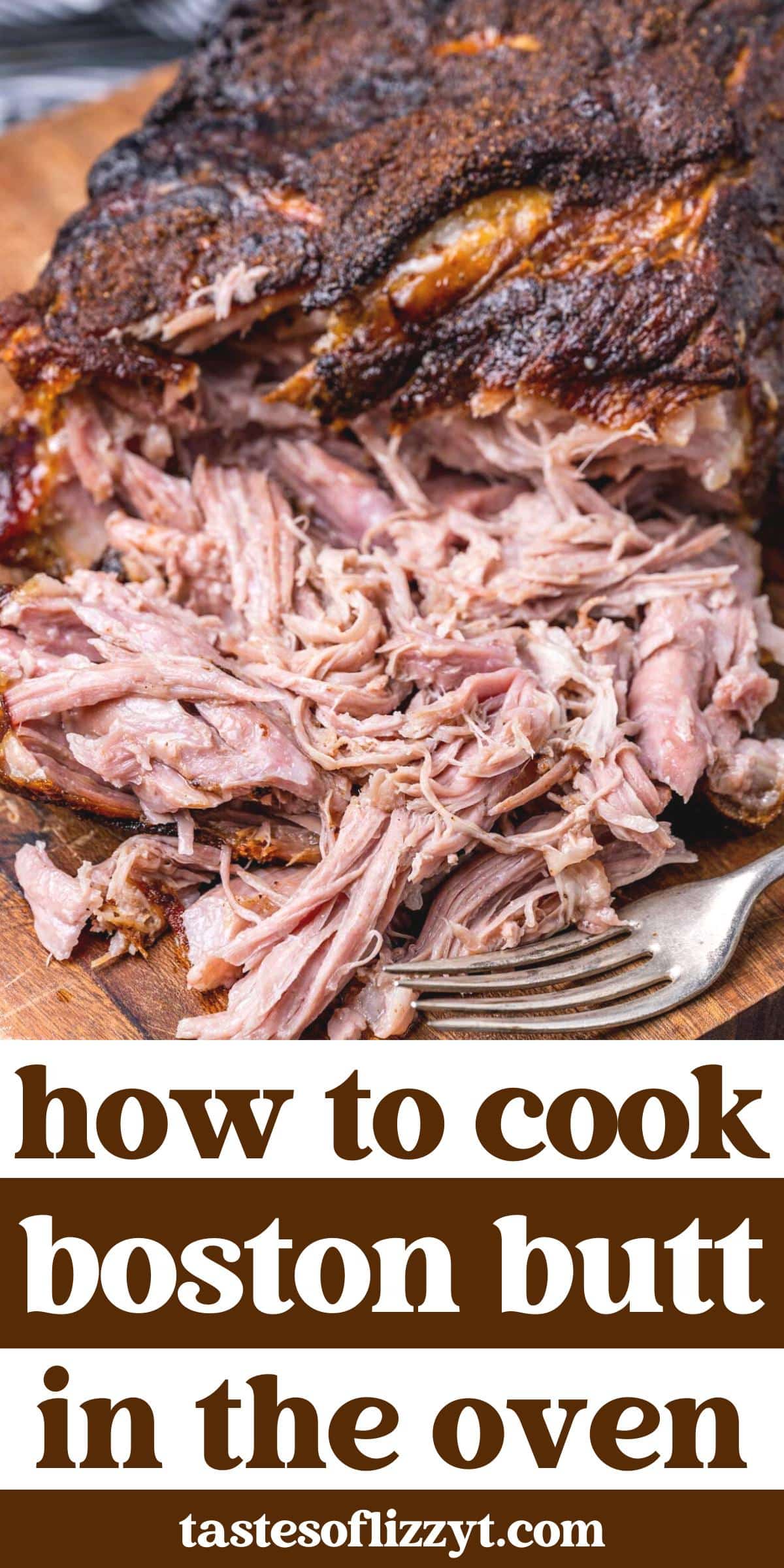
Once shredded, the versatility of pulled pork truly shines. The classic serving is on a soft bun with coleslaw and a generous dollop of your favorite barbecue sauce. However, don’t limit yourself!
- Tacos or Nachos: A fantastic way to use leftovers, adding a Southern twist to Mexican-inspired dishes.
- Pulled Pork Mac and Cheese: A comforting, indulgent pairing.
- Breakfast Hash: Mix with potatoes and eggs for a hearty start to the day.
- Salads or Wraps: For a lighter option.
Pair your pulled pork with classic Southern sides like cornbread, baked beans, collard greens, or potato salad. For beverages, a crisp lager, a robust bourbon cocktail, or a sweet tea perfectly complements the rich flavors of the pork.
Beyond the Plate: The Cultural Significance of Slow-Cooked Pork
The Boston Butt, and by extension, pulled pork, holds a significant cultural place, especially in the American South. It’s often associated with community gatherings, family reunions, and backyard parties – a symbol of hospitality and shared joy. Food festivals, like those found in North Carolina or South Carolina, celebrate this culinary tradition, attracting visitors who wish to experience this aspect of local life. For many, the act of slow cooking itself, waiting patiently for the transformation, is a meditative practice, a respite from the fast pace of modern life. It embodies a lifestyle choice that values quality, tradition, and the simple pleasure of good food shared with good company.
In conclusion, while the question “How long does it take to cook a Boston Butt?” might seem daunting, the journey is as rewarding as the destination. With patience, understanding of the key factors, and the right techniques, you can master this art. Whether you’re cooking in your home kitchen, a self-catering apartment in a far-flung city, or even planning a culinary exploration trip to the heart of barbecue country, the slow-cooked Boston Butt offers an unparalleled taste experience. It’s a reminder that some of the greatest culinary adventures, much like travel itself, are best savored slowly and with intention, enriching your palate and your memories alike.
LifeOutOfTheBox is a participant in the Amazon Services LLC Associates Program, an affiliate advertising program designed to provide a means for sites to earn advertising fees by advertising and linking to Amazon.com. Amazon, the Amazon logo, AmazonSupply, and the AmazonSupply logo are trademarks of Amazon.com, Inc. or its affiliates. As an Amazon Associate we earn affiliate commissions from qualifying purchases.