
Yes, California indeed has a state income tax. For anyone considering living, working remotely, or even undertaking an extended stay in the Golden State, understanding its tax structure is a fundamental component of financial planning and lifestyle assessment. California is renowned for many things – its vibrant culture, stunning landscapes, and innovative industries – but it’s also notable for having one of the highest state income tax rates in the United States. This reality significantly influences the financial decisions and lifestyle choices of residents, digital nomads, and even long-term visitors. Far from a mere technicality, these taxes play a critical role in budgeting, career planning, and evaluating the overall cost of living and quality of life within the state.
The California Income Tax Landscape
California’s income tax system is progressive, meaning higher earners pay a larger percentage of their income in taxes. This contrasts with flat tax systems where everyone pays the same percentage, regardless of income. The state’s tax regime is complex, with numerous brackets and rates that can vary based on filing status (single, married filing jointly, head of household, etc.). This intricate system is overseen by the Franchise Tax Board (FTB), the state agency responsible for administering California’s personal income tax and corporation tax.
Who Pays California State Income Tax? (Residents vs. Non-Residents)
The primary determinant of whether you owe California state income tax is your residency status. Generally, you are considered a California resident for tax purposes if you are domiciled in the state, which means California is your true, fixed, and permanent home. Even if you spend time outside the state, you may still be considered a resident if your intention is to return to California.
However, non-residents can also be subject to California income tax on income derived from sources within the state. This includes income from a California business, real estate rentals located in California, or wages earned for work performed physically within the state. For instance, a remote worker employed by a California-based company but residing in another state would likely not owe California income tax on their wages if they never step foot in California for work. Conversely, if a non-resident spends a significant portion of the year working in California, even temporarily, they may be required to pay California income tax on the income earned during their time in the state. This distinction is crucial for digital nomads, temporary assignees, and those considering seasonal work in the state, as it directly impacts their financial obligations and ultimately, their lifestyle budget.
Understanding the Tax Brackets
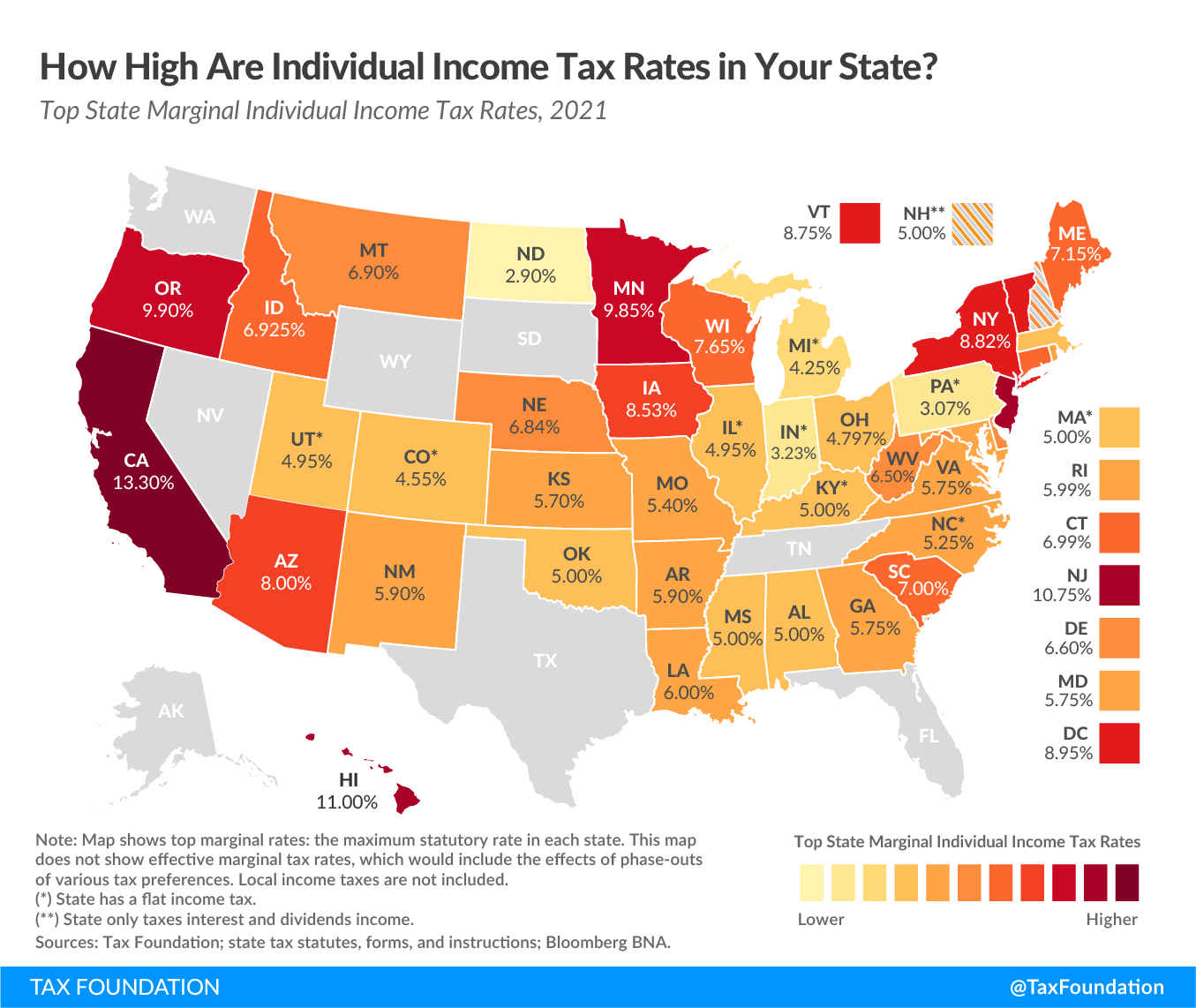
California’s income tax rates are among the highest in the nation, with the top marginal rate reaching 13.3% for the highest income earners (including a 1% surcharge for incomes over $1 million, known as the Mental Health Services Tax). The tax brackets are adjusted annually for inflation, but the progressive nature remains constant. For example, a single filer in 2023 might pay 1% on their lowest taxable income, while income exceeding hundreds of thousands of dollars would be taxed at significantly higher rates. These rates are applied to taxable income, which is your gross income minus deductions and exemptions. This progressive structure is a key consideration for high-income earners contemplating a move or extended stay in areas like San Francisco or Los Angeles, where professional salaries can often push individuals into these higher tax brackets. The effective tax rate, which is the total tax paid divided by total income, is often lower than the marginal rate, but understanding both is essential for accurate financial forecasting.
How California’s Taxes Impact Lifestyle Decisions
The presence and nature of California’s state income tax have profound implications for various lifestyle choices, particularly concerning budget travel, long-term stays, and the growing trend of remote work. It’s not just about the direct tax burden but how that burden interacts with the state’s famously high cost of living.
Budgeting for Long-Term Stays and Digital Nomads
For individuals planning an extended stay in California or digital nomads considering making the state their temporary base, state income tax must be a core component of their financial planning. Unlike a short vacation where sales and lodging taxes are the primary concerns, a long-term presence can trigger residency rules, subjecting an individual’s global income to California taxation. This means that a digital nomad earning income from clients worldwide, if deemed a California resident, would owe state income tax on all that income, not just what was earned within California borders.
This reality significantly impacts budgeting. A substantial portion of potential savings or disposable income must be allocated for state taxes, in addition to federal taxes. When combined with the high costs of housing, food, and other services in major California cities like San Francisco, Los Angeles, or San Diego, the overall expense of a California lifestyle can be considerably higher than in states with no or lower income taxes. For budget-conscious travelers or digital nomads, this might mean choosing to stay for shorter periods, carefully tracking their days within the state to avoid residency, or opting for less expensive regions outside of the major metropolitan areas, such as less popular areas in northern California or the Central Valley.
Implications for Business Travelers and Remote Workers
Business travelers and remote workers also face unique considerations. If a remote worker for a non-California company decides to live in California, they become a California resident and owe state income tax on all their income, regardless of where their employer is based. This is a common point of confusion and can lead to unexpected tax liabilities. Similarly, business travelers who spend a significant number of days working physically in California for an out-of-state employer might find themselves subject to California income tax on the portion of their income attributable to those workdays.
Companies, too, have a stake in this, as they may have nexus requirements to withhold California income tax even if they are not physically located in the state but have employees working there. These complexities necessitate careful tracking of travel days, understanding state-specific tax laws, and potentially seeking professional tax advice. For businesses, deciding where to allow remote employees to reside can become a strategic decision to manage tax burdens and compliance. For individuals, understanding these implications is key to making informed decisions about where to establish their primary residence or how long to stay in California for work-related purposes, directly affecting their take-home pay and overall financial health.
Navigating the Financial Side of the California Dream
The allure of the California dream – from the innovation hubs of Silicon Valley to the entertainment industry of Hollywood and the scenic beauty of its coastline – is undeniable. However, realizing this dream often involves navigating a challenging financial landscape heavily influenced by the state’s tax policies and high cost of living. Understanding this dynamic is crucial for anyone making lifestyle decisions involving the state.
High Cost of Living vs. High Quality of Life
California’s high income tax rates are often cited in conjunction with its high cost of living, particularly in metropolitan areas like San Francisco, Los Angeles, and San Jose. Housing, in particular, can be significantly more expensive than the national average. When you factor in state income taxes, the disposable income available after essential expenses can feel constrained, even for high earners.
Despite these financial challenges, many people continue to flock to California, drawn by its unparalleled quality of life. This includes access to diverse natural landscapes, a vibrant cultural scene, world-class educational institutions, and abundant career opportunities in leading industries such as technology, entertainment, and clean energy. The trade-off between the high cost and the perceived high quality of life is a deeply personal decision. For some, the benefits of living in California – the weather, the innovation, the cultural richness – outweigh the financial burden. For others, particularly those with fixed incomes or different lifestyle priorities, the tax implications and cost of living can make California less appealing than states with more favorable financial climates. This balancing act defines the “California Dream” for many.
Strategies for Financial Planning in California
Effective financial planning is paramount for anyone living or working in California. Several strategies can help mitigate the impact of state income taxes and the high cost of living:
- Understand Residency Rules: For those with flexible living arrangements (e.g., digital nomads, remote workers), carefully understanding California’s residency rules can help determine tax obligations and potentially avoid unintended tax liabilities. Maintaining clear documentation of your domicile and time spent in and out of the state is essential.
- Maximize Deductions and Credits: Work with a tax professional to ensure you are taking advantage of all eligible state deductions and credits. California offers various deductions, such as for mortgage interest, property taxes, and charitable contributions, which can reduce your taxable income.
- Location, Location, Location: While popular cities like San Francisco and Los Angeles have steep costs, other regions within California offer a more affordable lifestyle. Areas in the Central Valley, parts of Northern California outside the Bay Area, or even some communities in Orange County and San Diego might provide a better balance between cost and access to amenities.
- Budgeting and Cost-Saving: Meticulous budgeting is key. Explore ways to save on housing (e.g., roommates, smaller spaces), transportation (public transit, cycling), and food (cooking at home). Every dollar saved offsets the higher cost of living and taxes.
- Professional Tax Advice: Given the complexity of California’s tax code, consulting with a tax advisor specializing in California taxation can provide personalized strategies and ensure compliance, saving you money and stress in the long run.
By proactively addressing these financial considerations, individuals can better prepare for the realities of the California lifestyle and make informed decisions that align with their personal and financial goals.

Resources and Further Considerations
Navigating California’s state income tax requires diligent research and, often, professional guidance. The official resource for all state tax matters is the California Franchise Tax Board (FTB). Their website (ftb.ca.gov) provides comprehensive guides, forms, and FAQs regarding personal income tax, residency rules, and filing requirements. It’s the definitive source for up-to-date information on tax brackets, deductions, and credits.
For those considering a move or extended stay, exploring the cost of living index for various California cities can provide a more granular understanding of expenses beyond just taxes. Websites that compare living costs can highlight differences between cities like Sacramento, which might offer a slightly lower cost of living than San Francisco or Los Angeles, while still being centrally located within the state. Ultimately, while California’s state income tax is a significant financial factor, a well-informed approach allows for a more prepared and enjoyable experience in this vibrant state.
LifeOutOfTheBox is a participant in the Amazon Services LLC Associates Program, an affiliate advertising program designed to provide a means for sites to earn advertising fees by advertising and linking to Amazon.com. Amazon, the Amazon logo, AmazonSupply, and the AmazonSupply logo are trademarks of Amazon.com, Inc. or its affiliates. As an Amazon Associate we earn affiliate commissions from qualifying purchases.