
Yes, California absolutely has property tax, and it’s a fundamental aspect of real estate ownership and long-term accommodation within the state. For anyone considering a permanent move, investing in a second home, or even managing rental properties in the Golden State, understanding its property tax system is crucial. Far from a simple percentage, California’s property tax landscape is characterized by its unique historical underpinnings, particularly Proposition 13, which significantly shapes how these taxes are assessed and evolve over time. This system directly impacts the cost of living, housing affordability, and the financial planning required for any long-term stay in one of the nation’s most dynamic housing markets.
The Basics of California Property Tax
Property taxes in California are levied by local governments, primarily counties, to fund a wide array of public services, including schools, fire departments, police protection, and local infrastructure. Unlike some states where property taxes are reassessed annually based on current market values, California’s system operates under specific rules that provide a degree of predictability but also create complexities.
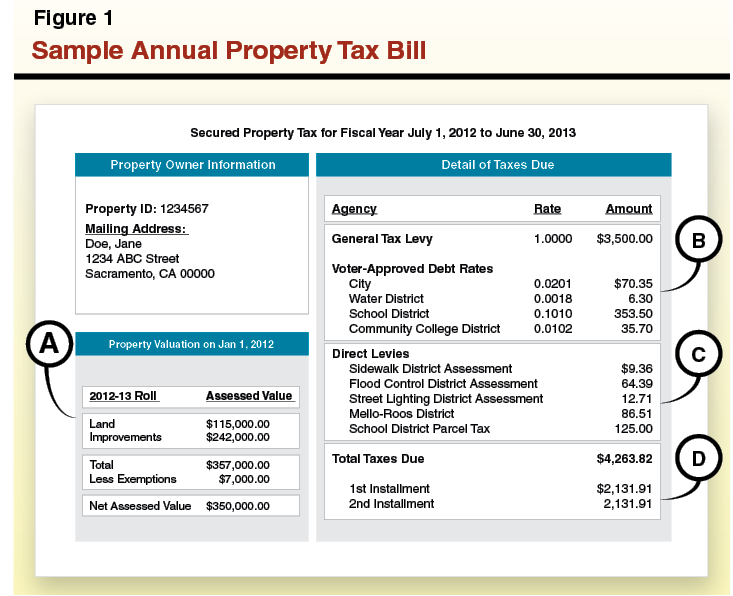
The base property tax rate across most of California is approximately 1% of the property’s assessed value. However, this 1% is just the starting point. Additional local taxes, known as “voter-approved ad valorem taxes” or “special assessments,” can be added to this base rate. These additional levies typically fund specific local projects or services, such as school bonds, Mello-Roos districts for new development infrastructure, or special service areas. Consequently, the actual effective property tax rate a homeowner pays can vary significantly depending on the specific city, district, and even neighborhood within a county. For instance, properties in newer developments might have higher overall rates due to these special assessments, which are often used to finance roads, sewers, and other amenities.
The assessed value of a property is typically its purchase price when it last changed hands. This is a critical distinction from market value. Once a property’s base year value is established, it can only increase by a maximum of 2% per year, regardless of how much the actual market value might appreciate. This annual cap on increases is a direct result of Proposition 13, a landmark amendment to the state’s constitution.
Proposition 13: A Cornerstone of California Real Estate
Enacted in 1978, Proposition 13 fundamentally altered the property tax landscape in California, and its effects are still profoundly felt today, particularly for long-term residents and those considering extended stays.
How Proposition 13 Works
Proposition 13 established two main principles for property taxation:
- Assessed Value Cap: The assessed value of real property cannot increase by more than 2% per year, even if the market value surges dramatically. This “acquisition value” system means that property taxes are largely based on the price at which the property was last purchased, rather than its current market value.
- Reassessment Trigger: A property’s assessed value is only fully reassessed to its current market value upon a “change in ownership.” This usually occurs when the property is sold. When a new owner acquires a property, its base year value is reset to the purchase price, and the 2% annual cap begins anew for that owner.
Impact on Long-Term Accommodation
The implications of Proposition 13 for long-term accommodation are significant. For those who purchased homes many years ago, their property taxes tend to be remarkably low relative to the current market value of their properties. This creates an incentive for long-term residency, as selling and buying a new home can lead to a substantial increase in property tax payments, potentially hundreds or thousands of dollars more per month.
Conversely, individuals seeking to acquire accommodation in California today, especially in popular metropolitan areas like Los Angeles County, San Francisco, or San Diego, will face property taxes based on the current high market values. This contributes to the overall high cost of homeownership and long-term stays in the state, even with the 2% annual cap providing some future predictability. For instance, a home purchased for $1 million today will have a base property tax of approximately $10,000 annually (plus any special assessments), while a similar home purchased for $200,000 in the 1990s might still only incur property taxes based on an assessed value of, say, $300,000.
How Property Tax Impacts Accommodation Costs
Property tax is a non-negotiable expense for homeowners and property investors, directly influencing the overall cost of accommodation. For potential long-term residents, factoring in property tax is as critical as considering the mortgage principal and interest, insurance, and maintenance costs.
Homeowners
For homebuyers, property tax is an ongoing expense that is typically included in their monthly mortgage payments (held in an escrow account) or paid directly to the county tax collector in two installments (due December 10 and April 10). The substantial initial property tax burden, based on high purchase prices in many California markets, can significantly impact affordability. Even with the 2% cap, year-over-year increases, though modest, add up over time. This makes proper budgeting essential for sustained long-term accommodation.
Rental Property Owners
For those investing in properties for long-term rental accommodation, property taxes are a major operational expense that must be carefully calculated into rental rates and investment returns. Higher property taxes translate to higher operating costs, which often need to be passed on to tenants in the form of higher rents. This indirectly affects the affordability of rental accommodation across the state. In areas with rapidly increasing property values, new investors will face significantly higher property tax burdens than established landlords, influencing their competitiveness and pricing strategies.

Relocation and Long-Term Planning
Individuals relocating to California from other states might find the property tax system unique. While the 1% base rate might seem low compared to some states, the high property values mean the actual dollar amount paid can be substantial. Understanding the implications of Proposition 13 is vital for long-term financial planning, as it provides both stability (with the 2% cap) and potential challenges (if relocating from a much lower tax burden state). The predictability of the annual increase, however, can be an advantage for budgeting once the initial purchase is made.
Navigating Property Tax as a Long-term Resident or Investor
Effectively managing property tax in California requires proactive understanding and strategic planning, especially for those committed to a long-term stay or investment.
Understanding Your Tax Bill
It’s essential to scrutinize your annual property tax bill, which typically arrives from your county tax assessor. This bill will detail your assessed value, the base 1% tax, and any specific local assessments or bonds. Key counties like Orange County, Alameda County, Santa Clara County, and Sacramento all have their own specific local assessments that can impact the total rate. If you believe there’s an error in your assessed value, particularly following a purchase, you have the right to appeal to your county assessor’s office.
Property Reassessment Due to Decline in Value
While Proposition 13 limits increases, it also allows for temporary reductions in assessed value if a property’s market value falls below its current assessed value. This is known as a “decline in value” or “Prop 8” reassessment. If the market value recovers, the assessed value can then increase by more than 2% annually until it reaches the Proposition 13 factored base year value (plus the 2% annual inflation factor). This provision offers a crucial safeguard for homeowners during economic downturns, ensuring their tax burden temporarily aligns with a depressed market.
Estate Planning and Tax Transfers
California law has historically offered certain property tax benefits for intergenerational transfers. For example, under certain circumstances, parents could transfer their primary residence and a limited amount of other property to their children without triggering a reassessment. However, significant changes were made to these rules with Proposition 19 in 2020. Now, for inherited homes, the child must move into the home and use it as their primary residence to avoid reassessment, and even then, there’s a cap on the assessed value transfer benefit. For investors or families planning for future generations, understanding these updated rules is paramount to avoid unexpected property tax increases.
Exemptions and Assistance Programs
Despite the overall high cost of accommodation in California, several programs and exemptions can help reduce the property tax burden for eligible individuals, particularly those on fixed incomes or with specific circumstances.
Homeowners’ Exemption
The Homeowners’ Exemption provides a modest reduction in the assessed value of a primary residence. For eligible homeowners, $7,000 is deducted from the assessed value of their property, which typically translates to an annual tax saving of about $70 (1% of $7,000). While this amount is relatively small in the context of California’s property values, it’s a worthwhile benefit that all primary homeowners should apply for.
Veteran’s Exemption
The Veteran’s Exemption offers a more substantial reduction for eligible military veterans or their unmarried surviving spouses. This exemption can be either $4,000 or $150,000, depending on the veteran’s income and disability status. It provides significant relief for those who have served and are seeking long-term accommodation within the state.
Senior Citizens and Disabled Citizens Property Tax Postponement Program
This program allows eligible seniors (aged 62 or older), blind, or disabled homeowners to postpone payment of property taxes on their primary residence. The state places a lien on the property, and the taxes become due when the property changes ownership, the homeowner moves, or the homeowner passes away. This can be a vital program for those on fixed incomes, allowing them to remain in their homes for longer periods without the immediate burden of property tax payments.
In conclusion, property tax is an undeniable and significant aspect of owning or securing long-term accommodation in California. While the state’s system, especially Proposition 13, offers unique stability for existing homeowners, it also presents a substantial initial cost for new purchasers. Understanding these nuances, leveraging available exemptions, and planning for future changes are all essential for anyone navigating the California housing market for an extended stay.
LifeOutOfTheBox is a participant in the Amazon Services LLC Associates Program, an affiliate advertising program designed to provide a means for sites to earn advertising fees by advertising and linking to Amazon.com. Amazon, the Amazon logo, AmazonSupply, and the AmazonSupply logo are trademarks of Amazon.com, Inc. or its affiliates. As an Amazon Associate we earn affiliate commissions from qualifying purchases.