
Planning a trip to the Golden State conjures images of sun-drenched beaches, iconic Hollywood glamour, breathtaking national parks, and world-class culinary experiences. From the bustling streets of Los Angeles to the majestic Redwood National Park, California offers an unparalleled diversity for every type of traveler. However, savvy explorers understand that a crucial, yet often overlooked, aspect of budget planning for any destination is understanding the local tax landscape. So, to answer the burning question: yes, California does indeed have a sales tax, and it’s a detail every visitor should be aware of to ensure a smooth and predictable travel budget.
Unlike some countries where sales tax might be included in the listed price, in California, it’s typically added at the point of sale. This means that the price you see on a menu or a merchandise tag might not be the final price you pay. For those immersing themselves in the vibrant lifestyle of California, whether indulging in a luxury resort stay, exploring historic landmarks, or simply picking up souvenirs, understanding how sales tax impacts your expenses is key. This comprehensive guide will navigate the intricacies of California sales tax for travelers, offering insights into how it affects everything from your accommodation and dining to shopping and activities, ensuring your focus remains on enjoying your California adventure.
Understanding California’s Sales Tax Structure for Travelers
The sales tax system in California isn’t as simple as a single statewide rate. It’s a combination of a statewide base rate and various local district taxes that can vary significantly depending on which city or county you’re visiting. This multi-tiered structure is critical for travelers to grasp, as a difference of even a percentage point or two can add up over the course of a trip, especially for those planning an extended stay or indulging in a luxurious California experience.
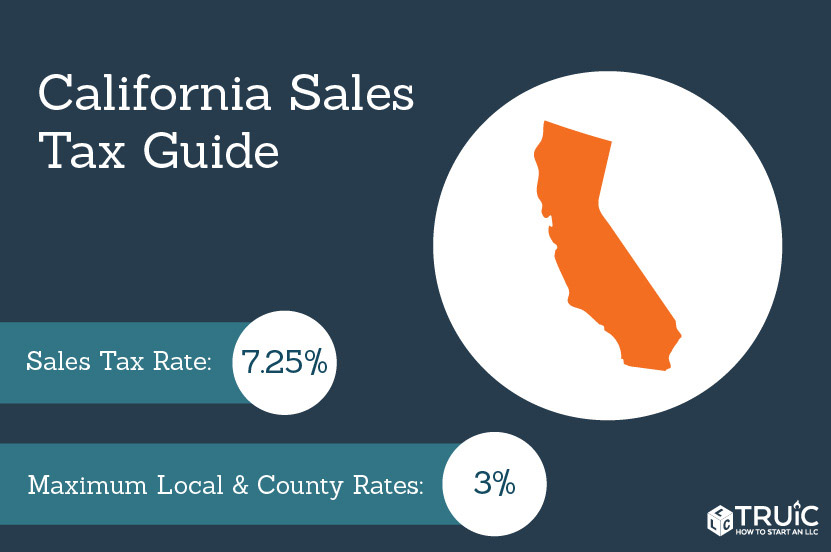
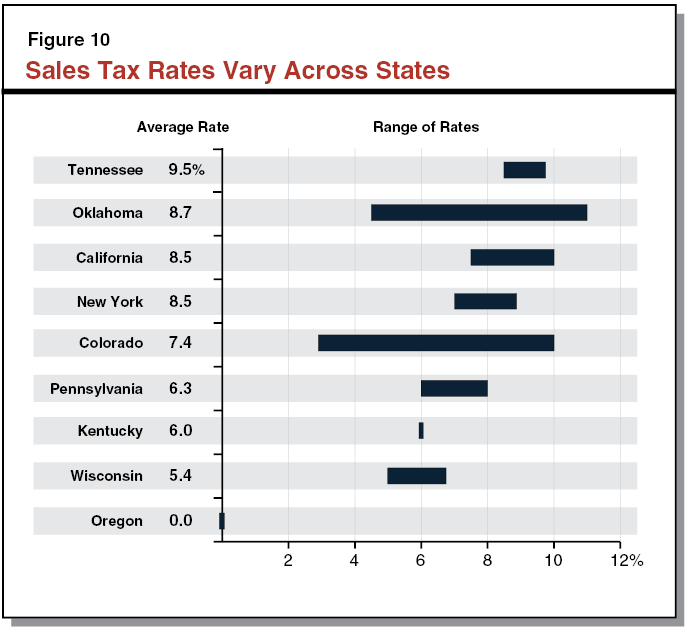
The statewide base sales tax rate in California is currently 7.25%. This rate applies uniformly across the state for the sale of most tangible personal property. However, this is just the starting point. Many cities and counties have enacted additional district sales taxes to fund local services and projects, such as transportation improvements, public safety, or specific community initiatives. These district taxes are added on top of the state rate, leading to combined sales tax rates that can range from approximately 7.25% to as high as 10.75% or even more in some specific locales.
For instance, a souvenir purchased in San Francisco might incur a different sales tax rate than the same item bought in Palm Springs or a remote town near Yosemite National Park. These localized variations mean that budgeting for purchases requires a little foresight. While the exact percentage might seem minor on a single small purchase, for travelers enjoying extensive shopping sprees along Rodeo Drive in Beverly Hills, dining at upscale restaurants in Napa Valley, or booking multiple tour packages, these accumulated taxes can represent a notable portion of their overall expenditure. Understanding this structure helps travelers make informed decisions and better manage their holiday finances, preventing any unwelcome surprises on their final bills.
How Sales Tax Impacts Your Travel Budget in Key Categories
The application of sales tax extends across almost all aspects of a traveler’s journey in California. From the moment you check into your hotel to the last meal you enjoy, sales tax is likely to be a factor.
Accommodation: Hotels, Resorts, and Rentals
When it comes to accommodation, travelers often encounter more than just sales tax. While sales tax usually applies to the sale of tangible goods, lodging in California is primarily subject to a Transient Occupancy Tax (TOT), also known as a hotel tax. This is a separate municipal tax levied by cities and counties on the rent paid for temporary lodging. The TOT rates vary widely, from around 8% to 15% or even higher in popular tourist destinations. For example, a luxurious stay at a resort in Santa Monica will include a TOT, which can significantly add to the base room rate.
While the base room rate itself isn’t subject to the standard sales tax, any services or tangible items provided by the hotel that are separate sales, such as items purchased from the hotel gift shop, minibar items, or room service food (which also includes sales tax on the food itself), will be subject to the local sales tax rate. It’s crucial for travelers booking through various platforms or directly with establishments to inquire about all applicable taxes and fees, including both TOT and sales tax on specific amenities, to accurately budget for their stay, whether it’s a budget-friendly motel or a high-end suite in San Diego.
Shopping: Souvenirs, Clothing, and Luxury Goods
Shopping is where sales tax is most prominently felt. Almost all tangible personal property purchased in California is subject to sales tax. This includes everything from a simple postcard from the Golden Gate Bridge to designer clothing from Beverly Hills, electronics, and even groceries (with some important exemptions for unprepared food items).
If you’re planning a shopping spree at the South Coast Plaza in Orange County or exploring the boutiques of Union Square in San Francisco, be prepared for the sales tax to be added to your total. The exact rate will depend on the specific city and county where the purchase is made. For example, a high-value purchase like a piece of art or an expensive watch can see its total cost increase by hundreds of dollars due to sales tax. This is particularly important for budget travelers who might be trying to stretch every dollar, as well as for luxury travelers who are making significant investments.
Dining Out: Restaurants, Cafes, and Food Trucks
Dining experiences are an integral part of California tourism, from enjoying fresh seafood by the Monterey Bay to sampling farm-to-table cuisine in Sacramento. When you dine out at restaurants, cafes, food trucks, or any establishment selling prepared food, the entire bill for your meal (food and non-alcoholic beverages) is subject to the local sales tax rate. Alcoholic beverages are also subject to sales tax.
This means that a delightful dinner overlooking the Pacific Ocean will have the local sales tax added to the menu prices. While the impact on a single meal might seem small, a traveler enjoying multiple meals out each day can quickly accumulate significant sales tax charges. This is especially true for families or groups traveling together who might have larger dining bills. It’s also worth noting that sales tax is calculated before tips, so while you factor in gratuity, remember the sales tax will be on top of the food cost itself.
Attractions, Activities, and Transportation
Sales tax typically applies to tangible goods, which means many services, like admission tickets to attractions, often do not have sales tax applied in the same way merchandise does. For instance, tickets to Disneyland Resort or a show at the Pantages Theatre are generally not subject to sales tax, though they might include other fees. However, if you purchase a souvenir inside the theme park or a snack during a show, those items will be taxed.
Regarding transportation, car rentals are a common choice for exploring California’s diverse landscapes. While the rental fee itself usually isn’t subject to sales tax, rental car transactions often come with their own set of specific taxes and fees, such as tourism surcharges, airport concession fees, and vehicle license fees. Fuel purchased for your rental car is subject to sales tax at the pump, in addition to federal and state excise taxes. Public transportation like BART in the Bay Area or Metro in Los Angeles typically involves a flat fare or pass price, which does not have sales tax added.
Navigating Sales Tax in Popular California Destinations
The variation in sales tax rates across California can be a significant factor for travelers, especially those planning multi-city itineraries. Here’s a look at some of California’s most visited destinations and their typical sales tax environments.
The Buzzing Metropolis: Los Angeles and San Francisco
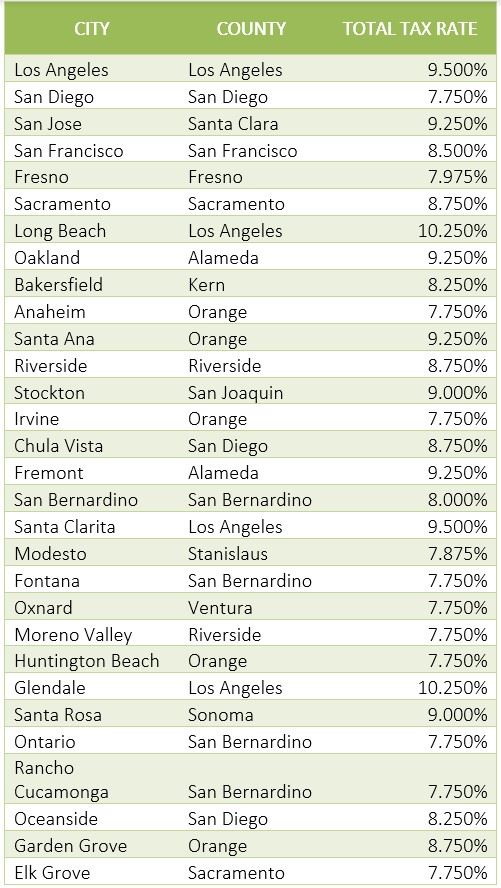
- Los Angeles County: As a sprawling urban area, Los Angeles County is home to numerous cities and districts, each potentially with slightly different rates. The combined sales tax rate in many parts of Los Angeles County, including the city of Los Angeles itself, frequently hovers around 9.50% to 10.25%. This rate applies to everything from purchases on Melrose Avenue to meals in Santa Monica or Hollywood. For those planning extensive shopping or fine dining experiences, being aware of this higher end of the tax spectrum is crucial. The Transient Occupancy Tax (TOT) in the city of Los Angeles is also substantial, adding another layer of cost to hotel stays.
- San Francisco Bay Area: The San Francisco Bay Area, including San Francisco County and surrounding regions, often features some of the highest combined sales tax rates in the state, frequently in the 8.75% to 9.25% range, sometimes even higher in specific cities. This affects purchases in bustling areas like Fisherman’s Wharf, the trendy boutiques of the Mission District, and dining establishments across the city. The TOT in San Francisco is also among the highest, significantly impacting the cost of staying in hotels, whether it’s a boutique hotel near Union Square or a luxury stay overlooking Alcatraz Island.
Southern California’s Theme Parks and Coastal Retreats
- Anaheim (Orange County): Home to Disneyland Resort, Anaheim and surrounding Orange County cities typically have sales tax rates around 7.75% to 8.75%. This impacts everything from souvenirs bought outside the park to meals at local restaurants. While park tickets themselves are generally exempt from sales tax, any merchandise, food, or beverages purchased within Disneyland or Disney California Adventure Park will have the prevailing local sales tax added. The TOT in Anaheim is also a factor for families staying near the parks.
- San Diego: With its beautiful beaches and vibrant Gaslamp Quarter, San Diego typically has a combined sales tax rate around 7.75% to 8.75%. This applies to shopping in Old Town San Diego State Historic Park, dining in La Jolla, and purchases at Balboa Park. The city’s TOT also adds to the cost of hotel and resort stays.
Wine Country and Mountain Getaways
- Napa Valley and Sonoma County: These world-renowned wine regions usually see sales tax rates ranging from 8.25% to 9.25%. This will apply to merchandise bought at wineries, gourmet food purchases, and meals at upscale restaurants. While wine tastings themselves might be considered a service and not directly sales-taxable, any bottle purchases certainly are. The TOT in these regions can also be significant due to their popularity as luxury travel destinations.
- Lake Tahoe Area: Depending on whether you’re on the California side or Nevada side, and specifically which city (e.g., South Lake Tahoe), sales tax rates vary. On the California side, rates are typically in the 7.25% to 8.5% range. This applies to ski equipment rentals, souvenirs, and dining in mountain lodges. The TOT is also a significant component of accommodation costs for visitors seeking winter sports or summer outdoor adventures.
Smart Budgeting: Tips for Managing Sales Tax on Your California Trip
Foreseeing and factoring in sales tax can significantly enhance your travel experience by preventing budget overruns and allowing for a more relaxed approach to spending. Here are some practical tips for travelers visiting California.
Research Local Rates Before You Go
Before embarking on your California adventure, take a few minutes to research the current combined sales tax rates for the specific cities and counties you plan to visit. Websites for the California Department of Tax and Fee Administration (CDTFA) provide up-to-date information. Knowing these rates will give you a clearer picture of how much extra to expect on your purchases and help you allocate funds more accurately. This is especially useful for road trips that cover multiple regions, such as driving down Highway 1 through Big Sur and stopping in various towns.
Factor in All Taxes for Accommodation
Remember that hotel and vacation rental prices typically do not include the Transient Occupancy Tax (TOT), and sometimes resort fees or other charges are also excluded. Always check the “total price” when booking or confirm with the accommodation provider about all taxes and fees that will be added to your bill. This prevents sticker shock upon checkout from a beautiful boutique hotel in Carmel-by-the-Sea or a grand resort near Universal Studios Hollywood.
Keep an Eye on Receipts
Always review your receipts, especially for larger purchases or dining bills. This allows you to confirm that the correct sales tax rate has been applied and to understand exactly what you’re paying for. It’s also a good habit for tracking your spending against your budget. Many travelers enjoy keeping receipts as souvenirs, and they serve a practical purpose too!
Budget for “Hidden” Costs
Beyond sales tax, California travelers might encounter other taxes and fees.
- Fuel Tax: California has some of the highest gas prices in the U.S., partly due to various state and federal fuel taxes. If you’re renting a car for a scenic drive through Death Valley National Park or along the Pacific Coast Highway, factor in these higher fuel costs.
- Rental Car Fees: As mentioned, rental cars often have additional surcharges beyond sales tax, which can include airport fees, vehicle license fees, and tourism assessments.
- “Unprepared” Food Exemptions: In California, sales tax is generally not charged on most unprepared food items purchased for home consumption (e.g., groceries from a supermarket). This means if you’re staying in an apartment or villa with a kitchen, buying ingredients to cook your own meals can be a way to save on sales tax compared to dining out, in addition to potentially saving on the food cost itself. However, prepared foods (like deli sandwiches, hot coffee, or salad bar items) typically are taxable.
By keeping these tips in mind, you can expertly navigate the financial landscape of your California vacation. Understanding the role of sales tax allows you to budget more effectively, leading to a more relaxed and enjoyable trip, free from unexpected expenses. Whether you’re exploring the cultural richness of San Francisco, the natural wonders of Big Sur, or the thrilling attractions of Anaheim, being prepared for sales tax ensures your focus remains on creating unforgettable memories.
LifeOutOfTheBox is a participant in the Amazon Services LLC Associates Program, an affiliate advertising program designed to provide a means for sites to earn advertising fees by advertising and linking to Amazon.com. Amazon, the Amazon logo, AmazonSupply, and the AmazonSupply logo are trademarks of Amazon.com, Inc. or its affiliates. As an Amazon Associate we earn affiliate commissions from qualifying purchases.