
The allure of Hawaii extends far beyond its pristine beaches and lush volcanic landscapes. For many, the primary draw is its consistently pleasant climate, a tropical paradise that offers a warm escape year-round. Understanding the nuances of Hawaii’s weather is crucial for planning the perfect getaway, whether you’re dreaming of a luxurious resort stay, an adventurous exploration of its natural wonders, or a relaxing family vacation. This guide delves into the diverse climatic conditions across the Hawaiian Islands, helping you choose the ideal time to visit and the best locations to experience its unique weather patterns.
Hawaii’s climate is largely defined by its location in the tropics, influenced by the vast expanse of the Pacific Ocean. This oceanic setting moderates temperatures, preventing extreme heat and cold. The islands experience two primary seasons: a warmer, drier summer (May to October) and a cooler, wetter winter (November to April). However, these are subtle shifts, and the overall feeling is one of perpetual warmth, making it a desirable destination for travelers from colder climates at any time of the year.
Understanding Hawaii’s Seasonal Patterns
The distinction between Hawaii’s “summer” and “winter” is not as dramatic as in continental regions. Instead, think of it as a slightly hotter, drier period versus a slightly cooler, wetter one. This uniformity contributes to its year-round appeal for tourism and its reputation as a premier destination for various types of travel, from budget-friendly trips to extravagant luxury experiences.
The Warmer, Drier Summer (May – October)
The summer months in Hawaii are characterized by higher temperatures and less rainfall, particularly in leeward (western) areas of the islands. Daily average temperatures typically range from the mid-70s to the mid-80s Fahrenheit (around 24-29°C). The ocean is generally calmer, making it ideal for water activities like swimming, snorkeling, and surfing, especially on beaches facing the south and west. This season is perfect for exploring iconic landmarks such as Pearl Harbor or embarking on an unforgettable journey along the Road to Hana on Maui.
During this period, the trade winds, a consistent weather feature in Hawaii, play a significant role. These easterly winds bring cooler, moist air from the ocean, mitigating the intensity of the sun and providing a refreshing breeze. While the leeward sides of the islands tend to be drier and sunnier, the windward (eastern) sides, facing the prevailing trade winds, will experience more rainfall. This can manifest as brief, refreshing showers, often followed by sunshine, contributing to the vibrant, lush greenery characteristic of these areas. For those seeking a drier experience, the leeward coasts of Oahu, Maui, and Kauai are excellent choices, often featuring world-class resorts like the Grand Wailea, A Waldorf Astoria Resort or charming villas perfect for long-term stays.
Evenings during the summer are balmy, rarely dropping below the low 70s Fahrenheit (around 21-22°C). This makes outdoor dining at renowned restaurants, enjoying local cuisine, and experiencing the vibrant nightlife a pleasure. The extended daylight hours also allow for more time to explore attractions, from the historic streets of Honolulu to the dramatic cliffs of the Na Pali Coast.
The Cooler, Wetter Winter (November – April)
The Hawaiian winter, while cooler, is still remarkably warm compared to many other parts of the world. Average temperatures during this season hover in the mid-60s to mid-70s Fahrenheit (around 18-24°C). While rainfall increases across the islands, it’s important to note that “wetter” in Hawaii does not equate to constant downpours. Instead, expect more frequent, shorter showers, especially on the windward sides. These showers are often responsible for the breathtaking rainbows that frequently grace the Hawaiian skies.
The winter months are also known for larger ocean swells, particularly on the north shores of the islands. This is the prime season for experienced surfers to witness and partake in the legendary big wave surfing at spots like Banzai Pipeline on Oahu. For those less inclined to brave the waves, the south and west shores typically remain calmer, offering excellent conditions for swimming and other water sports.
This season is also ideal for experiencing Hawaii’s rich local culture and history. Museums, cultural centers, and historical sites are accessible regardless of occasional showers. Visitors might find more availability for popular tours and accommodations during this shoulder season, potentially offering better value for budget travelers. The lush landscapes, intensified by the winter rains, become even more vibrant, making hikes through rainforests or visits to waterfalls like Akaka Falls on the Island of Hawaii particularly stunning. The cooler temperatures can also make hiking and exploring more comfortable for some.
The increased rainfall in winter primarily benefits the lush vegetation, creating a truly verdant spectacle. While the windward coasts might experience more consistent rain, the leeward sides still offer plenty of sunshine for those seeking a drier experience. This is also the season when whales begin to migrate to Hawaii’s warm waters, offering incredible opportunities for whale-watching tours, a truly magical experience for families and nature enthusiasts.
Microclimates: The Diversity Within Paradise
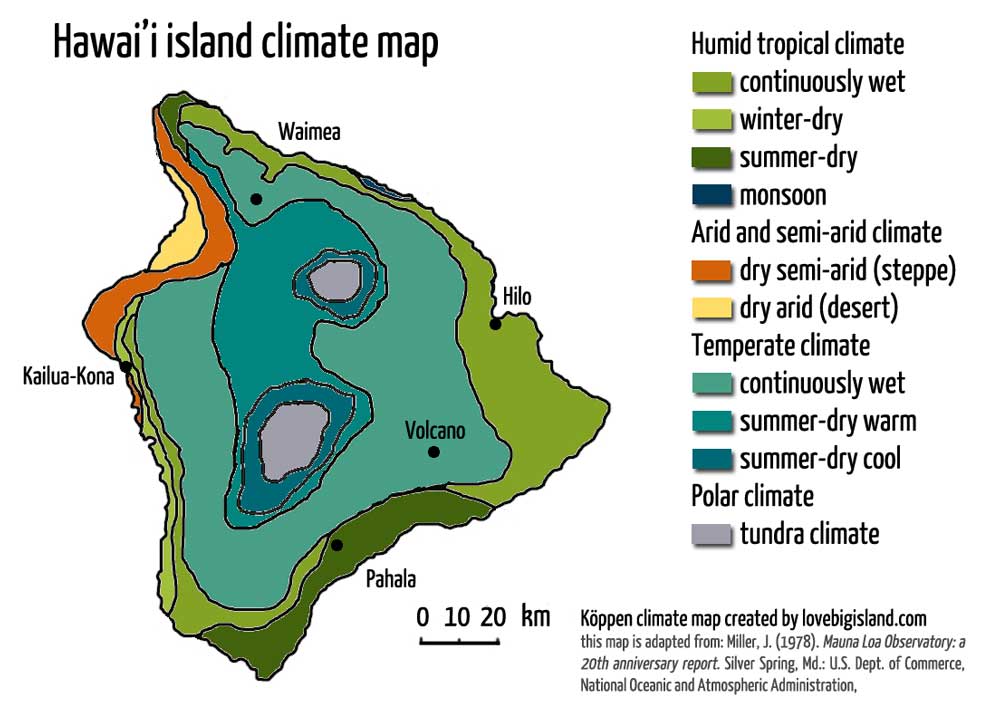
Hawaii’s relatively small landmass belies an astonishing array of microclimates. This diversity is primarily driven by the mountainous terrain of the islands, which interacts with the prevailing trade winds to create distinct weather patterns within short distances. This means that even on a single island, you can experience drastically different conditions, from arid deserts to tropical rainforests and even alpine environments.
Windward vs. Leeward Coasts
The most significant climatic division on each Hawaiian Island is between its windward and leeward sides. The windward side, typically facing northeast, receives the brunt of the moisture-laden trade winds. As these winds are forced upward by the mountains, they cool and release their moisture as rain, creating lush, tropical environments. Areas like Hana on Maui or the Hamakua Coast on the Island of Hawaii are prime examples of these verdant, wet regions.
Conversely, the leeward side, usually to the southwest of the mountains, lies in the rain shadow. This means it receives significantly less rainfall, resulting in drier, sunnier conditions. These areas are often characterized by drier vegetation and are typically where you’ll find the most popular beach resorts and sun-drenched tourist activities. The famous beaches of Waikiki on Oahu and the Kaanapali Beach area on Maui are located on the leeward sides of their respective islands.
This distinction is crucial for travelers. If your ideal vacation involves ample sunshine and beach time, a leeward destination is likely best. If you prefer lush scenery, waterfalls, and don’t mind occasional showers, the windward side offers a captivating experience. Many accommodations, from luxury suites in Honolulu to secluded villas in Kauai, cater to these preferences, offering specific views and access to different environmental settings.
Elevation and its Impact
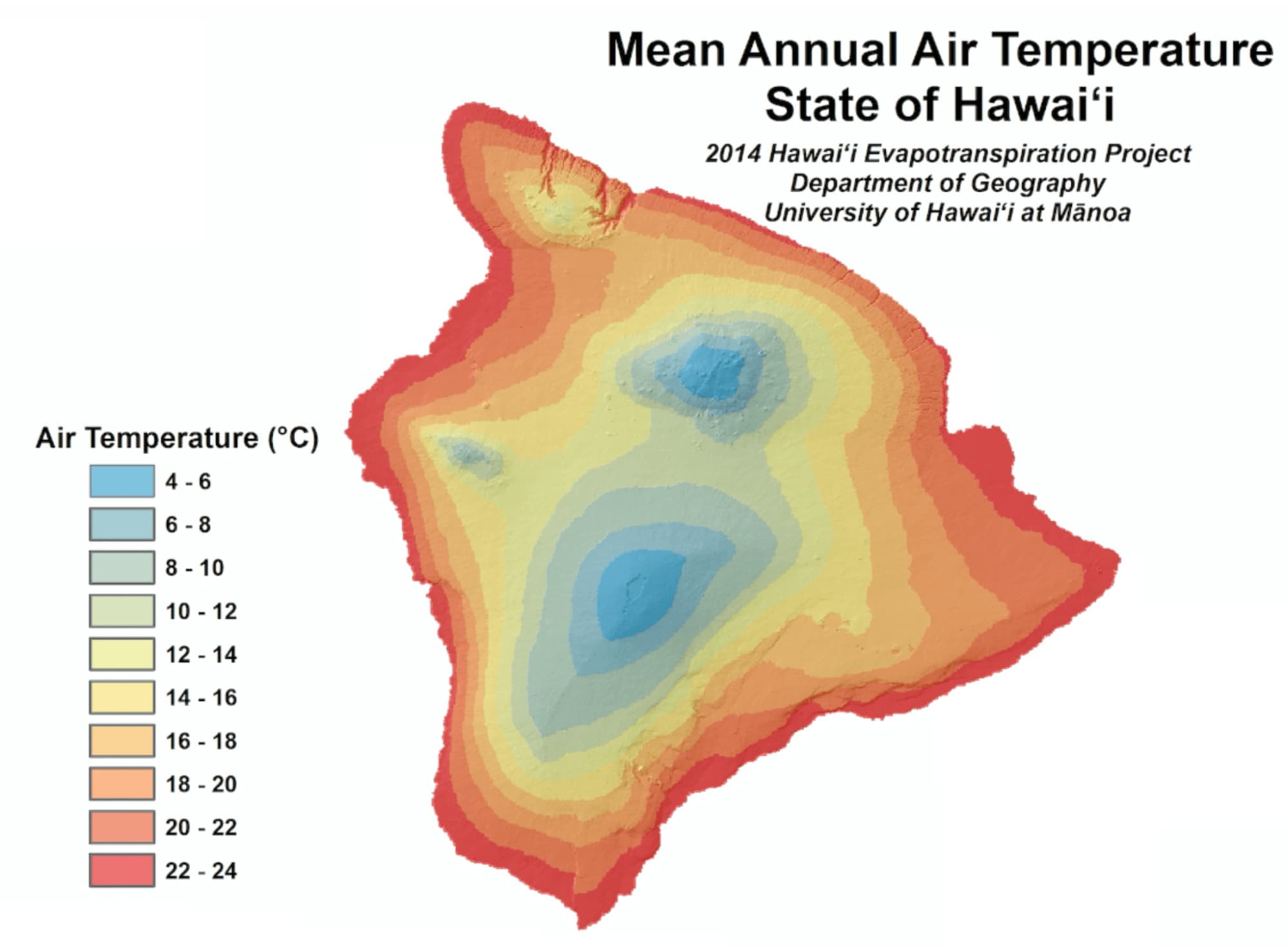
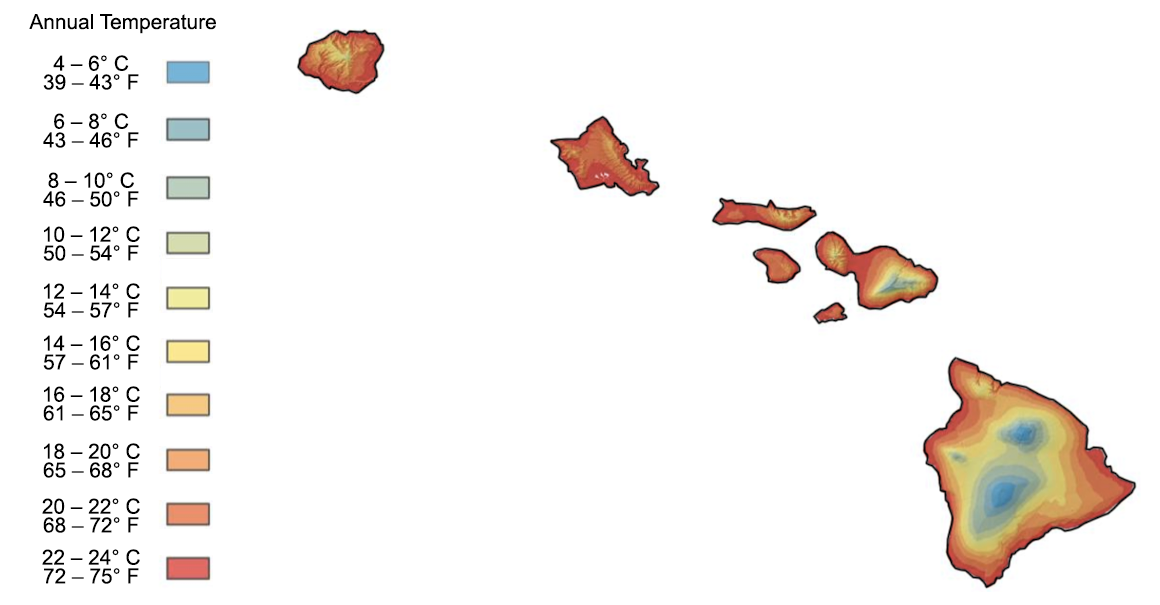
The elevation of a location also plays a critical role in its climate. As you ascend the volcanic slopes of mountains like Mauna Kea and Mauna Loa on the Island of Hawaii, temperatures drop significantly. While the coastal areas remain tropical, the higher elevations can experience conditions akin to alpine environments, with frost and even snow possible at the summits of the tallest peaks.
Visiting these higher elevations requires careful preparation, as the temperature can plummet, and the air thins. However, the reward is often spectacular, offering unparalleled stargazing opportunities from observatories on Mauna Kea or breathtaking panoramic views of the islands. This dramatic temperature change with altitude is a unique feature of Hawaii’s climate, contributing to its diverse ecosystems and offering a stark contrast to the warm, balmy lowlands. For adventure travelers and nature enthusiasts, exploring these elevated regions provides a completely different perspective on the islands’ natural beauty.
Planning Your Visit: Choosing the Best Time and Place
With a general understanding of Hawaii’s climate, you can now make informed decisions about when to visit and which island or region best suits your travel style and desires. Whether you’re seeking the perfect surf, a tranquil beach escape, or an immersive cultural experience, Hawaii’s climate can accommodate your needs.
Ideal Seasons for Different Activities
-
Beach Lovers and Sun Seekers: The summer months (May-October) generally offer the most consistent sunshine and calmest waters, especially on the leeward coasts. This is the ideal time for lounging on beaches like Lanikai Beach or enjoying water sports in areas like Ma’alaea Harbor.
-
Surfing Enthusiasts: The winter months (November-April) are synonymous with epic surf on the north shores of islands like Oahu, making it the mecca for big wave surfing. While the north can be rough, south and west shores often remain calm enough for swimming and snorkeling.
-
Nature and Hiking Enthusiasts: Both seasons offer incredible opportunities. The winter rains invigorate the landscapes, making them incredibly lush and vibrant, perfect for exploring waterfalls and rainforests. The summer offers drier trails and generally more predictable weather for longer hikes.
-
Whale Watching: The winter season (December-May) is the peak time to witness the majestic humpback whales as they migrate to Hawaii’s warm waters to breed and calve. Dedicated whale-watching tours depart from various harbors across the islands, offering unforgettable encounters.
Island-Specific Climate Considerations
While the general patterns apply across the archipelago, each island has its unique climatic nuances:
-
Oahu: Offers a wide range of climates, from the sunny leeward shores of Waikiki to the wetter, more dramatic windward coast. The higher elevations in the Ko’olau Mountains receive more rainfall.
-
Maui: Known for its distinct leeward dryness in areas like Kaanapali and Wailea, contrasted with the extremely lush, rain-soaked Road to Hana on its windward side. Haleakala National Park presents a significant elevation-based climate change, from tropical to near-alpine.
-
Kauai: Often called the “Garden Isle” due to its abundant rainfall, especially on its windward north and east shores. The south and west shores, including areas around Poipu, tend to be drier and sunnier, offering a more resort-centric experience. The Na Pali Coast showcases dramatic rainfall patterns influencing its sheer beauty.
-
Island of Hawaii (Big Island): Due to its vast size and elevation, it exhibits the most diverse climates. From the sunny, arid Kona coast (leeward) to the lush, wet Hilo side (windward), and the frigid summits of Mauna Kea and Mauna Loa, the Big Island offers a climate for every preference. Its volcanic landscapes create unique microclimates, including lava fields that experience less rainfall.
By considering these factors, travelers can tailor their Hawaiian adventure to perfectly match their climatic expectations, ensuring a memorable and enjoyable experience. Whether you’re booking a beachfront suite at the Halekulani in Honolulu or a budget-friendly apartment for a long-term stay in Kihei, understanding Hawaii’s climate will undoubtedly enhance your journey through this tropical paradise.
LifeOutOfTheBox is a participant in the Amazon Services LLC Associates Program, an affiliate advertising program designed to provide a means for sites to earn advertising fees by advertising and linking to Amazon.com. Amazon, the Amazon logo, AmazonSupply, and the AmazonSupply logo are trademarks of Amazon.com, Inc. or its affiliates. As an Amazon Associate we earn affiliate commissions from qualifying purchases.