
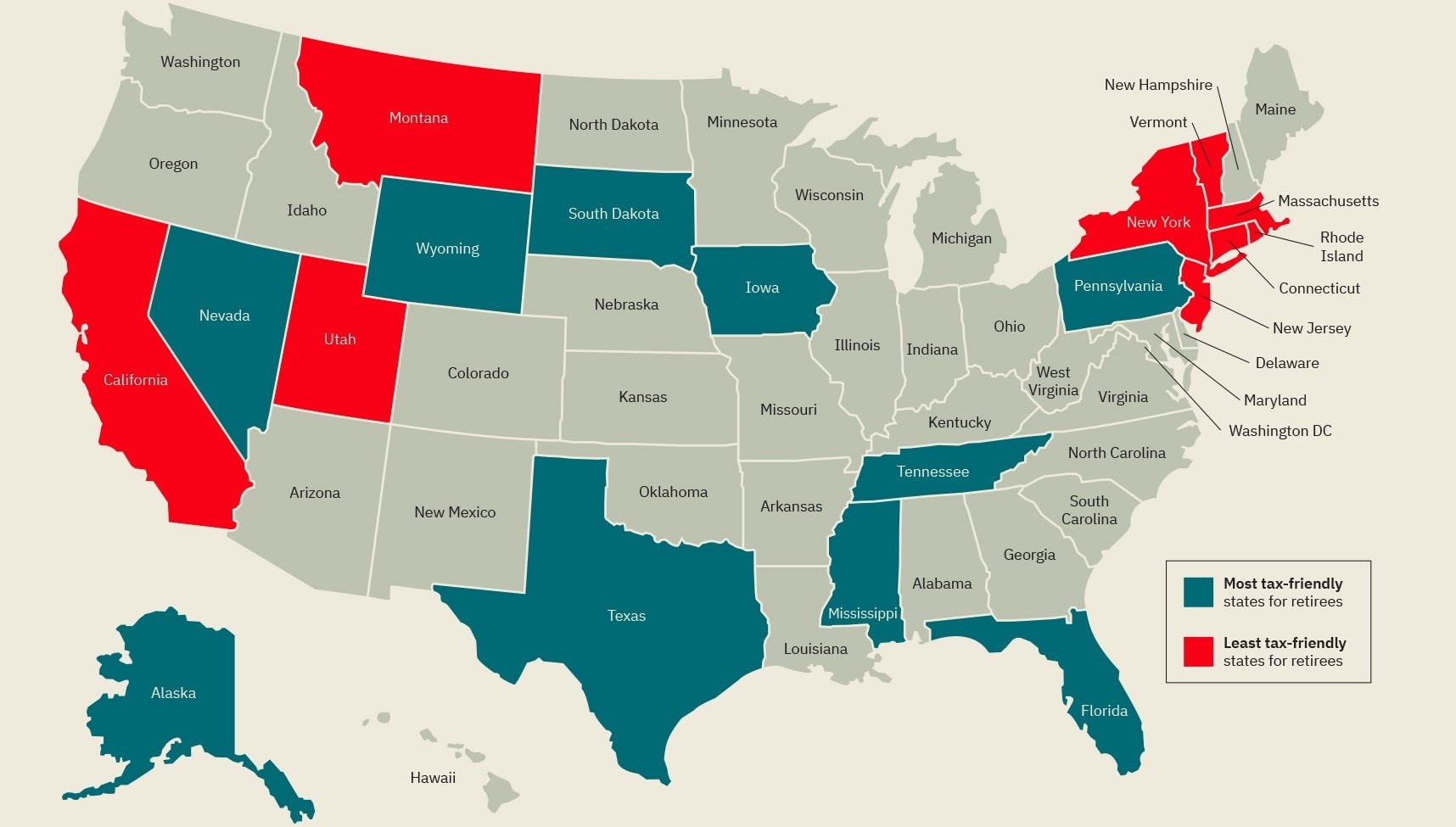
For many contemplating their golden years, the allure of California‘s diverse landscapes, vibrant culture, and pleasant climate is undeniable. The prospect of enjoying a retirement lifestyle amidst ocean breezes, mountain vistas, and bustling cities often draws individuals to the Golden State. However, a crucial consideration for anyone planning their retirement income and overall financial well-being is the state’s tax landscape. Understanding how California taxes various forms of retirement income is paramount to crafting a sustainable and enjoyable lifestyle in this popular destination. While California does not tax Social Security benefits, its approach to other retirement income sources warrants a deeper look for prospective and current retirees.

Understanding California’s Income Tax System for Retirees
California operates a progressive income tax system, meaning higher earners pay a larger percentage of their income in taxes. This system applies to most types of income, including many forms of retirement income. Unlike some states that offer significant tax breaks for retirees, California’s general income tax rules largely extend to retirement distributions, with notable exceptions. The state’s commitment to public services and infrastructure is supported by these tax revenues, which, while sometimes higher than in other states, also contribute to the quality of life and extensive amenities available to residents.
For a retiree contemplating a move or considering their long-term financial strategy within the state, grasping the nuances of this system is critical. It influences not only the net amount of income available for daily expenses and discretionary spending but also plays a role in larger lifestyle decisions, such as housing choices, travel plans, and engagement in various recreational activities. Effective financial planning in California involves more than just calculating monthly expenses; it requires a strategic understanding of how income from pensions, IRAs, and other investment vehicles will be treated come tax season. This understanding forms the bedrock of a secure and comfortable retirement lifestyle.
Specifics: Pensions, IRAs, and 401(k) Distributions
When it comes to the most common sources of retirement income, California’s tax policies are relatively straightforward: most are taxable.
Pensions
Pension income, whether from a private company, state, or federal government, is generally considered taxable income in California. This means that if you receive a defined benefit pension, the distributions you receive will be subject to the state’s ordinary income tax rates. This can have a significant impact on your net monthly income, particularly for those with substantial pension benefits. Retirees moving from states with more favorable pension tax treatment might find this a notable adjustment. For instance, a former government employee receiving a California Public Employees’ Retirement System (CalPERS) pension will find their benefits fully taxable at the state level.
Traditional IRA and 401(k) Distributions
Distributions from traditional Individual Retirement Accounts (IRAs) and 401(k) plans are also fully taxable at California’s ordinary income tax rates, to the extent they were not previously taxed (i.e., tax-deferred contributions and earnings). This is a common practice across many states, but given California’s higher income tax brackets, the impact can be more pronounced.
For example, if you withdraw $50,000 from your traditional IRA in a year, that entire amount will be added to your adjusted gross income for state tax calculations. This means careful planning for Required Minimum Distributions (RMDs) and other withdrawals is essential to manage your tax liability and maintain your desired lifestyle. Understanding how these distributions interact with other income sources is a cornerstone of effective retirement financial planning in the state.
Roth IRA and Roth 401(k) Distributions
One significant advantage for retirees in California concerns Roth accounts. Qualified distributions from Roth IRAs and Roth 401(k)s are entirely tax-free at both the federal and state levels. This makes Roth accounts an invaluable tool for retirement planning in high-tax states like California. For individuals who contributed to a Roth account during their working years, these tax-free withdrawals in retirement can significantly enhance their financial flexibility and quality of life. The ability to access tax-free funds can be a strategic advantage, especially when managing overall taxable income to stay in lower tax brackets.
Social Security and Other Retirement Benefits
While California has a reputation for high taxes, it offers a significant break for one of the most fundamental sources of retirement income.

Social Security Benefits
Crucially, California does not tax Social Security benefits. This is a considerable advantage for retirees in the state, as these benefits can form a substantial portion of their fixed income. This policy contrasts with some other states that tax a portion of Social Security benefits based on income thresholds. For retirees relying heavily on Social Security, this exemption means that their full benefit amount contributes directly to their living expenses and lifestyle choices without state-level deductions. This policy can help mitigate the impact of other taxable retirement income, making California a more financially viable option for many retirees than it might initially appear based solely on its general income tax rates.
Other Benefits and Income Sources
Other types of retirement-related income are typically subject to California’s standard income tax rules. This includes:
- Annuity Payments: Non-qualified annuity payments are generally taxable to the extent they represent gains.
- Rental Income: If you own rental properties as part of your retirement portfolio, the net rental income will be taxed at ordinary income rates.
- Capital Gains: Sales of assets like stocks, bonds, or real estate (beyond primary residence exemptions) can result in capital gains, which are taxed as ordinary income in California for state purposes. This is particularly relevant for retirees managing investment portfolios.
Understanding how these diverse income streams are treated is vital for holistic retirement planning. A robust financial strategy goes beyond just pensions and 401(k)s, encompassing all assets and income-generating ventures that contribute to a retiree’s lifestyle.
Strategies for a Tax-Efficient California Retirement Lifestyle
Navigating California’s tax landscape as a retiree requires careful planning and a proactive approach. While the state’s tax burden can be higher than in some other locales, strategic financial management can help optimize your retirement lifestyle.
Maximize Roth Contributions
For those still working or with the ability to convert traditional IRA funds, prioritizing Roth accounts can offer significant long-term benefits. Tax-free withdrawals in retirement provide a predictable income source immune to future tax rate increases and free from California’s income tax. This strategy allows retirees to enjoy more of their hard-earned money and maintain a desired lifestyle without unexpected tax surprises.
Understand Your Tax Bracket
California has multiple income tax brackets. Being aware of where your total taxable income (excluding Social Security) falls can help you make informed decisions about withdrawals. For example, staggering large withdrawals or conversions over multiple years could help keep you in a lower bracket, reducing your overall tax liability. Consulting with a financial advisor specializing in retirement planning for high-tax states can provide personalized insights into managing your income streams effectively.
Consider Location Within California
While state income tax rates are uniform, local taxes and the overall cost of living vary significantly across California. Areas like San Francisco or Los Angeles have notoriously high costs of living, particularly for housing. However, more affordable retirement communities exist in regions like the Central Valley or certain parts of the Inland Empire. Choosing a location that aligns with both your desired lifestyle and your budget, factoring in property taxes and local sales taxes, can significantly impact your financial longevity. This geographical consideration is a key component of budget travel within your own state, ensuring your retirement savings stretch further.
Leverage Deductions and Credits
Like federal taxes, California offers various deductions and credits that can reduce your taxable income. These might include deductions for medical expenses, property taxes, or charitable contributions. Staying informed about available tax breaks and working with a knowledgeable tax professional can ensure you take advantage of every opportunity to lower your state tax bill.
Beyond Taxes: The Full Picture of Retiring in the Golden State
While tax considerations are vital, a truly holistic approach to a California retirement lifestyle involves weighing various factors. The high cost of living, particularly housing, can be a more significant financial hurdle than income taxes for many. However, the state also offers unparalleled amenities: world-class healthcare facilities, diverse cultural attractions, abundant outdoor recreation opportunities, and a generally pleasant climate.
For many, the quality of life, access to vibrant communities, and the ability to pursue a wide array of hobbies and interests outweigh the higher tax burden. Whether it’s daily hikes in the Sierra Nevada, enjoying fresh produce from local farmers’ markets, or exploring the museums and theaters of major cities, California provides a rich environment for retirement.
Ultimately, the decision of whether California is the right place for your retirement lifestyle involves a personalized assessment of your financial situation, lifestyle preferences, and priorities. While the state does tax most forms of retirement income (excluding Social Security and qualified Roth distributions), proactive financial planning and a clear understanding of its tax system can enable retirees to enjoy all that the Golden State has to offer.
LifeOutOfTheBox is a participant in the Amazon Services LLC Associates Program, an affiliate advertising program designed to provide a means for sites to earn advertising fees by advertising and linking to Amazon.com. Amazon, the Amazon logo, AmazonSupply, and the AmazonSupply logo are trademarks of Amazon.com, Inc. or its affiliates. As an Amazon Associate we earn affiliate commissions from qualifying purchases.