
Navigating the intricacies of vehicle ownership and operation in a major metropolitan area like Chicago is a crucial aspect for anyone considering a long-term stay, relocation, or even extended business trips. For those planning a new life chapter, setting up a temporary base for work, or simply exploring the possibilities of what it means to drive in the Windy City as part of their lifestyle, understanding local regulations is paramount. One such regulation, often overlooked until the last minute, pertains to vehicle emissions testing. For vehicle owners and potential residents of Chicago, the answer is a resounding “yes,” but with specific nuances tied to the vehicle’s location, age, and type. This requirement is not just a bureaucratic hurdle; it’s a vital component of the state’s effort to maintain air quality, directly impacting the environmental well-being of its urban and suburban inhabitants, thus shaping the broader lifestyle experience in the region.
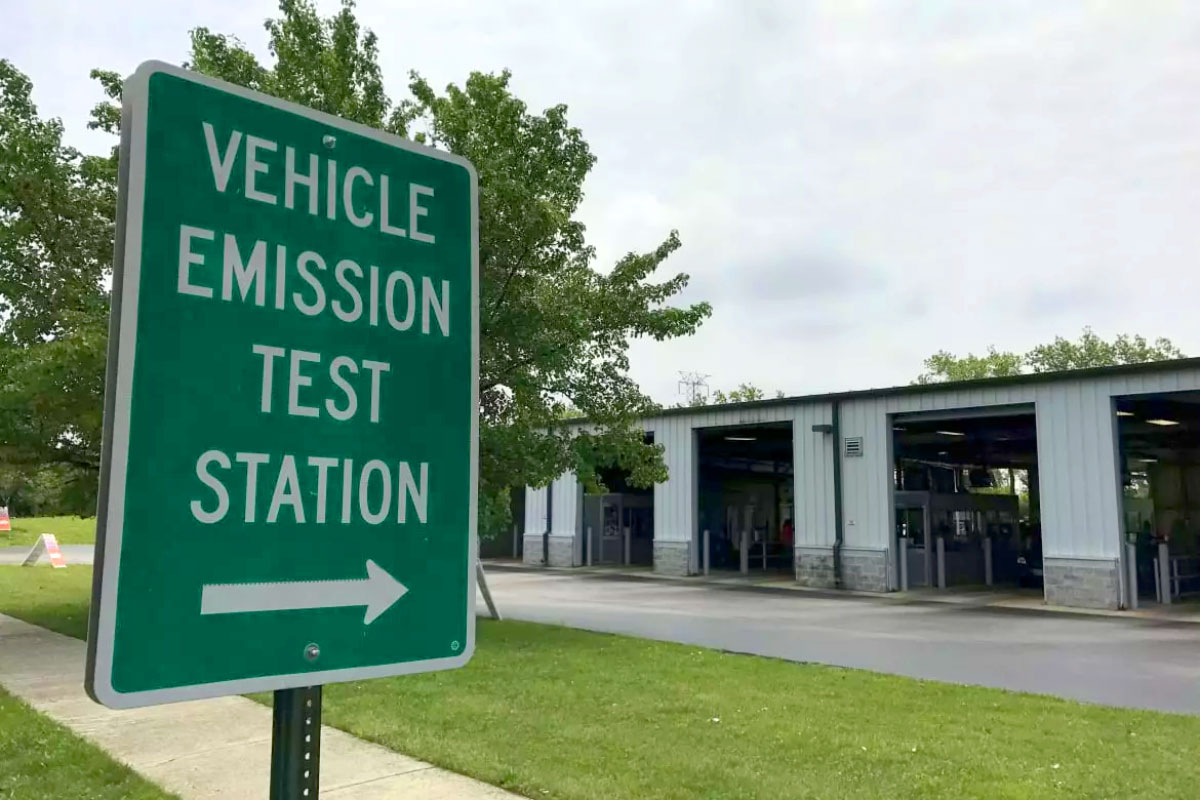
Understanding Illinois’ Vehicle Emissions Testing Program
The state of Illinois has long been proactive in addressing air quality concerns, especially within its most populous regions. The vehicle emissions testing program, managed by the Illinois EPA, is a cornerstone of this environmental stewardship. For individuals who reside, work, or frequently visit Chicago with their vehicles, comprehending this program is essential for a compliant and stress-free lifestyle. It’s not merely about passing a test; it’s about contributing to cleaner air, which in turn enhances the quality of life for everyone in the metropolitan area.
The Illinois EPA’s Role in Air Quality
The Illinois EPA oversees the emissions inspection and maintenance (I/M) program, designed to identify vehicles that emit excessive pollutants. These pollutants contribute to smog and other air quality issues, which can have significant health impacts, particularly in dense urban environments. For residents and those considering a lifestyle change to Chicago, knowing that the state actively works to mitigate these issues can be a comfort, ensuring a healthier environment for families and individuals. The program specifically targets vehicle types that are major contributors to these emissions, aiming to reduce the overall carbon footprint of the transport sector. This commitment reflects a broader societal value often embraced by urban dwellers—a desire for sustainable living and environmental responsibility.
Geographic Scope: Which Areas are Affected?
While the program is statewide, the requirement for emissions testing is not universal across all counties in Illinois. Emissions testing is specifically mandated for vehicles registered in Cook County, and the collar counties surrounding Chicago, including DuPage County, Lake County, Kane County, Will County, and McHenry County. Additionally, parts of Madison County and St. Clair County in the Metro East area (near St. Louis) are also included.
For someone relocating to Chicago or one of its vibrant suburban communities, understanding this geographic delineation is critical. A move from a non-testing county to Cook County, for example, will trigger the emissions testing requirement for vehicle registration. This affects the practical aspects of settling in, from budgeting for potential repairs to scheduling appointments. This regional focus ensures that the areas most affected by urban pollution benefit directly from the program, enhancing the overall lifestyle appeal of these dense population centers.
Who Needs an Emissions Test in Chicago? Navigating Vehicle Eligibility
The question of “who” needs an emissions test in Chicago is central to preparing for vehicle registration and maintenance in the region. This isn’t a blanket rule for all vehicles but rather a targeted requirement based on specific criteria that directly impacts various lifestyle choices related to vehicle ownership. Whether you’re a new resident bringing your car from out of state, a long-term visitor, or a business professional managing a fleet, understanding these criteria can save time and prevent legal complications.
Vehicle Age and Type Requirements
Generally, most gasoline-powered passenger vehicles and light-duty trucks manufactured in 1996 or newer are subject to emissions testing. Vehicles are typically required to be tested every two years, usually coinciding with their registration renewal cycle. This biennial testing schedule integrates smoothly into the routine maintenance lifestyle of vehicle owners, making it a predictable part of car ownership in Illinois. The program primarily targets vehicles that rely on an On-Board Diagnostic (OBD-II) system, which has been standard in most vehicles since 1996. This system monitors engine performance and emissions components, allowing for an efficient and accurate assessment of a vehicle’s environmental impact. For those who frequently upgrade their vehicles, newer cars often meet emission standards more easily, reflecting a modern, environmentally conscious lifestyle choice.
Key Exemptions for Various Lifestyles
While the rules apply broadly, several exemptions exist, catering to different vehicle types and owner lifestyles:
- New Vehicles: Brand new vehicles are typically exempt for the first four model years, offering a grace period for new car owners. This provides peace of mind for those investing in a new vehicle, knowing they won’t immediately face a testing requirement.
- Older Vehicles: Vehicles manufactured before 1996 are often exempt because they typically do not have the OBD-II system required for modern emissions testing. This can be relevant for enthusiasts who prefer classic cars, integrating seamlessly with a vintage vehicle lifestyle.
- Antique Vehicles: Vehicles classified as “antique” (generally 25 years or older and used primarily for exhibition or club activities) are also exempt. This exemption is crucial for collectors and those who cherish their vintage rides, ensuring their hobby aligns with local regulations.
- Motorcycles: Motorcycles are not subject to emissions testing in Illinois. This simplifies vehicle management for motorcycle enthusiasts who enjoy the open roads of Illinois and beyond.
- Diesel-Powered Vehicles: Diesel vehicles are currently exempt from the passenger vehicle emissions testing program in Illinois. This is an important distinction for commercial drivers or individuals who opt for diesel vehicles, affecting their operational lifestyle in the state.
- Heavy-Duty Vehicles: Vehicles with a gross vehicle weight rating (GVWR) over 8,500 pounds are typically exempt from the passenger vehicle testing program, falling under different commercial vehicle regulations if applicable.
Understanding these exemptions is vital for diverse lifestyles, from the eco-conscious driver buying a new car to the collector preserving automotive history. It ensures that individuals can make informed decisions about vehicle purchases and usage within the state.
The Testing Process and Its Implications for Vehicle Ownership
For those living or planning to establish a life in Chicago, knowing the emissions testing process is more than just procedural knowledge; it’s about managing a critical aspect of vehicle ownership that impacts daily routines, financial planning, and the overall lifestyle experience. A smooth testing experience means continued mobility and compliance, while issues can lead to unexpected delays and costs.
What to Expect During the Test
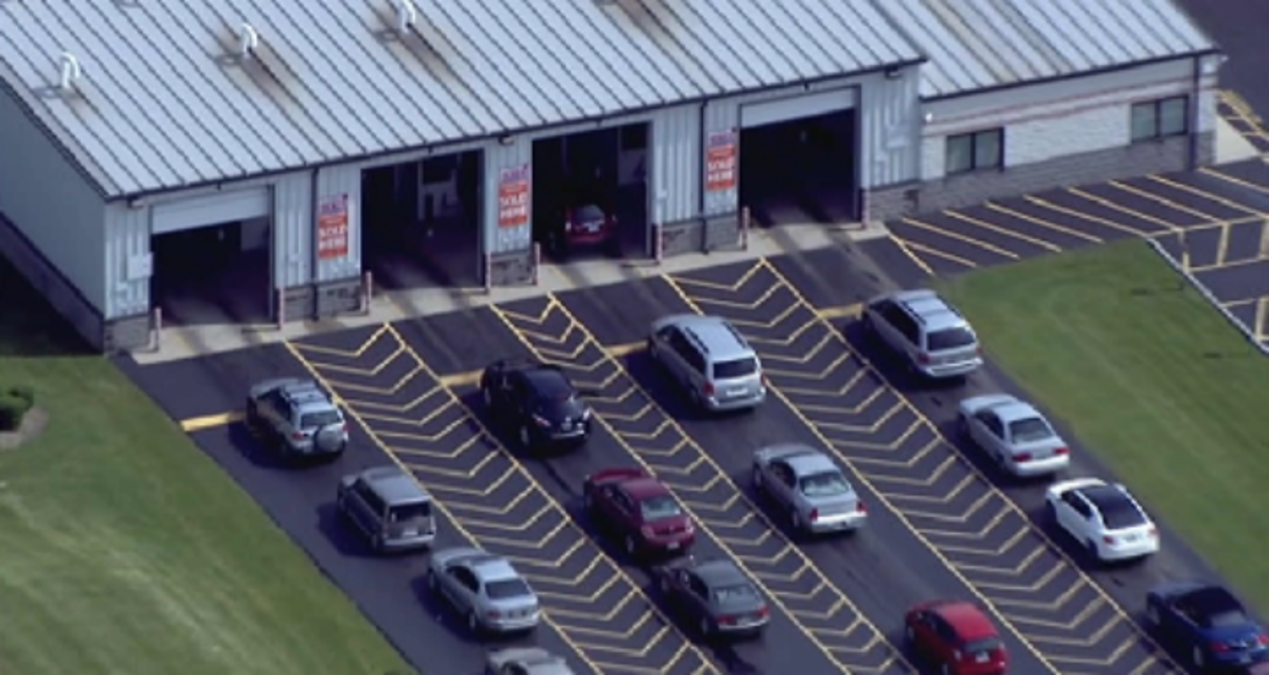
The emissions test itself is designed to be quick and efficient. For most eligible vehicles (1996 and newer), the test involves connecting a diagnostic tool to the vehicle’s On-Board Diagnostic (OBD-II) port. This system communicates with the vehicle’s computer to read emission-related codes and verify the proper functioning of emission control components. There is no tailpipe test for these vehicles; the process relies entirely on the vehicle’s self-diagnostic capabilities. The test technician will also perform a visual inspection of the vehicle’s gas cap. The entire process typically takes less than 15 minutes and is free of charge at official Illinois EPA testing stations. This convenience is a significant factor in urban living, where time is often at a premium, allowing residents to integrate this requirement seamlessly into their busy lifestyles.
What Happens if Your Vehicle Fails?
A failed emissions test can disrupt plans and create a setback for a resident’s lifestyle. If a vehicle fails, the owner receives a Vehicle Inspection Report detailing the reasons for the failure. The primary implication is that the vehicle cannot be registered or have its registration renewed until it passes an emissions retest or receives a waiver.
- Repairs: The most common next step is to have the vehicle repaired by a qualified technician. The report provides guidance on potential issues, helping owners communicate effectively with repair shops. Budgeting for potential repairs is an important part of vehicle ownership in any major city, and failing an emissions test highlights the need for a contingency fund.
- Retesting: After repairs, the vehicle must undergo a retest. If it passes, the owner can proceed with registration.
- Waivers: In some cases, if a vehicle fails despite good-faith repair efforts, a waiver might be granted. This usually requires proof of substantial repair costs (a minimum amount set by the Illinois EPA) and documentation that all emission-related repairs were performed by a recognized facility. Obtaining a waiver allows the owner to register the vehicle without passing the test, providing a safety net for those who face persistent issues, though it requires meticulous record-keeping and follow-through.
Understanding these implications is crucial for managing the practicalities of car ownership, impacting financial planning, daily commuting, and the overall convenience of urban living.
Emissions Testing for Different Lifestyles in the Windy City
The emissions testing requirement in Chicago has distinct implications depending on an individual’s lifestyle and reason for being in the city. From long-term residents to transient visitors, knowing how these regulations apply can significantly streamline one’s experience.
For New Residents and Those Relocating to Chicago
For individuals or families moving to Chicago from another state or even another part of Illinois, vehicle registration is a primary concern. If you’re establishing residency in a testing area (e.g., Cook County), your vehicle will likely need to pass an emissions test before you can complete its registration in Illinois. This is a crucial step in the relocation lifestyle checklist. It’s advisable to check your vehicle’s eligibility and schedule a test shortly after arriving to avoid delays in obtaining your Illinois license plates. Proactive planning can prevent last-minute stress, ensuring a smoother transition into your new urban lifestyle.
For Business Professionals and Corporate Stays
Business professionals who are on extended assignments in Chicago and bring their personal vehicles, or whose companies provide them with vehicles, must also be aware of these regulations. If a company vehicle is registered in a testing county, it will be subject to the same requirements. For those whose “lifestyle” involves frequent business travel or temporary relocation, ensuring corporate compliance with local vehicle regulations is essential. It prevents interruptions to business operations and maintains a professional image, underscoring the importance of logistical preparedness in a corporate lifestyle.
For Family Road Trips and Extended Visits
While short-term visitors passing through Chicago on a family road trip are generally not affected if their vehicle is registered in another state, individuals planning an extended stay (e.g., several months) should still be aware. If your stay transitions into a de facto residency, you might eventually need to register your vehicle in Illinois, triggering the emissions test. Similarly, individuals renting vehicles from reputable agencies within Chicago can rest assured that these vehicles typically meet all local compliance requirements. However, for those considering private long-term car rentals or borrowing vehicles, understanding the vehicle’s registration status is important. A family’s vacation lifestyle should ideally be free of unexpected regulatory hurdles, making prior knowledge beneficial.
For Collectors and Enthusiasts with Classic Vehicles
The lifestyle of an automotive enthusiast often involves owning classic or antique vehicles. As noted earlier, vehicles designated as “antique” (typically 25 years or older and used for specific purposes) are generally exempt from emissions testing. This exemption provides peace of mind for collectors living in or moving to Chicago, allowing them to enjoy their passion without the burden of regular emissions compliance. It’s a key detail that supports the unique “collector” lifestyle, demonstrating that the regulations are tailored to accommodate various forms of vehicle ownership.
Ensuring Compliance and Accessing Resources for a Seamless Chicago Experience
Understanding and complying with emissions testing is a fundamental part of a responsible and stress-free lifestyle for anyone operating a vehicle in Chicago. It’s not just about avoiding fines or registration delays; it’s about contributing to the city’s air quality and enjoying the benefits of a well-regulated urban environment.
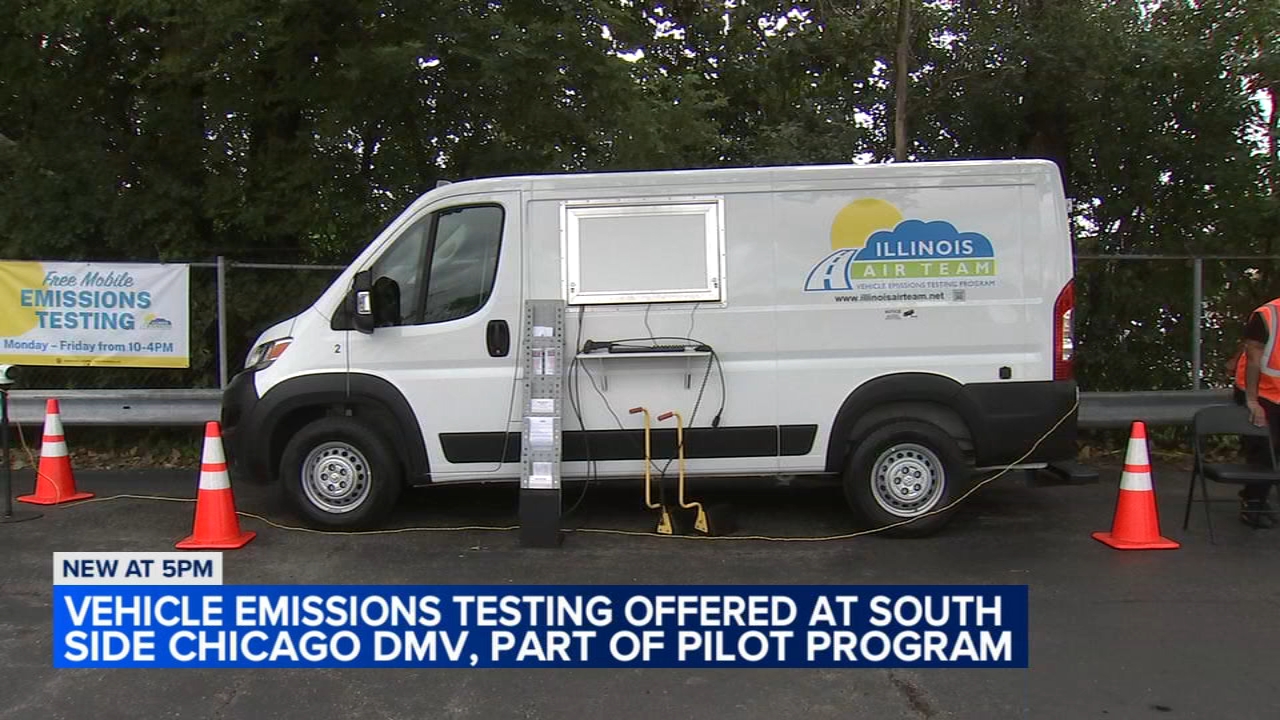
The Illinois EPA provides numerous resources for vehicle owners. Their official website is the best place to find detailed information on testing locations, hours of operation, vehicle eligibility, and exemption criteria. It also offers comprehensive guides on what to do if your vehicle fails an inspection, including information on repair requirements and waiver applications. For new residents, the Illinois Secretary of State’s office provides parallel information regarding vehicle registration requirements. By utilizing these official channels, individuals can ensure they have the most accurate and up-to-date information, streamlining their vehicle-related tasks and contributing to a seamless and compliant urban lifestyle in Chicago.
LifeOutOfTheBox is a participant in the Amazon Services LLC Associates Program, an affiliate advertising program designed to provide a means for sites to earn advertising fees by advertising and linking to Amazon.com. Amazon, the Amazon logo, AmazonSupply, and the AmazonSupply logo are trademarks of Amazon.com, Inc. or its affiliates. As an Amazon Associate we earn affiliate commissions from qualifying purchases.