
Nestled in the breathtaking grandeur of the Rocky Mountains, Estes Park, Colorado, stands as a premier destination for adventurers and nature enthusiasts alike. Its geographical placement is not merely a coordinate on a map; it’s a strategic gateway to one of America’s most cherished national treasures, offering a unique blend of rugged wilderness and charming small-town appeal. Understanding its precise location is the first step in unlocking the myriad experiences this iconic mountain town provides.
The Geographical Heart of Rocky Mountain Majesty
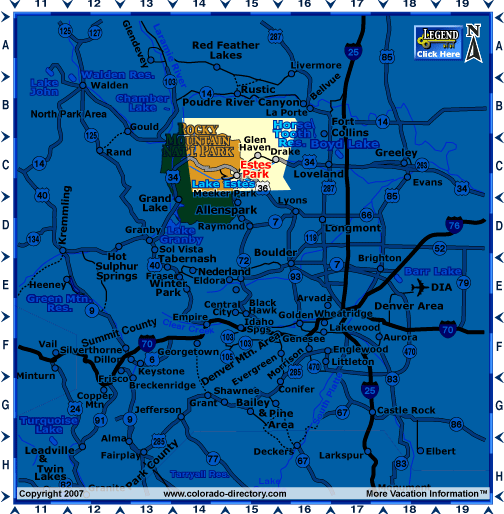
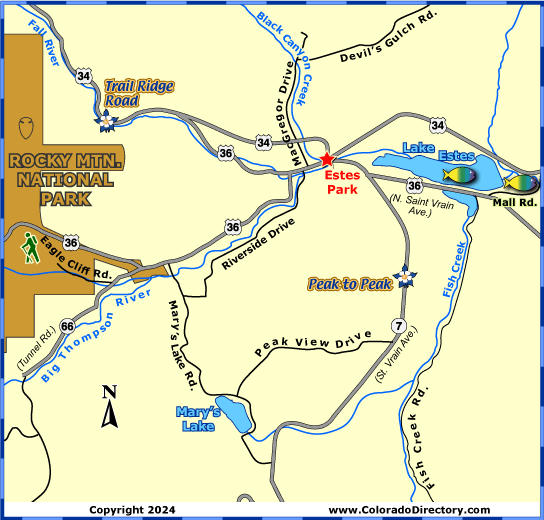
Estes Park is strategically situated in northern Colorado, approximately 7,522 feet (2,293 meters) above sea level. This elevation places it squarely within the subalpine zone, contributing to its distinct climate and diverse ecosystems. The town serves as the eastern entrance and headquarters for Rocky Mountain National Park, a designation that profoundly shapes its identity and appeal. Its location at the confluence of the Big Thompson River and Fall River further enhances its scenic beauty, with flowing waters carving through dramatic mountainous terrain.
Unveiling Estes Park’s Prime Location
Geographically, Estes Park is positioned at the base of the Front Range of the Rocky Mountains. This means it offers immediate access to towering peaks, alpine lakes, and expansive forests that define the national park. The town itself is built around Lake Estes, a picturesque reservoir that reflects the surrounding landscape and provides a focal point for various recreational activities. To the west, the formidable peaks of the Continental Divide loom large, forming a natural boundary and shaping the weather patterns that bless the area with abundant snowfall in winter and vibrant wildflowers in summer. Its position ensures that visitors are enveloped by mountain vistas from nearly every vantage point within the town.
Proximity to Major Hubs
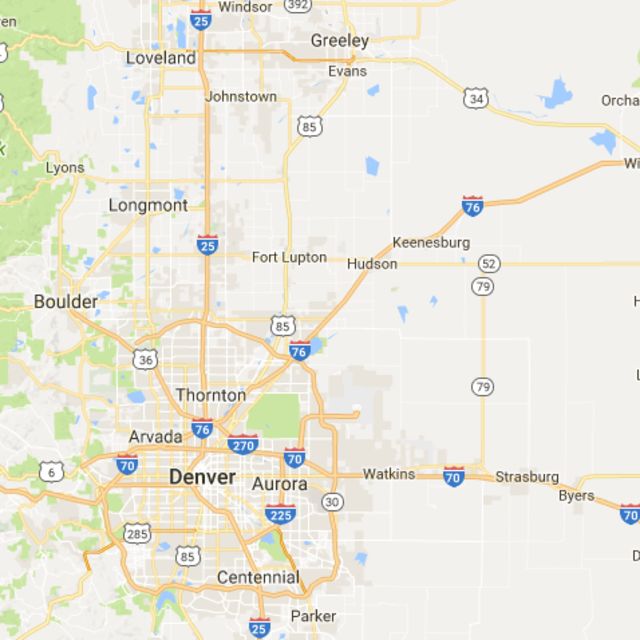
Despite its secluded, mountain-town feel, Estes Park is remarkably accessible from Colorado’s major urban centers. It is located roughly 65-70 miles northwest of Denver, the state capital and home to Denver International Airport (DIA), the primary entry point for most out-of-state visitors. The drive from Denver typically takes about 1.5 to 2 hours, depending on traffic and specific route chosen.
From Boulder, another significant Colorado city known for its outdoor recreation and vibrant culture, Estes Park is even closer, approximately 40 miles to the northwest. The drive from Boulder is often considered one of the most scenic approaches, offering stunning views as you ascend into the mountains.
The primary routes into Estes Park include:
- U.S. Highway 36: This route offers the most direct access from Denver and Boulder, passing through towns like Lyons before a scenic climb into Estes Park.
- U.S. Highway 34: Also known as the Big Thompson Canyon Road, this route connects Estes Park to Loveland and I-25, providing an alternative for those coming from the north or east. It’s famous for its dramatic canyon scenery, though it can be more winding.
These routes are well-maintained, but visitors should always check road conditions, especially during winter months, when snow and ice can impact travel.
A Gateway to Unforgettable Rocky Mountain Adventures
Estes Park’s prime location means it serves as much more than just a place on a map; it’s the starting point for countless adventures. The town’s direct connection to Rocky Mountain National Park makes it an ideal base camp for exploring its vast wilderness, while also offering its own unique attractions and activities.
Exploring Rocky Mountain National Park
The national park is undoubtedly the crown jewel of the region, and Estes Park is its most convenient launching pad. With multiple entrances just minutes from town, visitors can quickly immerse themselves in an environment characterized by:
- Hiking Trails: From easy lakeside strolls to strenuous alpine ascents, the park boasts over 350 miles of hiking trails. Popular routes include the Bear Lake Road Corridor, which provides access to iconic spots like Emerald Lake Trail, Dream Lake, and Alberta Falls. The Longs Peak Trailhead offers a challenging climb to one of Colorado’s famed fourteeners.
- Scenic Drives: Trail Ridge Road, often dubbed “Highway to the Sky,” traverses the park from east to west, reaching an elevation of 12,183 feet (3,713 meters) and offering unparalleled panoramic views of the alpine tundra. It’s an unforgettable experience, though it’s typically open only from late May/early June to mid-October due to snow.
- Wildlife Viewing: Rocky Mountain National Park is a haven for wildlife. Elk are commonly seen grazing in meadows and even within Estes Park itself, particularly during the autumn rut. Bighorn sheep frequent the higher elevations, while moose, deer, and various bird species are also abundant.
- Winter Sports: During the colder months, the park transforms into a serene winter wonderland, ideal for snowshoeing, cross-country skiing, and backcountry touring.
Beyond the Park Gates: Estes Park’s Local Charms
While the national park is a major draw, Estes Park itself is a vibrant destination with plenty to offer. The town has cultivated its own distinct identity, blending outdoor recreation with cultural and historical attractions.
- Downtown Estes Park: The charming downtown area, situated along the Estes Park Riverwalk, is a hub of activity. Visitors can browse unique gift shops, art galleries showcasing local talent, and enjoy diverse dining options, from casual cafes to upscale restaurants. Taffy shops are a local staple, offering a sweet treat that’s become synonymous with the town.
- The Stanley Hotel: This historic and majestic hotel, opened in 1909 by Freelan Oscar Stanley, is famed for inspiring Stephen King’s “The Shining.” Beyond its literary connection and rumored paranormal activity (which you can explore on a ghost tour), The Stanley Hotel offers stunning architecture, fine dining, and panoramic views of the surrounding mountains. It’s a landmark not to be missed.
- Estes Park Aerial Tramway: Operating from May through September, this tramway offers a unique ride up Prospect Mountain, providing incredible 360-degree views of Estes Park, Lake Estes, and the Continental Divide. It’s an easy way to gain elevation and capture stunning photographs.
- Lake Estes Marina: For those who prefer water-based activities, Lake Estes offers boating, paddleboarding, kayaking, and fishing. A scenic 3.75-mile paved trail encircles the lake, perfect for walking, jogging, or biking, with consistent views of the surrounding peaks.
Planning Your Journey: Getting There and Around
Effective planning is key to maximizing your Estes Park adventure, especially concerning travel and transportation within the region.
Driving Routes and Road Conditions
As mentioned, driving is the most common way to reach Estes Park. From DIA, travelers typically take Peña Boulevard to I-25 North, then either U.S. Highway 36 West from Denver/Boulder or U.S. Highway 34 West from Loveland. It’s crucial to check current road conditions, particularly during spring and fall when weather can be unpredictable, and certainly in winter when snow tires or chains might be required on mountain passes. Trail Ridge Road inside Rocky Mountain National Park is typically closed for several months each year due to snow, usually from mid-October to late May or early June, limiting trans-mountain travel within the park.
Public Transportation and Shuttle Services
While a personal vehicle offers the most flexibility, alternatives exist. Several shuttle services operate between DIA and Estes Park, providing a convenient option for those who prefer not to drive. Once in Estes Park, visitors can take advantage of the free shuttle bus system offered by the town and Rocky Mountain National Park during the peak summer season (typically late May to early October). These shuttles connect various points in town with popular trailheads and visitor centers within the park, significantly reducing traffic and parking frustrations. Utilizing these services is highly recommended, especially for accessing busy areas like the Bear Lake Road corridor.
Navigating the Region
For comprehensive exploration, having a car is often beneficial, particularly if you plan to visit multiple areas outside the main town or wish to explore attractions along the scenic highways. However, if your primary goal is hiking within Rocky Mountain National Park during peak season, relying on the park’s shuttle system can be more efficient and less stressful than hunting for parking. If visiting in the off-season, a car is almost essential as shuttle services are limited or non-existent.
Optimal Seasons for Your Estes Park Experience
The best time to visit Estes Park largely depends on your desired activities and preferences, as each season offers a distinct charm.
Summer’s Peak and Vibrancy
June through August represents the peak tourist season. The weather is generally warm and sunny, all park roads (including Trail Ridge Road) are open, and wildflowers bloom in abundance. This is ideal for extensive hiking, camping, and all forms of outdoor recreation. However, it also means larger crowds, higher prices, and the necessity of booking accommodations and timed-entry permits for Rocky Mountain National Park far in advance.
Autumn’s Golden Glow
September and early October bring spectacular fall foliage, with aspens turning brilliant shades of gold and orange. This is also the time of the elk rut, a fascinating period when male elk bugle loudly to attract mates, offering incredible wildlife viewing opportunities. Crowds are still significant but begin to thin by late October. The crisp air and vibrant colors make this a highly sought-after time to visit.
Winter Wonderland and Serenity
From November through April, Estes Park transforms into a peaceful winter wonderland. Activities like snowshoeing, cross-country skiing, and ice skating take center stage. While Trail Ridge Road closes, other parts of the park remain accessible for winter exploration. The town is quieter, offering a more serene experience, often with lower accommodation rates. Visitors should be prepared for cold temperatures and significant snowfall.
Spring’s Awakening
April and May are transition months. The snow begins to melt, wildflowers emerge at lower elevations, and wildlife becomes more active. While weather can be unpredictable, ranging from warm days to late-season snowstorms, it’s a great time for spotting baby animals and enjoying fewer crowds before the summer rush. Some higher elevation trails and roads may still be closed.
Essential Travel Tips for a Seamless Visit
To ensure a smooth and enjoyable trip to Estes Park, consider these vital tips.
High Altitude Awareness
Given its elevation, visitors unaccustomed to high altitudes should take precautions. Stay hydrated, avoid strenuous activity on your first day, and be aware of symptoms of altitude sickness such as headaches, nausea, or dizziness. Gradually acclimate before embarking on challenging hikes.
Park Entry Reservations
During peak seasons (typically late May to mid-October), Rocky Mountain National Park implements a timed-entry permit system for certain areas, including the Bear Lake Road Corridor and the rest of the park. It is absolutely crucial to check the National Park Service website for the latest requirements and reserve your entry permits well in advance, often months ahead of your visit. Without a permit, you may be denied entry during these times.
Wildlife Etiquette
Estes Park and Rocky Mountain National Park are home to abundant wildlife. Always maintain a safe distance from animals, never feed them, and store food securely to prevent attracting wildlife. This protects both you and the animals.
Packing Essentials
Pack in layers, as mountain weather can change rapidly. Sturdy hiking boots, rain gear, sunscreen, a hat, sunglasses, and plenty of water are essential regardless of the season. Even in summer, evenings can be cool.
Accommodation Booking
Estes Park is a popular destination, so booking your accommodation, whether a hotel, cabin, or vacation rental, well in advance is highly recommended, especially for summer and fall visits. Options range from cozy bed and breakfasts to full-service resorts like The Stanley Hotel.
By understanding where Estes Park is on the map and embracing its role as a vibrant mountain community and an unparalleled gateway to the Rocky Mountains, you are well-prepared for an unforgettable Colorado adventure.
LifeOutOfTheBox is a participant in the Amazon Services LLC Associates Program, an affiliate advertising program designed to provide a means for sites to earn advertising fees by advertising and linking to Amazon.com. Amazon, the Amazon logo, AmazonSupply, and the AmazonSupply logo are trademarks of Amazon.com, Inc. or its affiliates. As an Amazon Associate we earn affiliate commissions from qualifying purchases.