
Navigating Life’s Financial Crossroads: The 18th Birthday Milestone
The transition of a child reaching the age of 18 marks a significant milestone, not just for the individual, but also for the entire family dynamic. For many parents, especially those navigating co-parenting arrangements, this age often brings questions about ongoing financial responsibilities, particularly concerning child support. The assumption that child support automatically ceases the moment a child turns 18 is a common one, yet in California, the reality is often more nuanced, impacting the financial planning and lifestyle choices of both parents and children. Understanding these intricacies is crucial for maintaining financial stability and fostering a supportive environment as children transition into adulthood.
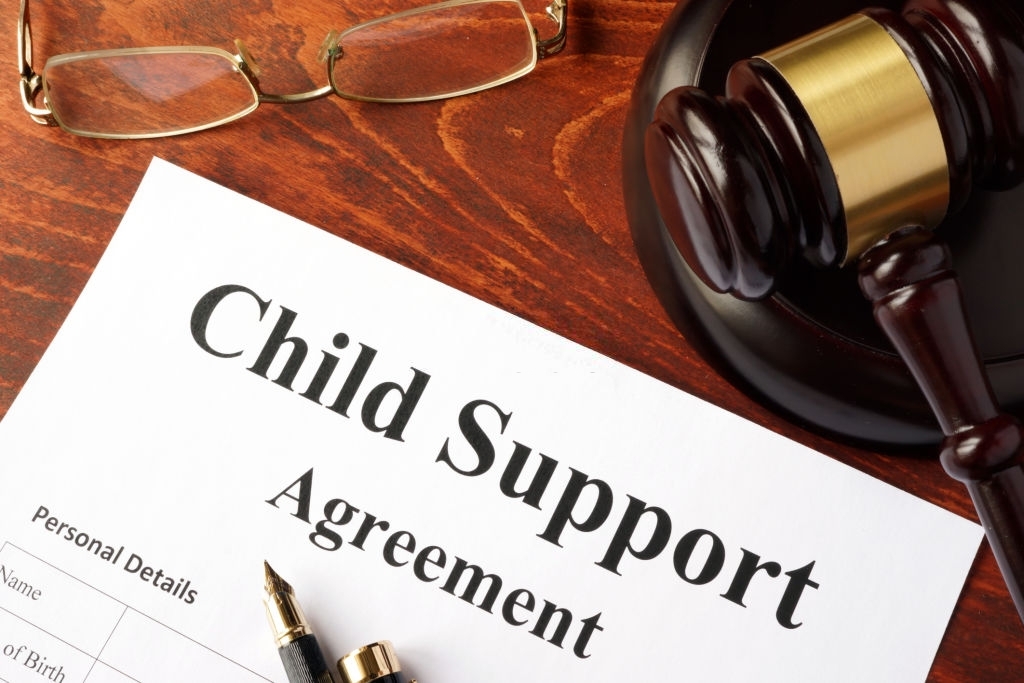
The financial framework established during a child’s upbringing plays a pivotal role in shaping their future independence and the parents’ subsequent lifestyle. As a child approaches 18, families often find themselves at a crossroads, re-evaluating budgets, savings, and long-term financial goals. For the custodial parent, a cessation of support payments can necessitate significant adjustments to household income and expenditure, potentially influencing everything from housing choices to leisure activities. Conversely, the non-custodial parent might anticipate a freeing up of funds, leading to new opportunities for investment, retirement planning, or pursuing personal lifestyle enhancements. The child’s own lifestyle, particularly their educational and career paths, can also be profoundly affected by whether support continues, even briefly, beyond their 18th birthday. This chapter delves into these expectations versus the legal realities, setting the stage for a deeper exploration of California’s specific laws.
The General Rule and Its Nuances in California
Age of Majority and Child Support Termination
In California, the general rule outlined in the California Family Code dictates that child support typically terminates when a child reaches the age of 18. This aligns with the legal age of majority, at which point an individual is generally considered an adult, capable of making their own decisions and responsible for their own well-being. This provision is designed to ensure that parents are financially responsible for their children during their minor years, supporting their upbringing and development.
However, the word “typically” is key. While the default assumption is that support stops at 18, the California Family Code provides specific exceptions that can extend this obligation. These exceptions are critical for families to understand, as they directly influence long-term financial planning and can significantly impact the lifestyle and opportunities available to young adults as they embark on their post-high school journey. Navigating these exceptions requires careful consideration of the child’s circumstances and the potential need for continued parental financial support to maintain a stable lifestyle as they transition.
Key Exceptions to the Automatic Stop
The notion of an automatic cessation of child support at 18 is often an oversimplification. California law recognizes that not all young adults are immediately self-sufficient upon turning 18, particularly regarding education or significant disabilities. These exceptions are crucial for safeguarding the child’s future and ensuring that parental financial contributions can continue to support their lifestyle and development where necessary.
High School Education
One of the most common exceptions to the 18-year-old cutoff is when a child is still attending high school. Under California law, child support generally continues for a child who is 18 years old, still a full-time high school student, and not self-supporting. This obligation typically extends until the child graduates from high school or turns 19, whichever occurs first. This provision acknowledges that completing high school is a fundamental step toward adult independence and a stable lifestyle, and financial support during this period is essential. For parents, this means planning for continued financial outflow for up to an additional year, requiring careful budget adjustments and an understanding of how this impacts their immediate financial lifestyle choices. It ensures that the child’s educational pursuits are not hindered by an abrupt cessation of support, allowing them to focus on academics and transition more smoothly into higher education or the workforce.
Children with Disabilities
Another significant exception involves adult children who are incapable of self-support due to a mental or physical disability that existed before they reached the age of majority. In such cases, a court can order a parent to continue to provide financial support for an indefinite period, or for the duration of the disability. This provision is designed to ensure that vulnerable adults, whose disabilities prevent them from living independently and earning a living, continue to receive the necessary financial assistance to maintain their quality of life and access essential services. For parents of children with disabilities, this means that the expectation of child support termination at 18 or 19 does not apply, and long-term financial planning must account for ongoing support. This is a profound aspect of family lifestyle planning, often involving intricate legal and financial strategies to ensure the child’s ongoing well-being and access to necessary resources. It underscores a continuous commitment to their lifestyle needs, often requiring substantial financial foresight.
Mutual Agreement
Beyond statutory exceptions, parents also have the flexibility to mutually agree to extend child support beyond the statutory limits. This agreement must be in writing and can be incorporated into a court order. Parents might choose this option for various reasons, such as assisting a child through college, vocational training, or during a period of transition into independent living. While not legally mandated, such an agreement reflects a shared commitment to the child’s long-term success and lifestyle stability. It offers a pathway for parents to collaboratively define their ongoing financial roles based on their unique family circumstances and the child’s specific needs and aspirations. This form of voluntary support highlights a proactive approach to co-parenting, prioritizing the child’s future well-being and access to opportunities that can shape their adult lifestyle. It demonstrates how parental collaboration can directly influence a child’s educational and career trajectories.
The Process of Child Support Termination
Automatic vs. Court-Ordered Termination

While the California Family Code outlines the conditions under which child support typically terminates, the process itself isn’t always entirely automatic. For support to cease at 18 (or 19 if the child is still in high school), it’s generally considered “self-executing” in the sense that the obligation for current support payments ends at that point. However, simply stopping payments without proper legal acknowledgment can lead to complications, including arrears and enforcement actions.
To ensure clarity and finality, it is almost always advisable to obtain a court order confirming the termination of child support. This involves filing a motion with the Family Court to formally stop the order. This step is particularly crucial if there are any outstanding arrears, if one of the exceptions applies, or if there’s any ambiguity regarding the child’s schooling status. A formal court order provides a clear legal record, preventing future disputes and ensuring both parents understand their obligations and the cessation of them. This formal process is essential for financial clarity and stability for both parties, allowing them to adjust their lifestyle budgets and planning with certainty.
Understanding the Role of the Department of Child Support Services (DCSS)
When child support is managed through the California Department of Child Support Services (DCSS), their role in the termination process is significant. DCSS typically sends out notices to both parents as the child approaches the age of 18, informing them of the impending termination of support. These notices usually explain the general rules and exceptions.
However, even with DCSS involvement, parents should remain proactive. If an exception applies (e.g., the child is still in high school), it is the responsibility of the custodial parent to inform DCSS and provide proof of continued eligibility. Conversely, the non-custodial parent should ensure that DCSS has accurate information to prevent erroneous collection attempts after the termination date. Clear communication with DCSS and, ideally, a formal court order, are vital steps to ensure a smooth transition and prevent unnecessary stress or legal battles that could disrupt the financial stability and lifestyle of either parent.
Lifestyle Implications: Planning for the Future
Financial Adjustments for Parents
The termination of child support payments profoundly impacts the financial landscape of both parents, necessitating significant adjustments to their respective lifestyles. For the custodial parent, the cessation of regular income from child support means re-evaluating household budgets, savings, and potentially even employment situations. This might involve tightening discretionary spending, reallocating funds previously designated for the child’s direct needs, or exploring new income streams to maintain a desired standard of living. This period can also be an opportunity to refocus on personal financial goals, such as retirement planning or significant investments, which might have been deferred while child support was actively being received.
For the non-custodial parent, the end of child support obligations often frees up a substantial portion of their monthly income. This can open doors to new lifestyle choices and financial opportunities. Funds previously allocated to support payments can now be directed towards personal savings, investment portfolios, debt reduction, or even pursuing long-held dreams like extended travel, purchasing a new home, or starting a new business venture. It represents a significant shift in their financial capacity and can lead to a considerable enhancement of their personal lifestyle. Both parents, therefore, must engage in thorough financial planning to adapt to these changes, ensuring their long-term financial health and ability to pursue their desired lifestyle.
Impact on the Adult Child’s Lifestyle
The transition from dependency to self-sufficiency is a critical phase in an adult child’s life, and the cessation of child support plays a direct role in shaping their lifestyle. For many, turning 18 or 19 and the subsequent end of support can be a catalyst for greater financial independence. This encourages them to secure employment, manage their own finances, and make decisions about their future, whether it’s pursuing higher education, vocational training, or entering the workforce directly. Their ability to adapt quickly often dictates their initial adult lifestyle, from living arrangements to leisure activities.
However, for some, the abrupt end of support can present challenges, especially if they are not yet fully prepared for financial independence. This underscores the importance of parental guidance and financial literacy education throughout their teenage years. If support is extended due to high school enrollment or disability, it can provide a vital buffer, allowing the child to complete their education or receive necessary care without immediate financial strain. Moreover, mutual agreements to extend support for college can significantly influence a child’s educational opportunities and career paths, directly contributing to a higher standard of living and a more stable professional lifestyle in the long run. The presence or absence of this continued financial backing shapes their immediate experiences and future prospects, including their ability to establish an independent adult lifestyle.
Seeking Professional Guidance for Lifestyle Stability
The Value of Legal Counsel
Given the complexities of California child support laws and their profound impact on family finances and individual lifestyles, seeking professional legal counsel is not just beneficial—it is often essential. An experienced family law attorney can provide invaluable guidance, helping parents understand their specific obligations and rights. They can meticulously interpret the nuances of the California Family Code, advising on whether any exceptions apply to their situation and what steps need to be taken to ensure compliance.
Legal counsel can also be instrumental in formalizing the termination of child support through a court order, preventing potential disputes or arrears in the future. This proactive approach helps to ensure a smooth financial transition for both parents, allowing them to adjust their lifestyle expectations and plans with confidence. Without proper legal guidance, families risk misunderstandings, potential legal battles, and financial instability, all of which can significantly disrupt the peaceful co-parenting environment and the overall lifestyle of everyone involved. Investing in legal expertise ensures that the transition is handled efficiently and equitably, safeguarding the financial well-being and lifestyle stability of all parties.

Mediation and Agreement
Beyond traditional litigation, alternative dispute resolution methods like mediation offer a collaborative pathway for parents to navigate child support modifications or terminations. Mediation provides a structured environment where parents, with the help of a neutral third-party mediator, can discuss their financial concerns, the child’s needs, and potential agreements for ongoing or modified support. This approach often leads to more amicable outcomes, preserving co-parenting relationships and fostering a stable environment for the child.
Prioritizing family well-being and stable future lifestyles is at the heart of such agreements. Whether it’s drafting a mutual agreement for extended support for college or formalizing the cessation of payments, a cooperative approach minimizes stress and provides a sense of shared responsibility for the child’s transition into adulthood. This collaborative spirit not only addresses immediate financial concerns but also sets a positive precedent for future family interactions, ensuring that the child’s lifestyle choices are supported by cooperative parental planning rather than adversarial disputes. Ultimately, a carefully planned and legally sound termination or modification of child support is a cornerstone of maintaining lifestyle stability and promoting positive family dynamics for years to come.
LifeOutOfTheBox is a participant in the Amazon Services LLC Associates Program, an affiliate advertising program designed to provide a means for sites to earn advertising fees by advertising and linking to Amazon.com. Amazon, the Amazon logo, AmazonSupply, and the AmazonSupply logo are trademarks of Amazon.com, Inc. or its affiliates. As an Amazon Associate we earn affiliate commissions from qualifying purchases.