
For many, the mention of tornadoes conjures images of the Great Plains states like Kansas or Oklahoma, vast expanses of flat land seemingly tailor-made for these dramatic atmospheric phenomena. However, the perception that tornadoes are exclusive to these iconic “Tornado Alley” regions is a common misconception. The question of whether Colorado experiences tornadoes is a valid one, and the answer is a definitive yes. While Colorado may not be the primary focus of national tornado coverage, the Centennial State has a notable history of tornado activity, particularly in its eastern plains. Understanding the nuances of tornado formation in Colorado is crucial for residents, travelers, and anyone interested in the state’s dynamic weather patterns.
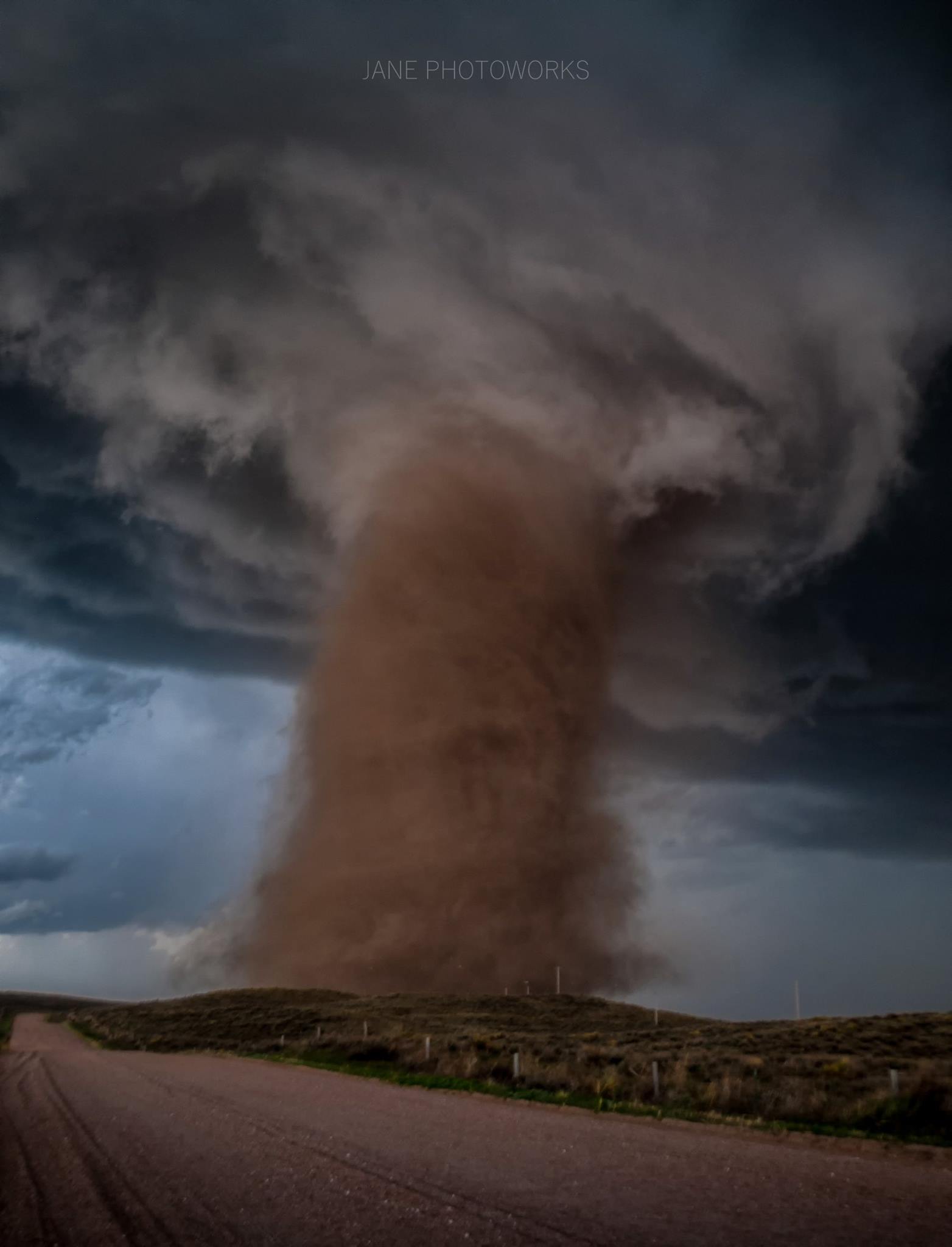
Understanding Tornado Formation in Colorado
The ingredients for tornado formation are surprisingly complex and involve a specific set of atmospheric conditions. While these conditions can occur in many places, they are particularly prevalent in certain geographical areas. Colorado possesses several key geographical and meteorological characteristics that contribute to its susceptibility to tornado development.
The Role of Geography and Climate
Colorado boasts a diverse topography, ranging from the towering peaks of the Rocky Mountains in the west to the high plains stretching eastward towards Kansas and Nebraska. It is primarily these eastern plains that witness the most significant tornado activity. The convergence of warm, moist air from the Gulf of Mexico and cooler, drier air from the Rocky Mountains is a fundamental driver of severe weather. When these air masses clash over the eastern plains, they can create an unstable atmosphere ripe for thunderstorm development.
The semi-arid climate of the eastern plains also plays a role. While not as humid as states further east, sufficient moisture can be drawn northward during spring and summer, especially when coupled with significant temperature gradients. The elevation of Colorado also influences atmospheric dynamics, affecting wind patterns and storm development in ways that differ from lower-lying regions.
Key Atmospheric Ingredients for Tornadoes
Tornadoes, at their core, are rotating columns of air that form within severe thunderstorms, specifically supercells. The development of a supercell requires:
- Instability: A significant difference in temperature between the lower atmosphere (warm and moist) and the upper atmosphere (cold and dry). This creates buoyant air parcels that rise rapidly, fueling strong updrafts.
- Moisture: Ample moisture in the lower atmosphere is essential for cloud formation and the release of latent heat during condensation, further energizing the storm.
- Lift: A mechanism to initiate upward motion, such as a cold front, dryline, or outflow boundary from previous storms.
- Wind Shear: A change in wind speed and/or direction with height. This is perhaps the most critical ingredient for tornado formation within a supercell. Vertical wind shear allows the updraft to tilt and rotate, forming a mesocyclone—the rotating core of a supercell. If this rotation tightens and extends to the ground, it can spawn a tornado.
In Colorado, the confluence of these factors, particularly the collision of air masses over the eastern plains during the warmer months, creates the perfect storm for tornado genesis.
Colorado’s Tornado Season and Occurrence Patterns
While tornadoes can theoretically occur at any time of year, Colorado has a distinct tornado season, with specific months exhibiting a higher probability of activity. Understanding these patterns can help with preparedness and awareness for those living in or visiting affected areas.
Peak Tornado Months and Geographic Hotspots
The primary tornado season in Colorado typically runs from late spring through summer.
- May and June: These are often the most active months for tornadoes in the state. The jet stream begins to retreat northward, allowing warm, moist air from the Gulf of Mexico to surge into the region. Simultaneously, cooler air masses can still move south from Canada, creating the necessary atmospheric instability.
- July: While activity may begin to decrease from its June peak, July can still produce significant severe weather, including tornadoes, particularly in the eastern half of the state.
- August: Tornado activity generally diminishes further in August, though isolated severe storms and the potential for tornadoes still exist.

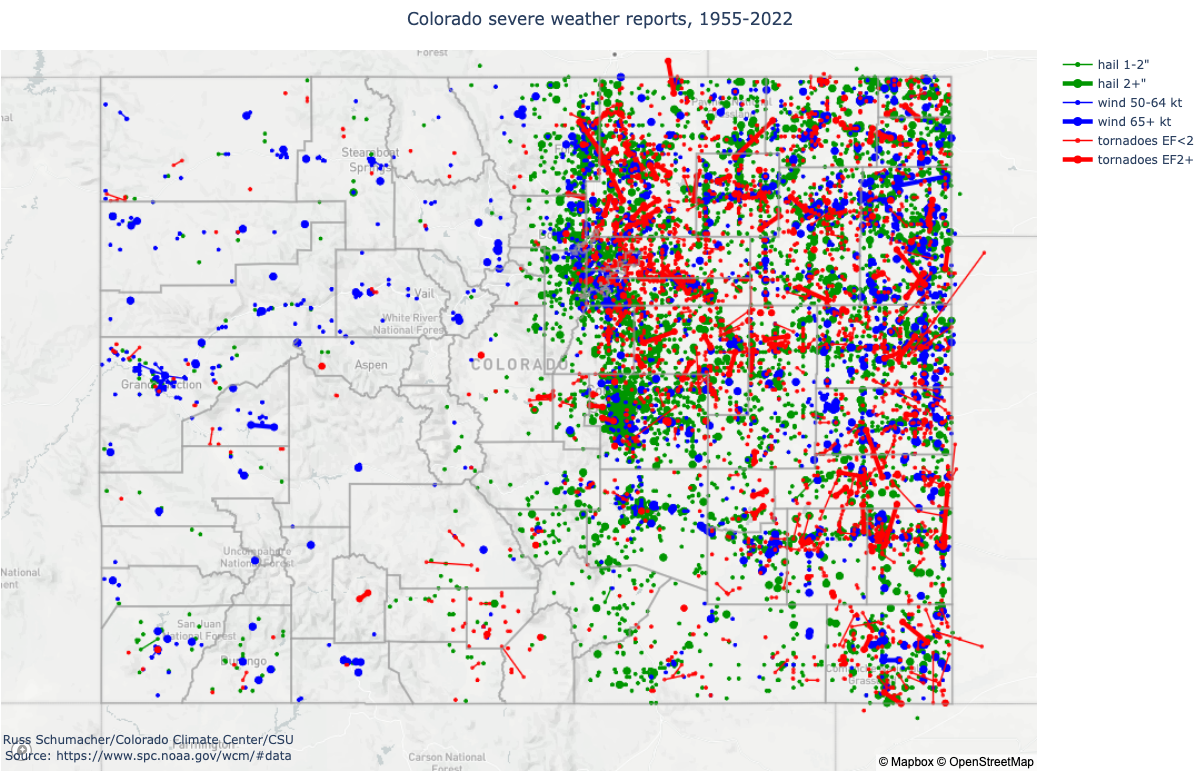
Geographically, the eastern plains of Colorado are the primary hotspots. This includes counties in the southeastern and northeastern parts of the state. Cities like Denver, while located near the plains, are less frequently hit by significant tornadoes compared to more rural areas further east, but they are certainly not immune. The terrain of the eastern plains, being relatively flat, offers less resistance to the organized storm systems that can produce tornadoes.
Intensity and Types of Tornadoes in Colorado
Colorado experiences a range of tornado intensities, from weak, brief touchdowns to more significant and destructive events. The majority of tornadoes observed in the state are classified as weak (EF0 or EF1 on the Enhanced Fujita Scale), causing minor damage. However, stronger tornadoes (EF2, EF3, and occasionally EF4) have occurred, capable of causing substantial destruction.
A notable characteristic of tornadoes in Colorado, and on the high plains in general, is the phenomenon known as “dust devils.” While not true tornadoes (which are born from thunderstorms), dust devils are rotating columns of air that form due to surface heating. However, when these larger, storm-driven vortices interact with the ground, they can pick up significant amounts of debris, sometimes making them appear similar to weak tornadoes. It is important to distinguish between a true tornado and a dust devil, though both are signs of atmospheric rotation.
Tornado Safety and Preparedness in Colorado
Given that Colorado does experience tornadoes, understanding and implementing safety measures is paramount for minimizing risk. This involves staying informed, having a plan, and knowing what to do when tornado warnings are issued.
Staying Informed About Weather Alerts
The first line of defense against any severe weather, including tornadoes, is to stay informed.
- National Weather Service: The National Weather Service is the primary source for weather watches and warnings. This includes watches, which indicate that conditions are favorable for tornadoes to develop, and warnings, which mean a tornado has been sighted or indicated by radar and poses an imminent threat.
- ** NOAA Weather Radio:** A dedicated NOAA Weather Radio receiver can provide continuous alerts directly from the National Weather Service.
- Local News and Apps: Local television and radio stations, as well as reputable weather apps on smartphones, are excellent resources for real-time updates and emergency information. Many apps offer push notifications for severe weather alerts.
- Understanding the Difference: It is crucial to understand the distinction between a tornado watch and a tornado warning. A watch means “Be Prepared,” while a warning means “Take Action.”
Developing a Tornado Safety Plan
A well-thought-out safety plan can make a significant difference during a tornado event.
- Identify a Safe Shelter: The safest place to be during a tornado is in a basement, storm cellar, or an interior room on the lowest floor of a building, away from windows. In a mobile home or vehicle, evacuation to a sturdier building or a designated storm shelter is essential, as these structures offer little protection from tornadoes.
- Practice Drills: Regularly practicing tornado drills with family members or colleagues ensures everyone knows where to go and what to do quickly and efficiently.
- Emergency Kit: Assemble an emergency kit containing essentials such as water, non-perishable food, a first-aid kit, a flashlight with extra batteries, a whistle, and any necessary medications.
- Community Shelters: Familiarize yourself with the location of designated public storm shelters in your area, especially if you live in a region prone to tornadoes or reside in a mobile home.
What to Do During a Tornado Warning
When a tornado warning is issued for your area, immediate action is required.
- Seek Shelter Immediately: Move to your pre-determined safe location.
- Protect Yourself: Once in shelter, crouch down and cover your head and neck with your arms or a sturdy object like a mattress or helmet.
- Stay Informed (If Safe): If you are in a safe location, continue to monitor weather alerts for updates.
- After the Tornado: Wait for the “all clear” from authorities before venturing outside. Be aware of potential hazards such as downed power lines, damaged structures, and debris.
By understanding Colorado’s tornado patterns and taking proactive safety measures, individuals can better prepare for and navigate the risks associated with these powerful weather events, ensuring their safety and the safety of their loved ones.
LifeOutOfTheBox is a participant in the Amazon Services LLC Associates Program, an affiliate advertising program designed to provide a means for sites to earn advertising fees by advertising and linking to Amazon.com. Amazon, the Amazon logo, AmazonSupply, and the AmazonSupply logo are trademarks of Amazon.com, Inc. or its affiliates. As an Amazon Associate we earn affiliate commissions from qualifying purchases.