
Embarking on a journey to the Lone Star State promises an adventure filled with diverse landscapes, rich history, and vibrant culture. From the bustling metropolises of Houston and Dallas to the historic charm of San Antonio and the live music capital of Austin, Texas offers an unparalleled experience for every traveler. While public transportation options exist in major cities, truly exploring the vast expanse of Texas often requires the freedom of your own wheels. This is where obtaining a Texas driver’s license becomes not just a matter of legal compliance, but a passport to unrestricted exploration and immersion into the Texan lifestyle.
Whether you’re a new resident relocating for work, a digital nomad planning an extended stay, or simply someone eager to experience Texas beyond the typical tourist traps, understanding how to secure your driver’s license is a crucial step. This comprehensive guide will navigate you through the process, linking it intrinsically with the incredible travel, accommodation, and lifestyle opportunities that await you across this magnificent state. Think of your license not just as a document, but as the key to unlocking hidden gems, embarking on spontaneous road trips, and fully embracing the spirit of Texas.
Navigating the Lone Star State: Why a Texas License is Your Key to Exploration
The allure of Texas lies in its sheer scale and diversity. From the pine forests of East Texas to the desert landscapes of Big Bend National Park, the rolling hills of the Texas Hill Country to the sandy beaches of South Padre Island, there’s a world to discover. Relying solely on ride-shares or limited bus routes can severely restrict your itinerary and prevent you from experiencing the authentic charm and vast beauty of the state. A Texas driver’s license provides the ultimate flexibility, transforming your visit into a true adventure.
The Freedom of the Open Road: Unlocking Texas Destinations
Imagine waking up in Austin and deciding on a whim to spend the afternoon wine tasting in Fredericksburg, or exploring the antique shops of the Gruene Historic District. Picture yourself driving through the breathtaking canyons of Guadalupe Mountains National Park or chasing sunsets along the Padre Island National Seashore. These experiences, quintessential to the Texan lifestyle, are largely dependent on personal transportation.
With your own vehicle, or a rental car made easily accessible with a valid Texas license, you can craft your own itinerary, linger longer at attractions that capture your interest, and venture off the beaten path to uncover local favorites. This could mean sampling authentic barbecue joints in small towns, discovering vibrant street art in Fort Worth, or simply enjoying the scenic drives through the countryside. From the historical marvels of the Alamo in San Antonio to the futuristic wonders of Space Center Houston, having a Texas license means these landmarks and countless others are truly within your grasp. It transforms a structured tour into an organic exploration, allowing you to personalize your travel experience in a way that truly resonates with the spirit of adventure.
Who Needs a Texas Driver’s License? Visitors, New Residents, and Adventurers
The necessity of obtaining a Texas driver’s license varies depending on your residency status and the duration of your stay. For short-term visitors from other U.S. states, your current valid driver’s license is typically sufficient for driving in Texas and renting a vehicle. International visitors often require an International Driving Permit (IDP) in conjunction with their home country’s license. However, if you plan to make Texas your new home, or if you’re embarking on an extended travel experience that lasts more than 90 days, you are generally required to obtain a Texas driver’s license.
This requirement is particularly relevant for those embracing the lifestyle of a digital nomad or an extended traveler who might stay in a single location for several months, perhaps in a serviced apartment in Austin or a charming villa in the Texas Hill Country. Acquiring a local license signals a deeper commitment to your new surroundings and provides an unparalleled sense of independence. It simplifies interactions, especially when dealing with car rentals, insurance, or even just as a primary form of identification, making your long-term stay more seamless and enjoyable. For the true adventurer looking to deeply embed themselves in the local culture, a Texas license is more than just a legal document; it’s a statement of intent, a badge of readiness to explore every facet of this incredible state.
The Road Ahead: Understanding Texas Driver’s License Requirements
The process of obtaining a Texas driver’s license is straightforward, but it requires careful preparation. The Department of Public Safety (DPS) is the agency responsible for issuing licenses, and understanding their requirements is paramount to a smooth experience. While it might seem like a bureaucratic hurdle, consider it part of the journey towards unrestricted travel freedom across the Lone Star State. Dedicating time to gather the correct documents and prepare for the necessary tests will save you considerable time and potential frustration.
Essential Documents: What to Bring to the DPS Office
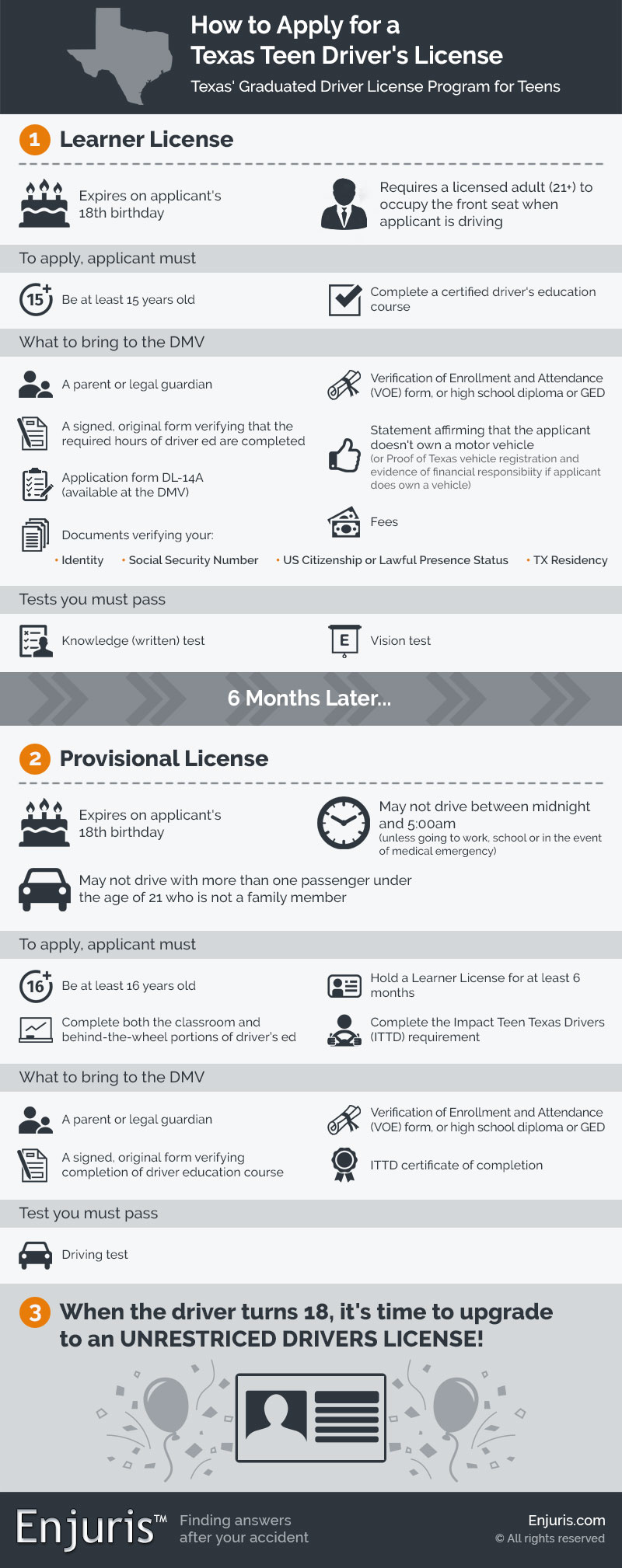
To apply for a Texas driver’s license, you’ll need to present a series of documents to prove your identity, U.S. citizenship or lawful presence, Texas residency, and Social Security number. This critical step ensures you meet all legal prerequisites and is the foundation for your application. Common documents include:
- Proof of Identity: This could be your U.S. passport, birth certificate, or a valid foreign passport with an appropriate U.S. visa and I-94.
- Proof of U.S. Citizenship or Lawful Presence: Beyond the identity document, additional documentation like a Permanent Resident Card or Employment Authorization Document might be required for non-citizens.
- Proof of Texas Residency: You’ll typically need two documents showing your name and current Texas residential address. Examples include a utility bill, a bank statement, a lease agreement for an apartment or long-term accommodation, or a voter registration card. If you’re staying in a hotel or a short-term rental, ensure you have official documentation that proves your intent to reside in Texas, or simply choose a long-term stay option like a serviced apartment or a resort with extended stay amenities.
- Proof of Social Security Number (SSN): Your Social Security card, a W-2 form, or a pay stub with your SSN will suffice.
- Proof of Vehicle Registration and Insurance: If you own a vehicle, you’ll need to show proof of current Texas vehicle registration and liability insurance.
- Verification of Enrollment and Attendance (VOE): For applicants under 18, this form from a high school or its equivalent is mandatory.
It is highly recommended to visit the official Texas DPS website or call ahead to confirm the most current and specific document requirements for your individual situation, especially if you are an international applicant. Being thoroughly prepared with all necessary paperwork is the best way to ensure your visit to the DPS office is efficient and productive, getting you one step closer to your Texas adventures.
Navigating the Application Process: From Forms to Fees
Once you have your documents in order, the application process itself involves several key steps. Most DPS offices operate on a walk-in basis, though some may offer appointments, which are highly recommended to reduce wait times.
- Complete the Application Form: You’ll start by filling out the official application for a Texas Driver License or Identification Card (DL-14A). This form gathers your personal information and declarations.
- Present Documents and Pay Fee: At the counter, a DPS representative will verify your documents. Be prepared to pay the application fee, which can vary based on the type of license and its validity period.
- Fingerprints and Photo: You’ll have your fingerprints taken and a photograph for your license.
- Vision Test: A basic vision screening will be conducted to ensure your eyesight meets the state’s driving standards. If you wear glasses or contact lenses, bring them.
- Knowledge Test (Written Exam): This computer-based test assesses your understanding of Texas traffic laws and road signs. Studying the official Texas Driver Handbook beforehand is crucial. Many travel-focused apps can even help you find local libraries or quiet cafes where you can study.
- Driving Test (Road Test): After successfully passing the knowledge test, you’ll schedule and take a driving test. You must provide a vehicle for this test that is properly registered and insured. This test evaluates your ability to safely operate a vehicle in various traffic conditions.
For new residents, especially those who’ve previously held a license in another state, the process can sometimes be streamlined, potentially waiving the driving test if specific conditions are met. Always inquire about these possibilities at the DPS office. Completing these steps successfully paves the way for you to officially join the ranks of Texas drivers, ready to navigate its cities and scenic routes.
Preparing for Success: The Written and Driving Tests
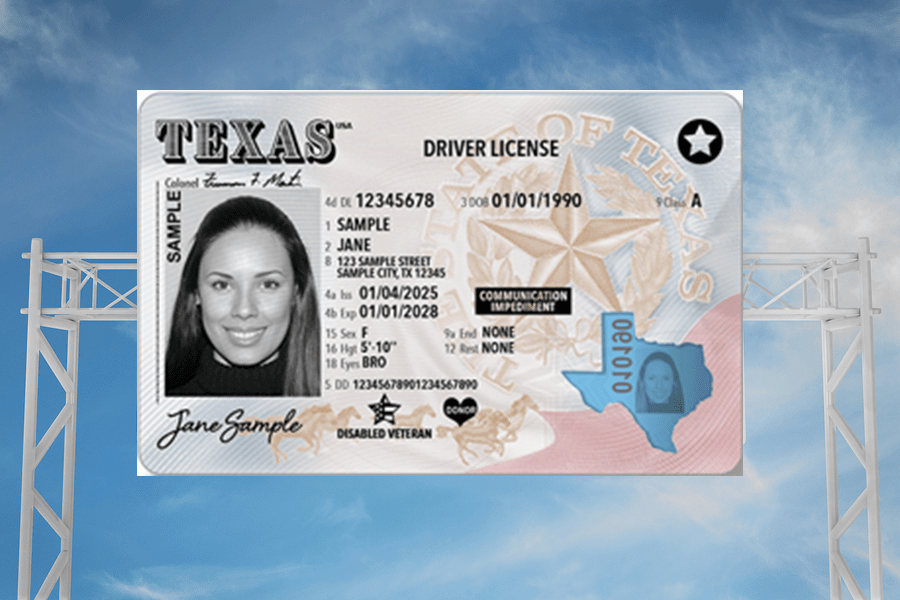
Success in obtaining your Texas driver’s license hinges on adequate preparation for both the written knowledge test and the practical driving test. These tests are designed to ensure all drivers on Texas roads are knowledgeable and competent, contributing to safer travels for everyone, whether you’re commuting in Dallas or exploring a remote corner of Big Bend National Park.
For the Knowledge Test, the primary resource is the official Texas Driver Handbook. This comprehensive guide covers everything from traffic laws, road signs, and safe driving practices to vehicle registration requirements. Many practice tests are available online, which can be invaluable for familiarizing yourself with the format and types of questions. Dedicate time to truly understand the rules, not just memorize answers, as this knowledge is fundamental to safe driving and confident exploration across the state.
The Driving Test assesses your ability to operate a vehicle safely and responsibly. You’ll be evaluated on basic maneuvers such as parallel parking, turning, changing lanes, and obeying traffic signals and signs. It’s advisable to practice driving in various conditions, ideally with a licensed Texas driver, to build confidence and familiarity with local driving norms. If you’re new to Texas, consider taking a few driving lessons from a local instructor to get acquainted with the specific expectations of the DPS examiners. Remember, the goal isn’t just to pass the test, but to become a safe and confident driver, ready to conquer the open roads of Texas and truly enjoy all its travel opportunities.
Enhancing Your Texas Journey: Travel, Accommodation, and Beyond
Obtaining your Texas driver’s license is more than a bureaucratic task; it’s an investment in your travel freedom and lifestyle flexibility. With your new license in hand, the entire state opens up, offering an endless array of destinations, activities, and experiences. This section delves into how your newfound mobility integrates with the broader aspects of travel and accommodation, allowing you to curate an unforgettable Texas adventure.
Beyond the License: Planning Your Texas Itinerary
With your Texas driver’s license, the possibilities for crafting an incredible itinerary are limitless. You can move beyond the constraints of city centers and delve into the heart of Texan culture and nature.
Consider a multi-city road trip: Start in Houston to explore Space Center Houston and the vibrant Museum of Fine Arts, Houston, then head west to San Antonio to walk the historic River Walk and visit the Alamo. From there, journey north to Austin for live music and a dip in Lake Travis, before finishing in Dallas to experience the Dallas Arts District and the Sixth Floor Museum at Dealey Plaza.
For nature lovers, a drive out to the vast expanses of Big Bend National Park or Guadalupe Mountains National Park is a must, offering breathtaking hiking trails and stargazing opportunities. Coastal enthusiasts can explore Galveston for its historic charm and beaches, or venture further south to the lively shores of South Padre Island. Your license enables these diverse experiences, allowing you to seamlessly transition from urban exploration to rugged wilderness adventures, making your Texas travel truly comprehensive.
Where to Stay: Accommodations While You Get Licensed and Explore
During your stay in Texas, especially if you’re taking the time to obtain your license, selecting the right accommodation is key. For those establishing residency, a long-term stay at a serviced apartment or an extended-stay hotel can provide a comfortable base while you handle administrative tasks and begin to explore. These options often come with kitchenettes and laundry facilities, offering a home-away-from-home feel.
In major cities like Austin or Houston, you’ll find a wide range of hotels to suit every lifestyle. For luxury travelers, establishments such as the JW Marriott Austin or The Post Oak Hotel at Uptown Houston offer unparalleled amenities and services. In San Antonio, the historic and boutique Hotel Emma provides a unique cultural experience. If you’re on a budget, numerous affordable hotels and vacation rentals are available, especially outside the direct city centers, which your license will help you access easily.
For those planning to explore the Texas Hill Country, charming bed and breakfasts in Fredericksburg or cabins near Canyon Lake offer a rustic yet comfortable retreat. Having your own vehicle means you’re not confined to accommodations within walking distance of attractions or public transport, granting you the freedom to choose places that offer better value, more space, or a unique local experience. This flexibility in accommodation choices is a significant perk of having your Texas driver’s license.
Embracing the Texas Lifestyle: Road Trips and Local Experiences
The Texas lifestyle is deeply intertwined with its vast roads and the freedom they represent. Your license isn’t just for getting around; it’s an invitation to fully participate in the Texan way of life. This means impromptu road trips to explore quaint small towns, chasing murals in Austin, or driving miles out of your way to try a highly-rated barbecue joint recommended by a local.
Imagine driving to Amarillo to attempt the 72oz steak challenge at the Big Texan Steak Ranch, or spending a day shopping at the San Marcos Premium Outlets. With a license, you can easily access regional attractions like the rodeos in Fort Worth or the vibrant festivals in the Texas Hill Country. The ability to drive allows you to immerse yourself in local culture, attend events, and discover hidden eateries that are often inaccessible without a car. It truly transforms your experience from that of a transient visitor to an engaged participant in the dynamic tapestry of Texas life.
Tips for a Seamless Experience and Making the Most of Your Texas Adventure
Securing your Texas driver’s license is a significant step towards a fulfilling and unrestricted travel experience in the state. To ensure the process is as smooth as possible and to maximize your adventures once you have your license, consider these practical tips.
Streamlining Your DPS Visit
Efficiency at the DPS office can save you hours.
- Schedule an Appointment: If your local DPS office offers online appointment scheduling, always take advantage of it. This can drastically reduce your wait time.
- Go Early or Late: If walk-ins are your only option, aim to arrive right when the office opens or later in the afternoon on a weekday, avoiding peak lunch hours.
- Double-Check Documents: Before heading out, meticulously review all your required documents to ensure you have everything, and that they are current and valid. A missing document is the most common cause for delays.
- Study the Handbook: Arrive at the DPS office confident in your knowledge for the written test. You can often take the written test immediately if you are prepared.
- Be Patient: Despite your best efforts, there might still be waiting. Bring a book, download a podcast, or simply enjoy the opportunity to people-watch.

Exploring Texas Responsibly
Once your Texas driver’s license is in hand, the open road beckons. However, responsible travel is paramount.
- Understand Local Driving Laws: While you’ve passed the test, staying updated on any changes in traffic laws is important. Texas has specific regulations regarding speed limits, U-turns, and right-on-red rules.
- Stay Hydrated and Rested: Texas is vast, and drives can be long, especially in the summer heat. Ensure you are well-rested and bring plenty of water, particularly when venturing into less populated areas like the Southwest deserts or along the Gulf Coast.
- Plan Your Fuel Stops: In rural areas, gas stations can be few and far between. Keep an eye on your fuel gauge and plan stops proactively.
- Embrace the Journey: Remember that getting your license was about enabling an enriched travel experience. Don’t rush through destinations. Pull over for scenic overlooks, explore roadside attractions, and savor the unique local flavor of each town you visit.
Your Texas driver’s license is more than just a piece of plastic; it’s a testament to your readiness to immerse yourself in the culture, beauty, and boundless opportunities of the Lone Star State. It empowers you to create your own narrative, discover hidden gems, and truly experience Texas on your terms, turning every journey into an unforgettable adventure.
LifeOutOfTheBox is a participant in the Amazon Services LLC Associates Program, an affiliate advertising program designed to provide a means for sites to earn advertising fees by advertising and linking to Amazon.com. Amazon, the Amazon logo, AmazonSupply, and the AmazonSupply logo are trademarks of Amazon.com, Inc. or its affiliates. As an Amazon Associate we earn affiliate commissions from qualifying purchases.