
Yes, absolutely! Colorado is home to a thriving and growing population of moose, making it a premier destination for wildlife enthusiasts and travelers hoping to spot these magnificent creatures in their natural habitat. Once nearly absent from the state, moose have made a remarkable comeback, establishing themselves as an iconic part of [Colorado]’s diverse ecosystem. For those planning a trip focused on wildlife viewing and immersive natural experiences, the prospect of encountering a moose stands as a highlight of any Rocky Mountain adventure.
The Resurgence of Moose in Colorado
The presence of moose in [Colorado] wasn’t always a given. Historically, the Shiras moose subspecies (Alces alces shirasi) did exist in the state, primarily in the northwestern mountains, but their numbers dwindled dramatically by the early 20th century due to overhunting and habitat changes. For decades, sightings were exceedingly rare, leading many to believe they were gone for good.
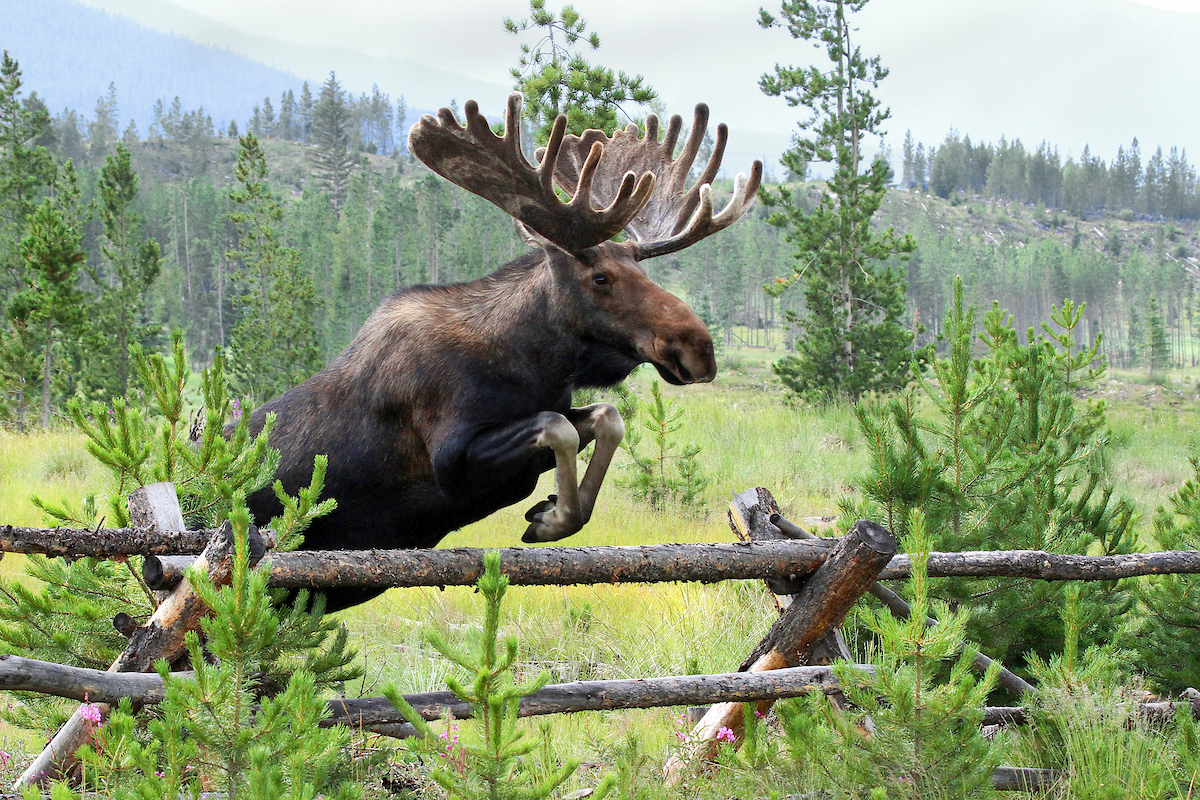
However, a pivotal reintroduction effort began in 1978 when 24 moose were relocated from [Utah] and [Wyoming] to [North Park], an expansive, high-altitude valley in north-central [Colorado]. This initial group, released near [Cowdrey Lake] within what is now [State Forest State Park], found an ideal environment. The plentiful willow thickets, abundant water sources, and relatively low human population provided perfect conditions for them to flourish. Subsequent reintroductions in the 1980s and 1990s bolstered these efforts, introducing additional moose to areas like the [Grand Mesa] and the [Uncompahgre Plateau].
Today, the state boasts a robust and healthy moose population, estimated to be well over 3,000 individuals. They have expanded their range significantly from the original release sites, now inhabiting many of [Colorado]’s national forests and parks, including the popular [Rocky Mountain National Park]. This successful restoration story is a testament to dedicated conservation efforts and the inherent adaptability of these impressive animals, transforming [Colorado] into an unexpected but truly rewarding destination for moose viewing.
Best Destinations for Moose Viewing
Knowing that moose are in [Colorado] is one thing; knowing where to find them is key to a successful wildlife viewing experience. Their preferred habitats are typically riparian areas, dense willow thickets, and wetlands near water bodies, as these areas provide both food and cover.
North Park and State Forest State Park
Often dubbed the “Moose Capital of [Colorado],” [North Park] and its centerpiece, [State Forest State Park], remain arguably the best place in the state to see moose. This vast, high-elevation basin, surrounded by mountain ranges, is where [Colorado]’s modern moose population began its journey.
The park itself spans over 71,000 acres and is crisscrossed with numerous streams, lakes, and extensive willow stands – the primary food source for moose. Visitors frequently spot moose along the [Moose Visitor Center] roads, around [Lake Agnes] and [American Lakes] trails, and anywhere there’s ample water and willow. The [Moose Visitor Center], located near [Walden], provides invaluable information on recent sightings, safe viewing practices, and trail maps, making it an excellent starting point for any moose-focused itinerary. The accessibility of these areas, combined with the sheer density of the moose population, makes for consistently high chances of a sighting.
Rocky Mountain National Park
One of the most visited national parks in the United States, [Rocky Mountain National Park] offers incredible scenic beauty and diverse wildlife, including a healthy moose population. While elk often steal the spotlight, moose are increasingly common, particularly on the park’s west side.
The [Kawuneeche Valley], located on the park’s western slope near [Grand Lake] and [Shadow Mountain Lake], is a prime moose habitat. The [Colorado River] meanders through this valley, providing lush riparian zones rich with willows. Early mornings and late evenings are the best times to spot them grazing along the riverbanks or near marshy areas. Other notable spots include [Sprague Lake], [Cub Lake], and areas along [Trail Ridge Road] where wetlands persist. Given the park’s popularity, it’s crucial to practice extreme caution and respect wildlife distances, especially with moose, which can be less tolerant of human presence than other animals.
Routt National Forest and Medicine Bow-Routt National Forests
Extending across parts of northwestern [Colorado] and into [Wyoming], the [Medicine Bow-Routt National Forests] encompass vast tracts of wilderness that are ideal for moose. Areas around [Steamboat Springs], particularly in the more remote sections of the forest, offer excellent opportunities.
These forests feature a mix of subalpine forests, open meadows, and numerous streams and beaver ponds, creating a mosaic of habitats favored by moose. While perhaps requiring more dedicated exploration than a state park, the reward is often a more solitary and immersive viewing experience. Consulting with local rangers in [Steamboat Springs] or [Walden] can provide insights into current moose activity and recommended areas.
Grand Mesa National Forest
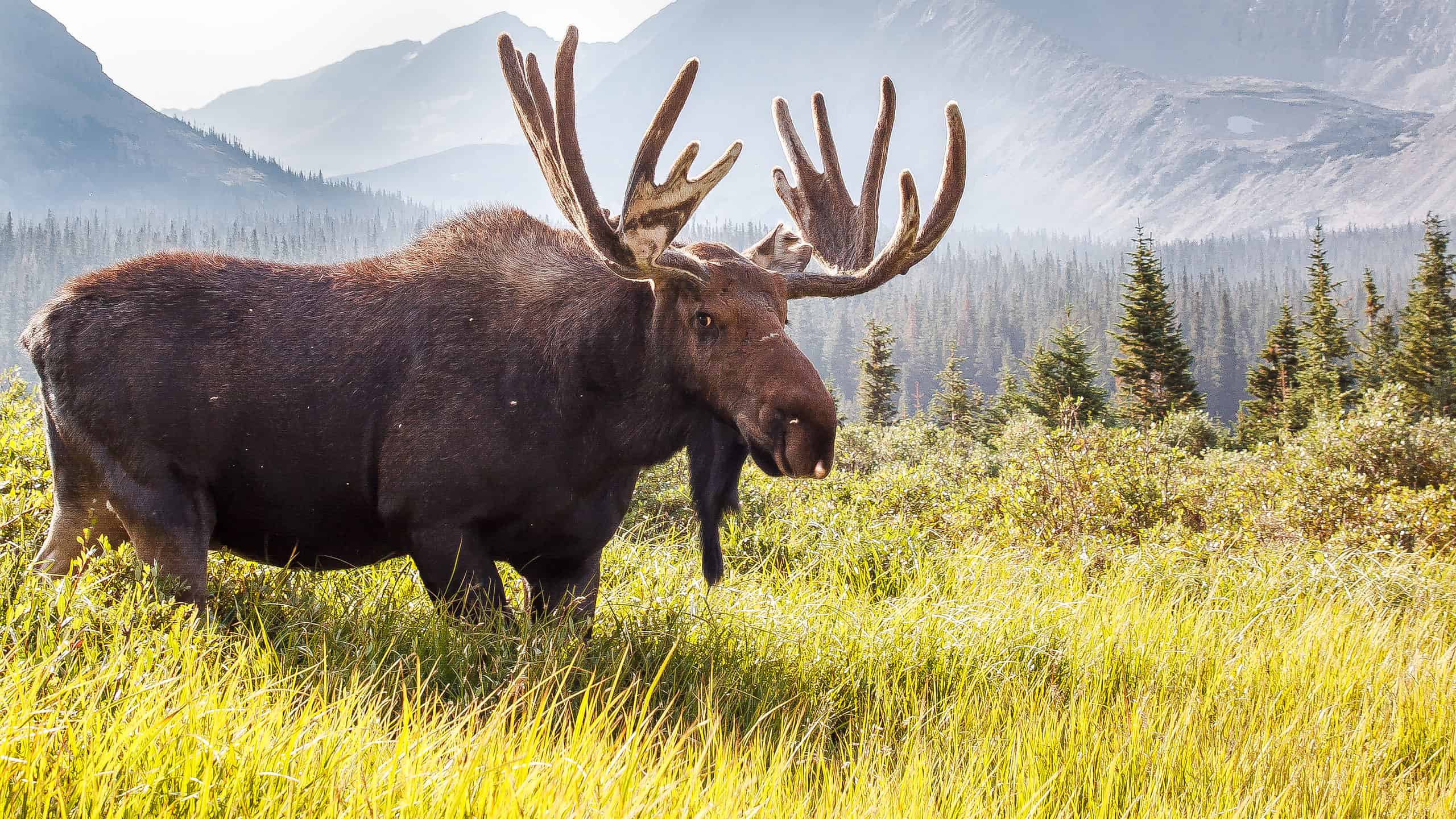
Further south and west, the [Grand Mesa National Forest] also hosts a growing moose population. As the world’s largest flat-topped mountain, the [Grand Mesa] offers a unique high-altitude environment with thousands of lakes and ponds.
The numerous water sources and abundant willow growth around these lakes make for excellent moose habitat. While perhaps less renowned for moose than [North Park] or [Rocky Mountain National Park], it provides a quieter, equally rewarding opportunity for those willing to explore its vast, scenic landscapes. This area can be a fantastic choice for travelers looking to combine moose viewing with fishing, hiking, and exploring a less crowded natural setting.
Essential Tips for a Successful Moose Safari
Embarking on a moose-seeking adventure requires preparation and respect for wildlife. Following these tips will enhance your chances of a memorable and safe encounter.
When to Go
The best times for moose viewing generally align with their activity patterns.
- Seasons: Late spring and early summer often bring sightings of cows with their calves, while the fall (September and October) is the rutting season, when bulls are more active and visible as they seek mates. Winter can offer stark, beautiful viewing opportunities against a snowy backdrop, but access can be challenging.
- Time of Day: Moose are most active during dawn and dusk. Plan to be in prime viewing areas during these cooler periods when they are typically foraging. Midday sightings are less common as they often seek shade and rest.
Safety and Etiquette
Moose, despite their seemingly placid demeanor, are wild animals and can be dangerous, especially if they feel threatened.
- Maintain Distance: Always keep a significant distance – at least 75 feet (25 yards) – between yourself and a moose. This is crucial, particularly if a cow has calves nearby, as they can be highly protective and aggressive.
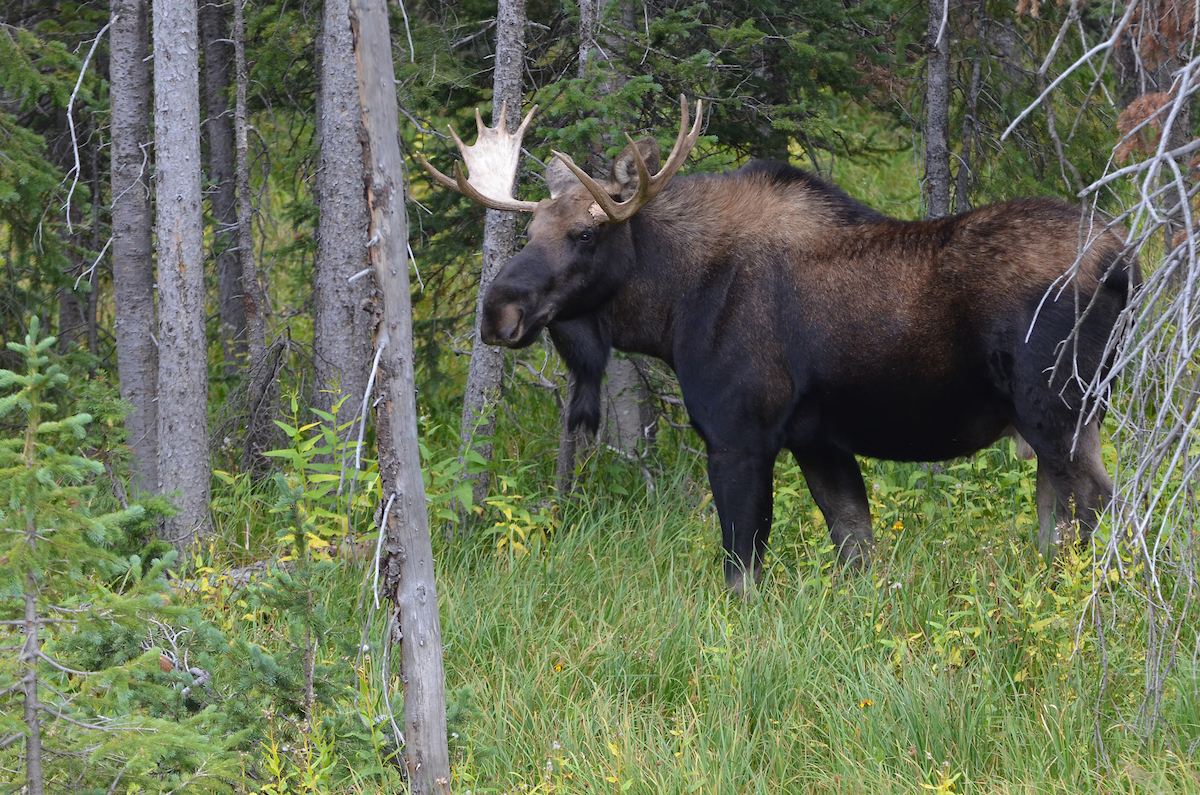
- Observe Behavior: Watch for warning signs: laid-back ears, raised hair on the hump, head lowered, or licking their snout. If a moose displays any of these, it’s time to slowly and calmly back away.
- Never Approach or Feed: Do not attempt to approach, feed, or lure moose. This habituates them to humans and can lead to dangerous situations for both animals and people.
- Leashed Pets: Keep dogs leashed at all times. Moose often perceive dogs as wolves, a natural predator, which can provoke an aggressive charge.
- Obstacles: If a moose charges, try to put a large object (like a tree or a car) between yourself and the animal.
What to Bring
Proper gear enhances your experience and safety.
- Optics: Binoculars and a camera with a good zoom lens are essential for distant, clear viewing without disturbing the animals.
- Clothing: Dress in layers appropriate for mountain weather, which can change rapidly. Sturdy hiking boots are also advisable.
- Navigation: Bring maps and know your route, especially in more remote areas. A GPS device can be helpful.
- Essentials: Carry water, snacks, and first-aid supplies.
- Patience: Wildlife viewing often requires patience. Moose are wild, and sightings are never guaranteed, but the search itself is part of the adventure.
Guided Tours vs. Self-Exploration
Both options offer unique benefits.
- Guided Tours: Local guides possess intimate knowledge of moose habits and current locations, significantly increasing your chances of a sighting. They also prioritize safety and provide valuable ecological insights. Many outfitters operate out of towns like [Grand Lake] or [Steamboat Springs].
- Self-Exploration: This offers greater flexibility and a sense of discovery. Before heading out, always check with local visitor centers or park rangers for up-to-date information on moose activity, trail conditions, and any specific safety warnings.
Beyond Moose: Complementary Colorado Travel Experiences
While moose viewing can be the centerpiece of a [Colorado] trip, the areas where these animals thrive are also rich in other travel opportunities. Integrating moose safaris with other activities can create a well-rounded and unforgettable adventure.
Many of the prime moose habitats, such as [Rocky Mountain National Park] and the [Routt National Forest], are also excellent for spotting other iconic [Colorado] wildlife like elk, bighorn sheep, mule deer, and occasionally black bears. The diverse ecosystems support a wide array of bird species, making it a birdwatcher’s paradise as well.
Beyond wildlife, the natural landscapes offer unparalleled opportunities for outdoor recreation. Travelers can enjoy extensive hiking trails, ranging from leisurely strolls around scenic lakes to challenging ascents of fourteeners (mountains over 14,000 feet). Fishing in pristine mountain streams and lakes, kayaking, and paddleboarding on the numerous reservoirs provide aquatic adventures. Scenic drives, such as [Trail Ridge Road] in [Rocky Mountain National Park] or the roads through [North Park], offer breathtaking vistas and opportunities for roadside wildlife viewing. In winter, these same regions transform into playgrounds for skiing, snowshoeing, and snowmobiling.
A trip to [Colorado] for moose is more than just ticking an animal off a list; it’s an invitation to immerse oneself in the stunning wilderness, explore charming mountain towns like [Grand Lake] or [Steamboat Springs], and connect with the raw beauty of the Rocky Mountains. The presence of moose simply adds another layer of magic to an already incredible travel destination.
LifeOutOfTheBox is a participant in the Amazon Services LLC Associates Program, an affiliate advertising program designed to provide a means for sites to earn advertising fees by advertising and linking to Amazon.com. Amazon, the Amazon logo, AmazonSupply, and the AmazonSupply logo are trademarks of Amazon.com, Inc. or its affiliates. As an Amazon Associate we earn affiliate commissions from qualifying purchases.