
Embarking on a cross-country journey from the sun-drenched beaches of Florida to the golden shores of California is a quintessential American travel experience. Whether for business, leisure, or family visits, understanding the duration of this significant flight is crucial for planning an efficient and enjoyable trip. While the exact time can vary due to a multitude of factors, a typical flight between these two expansive states ranges from several hours to a full day, depending primarily on whether your chosen route involves direct travel or connecting flights.
The Straightforward Answer: Typical Flight Durations
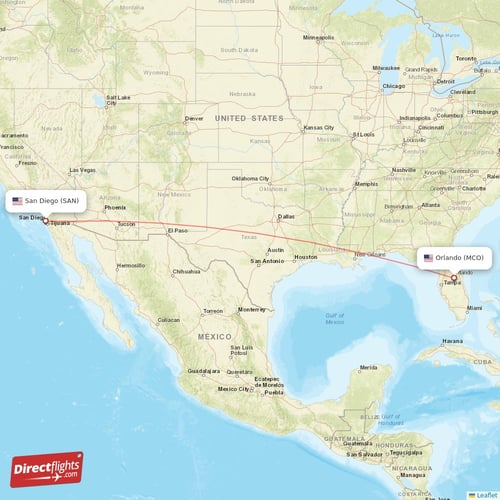
The direct flight from Florida to California is one of the longest domestic routes in the United States, spanning approximately 2,500 miles (4,000 kilometers) from coast to coast. This considerable distance directly impacts the time spent airborne.
Non-Stop vs. Connecting Flights: A Major Difference
For travelers prioritizing speed and convenience, non-stop flights are the optimal choice. These flights typically bypass any intermediate stops, taking you directly from your departure airport in Florida to your destination in California.
- Non-Stop Flights: A direct flight usually clocks in between 5 hours and 30 minutes to 6 hours and 30 minutes in the air. This duration can fluctuate slightly based on the specific departure and arrival cities, as well as prevailing wind conditions and air traffic. For instance, a flight from Miami to Los Angeles might be on the longer end, while a route from Jacksonville to San Diego could be slightly shorter due to minor differences in geographical alignment.
- Connecting Flights: If a non-stop option isn’t available or if it’s significantly more expensive, travelers often opt for flights with one or more layovers. These flights inherently extend the total travel time. A one-stop flight can range from 8 to 12 hours or more, including the layover duration. The time added depends heavily on the length of the layover and the efficiency of the connecting airport. Flights with two or more stops can easily push total travel time past 12 hours, sometimes even reaching 15-20 hours depending on the schedule and layover choices.
Geographical Considerations: East Coast vs. West Coast Cities
The specific cities of departure and arrival within Florida and California play a role in the precise flight duration. Florida is a peninsular state, and its southernmost points, like Miami, are further from California than cities in its northern regions, such as Pensacola. Similarly, northern California cities like San Francisco are a different distance from Florida than southern cities like San Diego. Generally, flights originating from central or south Florida (e.g., Orlando, Fort Lauderdale, Miami) to central or south California (e.g., Los Angeles, San Diego) tend to represent the typical 5.5 to 6.5-hour duration. Flights involving northern hubs on either side might see slight variations, but these are usually measured in minutes rather than hours for direct routes.
Factors Influencing Your Flight Time
While the direct distance is the primary determinant, several operational and environmental factors can influence the actual flight time, sometimes significantly.
Wind Speed and Direction
One of the most impactful natural phenomena affecting flight duration is wind. Jet streams, powerful currents of air high in the atmosphere, predominantly flow from west to east.
- Westbound Flights (California to Florida): These flights often contend with headwinds, which can slow the aircraft down and add 30 minutes to an hour or more to the flight time.
- Eastbound Flights (Florida to California): Conversely, eastbound flights often benefit from tailwinds, which can propel the aircraft faster, potentially shortening the flight by 30 minutes to an hour. This is why you might notice that a flight from Los Angeles to Miami is often quoted as being shorter than the return journey.
Aircraft Type and Cruise Speed
Modern commercial aircraft vary in their cruising speeds. While the difference is typically not vast enough to drastically alter a long-haul flight by hours, specific models can shave off a few minutes. Newer, more fuel-efficient planes often operate at slightly higher cruise speeds, contributing to marginally shorter travel times compared to older models flying the same route. The airline’s operational decisions regarding fuel efficiency versus schedule adherence also play a role.
Air Traffic Control (ATC) and Route Efficiency
Air traffic control manages the flow of thousands of flights daily. Congestion around major hubs, adverse weather conditions, or unforeseen operational issues can lead to reroutes, holding patterns, or delayed departures. For instance, heavy traffic at Orlando International Airport (MCO) or Los Angeles International Airport (LAX) could mean a longer taxi to the runway or a delay in receiving clearance for takeoff, adding minutes to the overall travel experience. Efficient routing, minimizing detours, and direct paths contribute to faster journey times.
Layover Duration for Connecting Flights
For connecting flights, the most variable factor is the layover itself. A short, efficient layover of 1.5 to 2 hours is ideal, allowing enough time to deplane, navigate the airport, and board the next flight without excessive waiting. However, longer layovers, whether due to scheduling, limited options, or intentional planning for a break, can extend the total travel time significantly. Travelers should always check the layover duration carefully when booking connecting flights to avoid unexpected lengthy waits.
Major Airports: Starting Points and Destinations
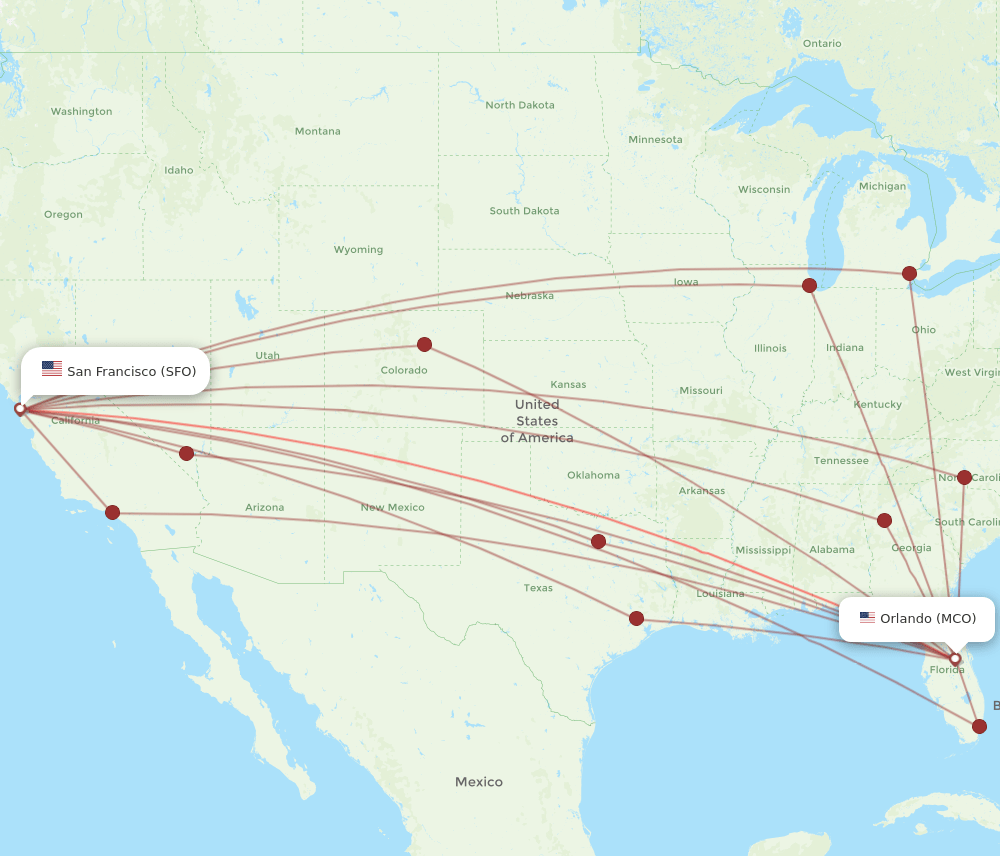
The choice of departure and arrival airports significantly impacts not only the direct flight time but also overall travel logistics, including ground transportation and potential layover options.
Florida’s Key Departure Hubs
Florida boasts several major international airports that serve as primary departure points for cross-country travel:
- Miami International Airport (MIA): Located in Miami, this is one of the busiest airports in the U.S., offering numerous direct flights to California and a wide array of connecting options.
- Orlando International Airport (MCO): Serving the popular tourist destination of Orlando, MCO is another major hub with extensive flight networks to the West Coast.
- Fort Lauderdale-Hollywood International Airport (FLL): A significant alternative to MIA, FLL in Fort Lauderdale often provides competitive fares and a good selection of flights.
- Tampa International Airport (TPA): Located in Tampa on the Gulf Coast, TPA offers a robust selection of domestic routes, including many to California.
California’s Main Arrival Gates
On the West Coast, California is home to several large airports, each serving vast metropolitan areas:
- Los Angeles International Airport (LAX): The primary international gateway for Los Angeles and the surrounding Southern California region, LAX is one of the busiest airports in the world and offers the most direct flight options from Florida.
- San Francisco International Airport (SFO): Serving the San Francisco Bay Area, SFO is a major hub for Northern California and receives numerous direct flights from Florida.
- San Diego International Airport (SAN): Positioned close to the U.S.-Mexico border, SAN is a convenient option for travelers heading to San Diego and its environs.
- Oakland International Airport (OAK): Another significant airport in the San Francisco Bay Area, OAK often provides budget-friendly alternatives to SFO.
Optimizing Your Cross-Country Flight Experience
Given the considerable duration of a transcontinental flight, implementing strategies for comfort and time management can significantly enhance your travel experience.
Choosing the Right Time to Fly
Flight schedules can impact the perceived length of your journey. Opting for a red-eye flight, departing Florida in the evening and arriving in California in the early morning, can feel shorter as you sleep through a significant portion of the flight. This also helps in mitigating jet lag by aligning your arrival with the start of a new day. Conversely, daytime flights allow for clearer views and more opportunities for in-flight entertainment, but you’ll experience every hour of the journey while awake.
In-Flight Comfort and Entertainment
For a journey lasting several hours, comfort is paramount.
- Stay Hydrated: Aircraft cabins have very low humidity, which can lead to dehydration. Drink plenty of water and avoid excessive alcohol or caffeine.
- Move Around: To prevent stiffness and promote circulation, try to stand, stretch, and walk the aisle periodically if possible.
- Entertainment: Download movies, TV shows, podcasts, or audiobooks onto your devices before you fly. While most airlines offer in-flight entertainment, having your own curated selection provides more control and can make the time pass more quickly.
- Comfort Essentials: Pack a neck pillow, eye mask, earplugs, and a light blanket or shawl to create a more comfortable environment for resting or sleeping.
Managing Time Zones and Jet Lag
Traveling from Florida (Eastern Time) to California (Pacific Time) involves a three-hour time difference. This westward journey usually means you “gain” time, making jet lag less severe than flying eastward, but adjustment is still necessary.
- Adjust Before You Go: A few days before your trip, try to shift your sleep schedule by going to bed an hour or two later.
- Hydration and Light: Stay hydrated on the flight and expose yourself to natural light upon arrival in California. Sunlight helps reset your body’s internal clock.
- Adopt Local Time: As soon as you board your flight, adjust your watch to California time and try to eat and sleep according to your destination’s schedule.
Beyond Direct Flights: Exploring Other Options
While the focus remains on flight duration, it’s worth briefly acknowledging that for some travelers, the journey itself can be an experience beyond simply the fastest route.
The Allure of a Road Trip
While a road trip is fundamentally different from flying, for those with ample time, driving from Florida to California can be a memorable adventure. However, it’s a multi-day commitment, typically taking 4-7 days of driving, depending on stops and route choices, a stark contrast to the hours spent in the air. This option is chosen for the experience of the journey and the sights along the way, not for speed.
Multi-City Itineraries
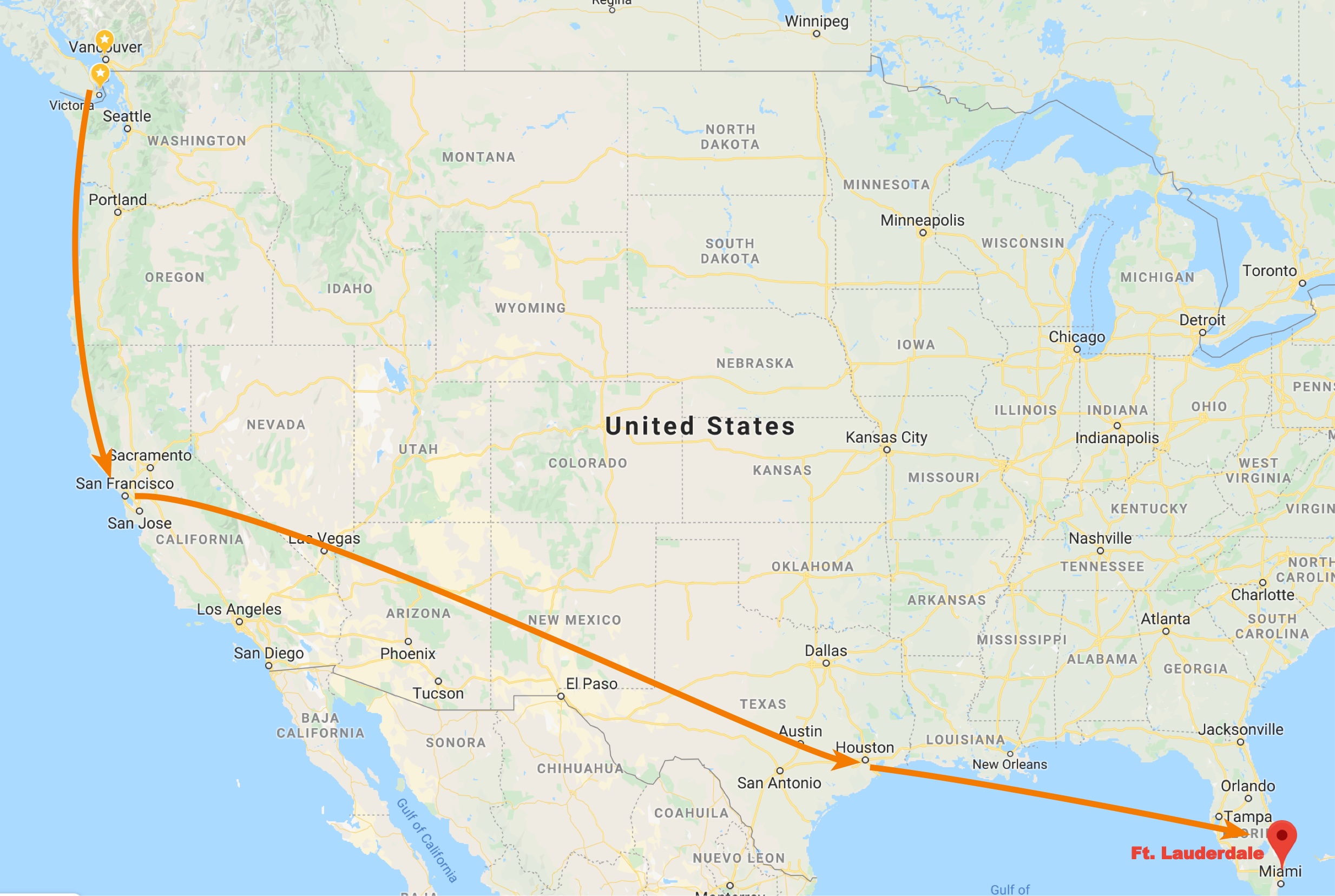
Some travelers opt to break up the long cross-country flight with an intentional stop in a city between Florida and California, such as Denver, Dallas, or Houston. While this increases the total travel time by adding an extra layover and potentially an overnight stay, it can make the journey feel less arduous by segmenting the flight portions and offering a chance to explore an additional destination.
Ultimately, the flight from Florida to California is a significant undertaking that requires careful planning. By understanding the typical durations, the factors that influence them, and how to optimize your experience, you can ensure a smooth and comfortable journey across the continental United States.
LifeOutOfTheBox is a participant in the Amazon Services LLC Associates Program, an affiliate advertising program designed to provide a means for sites to earn advertising fees by advertising and linking to Amazon.com. Amazon, the Amazon logo, AmazonSupply, and the AmazonSupply logo are trademarks of Amazon.com, Inc. or its affiliates. As an Amazon Associate we earn affiliate commissions from qualifying purchases.