
When contemplating a visit to a new state or even considering a long-term stay, understanding its unique legal and cultural landscape often forms an integral part of the experience. From local customs to significant historical milestones, these facets contribute to the overall fabric of a destination. One question that occasionally arises, touching upon both a state’s legal framework and its societal values, is its stance on capital punishment. For those curious about the Centennial State, the answer is a definitive no. Colorado abolished the death penalty in March 2020, marking a significant moment in its history and cementing its position among states that have moved away from this ultimate form of punishment.

This decision reflects a broader shift in public opinion and legislative priorities within Colorado, aligning the state with a progressive stance on justice and human rights. For travelers, residents, and those considering relocation, understanding this aspect goes beyond mere legal trivia; it speaks to the values and moral compass of a community. In the vibrant tapestry of Colorado, known for its majestic Rocky Mountains, bustling cities like Denver, and a commitment to outdoor living and sustainability, the abolition of the death penalty adds another layer to its identity as a forward-thinking place.
The End of an Era: Colorado’s Abolition of Capital Punishment
The journey to repeal the death penalty in Colorado was a long and complex one, spanning decades of debate, legislative attempts, and shifts in public sentiment. Ultimately, the bill to abolish capital punishment was signed into law by Governor Jared Polis on March 23, 2020. This act made Colorado the 22nd state in the United States, along with the District of Columbia, to outlaw the practice. The law replaced the death penalty with a sentence of life imprisonment without the possibility of parole for class 1 felony convictions.
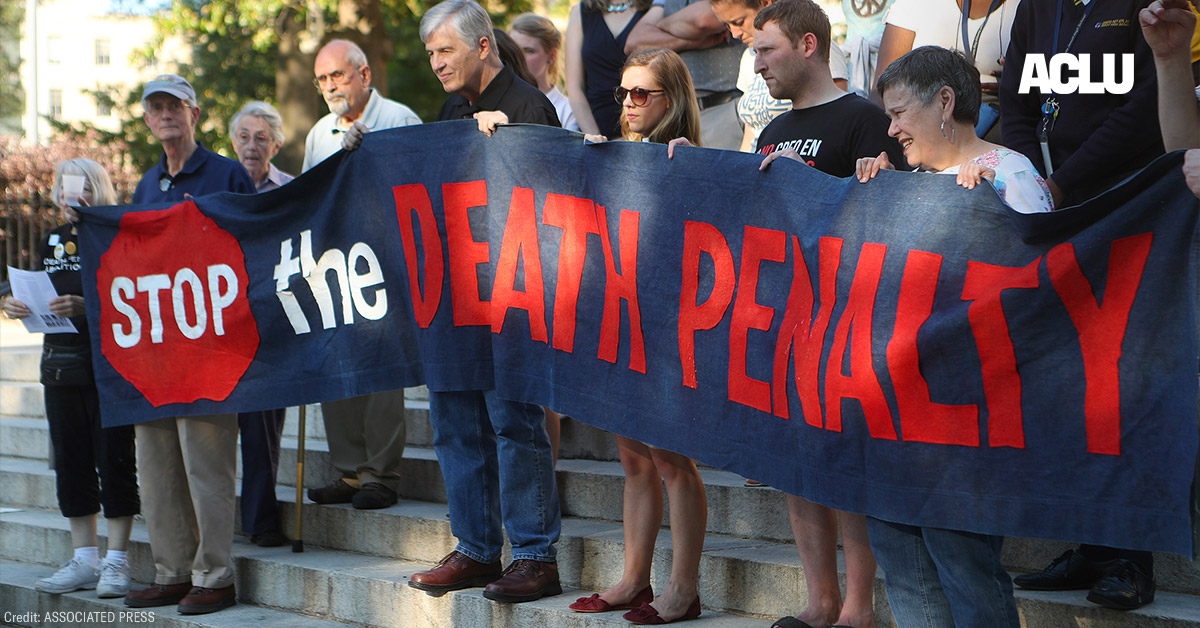
A critical component of this legislation was its retrospective application to the three individuals who were on Colorado’s death row at the time. Their sentences were commuted to life without parole, ensuring that the repeal had immediate and tangible consequences for those directly impacted. This move was celebrated by human rights organizations, legal reform advocates, and a significant portion of the public who believed that capital punishment was an outdated, ineffective, and morally problematic practice.
The Arguments for Repeal
The arguments that ultimately swayed the Colorado State Legislature and Governor Polis were multi-faceted. Key among them were:
- Moral and Ethical Concerns: Many lawmakers and citizens expressed profound moral objections to the state taking a human life, regardless of the severity of the crime. There was a strong belief that capital punishment violated fundamental human dignity and was inconsistent with a just society.
- Risk of Executing the Innocent: The irreversible nature of the death penalty was a powerful argument. The possibility, however remote, of executing an innocent person was deemed unacceptable. Cases nationwide where individuals on death row were later exonerated highlighted this risk.
- Disparities in Application: Studies and anecdotal evidence consistently showed racial and socioeconomic biases in the application of the death penalty. It was argued that capital punishment was disproportionately applied to people of color and those from lower-income backgrounds, undermining the principle of equal justice under the law.
- High Costs: Counterintuitively, prosecuting death penalty cases is significantly more expensive than life imprisonment due to lengthy appeals processes, specialized legal teams, and heightened security measures. Financial arguments often resonated with lawmakers concerned about taxpayer money.
- Lack of Deterrent Effect: Extensive research has failed to consistently demonstrate that the death penalty acts as a greater deterrent to crime than life imprisonment. This undermined one of the primary justifications for its existence.
The successful repeal in 2020 was the culmination of years of advocacy, shifting legislative majorities, and a growing public consensus that the death penalty no longer served Colorado’s interests or reflected its values.
A Glimpse into Colorado’s Capital Punishment History
While Colorado is now firmly in the abolitionist camp, its history with capital punishment is long and complex, reflecting the evolving attitudes of the United States as a whole. The death penalty has been a part of Colorado’s legal system since its territorial days.
Early Days and Methods
In the early history of Colorado Territory and later the state, executions were carried out primarily by hanging. These events were often public spectacles, reflecting a different era of justice where punishment served as a visible deterrent and a form of public retribution. Over time, as societal norms evolved, the method of execution changed. Colorado transitioned to the gas chamber in the 20th century, which was considered a more “humane” method at the time, though still a subject of intense ethical debate. The last execution by gas chamber in Colorado occurred in 1967. After a national moratorium on capital punishment by the U.S. Supreme Court in the 1970s, when the death penalty was reinstated, Colorado adopted lethal injection as its primary method. The state’s only execution by lethal injection occurred in 1997.
The state’s death row and execution chamber were housed at the Colorado State Penitentiary in Cañon City, a city often associated with correctional facilities and a significant part of the state’s legal and historical landscape. This facility, much like others across the United States, holds a somber place in the history of capital punishment, witnessing both the implementation and the eventual cessation of executions in Colorado.
Legislative Cycles and Pauses

Throughout the 20th and early 21st centuries, Colorado experienced several legislative cycles where the death penalty was debated, repealed, and then reinstated.
- 1972-1979 Moratorium: Following the landmark Furman v. Georgia decision by the U.S. Supreme Court in 1972, which effectively halted executions nationwide, Colorado’s death penalty statute was deemed unconstitutional. No executions occurred in the state during this period.
- Reinstatement in 1979: Colorado reinstated capital punishment in 1979 with a revised statute designed to meet the constitutional requirements set forth by the Supreme Court. This marked a return to the possibility of executions, though they remained rare.
- The 2020 Repeal: The final repeal in 2020 was not an isolated event but rather the culmination of renewed legislative efforts and a growing consensus against capital punishment. It built upon decades of advocacy and legal challenges that continuously questioned the fairness, efficacy, and morality of the death penalty. This history illustrates a dynamic legal landscape, where societal values and legal interpretations continually shape the application of justice.
Colorado’s Progressive Stance and Its Appeal to Visitors
The abolition of the death penalty is not an isolated policy decision but rather fits into a broader pattern of progressive governance and societal values that define modern Colorado. This progressive identity is increasingly appealing to travelers, potential residents, and businesses alike, contributing to the state’s vibrant lifestyle and tourism sectors.
Reflecting Core Values
Colorado has gained a reputation as a state that prioritizes innovation, environmental stewardship, and social justice. From its pioneering stance on cannabis legalization to its robust renewable energy initiatives and emphasis on LGBTQ+ rights, the state often leads the way in progressive policy. The decision to abolish the death penalty further solidifies this identity, demonstrating a commitment to human rights and a justice system that seeks rehabilitation and definitive, yet non-lethal, punishment.
For many, these values are not just abstract concepts but tangible elements that shape the daily experience of living or visiting the state. Knowing that a state actively works to create a more equitable and just society can contribute to a sense of comfort and alignment for visitors and residents. It reflects a community that grapples with complex ethical questions and strives for solutions that uphold dignity and fairness.
Impact on Tourism and Lifestyle
While the legal status of capital punishment may not be the first thing a tourist considers when planning a trip to Colorado, it subtly influences the overall perception and atmosphere of the state. A progressive legal framework can contribute to an image of a welcoming, enlightened, and safe destination. Travelers are increasingly drawn to places that align with their personal values, and Colorado’s progressive policies often resonate with those seeking open-minded and forward-thinking environments.
- Sense of Security and Justice: Understanding that Colorado’s justice system operates without the death penalty, focusing instead on life imprisonment without parole, can contribute to a subtle sense of a stable and predictable legal environment. This contributes to the broader feeling of safety and well-being, which is paramount for any travel destination.
- Cultural and Educational Tourism: For those interested in civics, history, or social justice, Colorado’s journey with capital punishment can be an intriguing area of study. The Colorado State Capitol Building in Denver, where the repeal bill was debated and passed, stands as a landmark of legislative history. Exploring museums or historical societies might offer deeper insights into the state’s legal evolution.
- Attracting Talent and Residents: Beyond tourism, the state’s progressive stance on such fundamental issues can attract individuals and families looking for a place to live that mirrors their values. This contributes to a diverse and dynamic population, which in turn enriches the state’s culture, economy, and overall lifestyle. Cities like Boulder, Fort Collins, and Denver are known for their progressive communities and attract individuals seeking an active lifestyle combined with a socially conscious environment.
The abolition of the death penalty in Colorado is more than just a legal amendment; it is a declaration of the state’s evolving identity and a testament to its commitment to modern justice principles. It adds another dimension to the compelling story of Colorado, a state already celebrated for its natural beauty, vibrant cities, and adventurous spirit. Whether one is exploring the ski slopes of Aspen or Vail, hiking Pikes Peak, or experiencing the unique geological formations of Garden of the Gods near Colorado Springs, the underlying ethos of a progressive and just society adds depth to the entire Colorado experience.
The Future of Justice in Colorado and Beyond
With the death penalty now firmly in the past, Colorado is focused on strengthening other aspects of its criminal justice system, emphasizing rehabilitation, victim support, and ensuring fair trials. The conversation has shifted from the question of whether to execute to how best to address violent crime, support victims’ families, and prevent future offenses within a framework of justice that respects human life above all.
This forward-looking approach positions Colorado as a leader in criminal justice reform within the United States. As other states continue to debate the morality and efficacy of capital punishment, Colorado’s experience provides a compelling case study for a different path. The state’s decision reflects a growing national and international trend towards the abolition of the death penalty, aligning it with many developed nations around the world.
Continued Evolution and Dialogue
The legal landscape is never static, and Colorado will undoubtedly continue to refine its justice system. The repeal of the death penalty, however, represents a fundamental and deeply considered shift that is unlikely to be reversed. It signals a commitment to certain principles that are now deeply woven into the state’s identity.
For those engaging with Colorado, whether as tourists enjoying its natural wonders, seeking accommodation in its diverse cities, or considering it as a new home, understanding this aspect of its legal and moral framework offers a richer, more nuanced appreciation of what the Centennial State represents. It underscores a commitment to a modern, humane approach to justice, mirroring the state’s overall progressive and vibrant lifestyle. This emphasis on human dignity and a fair, albeit firm, justice system contributes to the overall peace of mind and sense of community that many find so attractive about Colorado.
In conclusion, for those asking, “Does Colorado have the death sentence?”, the answer is a resounding no, and that answer is deeply reflective of the progressive spirit and values that make the state a unique and appealing destination in the United States.
LifeOutOfTheBox is a participant in the Amazon Services LLC Associates Program, an affiliate advertising program designed to provide a means for sites to earn advertising fees by advertising and linking to Amazon.com. Amazon, the Amazon logo, AmazonSupply, and the AmazonSupply logo are trademarks of Amazon.com, Inc. or its affiliates. As an Amazon Associate we earn affiliate commissions from qualifying purchases.