
Moving to a new state or purchasing a vehicle in a vibrant place like Texas can be an exciting chapter, full of new adventures and experiences. Whether you’re planning a road trip through the vast Lone Star State, settling into a new home in a bustling city like Dallas or Houston, or simply need to update your vehicle’s paperwork, understanding the registration process is paramount. Proper vehicle registration isn’t just a legal requirement; it’s an essential step that ensures you can explore Texas’ diverse landscapes, from the historic Alamo in San Antonio to the live music scene in Austin, with complete peace of mind.
This comprehensive guide is designed to walk you through every aspect of registering your vehicle in Texas, transforming a potentially daunting task into a straightforward process. We’ll cover everything from initial inspections and insurance requirements to the necessary documentation and where to go to finalize your registration. By the end of this article, you’ll be well-equipped to navigate the Texas Department of Motor Vehicles (DMV) system and hit the open road with confidence, ready to discover all the travel and lifestyle opportunities that Texas has to offer.
Understanding Texas Vehicle Registration
Vehicle registration in Texas is a fundamental legal obligation for all residents. It ensures that vehicles operating on public roads meet state safety and environmental standards, and it helps fund critical infrastructure projects. For new residents, it’s one of the first administrative steps you’ll take to fully integrate into life in the Lone Star State, allowing you to experience the local culture, food, and attractions without a hitch.
Why Register Your Vehicle in Texas?
The reasons to register your vehicle in Texas extend far beyond mere compliance. For travelers and those embracing a new lifestyle, it’s a gateway to seamless exploration. Imagine driving through the scenic Hill Country, visiting Big Bend National Park, or commuting to your new job in Fort Worth. A properly registered vehicle ensures your journey is uninterrupted by legal concerns. It’s also an integral part of responsible vehicle ownership, contributing to road safety and environmental protection. Without current registration, you risk fines, impoundment, and complications with insurance claims.
For individuals relocating from another state, the process of registering your vehicle is a key part of establishing residency. This often goes hand-in-hand with updating your driver’s license and other personal documents. It’s an administrative rite of passage that enables you to fully enjoy everything from long-term accommodation options in thriving metropolitan areas like El Paso to discovering hidden local gems. For those who enjoy luxury travel or budget travel, having all your vehicle documents in order means more time focusing on planning your next adventure, whether it’s a stay at a boutique hotel or camping under the stars.
Key Steps to Registering Your Vehicle
The process of registering a vehicle in Texas can be broken down into a few critical steps. While it may seem like a bureaucratic maze, following these steps sequentially will simplify your experience.
Passing the Vehicle Inspection
Before you can officially register your vehicle, it must pass a mandatory safety inspection. This is a crucial step to ensure all vehicles on Texas roads are roadworthy and meet state standards. The inspection checks various components, including brakes, tires, lights, steering, and other safety features. In many counties, an emissions test is also required, especially in larger metropolitan areas to combat air pollution. These include counties like Harris County, Dallas County, Travis County, and Tarrant County.
You can find authorized inspection stations throughout the state, often identifiable by official state inspection signs. Once your vehicle passes, you’ll receive a Vehicle Inspection Report (VIR), which you’ll need for the next step. It’s important to remember that you cannot register your vehicle without a current, valid VIR. This inspection ensures not only your safety but also the safety of others on the road, contributing to a better travel experience for everyone exploring the state’s destinations and attractions.
Securing Texas Auto Insurance
Proof of financial responsibility is another non-negotiable requirement for vehicle registration in Texas. This typically means having a valid auto insurance policy that meets the state’s minimum coverage limits. The minimum liability coverage in Texas is often referred to as “30/60/25,” meaning:
- $30,000 for bodily injury per person
- $60,000 for total bodily injury per accident
- $25,000 for property damage per accident
You’ll need to show proof of this insurance when you register your vehicle. This can be in the form of an insurance card, a copy of your policy, or a digital insurance ID. It’s wise to shop around and compare rates from various providers to find the best policy that suits your budget and lifestyle needs. Having adequate insurance provides peace of mind, whether you’re embarking on a family trip to a resort or simply commuting for work. It’s a critical element of responsible vehicle ownership and provides a safety net against unforeseen events that could otherwise impact your travel plans or financial stability.
Visiting Your County Tax Office
With a successful vehicle inspection and valid insurance in hand, the final step in the initial registration process is to visit your local county tax assessor-collector’s office. This is where you’ll submit all your documents and pay the necessary fees. While the Texas DMV oversees vehicle registration statewide, the actual processing is handled at the county level.
It’s advisable to check your specific county’s website for their operating hours, specific requirements, and any options for appointments or online forms that can expedite your visit. Arrive prepared with all your paperwork neatly organized to ensure a smooth transaction. This office visit is typically the culmination of the initial registration process, where you’ll receive your registration sticker and license plates (if applicable). Once completed, your vehicle is officially registered and ready to navigate the vast and varied landscapes of Texas, from its urban centers to its remote natural landmarks.
Required Documents and Fees
Preparation is key to a hassle-free vehicle registration experience. Knowing exactly what documents to bring and understanding the associated costs will save you time and potential frustration. This preparation allows you to focus more on planning your next travel experience or enjoying your new Texas lifestyle.
Essential Paperwork
Gathering all the necessary documents beforehand is crucial. While specific requirements can vary slightly depending on whether your vehicle is new, used, or from out-of-state, the core documents generally include:
- Proof of Vehicle Inspection (VIR): The Vehicle Inspection Report you received after passing your safety and emissions tests. Ensure it is current.
- Proof of Texas Auto Insurance: Your insurance card or policy declaration page showing the minimum liability coverage.
- Proof of Ownership:
- New Vehicles: Manufacturer’s Certificate of Origin (MCO).
- Used Vehicles (Texas Title): The original Texas title signed over to you by the seller.
- Used Vehicles (Out-of-State Title): Your out-of-state title. If a lien is recorded on the out-of-state title, you may also need a lien release or a current registration receipt from the previous state.
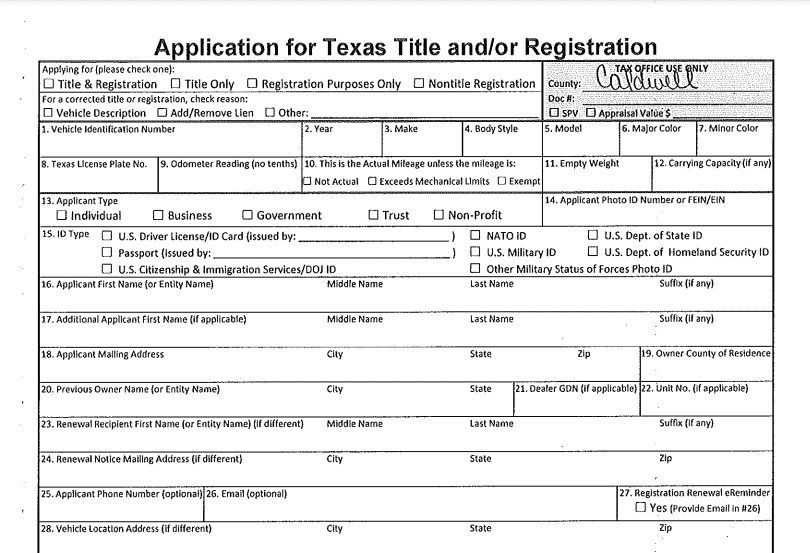
- Application for Texas Title and/or Registration (Form 130-U): This form can usually be downloaded from the Texas DMV website or obtained at the county tax office. Fill it out completely and accurately.
- Current Registration (for out-of-state vehicles): If your vehicle is coming from another state, bring its most recent registration document.
- Photo Identification: A valid government-issued ID, such as your Texas driver’s license.
- Payment for Fees: Be prepared to pay for title, registration, and any applicable sales taxes.
Having these documents organized and readily accessible will significantly speed up your visit to the county tax office. It’s always a good idea to make copies for your records as well. This meticulous preparation aligns with the detailed planning often associated with successful travel, whether you’re booking accommodations or charting a course to a new destination.
Understanding Registration Fees
The fees associated with registering your vehicle in Texas consist of several components. These fees contribute to state and local services, including road maintenance, public safety, and administrative costs. While the base registration fee is standard, other charges can vary:
- Base Registration Fee: This is the primary annual fee for registering your vehicle, typically around $50.75 for passenger vehicles.
- Title Application Fee: A fee for processing your vehicle’s title, which legally establishes your ownership.
- Local Road and Bridge Fee: Many counties charge an additional fee to support local infrastructure. This varies by county.
- Sales Tax (Motor Vehicle Tax): If you purchased your vehicle in Texas, you will pay a 6.25% motor vehicle sales tax on the purchase price. If you moved to Texas with a vehicle purchased out-of-state, you may owe a “new resident tax” or “use tax” if you haven’t paid sales tax in another state, or if the tax paid was less than what Texas would charge. This is a one-time fee upon titling.
- Inspection Fee: This fee is paid directly to the inspection station and is separate from registration fees.
- Processing and Other Administrative Fees: Minor fees may apply depending on the specific transaction and county.
It’s crucial to contact your specific county tax assessor-collector’s office or visit their website for the most accurate and up-to-date fee schedule, as rates can be subject to change and local variations. Being aware of these costs allows you to budget accordingly, ensuring that this administrative step doesn’t detract from your overall travel or lifestyle finances.
Special Situations and Renewals
Vehicle registration isn’t a one-time event, and certain circumstances require specific considerations. Understanding these nuances will ensure continuous compliance and smooth operations of your vehicle in Texas.
New Residents and Out-of-State Vehicles
If you’re new to the Lone Star State, the process of registering your out-of-state vehicle has a few distinct requirements and a specific timeline. Texas law generally requires new residents to register their vehicles within 30 days of establishing residency or gainful employment in the state.
The steps are largely similar to general registration but with a few key differences:
- Texas Safety Inspection: Your vehicle must pass a Texas safety inspection. Emissions testing may also be required depending on your county of residence.
- Texas Insurance: You must obtain a Texas auto insurance policy meeting state minimums.
- Out-of-State Title and Registration: You’ll need your original out-of-state title and the most recent registration receipt. If there’s a lien on your vehicle, you might need a letter from your lienholder, or the lienholder might need to send the title directly to the Texas DMV.
- Application for Texas Title and/or Registration (Form 130-U): Complete this form, indicating that you are a new resident.
- New Resident Tax: As mentioned, you may be subject to a new resident tax or use tax if sales tax wasn’t paid or was lower than Texas’ rate in your previous state. This tax is capped at $90 for certain situations.
Moving to a new state and navigating the initial setup can be complex, but getting your vehicle registered promptly is a crucial step that enables you to fully immerse yourself in your new environment, whether it’s exploring local attractions, finding the best restaurants, or simply enjoying the freedom of the open road in Texas.
Renewing Your Texas Vehicle Registration
Once your vehicle is registered, you’ll need to renew it annually. The good news is that renewing is generally much simpler than the initial registration process. You will typically receive a renewal notice in the mail or via email a few weeks before your registration expires.
To renew your Texas vehicle registration, you will need:
- Proof of a current Texas vehicle inspection.
- Proof of valid Texas auto insurance.
- Your renewal notice or license plate number.
- Payment for the renewal fees.
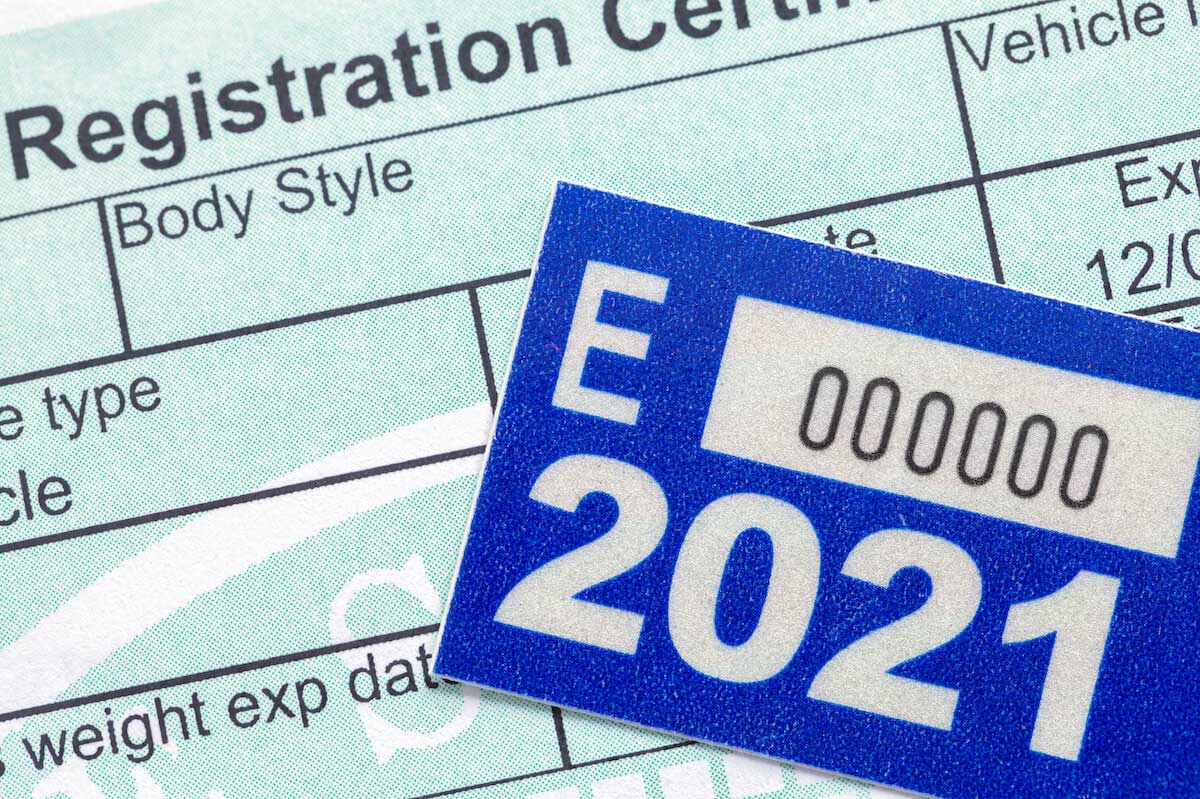
Most renewals can be completed online through the Texas DMV’s online portal, by mail, or in person at your county tax assessor-collector’s office. Online renewal is often the most convenient option, allowing you to pay with a credit card and receive your new registration sticker by mail. After renewing, remember to apply your new sticker to your license plate within the specified timeframe. Staying on top of your vehicle’s annual renewal ensures continuous legal operation and is a testament to responsible living and travel habits, allowing you to maintain focus on experiencing the rich culture and diverse destinations that Texas has to offer.
Navigating Texas Roads with Confidence
Registering your vehicle in Texas is a fundamental step towards fully experiencing life in the Lone Star State. While it involves several steps and a bit of paperwork, understanding the process ensures you can navigate it smoothly and efficiently. From passing your vehicle inspection to securing proper insurance and visiting your local county tax office, each step is designed to ensure road safety and compliance with state regulations.
Once your vehicle is properly registered, a world of travel and lifestyle opportunities opens up. You can confidently embark on a family trip to Galveston Island, explore the historical sites of San Antonio, or enjoy a scenic drive through the breathtaking landscapes near Big Bend National Park. Whether you’re a new resident eager to explore your new home, a seasoned traveler planning your next Texas adventure, or simply maintaining your vehicle’s legal status, this guide provides the essential information to keep you moving forward.
Remember, a properly registered vehicle isn’t just a legal requirement; it’s your ticket to freedom, adventure, and peace of mind on the open roads of Texas. Drive safely, explore widely, and enjoy all the incredible destinations, attractions, and unique experiences this magnificent state has to offer.
LifeOutOfTheBox is a participant in the Amazon Services LLC Associates Program, an affiliate advertising program designed to provide a means for sites to earn advertising fees by advertising and linking to Amazon.com. Amazon, the Amazon logo, AmazonSupply, and the AmazonSupply logo are trademarks of Amazon.com, Inc. or its affiliates. As an Amazon Associate we earn affiliate commissions from qualifying purchases.