
Navigating the financial landscape of retirement is a crucial aspect of planning for any individual, and for those considering or already enjoying their golden years in the Centennial State, understanding its tax policies is paramount. The question of whether Colorado taxes pensions is one that frequently arises, and the answer, while generally leaning towards favorable treatment, carries nuances that retirees should be aware of. This exploration delves into the specifics of Colorado’s approach to pension taxation, offering clarity and insight for those making Colorado their retirement destination or residing there.
Understanding Pension Taxation in Colorado
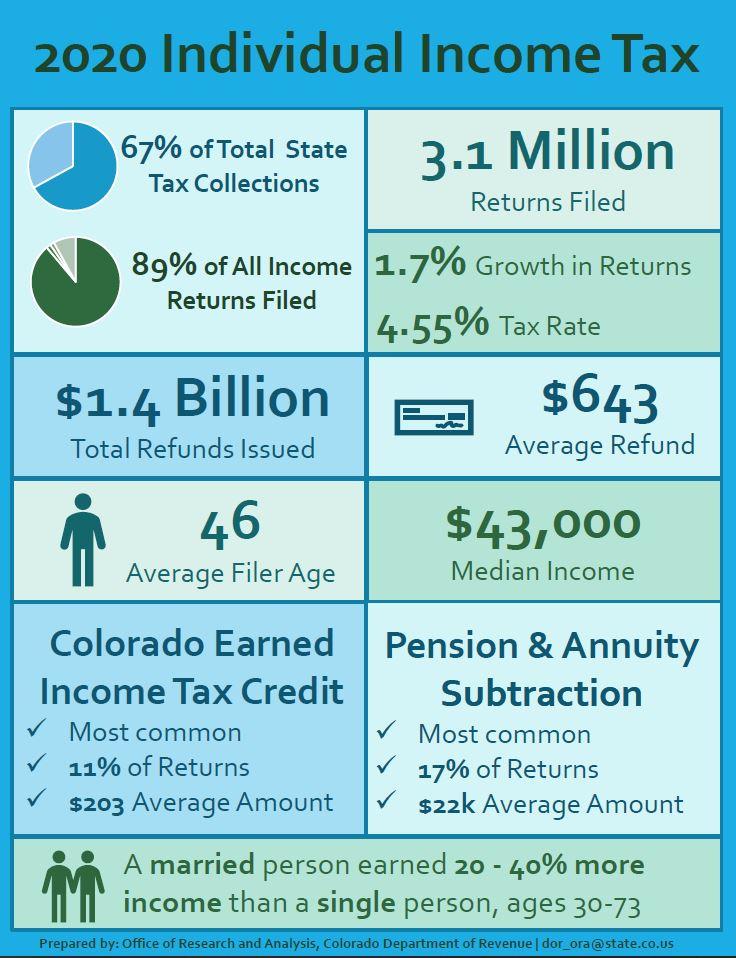
At its core, Colorado distinguishes itself among states by not levying an income tax on retirement income, including pensions, for most residents. This is a significant draw for retirees seeking to maximize their fixed incomes. The rationale behind this policy is to encourage seniors to establish residency in the state, thereby contributing to the local economy through their spending and engagement in communities. However, it’s essential to differentiate between various sources of retirement income, as not all are treated identically.
The Broad Strokes of Exemption
The general rule in Colorado is that income received from defined benefit pension plans, typically those offered by former employers, is exempt from state income tax. This means that the monthly or annual payments received from a traditional pension are not subject to taxation by the Colorado Department of Revenue. This exemption applies regardless of whether the pension originated from a private sector employer, a federal agency, or a state government entity. The relief provided by this policy can be substantial, allowing retirees to retain a larger portion of their hard-earned retirement funds.
What Constitutes a Pension in Colorado?
For tax purposes, a pension is generally defined as a retirement plan that provides a regular income to a retiree after they have left their employment. This income is usually based on a formula that considers factors such as salary history, years of service, and age. Colorado’s tax code is designed to recognize these predictable and consistent retirement income streams as separate from other forms of income, such as wages earned from active employment or investment gains.
The Distinction from Other Retirement Income Sources
While pensions are largely exempt, it’s crucial to understand that other forms of retirement income are treated differently. For instance, distributions from defined contribution plans like 401(k)s or 403(b)s, while often colloquially referred to as pensions, are taxed as ordinary income in Colorado. This is because these plans are funded by contributions made by the employee and/or employer, and the growth within these accounts is often tax-deferred until withdrawal. Similarly, withdrawals from traditional individual retirement arrangements (IRAs) are also generally taxed as ordinary income.
This distinction is vital for retirees to grasp. If an individual receives both a traditional pension and has substantial assets in a 401(k) or IRA, they will likely face state income tax on the latter but not the former. Therefore, financial planning should account for these divergent tax treatments to accurately estimate disposable income in retirement.
Nuances and Exceptions to Consider
While the broad exemption for pensions is a cornerstone of Colorado’s retirement tax policy, there are specific scenarios and types of income that may warrant closer examination. Understanding these exceptions ensures that retirees are fully informed and can avoid any potential surprises.
Military Pensions
Military pensions, which are a significant source of income for many veterans, are also exempt from Colorado state income tax. This aligns with the state’s broader policy of providing tax relief to its senior population and acknowledging the service of its military members and veterans. This exemption applies to retired pay received from any branch of the U.S. Armed Forces.
Public Employee Pensions
Pensions received by former public employees of Colorado, whether from state agencies, municipalities, or public school systems, are also generally exempt from state income tax. This includes pensions from the Public Employees’ Retirement Association of Colorado (PERA), a cornerstone of retirement security for many public servants in the state. The state’s commitment to its former employees is reflected in this tax policy.
Foreign Pensions
For retirees who may have worked abroad or have pensions originating from foreign sources, the tax treatment can be more complex. Generally, if the foreign pension qualifies as a true pension plan that provides a regular income stream based on prior employment, it may still be eligible for the exemption in Colorado. However, it is highly advisable to consult with a tax professional experienced in international tax matters to ensure proper classification and compliance.
Social Security Benefits
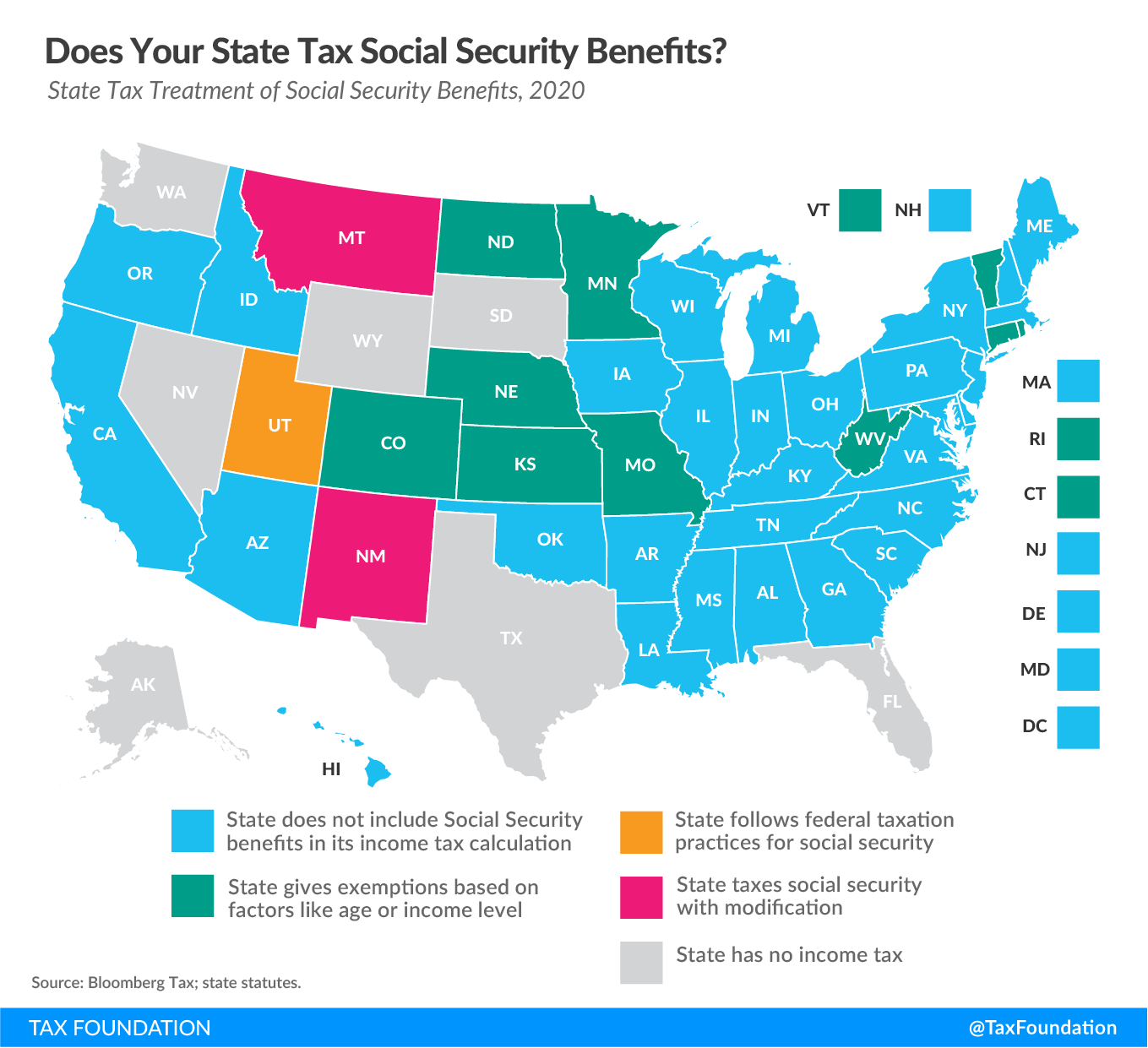
It is also worth noting that Colorado does not tax Social Security benefits. While not technically a pension, these benefits are a critical component of many retirees’ income, and their exemption further enhances the state’s attractiveness as a retirement destination.
Planning Your Retirement in Colorado
The favorable tax treatment of pensions in Colorado can significantly impact retirement planning. By understanding these policies, individuals can make more informed decisions about where to retire and how to structure their finances.
Financial Projections and Budgeting
When projecting retirement income and expenses, retirees should factor in the absence of state income tax on their pension income. This can lead to a more accurate assessment of disposable income, allowing for a more comfortable lifestyle or the ability to allocate more funds towards travel, hobbies, or other pursuits. For example, a retiree who might have anticipated owing several thousand dollars in state income tax on their pension in another state might find that same amount available for discretionary spending in Colorado.
The Impact on Investment Decisions
While pensions are tax-exempt, other retirement assets are not. This distinction can influence investment strategies. Retirees might consider a diversified approach that balances tax-advantaged accounts with taxable accounts, taking into account Colorado’s tax policies. For instance, maximizing tax-deferred growth in accounts like traditional IRAs and 401(k)s remains beneficial, as the eventual taxation will be at the state level. However, understanding the tax implications of withdrawals can help in timing and strategizing these distributions.
Consulting with Financial Advisors
Given the complexities that can arise, particularly with varied income sources or unique circumstances, consulting with a qualified financial advisor or tax professional is highly recommended. They can provide personalized guidance based on an individual’s specific financial situation, ensuring compliance with Colorado tax laws and helping to optimize retirement planning. Advisors can also assist in understanding how federal tax laws interact with state tax policies.
Beyond Taxes: The Broader Appeal of Colorado for Retirees
While tax policies are a significant consideration, Colorado’s appeal extends far beyond its tax structure. The state offers a compelling lifestyle that attracts retirees seeking an active and fulfilling retirement.
Natural Beauty and Outdoor Recreation
From the majestic peaks of the Rocky Mountains to the scenic plains, Colorado boasts unparalleled natural beauty. For active retirees, the opportunities for outdoor recreation are endless. Hiking, fishing, skiing, and golfing are popular pastimes, with numerous national parks, state parks, and recreational areas providing access to these activities. Destinations like Aspen, Vail, and Boulder are renowned for their natural attractions and outdoor lifestyle, offering a vibrant community for those who enjoy the great outdoors.
Cultural Enrichment and Urban Amenities
Beyond its natural splendor, Colorado offers a rich tapestry of cultural experiences. Cities like Denver, the state capital, provide world-class museums, art galleries, theaters, and a diverse culinary scene. Retirees can enjoy a bustling urban environment with numerous dining options, shopping, and entertainment, alongside access to top-tier healthcare facilities. The state also hosts various festivals and events throughout the year, ensuring there’s always something to engage with.
A Welcoming Community for Seniors
Colorado is increasingly recognized as a state that values its senior population. Many communities offer programs and services tailored to the needs and interests of retirees, fostering a sense of belonging and support. The combination of favorable tax policies, a high quality of life, and a welcoming atmosphere makes Colorado a strong contender for individuals planning their retirement. Whether one envisions a serene mountain retreat or a lively city experience, the Centennial State offers a diverse range of options to suit various preferences and lifestyles.
LifeOutOfTheBox is a participant in the Amazon Services LLC Associates Program, an affiliate advertising program designed to provide a means for sites to earn advertising fees by advertising and linking to Amazon.com. Amazon, the Amazon logo, AmazonSupply, and the AmazonSupply logo are trademarks of Amazon.com, Inc. or its affiliates. As an Amazon Associate we earn affiliate commissions from qualifying purchases.