
California, a state synonymous with diverse landscapes, cultural vibrancy, and economic opportunity, presents a unique financial landscape for service professionals. For waiters and waitresses, understanding earning potential is crucial for navigating the state’s famously high cost of living and realizing the coveted California lifestyle. This exploration delves into the various components of a waiter’s income in the Golden State, offering insights into wages, tipping culture, regional disparities, and the broader economic context that shapes their financial well-being.
The Economic Fabric for Service Professionals in California
California’s expansive economy is heavily influenced by its robust tourism sector, which fuels a thriving hospitality industry. From the bustling metropolitan areas of Los Angeles and San Francisco to the scenic wine regions of Napa Valley and the coastal charm of San Diego, restaurants, cafes, and bars are integral to the local culture and visitor experience. This high demand for dining experiences directly translates into a significant job market for waiters, whose earnings are a critical component of their ability to sustain a lifestyle in this dynamic state. The sheer volume of dining establishments, ranging from Michelin-starred fine dining to casual eateries, creates a diverse earning spectrum. Service professionals are not just cogs in the tourism machine; they are essential contributors to the state’s economic vitality, with their income directly impacting local economies.
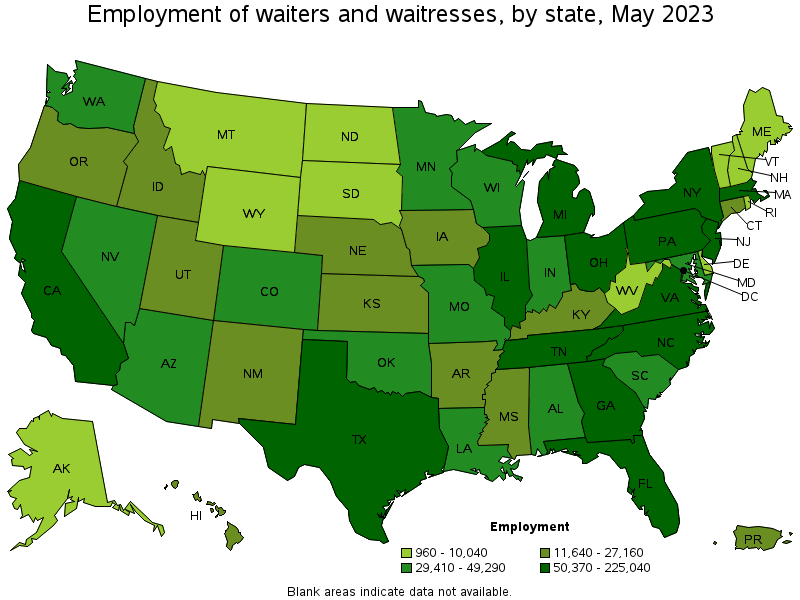
Deconstructing a Waiter’s Income: Wages, Tips, and Total Compensation
A waiter’s income in California is typically a combination of a base hourly wage and gratuities (tips). Unlike many other states that allow for a lower, “tipped” minimum wage, California law mandates that employees who receive tips must still be paid the full state minimum wage before tips. This distinction significantly impacts a waiter’s financial baseline.
State and Local Minimum Wage Regulations
As of 2024, California’s statewide minimum wage is among the highest in the nation. However, many cities and counties within California have adopted their own, even higher, minimum wage ordinances. For instance, cities like San Francisco, Berkeley, Oakland, and Santa Monica boast minimum wages significantly above the state minimum. This means a waiter working in San Francisco starts with a much higher hourly base salary compared to their counterpart in a less affluent or smaller city. This base wage provides a crucial safety net, ensuring that even on slower shifts or during off-peak seasons, a waiter still earns a respectable hourly income.
The Power of Tips
While the base wage is a foundation, tips form the most variable and often largest component of a waiter’s total earnings. Tipping culture in California generally follows the national standard, with 15-20% of the total bill being the expected gratuity for good service. However, several factors can influence the amount of tips received:
- Type of Establishment: Fine dining restaurants, often found in upscale areas like Beverly Hills or Palo Alto, typically have higher menu prices, leading to larger tip percentages in absolute dollar terms. Casual dining, while having lower average tips per table, might compensate with higher table turnover.
- Location: Restaurants in popular tourist destinations or bustling business districts (e.g., Downtown Los Angeles, San Francisco’s Financial District) often see a higher volume of customers, increasing tipping opportunities.
- Service Quality: Exceptional service consistently leads to better tips, a direct reward for attentiveness, efficiency, and personality.
- Shift Type: Dinner shifts generally yield higher tips than lunch shifts due to larger meal prices and a more relaxed dining atmosphere. Brunch, especially in popular weekend spots, can also be highly lucrative.
- Restaurant Policies: Tip pooling or sharing arrangements, common in many establishments, can distribute tips among the front-of-house staff (and sometimes back-of-house), affecting an individual waiter’s take-home amount.
When combining the hourly wage and tips, a waiter’s gross annual income in California can range widely, from approximately $35,000 to over $70,000 annually, depending heavily on the factors listed above. Some high-volume or luxury establishments can see their top-performing waiters exceed this range significantly.
Regional Variations: Earning Potential Across California’s Diverse Cities
California’s vastness means that a waiter’s earning potential and the cost of living vary dramatically from one region to another. This geographical disparity is a crucial element in understanding the lifestyle a waiter can afford.

High-Cost Urban Centers
In the San Francisco Bay Area (including San Francisco, San Jose, and Oakland) and Los Angeles County, waiters often command the highest hourly wages and, due to higher menu prices in generally more affluent areas, tend to receive larger tips. However, these gains are often offset by exorbitant living costs, particularly housing. A waiter earning $60,000 annually in San Francisco may find their disposable income significantly constrained by rent that can easily exceed $2,000-$3,000 for a modest apartment.
Southern California Hubs
Cities like San Diego and portions of Orange County also offer strong earning potential due to robust tourism and a vibrant dining scene. While the cost of living remains high, it can be slightly less extreme than in the Bay Area, allowing for a potentially better balance between income and expenses for some.
Inland Empire and Central Valley
In regions like the Inland Empire (e.g., Riverside, San Bernardino) or the Central Valley (e.g., Sacramento, Fresno), the average minimum wage might be lower, and tip volumes could be less consistent than in major coastal cities. However, the significantly lower cost of living, especially for housing, can mean that a moderate income stretches further, potentially enabling a more comfortable lifestyle despite lower gross earnings. This balance highlights a key lifestyle decision for waiters: prioritize higher gross income in expensive areas, or greater purchasing power in more affordable regions.
The Cost of Living: Balancing Income with Expenses in the Golden State
The discussion of a waiter’s income in California is incomplete without addressing the state’s notorious cost of living. Housing is by far the most significant expense, with average rents for a one-bedroom apartment often exceeding the national average by a substantial margin.
For a waiter, sustaining a comfortable lifestyle often involves strategic financial planning:
- Housing Solutions: Many waiters in high-cost areas opt for shared living arrangements, rent-controlled apartments, or commute from more affordable outlying communities. The dream of independent living in a prime urban location can be challenging on a waiter’s salary alone.
- Transportation: California is a car-centric state, and vehicle ownership (gas, insurance, maintenance) adds another layer of expense. Public transport options are excellent in cities like San Francisco and are improving in Los Angeles, but are less robust in many other areas.
- Food and Necessities: While working in restaurants can sometimes provide staff meals or discounts, the cost of groceries and other daily necessities in California is generally higher than the national average.
- Healthcare: Access to affordable healthcare is a significant concern for many service industry workers, particularly those working part-time or in smaller establishments that may not offer comprehensive benefits.
A waiter’s ability to thrive in California often hinges on their financial discipline, ability to maximize their earning potential through excellent service, and strategic choices regarding where they live and work.
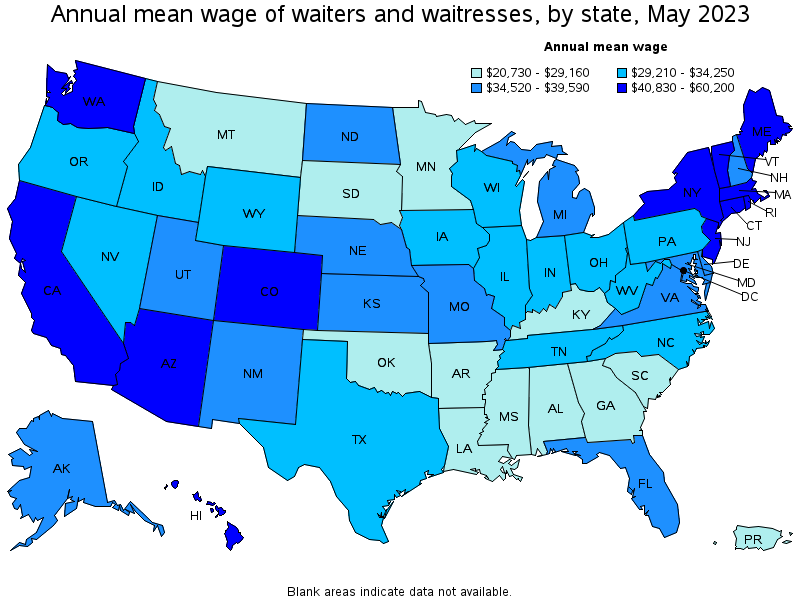
Career Trajectories and Lifestyle Implications for Waiters
For many, waiting tables in California is a stepping stone or a flexible job to support other pursuits, such as acting in Hollywood, pursuing education, or saving for entrepreneurial ventures. However, for others, it is a respected profession offering a viable long-term career path, especially in high-end establishments.
Opportunities for advancement exist, with experienced waiters potentially moving into roles as head waiters, sommeliers, bartenders (which often command higher tips), or even management positions. These career progressions can significantly enhance earning potential and provide a more stable, professional lifestyle.
The lifestyle of a waiter in California is characterized by a unique blend of flexibility and demanding work. Irregular hours, late nights, and weekend shifts are standard, but they also offer the freedom to pursue other interests during off-peak hours. While the financial challenges are real, especially in the state’s most expensive locales, a driven and skilled waiter can carve out a comfortable existence, enjoy the rich cultural tapestry of California, and contribute meaningfully to its vibrant hospitality industry. The allure of the Golden State, combined with a robust minimum wage and the potential for substantial tips, ensures that the profession remains a significant avenue for many seeking a life in this iconic American destination.
LifeOutOfTheBox is a participant in the Amazon Services LLC Associates Program, an affiliate advertising program designed to provide a means for sites to earn advertising fees by advertising and linking to Amazon.com. Amazon, the Amazon logo, AmazonSupply, and the AmazonSupply logo are trademarks of Amazon.com, Inc. or its affiliates. As an Amazon Associate we earn affiliate commissions from qualifying purchases.