
Texas, a state renowned for its vast landscapes, rich history, and vibrant culture, also holds a unique position in the evolving landscape of sports betting. For many enthusiasts, the question of whether DraftKings operates within the Lone Star State is a crucial one, impacting their ability to engage with their favorite sports through fantasy leagues and, potentially, fixed-odds wagering. The answer, however, is nuanced, reflecting the intricate legal framework surrounding gambling in Texas.
Understanding the Legal Landscape of Sports Betting in Texas
Texas has historically maintained a conservative stance on gambling. Unlike many other states that have rapidly embraced legalized sports betting following the Supreme Court’s decision to overturn the Professional and Amateur Sports Protection Act (PASPA) in 2018, Texas has been slower to adopt widespread changes. This deliberate pace is influenced by a combination of factors, including deeply entrenched cultural views on gambling and the complex legislative processes required to amend existing laws.
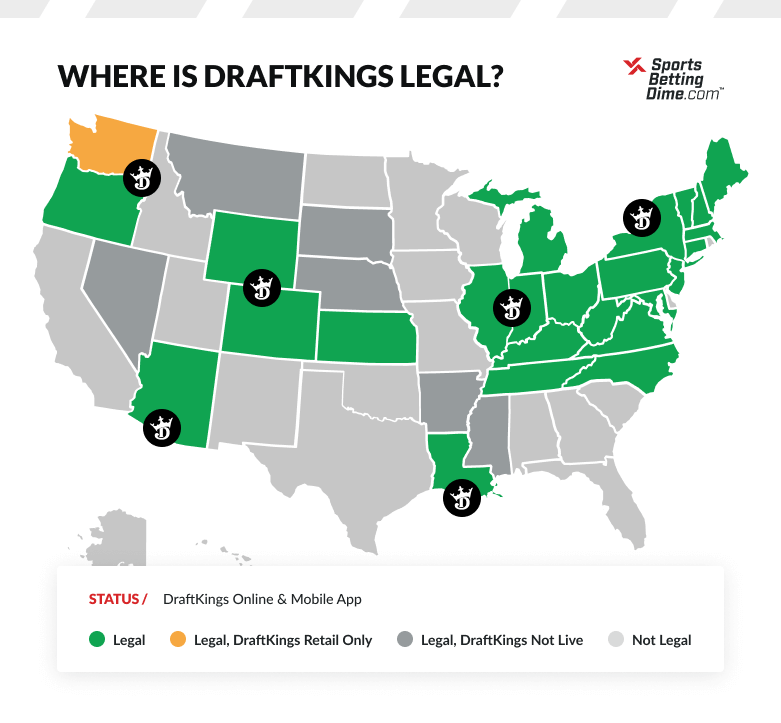
The Texas Constitution generally prohibits most forms of gambling, with exceptions carved out for specific activities like pari-mutuel horse racing and the state lottery. For any expansion of legalized gambling, including sports betting, significant legislative action and, potentially, voter approval would be necessary. This has led to a legislative stalemate on multiple occasions when proposals for sports betting legalization have been introduced.
Daily Fantasy Sports: A Unique Exception
While fixed-odds sports betting has yet to gain widespread legal footing in Texas, the state has taken a different approach to Daily Fantasy Sports (DFS). For years, major DFS operators, including DraftKings and FanDuel, have been offering their platforms to Texans. This has been possible due to a legal interpretation that DFS contests, which involve skill in selecting teams based on player statistics, do not constitute illegal gambling under Texas law.
The Texas Attorney General has previously issued opinions regarding DFS, and while the exact legal status has been a subject of debate, the practical reality is that these platforms have continued to operate, and Texans have been able to participate. This distinction is critical: participation in DFS on platforms like DraftKings is generally permissible for residents of Texas, even as traditional sports betting remains largely off-limits.
The Road to Legalized Sports Betting
The narrative surrounding legalized sports betting in Texas is one of ongoing discussion and persistent legislative efforts. Numerous bills have been introduced in recent legislative sessions aiming to permit sports wagering, often focusing on allowing it at professional sports venues and through online platforms. These proposals typically involve detailed frameworks for licensing, regulation, and revenue sharing, with proponents arguing for the potential economic benefits and the opportunity to capture revenue currently lost to offshore or unregulated markets.
However, these legislative attempts have faced significant hurdles. The political climate in Texas, while shifting on some social issues, still presents challenges for expanding gambling. Opposition often comes from various groups concerned about the potential social impacts of increased gambling access, as well as from existing gaming interests that may be wary of new competition.
Despite these challenges, the landscape is not static. Advocates for legalized sports betting continue to lobby lawmakers, and public opinion may be gradually shifting as more neighboring states embrace the practice. It is plausible that future legislative sessions will see renewed debate and potentially successful passage of bills that could pave the way for fixed-odds sports betting in Texas. Until then, the current legal situation dictates the parameters of what is permissible.
DraftKings’ Presence and Offerings in Texas
Given the current legal framework, DraftKings’ presence in Texas is primarily characterized by its successful operation of its Daily Fantasy Sports platform. This allows Texas residents to engage with a wide array of sports, from NFL and NBA to MLB and NHL, as well as soccer and motorsports.
Daily Fantasy Sports Experience
The DraftKings DFS experience in Texas mirrors that available in states where DFS is legal. Users can select rosters of athletes within defined salary caps and compete in various contest formats, including head-to-head matchups, large-field tournaments, and guaranteed prize pools. The outcome of these contests is determined by the real-world performance of the selected athletes. This emphasis on skill-based competition is what has allowed DraftKings to operate legally in Texas, distinguishing it from traditional forms of sports betting.
The platform offers a comprehensive suite of tools and data to assist users in making their selections. Users can access player statistics, injury reports, matchup analysis, and expert insights. This depth of information contributes to the skill-based nature of DFS, providing a sophisticated gaming experience for participants.
Potential Future Offerings
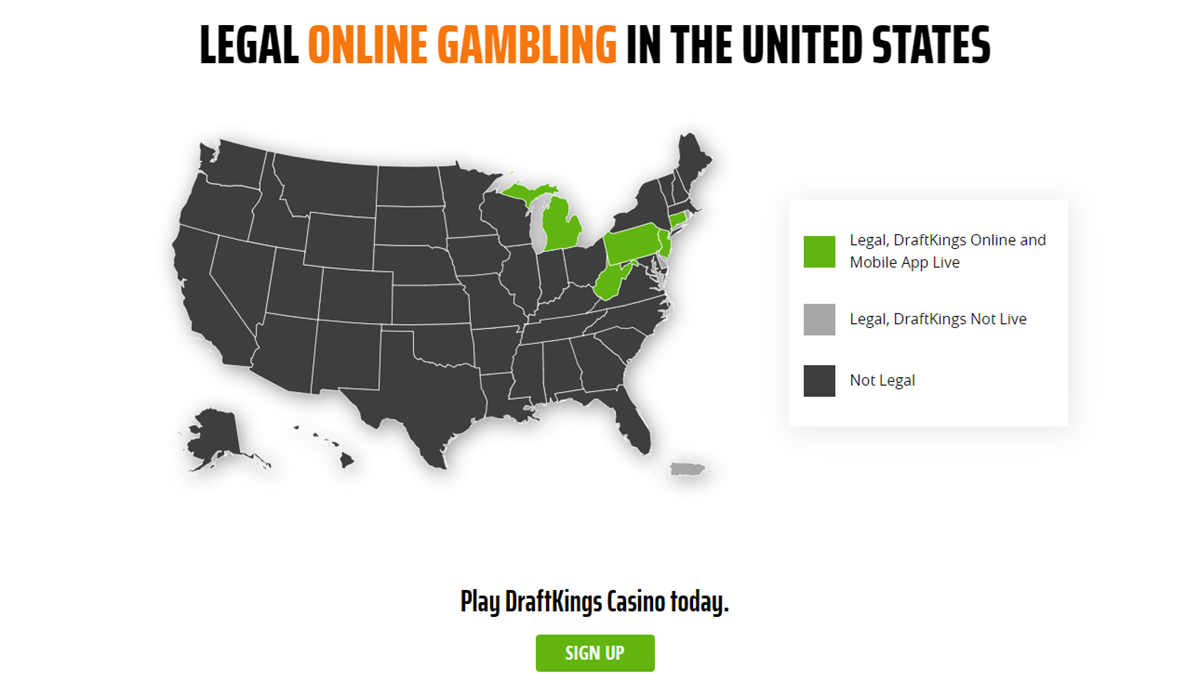
While fixed-odds sports betting is not currently available through DraftKings in Texas, the company, like other major players in the industry, is undoubtedly monitoring the legislative developments closely. Should Texas move towards legalizing sports wagering, DraftKings would likely be among the first operators to seek licensing and launch its full suite of betting products in the state.
The transition to legalized sports betting would likely involve significant infrastructure and regulatory requirements. This could include partnerships with professional sports teams or venues in Texas, as well as the implementation of robust age verification, responsible gaming measures, and secure transaction systems. The economic impact of such a move could be substantial, generating tax revenue for the state and creating new business opportunities.
How Texans Can Access DraftKings DFS
For Texas residents interested in participating in Daily Fantasy Sports on DraftKings, the process is straightforward. Prospective users need to:
- Visit the DraftKings Website or Download the App: DraftKings offers both a web-based platform and dedicated mobile applications for iOS and Android devices.
- Create an Account: New users will need to provide basic personal information, including their name, address, date of birth, and email address. As Texas residents are participating in a skill-based game that is permitted, the registration process focuses on age and identity verification to ensure compliance with platform policies.
- Deposit Funds: Once registered, users can fund their accounts using various secure payment methods, such as credit/debit cards, PayPal, or bank transfers.
- Choose a Contest and Build a Roster: Users can then browse available contests across different sports, select their desired contest, and draft their fantasy teams within the given budget constraints.
- Enter Contests and Track Results: After submitting their rosters, participants can follow the live action of their chosen games and monitor their progress in the contests. Payouts are typically processed quickly for winning entries.
It is important for Texas residents to remain aware of the specific regulations and terms of service applicable to their participation in DFS. While the activity is generally permitted, understanding the rules and guidelines set forth by DraftKings and any state-specific advisories is always recommended.
Comparing Texas’s Approach to Other States
The approach taken by Texas towards sports betting and DFS offers a compelling case study in how different jurisdictions grapple with the evolving gambling landscape. While states like New Jersey, Pennsylvania, and New York have embraced legalized sports betting, with robust markets and significant revenue generation, Texas has charted a more cautious path.
States with Legalized Sports Betting
In states where sports betting is legal, residents can walk into licensed retail sportsbooks or use mobile apps to place wagers on a wide variety of sporting events. These markets are heavily regulated, with licenses often granted to casinos, professional sports teams, or tribal entities. The revenue generated from sports betting is typically subject to state taxes, with funds often earmarked for education, infrastructure, or problem gambling initiatives.
These states provide a stark contrast to Texas, where the absence of legalized fixed-odds sports betting means residents often seek offshore or less regulated options, or simply engage in DFS as their primary form of sports-related gaming. The economic argument for legalization in Texas often centers on redirecting this existing spending into a regulated, taxable market.
The Daily Fantasy Sports Advantage in Texas
The unique situation in Texas, where DFS is permissible but traditional sports betting is not, highlights a potential strategy for states to permit some forms of sports-related gaming while maintaining more conservative gambling policies. For DraftKings and its competitors, this has meant establishing a significant user base in Texas through their DFS offerings. This established presence could provide a competitive advantage should sports betting eventually be legalized.
The continued operation of DFS in Texas demonstrates a legislative and judicial willingness to differentiate between skill-based games and traditional chance-based gambling. This distinction is crucial for understanding the current legality of DraftKings’ operations within the state.

The Future Outlook
The ongoing debate in Texas over sports betting suggests that the status quo may not be permanent. As more states legalize and refine their sports betting markets, the pressure on Texas to reconsider its stance could increase. Factors such as potential economic benefits, the desire to regulate existing offshore betting activity, and shifts in public and political sentiment could all contribute to future changes.
For residents of Texas interested in sports betting, the current situation necessitates understanding the boundaries of what is legally permissible. For now, engaging with DraftKings means participating in its Daily Fantasy Sports offerings. The future, however, holds the possibility of broader access, dependent on legislative action and the evolving legal landscape of gambling in the Lone Star State. The journey of sports betting legalization across the United States is a dynamic one, and Texas remains a key state to watch for future developments.
LifeOutOfTheBox is a participant in the Amazon Services LLC Associates Program, an affiliate advertising program designed to provide a means for sites to earn advertising fees by advertising and linking to Amazon.com. Amazon, the Amazon logo, AmazonSupply, and the AmazonSupply logo are trademarks of Amazon.com, Inc. or its affiliates. As an Amazon Associate we earn affiliate commissions from qualifying purchases.