
Arizona’s Tax Landscape: A Lifestyle Consideration
For many individuals contemplating a significant lifestyle change—whether it’s relocating for remote work, seeking a vibrant retirement destination, or planning an extended stay as a digital nomad—understanding the local tax environment is paramount. Arizona, often celebrated for its breathtaking desert landscapes, sunny weather, and burgeoning cities like Phoenix and Tucson, presents an attractive proposition. However, the financial implications of establishing or maintaining residency here, particularly concerning state income tax, play a crucial role in these lifestyle decisions.
The Grand Canyon State has recently undergone significant tax reform, shifting its approach to income taxation. This change has made Arizona increasingly appealing from a fiscal perspective, especially for those who value predictability and lower tax burdens. For a lifestyle rooted in financial prudence or one that necessitates careful budgeting, knowing precisely how much of your income will be subject to state tax can be the deciding factor between Arizona and other popular destinations. This section will delve into how Arizona’s tax structure directly impacts various lifestyle choices, from where to establish a family home to optimizing income streams for a carefree retirement.
Understanding Arizona’s Flat Tax Rate
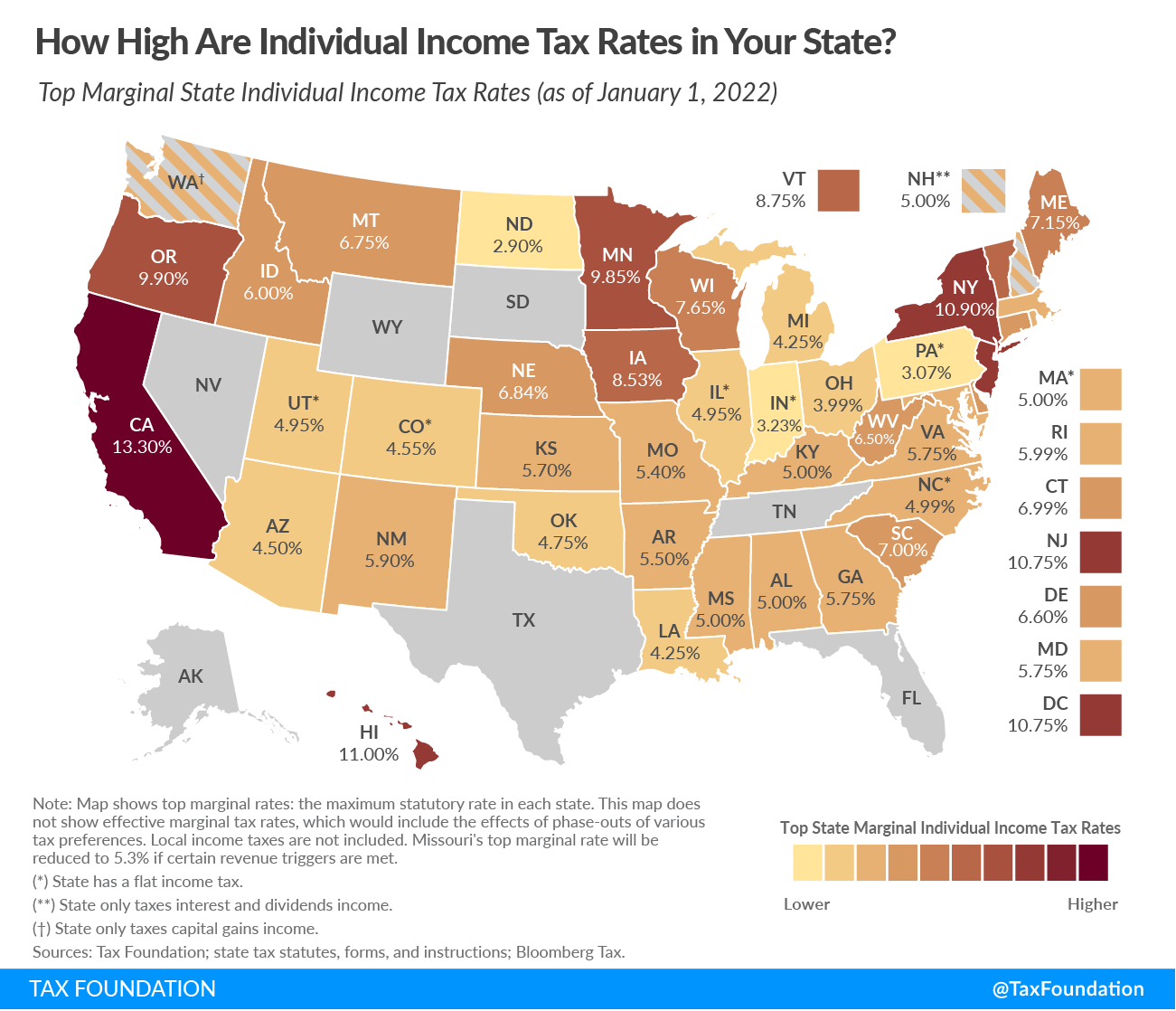
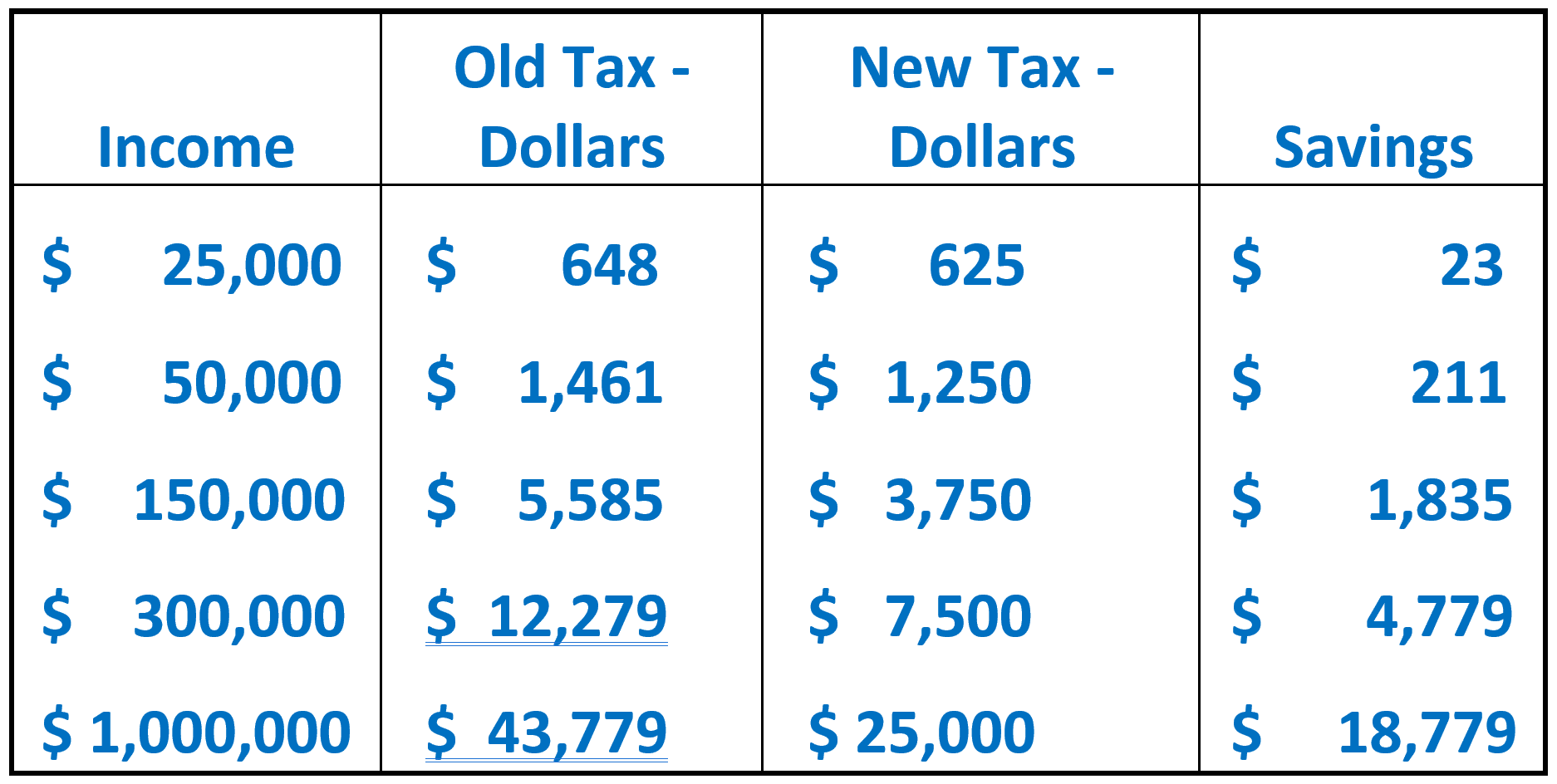
Historically, Arizona operated with a progressive income tax system, meaning different income brackets were taxed at varying rates. However, recent legislative changes have transformed Arizona into a flat tax state. As of the 2023 tax year, Arizona implements a single, flat income tax rate of 2.5% on taxable income. This significant shift aims to simplify the tax code and enhance the state’s attractiveness for businesses and individuals alike.
A flat tax rate offers several advantages from a lifestyle planning perspective. It provides a straightforward calculation, eliminating the complexities associated with marginal tax rates and income thresholds found in progressive systems. This predictability is particularly beneficial for remote workers, entrepreneurs, and retirees whose income sources might vary or span different states. For someone considering moving to Arizona from a state with a much higher or more complex progressive tax structure, the 2.5% flat rate can represent substantial savings and greater financial clarity. This simplicity can free up time and resources, allowing individuals to focus more on enjoying the Arizona lifestyle rather than navigating intricate tax codes.
Who Pays Arizona Income Tax?
Understanding who is subject to Arizona income tax is essential for anyone considering a move or extended stay. Generally, the state levies income tax on:
- Full-Year Residents: If you live in Arizona for the entire tax year, regardless of where your income is earned, your total taxable income is subject to Arizona income tax. This applies to most individuals establishing their primary residence in the state.
- Part-Year Residents: If you move into or out of Arizona during the tax year, you are considered a part-year resident. You will typically pay Arizona income tax on all income received while an Arizona resident, and on income derived from Arizona sources while a non-resident. This is a common scenario for digital nomads or those exploring the state before making a full commitment.
- Non-Residents with Arizona-Source Income: Even if you are not an Arizona resident, if you earn income from sources within the state (e.g., rental property income, wages from work performed in Arizona), that income is generally subject to Arizona income tax. This is crucial for investors or remote workers who might own property or perform occasional work within the state.
The Arizona Department of Revenue (ADOR) provides detailed guidelines on residency, which can be complex. Consulting their resources or a tax professional is always advisable for specific situations, particularly when dual residency or multi-state income is involved.
Key Deductions and Credits
While Arizona now boasts a flat tax rate, it’s important to remember that this rate applies to your taxable income, not necessarily your gross income. Arizona still offers various deductions and credits that can significantly reduce your tax liability and, consequently, impact your disposable income for lifestyle pursuits. Understanding these can be a key part of financial planning for residents:
- Standard Deduction: Like the federal system, Arizona offers a standard deduction, which is a fixed amount taxpayers can subtract from their adjusted gross income (AGI) if they don’t itemize. This simplifies tax filing for many and ensures a baseline reduction in taxable income.
- Personal and Dependent Exemptions: While federal tax law eliminated personal exemptions, Arizona maintains them, providing further reductions for taxpayers and their dependents. This can be particularly beneficial for families planning to settle in cities like Mesa or Chandler.
- Specific Tax Credits: Arizona offers a range of tax credits designed to incentivize certain behaviors or alleviate burdens. These can include:
- Education Credits: For contributions to public and private schools, benefiting families with children in the Arizona education system.
- Charitable Organization Credits: For donations to qualifying charities, encouraging philanthropy.
- Property Tax Credits: For certain low-income residents or those with disabilities, easing the burden of homeownership.
- Dependent Care Credits: For expenses related to childcare, supporting working families.
Leveraging these deductions and credits can effectively lower your taxable income, making the 2.5% flat rate even more advantageous for your overall lifestyle budget. Staying informed about these provisions is crucial for maximizing your financial well-being in Arizona.
Beyond Income Tax: Other Financial Considerations for Arizona Living
While state income tax is a primary concern, a holistic view of Arizona’s tax environment requires considering other levies that impact daily life and long-term financial planning. These taxes contribute to the overall cost of living and can influence lifestyle decisions from housing to leisure spending.
Property Taxes: Impact on Homeowners and Renters
Property taxes in Arizona are generally considered moderate compared to many other U.S. states. They are levied at the county, city, and school district levels, meaning rates can vary significantly depending on your specific location within the state. For instance, property taxes in high-demand areas like Scottsdale might differ from those in more rural communities. For homeowners, property taxes are a recurring expense that factors directly into monthly housing costs and overall budget. For renters, these taxes are indirectly factored into rental prices by landlords. Understanding average property tax rates in areas like Glendale, Tempe, or Gilbert is crucial when evaluating housing affordability and selecting a neighborhood that aligns with your financial lifestyle.
Sales Tax: Everyday Spending and Budgeting for Travelers/Residents
Arizona has a state sales tax rate, to which local sales taxes are often added. The combined sales tax rate can vary widely across cities and counties, sometimes reaching higher single-digit percentages. This tax applies to most tangible goods and certain services purchased within the state. For visitors, this means that the price tagged on souvenirs, restaurant meals, or retail purchases in popular tourist destinations like Sedona or Flagstaff will have an additional sales tax added at the register. For residents, sales tax is an everyday expense that factors into the cost of living and budgeting for everything from groceries to household goods. While food for home consumption is exempt from the state’s sales tax, it’s essential to factor in this consumption tax when planning your lifestyle budget in Arizona.
Retirement Income: Benefits for Retirees
Arizona is a popular destination for retirees, and its tax policies often reflect this. The state offers favorable tax treatment for various forms of retirement income, which is a significant lifestyle benefit for seniors. Notably:
- Social Security Benefits: Social Security benefits are exempt from Arizona state income tax. This is a major draw for retirees, as it means a substantial portion of their fixed income remains untaxed at the state level.
- Pensions and U.S. Military Retirement Pay: While some private pension income may be subject to tax, Arizona allows for deductions on certain types of retirement income, including some government pensions and military retirement pay. These exemptions and deductions can significantly reduce the tax burden on retirees, making their retirement savings go further and supporting a more comfortable lifestyle.
These provisions make Arizona a financially attractive choice for those planning their golden years, allowing them to stretch their retirement income further than in many other states.
Strategic Lifestyle Planning with Arizona Taxes in Mind
Understanding Arizona’s tax structure isn’t just about compliance; it’s about strategic planning to enhance your lifestyle and financial well-being. The state’s tax policies can significantly influence major life decisions, from choosing a place to call home to structuring your professional endeavors.
Remote Work and Digital Nomadism: Tax Implications of Establishing Residency
For the growing population of remote workers and digital nomads, the question of tax residency is critical. Arizona’s low, flat income tax rate makes it an appealing option for establishing tax residency. If your work allows you to live anywhere, choosing a state with a favorable tax climate can directly impact your take-home pay. Establishing residency in Arizona could mean a lower overall tax burden compared to states with higher income taxes, leaving more funds for travel, experiences, or saving. However, determining residency involves more than just physical presence; factors like voter registration, driver’s licenses, and where your “center of vital interests” lies all play a role. Carefully planning your move to establish bona fide Arizona residency can unlock significant tax advantages for a mobile, work-from-anywhere lifestyle.
Retirement Destinations: Why Arizona Appeals to Retirees from a Tax Perspective
Arizona consistently ranks high among retirement destinations, and its tax structure is a key contributor to this appeal. The combination of no state tax on Social Security benefits and favorable treatment for other retirement income, coupled with relatively moderate property taxes, creates a financially friendly environment for seniors. This allows retirees to enjoy their fixed incomes with greater confidence, stretching their savings further for leisure, healthcare, or supporting family. The low income tax rate also benefits those who continue to work part-time in retirement or have investment income, ensuring that their efforts contribute more substantially to their lifestyle rather than being heavily taxed.

Business and Investment: How the Tax Environment Supports Entrepreneurial Lifestyles
For entrepreneurs, investors, and small business owners, Arizona’s flat income tax rate offers a predictable and competitive environment. The simpler tax code can reduce administrative burdens and provide clearer financial projections for business ventures. For individuals engaged in investment activities, the flat rate applies to investment income (unless specifically exempt), offering a consistent tax expectation. This can foster an entrepreneurial lifestyle by making Arizona an attractive place to launch and grow businesses, keeping more capital within the state for reinvestment or personal use. The predictable tax landscape supports long-term financial planning for those whose livelihoods depend on dynamic income streams and smart investment strategies.
LifeOutOfTheBox is a participant in the Amazon Services LLC Associates Program, an affiliate advertising program designed to provide a means for sites to earn advertising fees by advertising and linking to Amazon.com. Amazon, the Amazon logo, AmazonSupply, and the AmazonSupply logo are trademarks of Amazon.com, Inc. or its affiliates. As an Amazon Associate we earn affiliate commissions from qualifying purchases.