
Florida, often synonymous with sun-drenched beaches and year-round warmth, does indeed experience cooler periods. While the notion of a “cold” Florida winter might seem counterintuitive to many, especially those envisioning snow-capped landscapes, the Sunshine State undergoes seasonal shifts that impact its climate. Understanding these variations is crucial for travelers planning a visit, residents preparing for different weather patterns, and anyone curious about the diverse climatic tapestry of this popular destination. The intensity and duration of these cooler spells are largely dictated by geography, with the northern parts of the state experiencing more significant dips in temperature than the southern reaches.

Understanding Florida’s Winter Climate
Florida’s winter is not a monolithic entity. It’s a spectrum, with the Panhandle and North Florida experiencing a climate that can feel distinctly “wintery” by Southern standards, while South Florida largely basks in mild, pleasant temperatures.
Panhandle and North Florida: A Tangible Chill
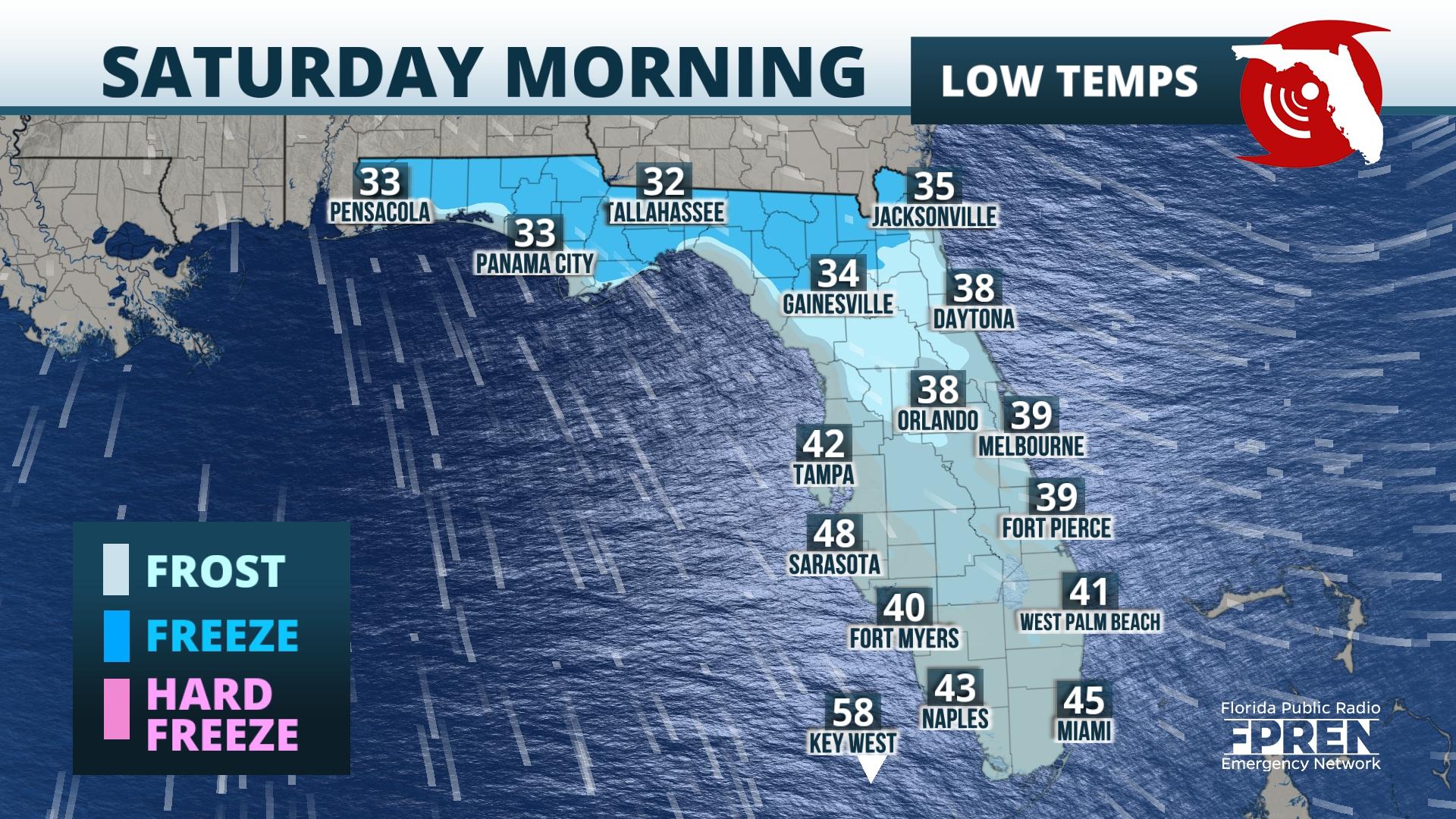
The northernmost regions of Florida, including cities like Pensacola and Tallahassee, are most susceptible to colder air masses originating from the continental United States. During winter months, typically from December through February, these areas can see average daytime temperatures in the 50s and 60s Fahrenheit, with nighttime lows frequently dipping into the 30s and occasionally the 20s. Frost is not uncommon, and while snow is a rare phenomenon, it has been recorded in these parts of the state. These colder conditions necessitate warmer clothing, such as jackets, sweaters, and long pants, much like in other Southern states.
Central Florida: A Mild Transition
Moving south into Central Florida, exemplified by cities like Orlando and Tampa, the winter climate becomes more of a gentle transition. Daytime temperatures usually hover in the 60s and 70s Fahrenheit, providing a comfortable respite from harsher northern winters. However, cold fronts can still sweep through, bringing days where temperatures might struggle to reach the 50s, and evenings can be quite crisp, requiring a light jacket. This is often considered the sweet spot for many visitors seeking a break from extreme heat and humidity, enjoying outdoor activities without discomfort.
South Florida: The Tropical Embrace
The southernmost tip of Florida, including areas around Miami, Fort Lauderdale, and the Florida Keys, experiences the most tropical of Florida’s winters. Here, daytime temperatures consistently remain in the comfortable 70s and 80s Fahrenheit. While cold fronts can influence these regions, they typically only bring a slight dip, with temperatures rarely falling below the 60s. Frost is virtually unheard of, and the air is often dry and pleasant. This is the period when South Florida truly lives up to its “Sunshine State” moniker, offering beach weather for much of the winter.
Factors Influencing Florida’s Cold Spells
Several meteorological factors contribute to the occurrence and intensity of cooler weather in Florida. Understanding these elements helps paint a clearer picture of the state’s climate variability.
Cold Fronts from the North
The most common driver of colder weather in Florida is the passage of cold fronts originating from continental North America. These fronts are essentially boundaries between colder, drier air masses and warmer, moister air masses. When a strong cold front pushes southward, it displaces the warm air and brings significantly cooler temperatures, lower humidity, and often clearer skies. The Panhandle and North Florida are directly in the path of these fronts, experiencing the most dramatic temperature drops. Central and South Florida feel the effects, but to a lesser degree, with the cold air gradually moderning as it travels further south.
The Role of the Gulf of Mexico and Atlantic Ocean
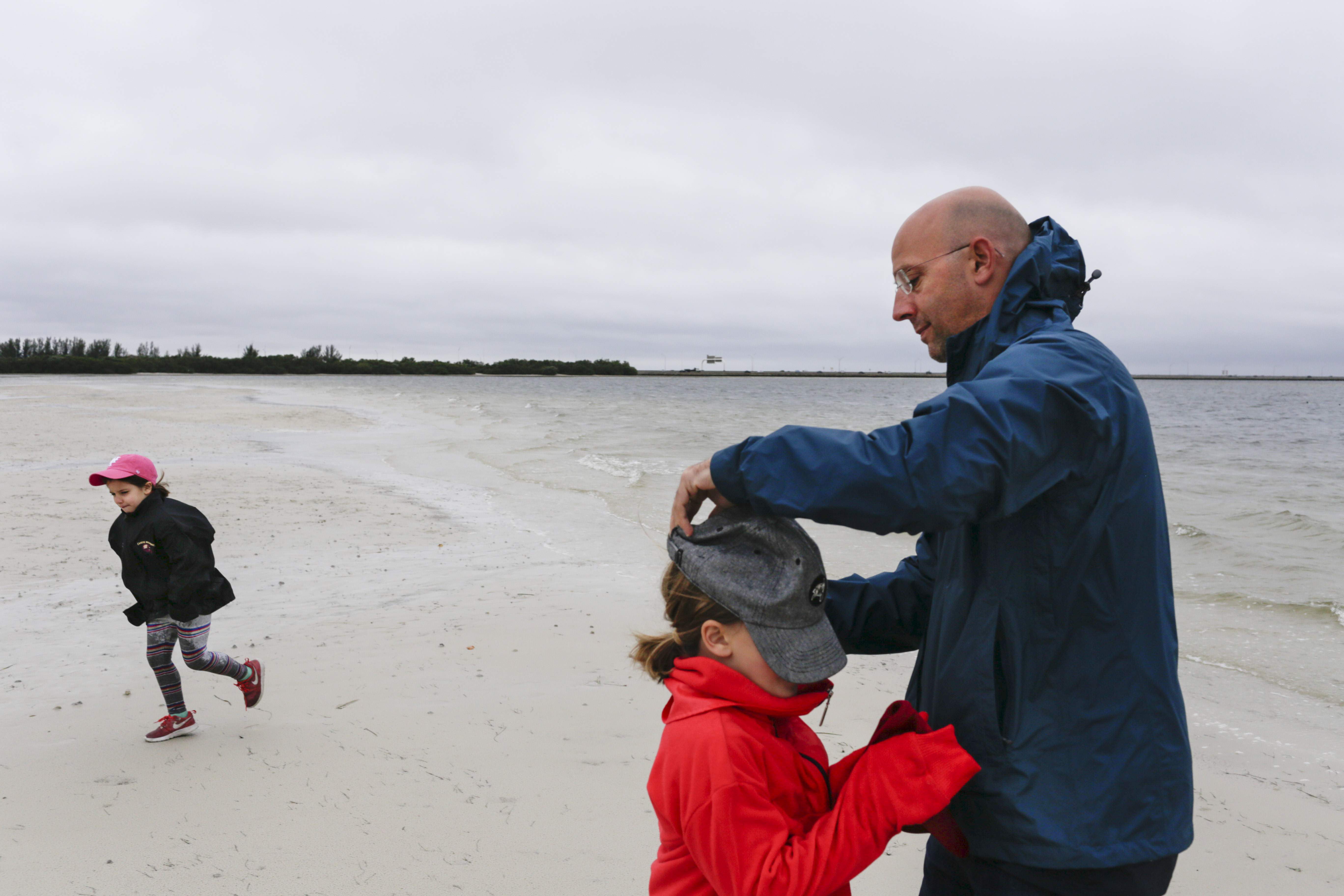
Florida’s peninsular geography, surrounded by the warm waters of the Gulf of Mexico to the west and the Atlantic Ocean to the east, acts as a significant moderating influence on its climate. These large bodies of water absorb heat slowly and release it slowly, preventing extreme temperature fluctuations. During winter, the ocean waters remain relatively warm, which helps to buffer the coastal areas from the coldest temperatures inland. This is why coastal cities in North Florida, while still experiencing cooler weather, might not get as cold as inland locations a short distance away. The Keys, being the most surrounded by warm ocean water, are the most insulated from cold.
Arctic Outbreaks and Polar Vortex Influence
While rare, severe cold snaps can occur when the polar vortex, a large area of low pressure and cold air surrounding the Earth’s North Pole, weakens or shifts. This can allow frigid Arctic air to surge southward into the United States, impacting Florida. These events are infrequent but can bring unseasonably cold temperatures across the entire state, sometimes leading to widespread frost and even brief periods of freezing temperatures as far south as the typical warm zones. Such occurrences are often the subject of intense media coverage due to their unusual nature for the region.
Experiencing Florida’s “Cold” Season: Travel and Activities
The cooler months in Florida, particularly from November through March, are a popular time for tourism, offering a different but equally enjoyable experience compared to the sweltering summer.
Ideal Weather for Outdoor Adventures
The mild temperatures in Central and South Florida during winter are perfect for a wide range of outdoor activities. This is the prime season for exploring theme parks like Walt Disney World and Universal Orlando Resort without the oppressive heat and humidity. It’s also an excellent time for visiting national parks such as Everglades National Park and Biscayne National Park, enjoying hiking, biking, and wildlife viewing in comfort. The beaches, while not always warm enough for prolonged sunbathing in the northern parts, offer pleasant strolls and are ideal for activities like kayaking and paddleboarding in the south.
Cultural Events and Festivals
The cooler, drier weather of Florida’s winter also coincides with a robust schedule of cultural events and festivals across the state. Cities host art festivals, music events, and historical reenactments. The Sarasota arts scene thrives, and the Art Deco Historic District in Miami Beach becomes a more comfortable place to explore. Residents and visitors alike can enjoy outdoor markets, sporting events, and the general vibrancy of communities without the intense heat.
What to Pack for a Cooler Florida Trip
Packing for Florida in winter depends heavily on where you plan to visit.
- North Florida & Panhandle: Expect temperatures similar to a mild autumn or early spring in many other parts of the country. Bring layers: long-sleeved shirts, sweaters, a medium-weight jacket, jeans, and comfortable walking shoes. Evenings can be quite cool, so a scarf and hat might be useful.
- Central Florida: Layers are still key. A light jacket or cardigan for evenings and cooler days is advisable. Days are often pleasant enough for t-shirts and shorts, but it’s wise to have pants or capris for cooler afternoons or evenings.
- South Florida & The Keys: Pack for warm weather. Think shorts, t-shirts, sundresses, swimwear, and sandals. Evenings are generally balmy, but a light wrap or long-sleeved shirt can be useful for air-conditioned interiors or a rare cooler evening breeze. Sunscreen and hats remain essential year-round.
Accommodation Considerations
While Florida experiences cooler temperatures, the demand for accommodation, especially in popular tourist destinations, remains high during the winter months. Resorts in areas like Orlando and beach hotels along the coast see significant bookings. Even with cooler weather, indoor amenities such as heated pools and well-appointed lounges become more appealing. Some hotels may offer special winter packages or discounts, particularly in areas that experience a noticeable drop in temperature, encouraging visitors to enjoy the slightly less crowded attractions. It’s advisable to book accommodations in advance, as this period is considered peak season for many Floridian cities.
Beyond the Cold: Florida’s Enduring Appeal
The question “Does Florida get cold?” is more nuanced than a simple yes or no. While it doesn’t experience freezing temperatures consistently or widespread snowfall like many northern states, Florida does have a distinct cooler season. This period offers a unique charm, characterized by pleasant weather in the south and a noticeable chill in the north. For travelers, this translates into an opportunity to experience the state’s diverse attractions with enhanced comfort, making Florida a viable and enjoyable destination throughout the year, regardless of the season. The “cold” in Florida is relative, a gentle whisper of winter rather than a biting frost for most of its expanse, allowing its natural beauty and vibrant culture to be appreciated in a different light.
LifeOutOfTheBox is a participant in the Amazon Services LLC Associates Program, an affiliate advertising program designed to provide a means for sites to earn advertising fees by advertising and linking to Amazon.com. Amazon, the Amazon logo, AmazonSupply, and the AmazonSupply logo are trademarks of Amazon.com, Inc. or its affiliates. As an Amazon Associate we earn affiliate commissions from qualifying purchases.