
Planning a trip between two of the United States’ most iconic metropolises, Chicago and New York City, often sparks a fundamental question for travelers: distance. While the road trip offers a scenic, albeit lengthy, adventure, flying remains the preferred method for its efficiency. Understanding the aerial distance is crucial for logistical planning, from booking flights and estimating travel time to anticipating jet lag and packing appropriately. This guide delves into the specifics of the flight path, offering insights into what travelers can expect when traversing the approximately 700 to 800 miles that separate these vibrant urban centers.
The Aerial Divide: Quantifying the Distance
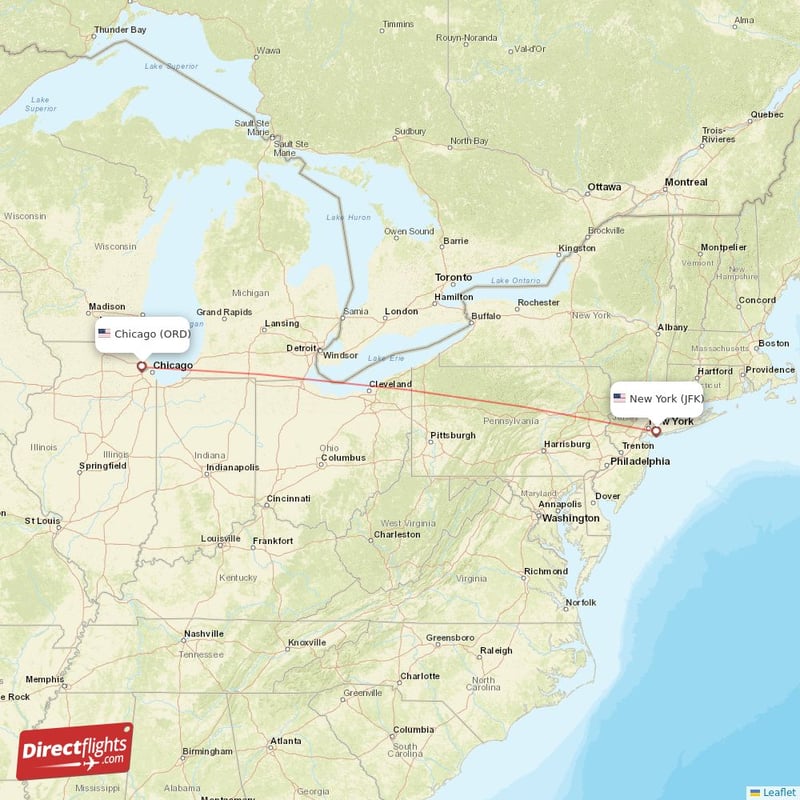
The direct, or “as the crow flies,” distance between Chicago and New York City is a key metric for understanding the flight. Geographically, these cities are situated in different regions of the country, with Chicago located in the Midwest and New York City on the East Coast. This separation necessitates a flight of a significant, yet manageable, duration.
Great Circle Distance
The most accurate representation of the shortest distance between two points on the surface of a sphere is the great-circle distance. For Chicago and New York City, this distance is approximately 710 to 720 miles (about 1140 to 1160 kilometers). This is the theoretical minimum distance, assuming a perfectly straight line path and ignoring the complexities of air traffic control, weather patterns, and the actual flight routes aircraft must follow.
Flight Path Distance
In reality, aircraft do not fly in a perfectly straight line. Air traffic control mandates specific routes, known as airways, to ensure safety and manage the flow of air traffic. These airways are not always direct and can involve detours to avoid restricted airspace, optimize fuel efficiency, or align with prevailing winds. Consequently, the actual flight path distance is often slightly longer than the great-circle distance.
On average, flights between Chicago and New York City cover a distance ranging from 760 to 800 miles (approximately 1225 to 1290 kilometers). This slight increase in distance is a standard consideration for airlines and is factored into flight times.
Flight Duration and Factors Affecting It
While the distance is a constant, the actual time spent in the air can vary. Several factors influence flight duration, making it essential to consult your airline for the most accurate estimates.
Typical Flight Times
For a direct flight between Chicago and New York City, the scheduled flight time typically falls between 1 hour and 45 minutes to 2 hours and 15 minutes. This duration accounts for the distance, cruising speed of the aircraft, and standard taxiing times at both airports.
Tailwinds and Headwinds
The most significant variable affecting flight time is the presence and strength of tailwinds and headwinds.
- Tailwinds are winds blowing in the same direction as the aircraft’s travel. They can significantly reduce flight time by increasing the ground speed of the plane. Flights traveling eastward from Chicago to New York City often benefit from prevailing westerly winds, which can shave minutes off the journey.
- Headwinds are winds blowing against the direction of travel, reducing the ground speed of the aircraft and thus increasing flight time. Flights traveling westward from New York City to Chicago are more likely to encounter headwinds.
Air Traffic Congestion
Both Chicago O’Hare International Airport (ORD) and New York John F. Kennedy International Airport (JFK), along with other major airports serving New York City such as LaGuardia Airport (LGA) and Newark Liberty International Airport (EWR), are among the busiest in the world. Delays due to air traffic congestion, both on the ground and in the air, can add to the overall travel time. This is particularly common during peak travel seasons or adverse weather conditions.
Aircraft Type and Speed
While most commercial flights between these two cities utilize similar types of aircraft with comparable cruising speeds, minor variations can exist. Modern jet airliners typically cruise at speeds between Mach 0.78 and Mach 0.85 (approximately 530-580 mph or 850-930 km/h). The specific aircraft model assigned to a route can subtly influence the flight duration.
Planning Your Travel: Beyond Just Distance
Understanding the distance and potential flight times is just one piece of the puzzle when planning a trip between Chicago and New York City. Savvy travelers consider the entire journey from door to door.
Total Travel Time
It’s crucial to distinguish between flight time and total travel time. The latter encompasses:
- Getting to the airport: Depending on your location within Chicago or New York City, this can range from 30 minutes to over an hour.
- Airport procedures: Arriving at the airport well in advance of your flight is recommended. This includes time for check-in, security screening, and reaching your gate. For domestic flights, two hours is a common recommendation.
- Flight time: The actual time spent in the air, as discussed above.
- Deplaning and baggage claim: Exiting the aircraft and collecting your luggage can take anywhere from 15 to 45 minutes.
- Getting from the airport: Travel from the destination airport to your final accommodation or meeting point.
When all these components are considered, a trip between Chicago and New York City typically occupies a significant portion of a day, even with a relatively short flight.
Choosing Your Airports
Both cities boast multiple major airports, each with its own advantages and disadvantages:
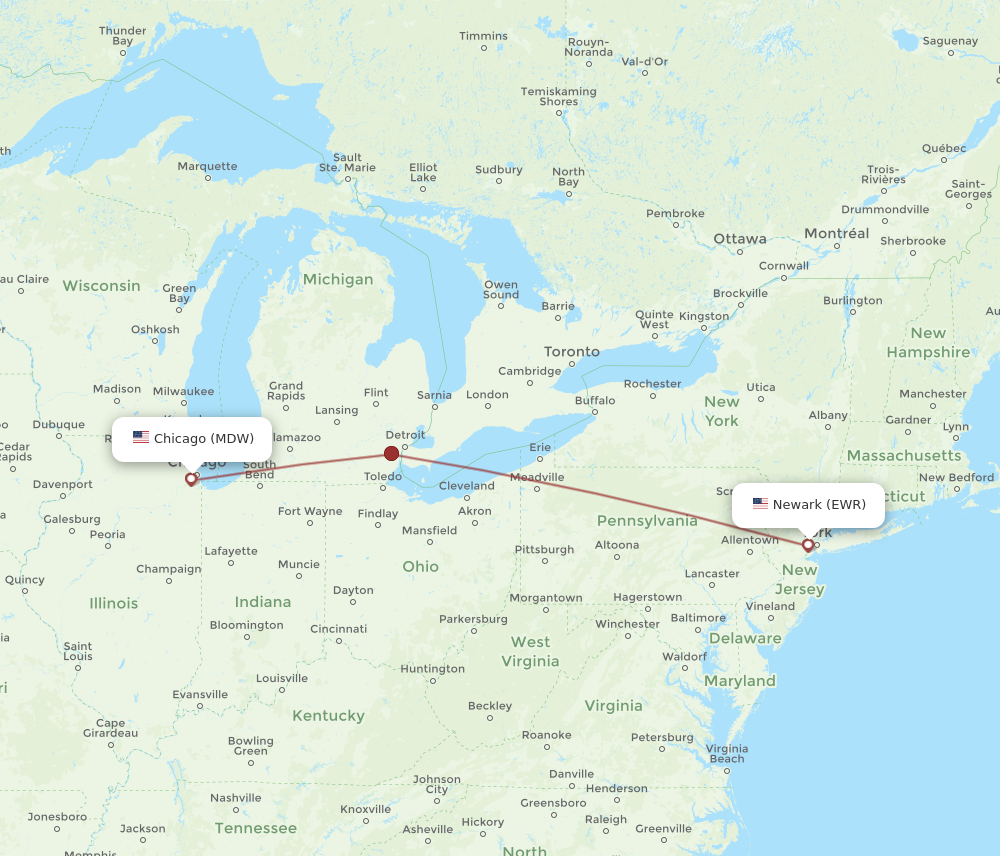
- In Chicago: O’Hare International Airport (ORD) is a major hub with extensive flight options. Midway International Airport (MDW) is smaller and often preferred by budget airlines, potentially offering closer proximity for some travelers.
- In New York City: John F. Kennedy International Airport (JFK) and Newark Liberty International Airport (EWR) are the primary international gateways. LaGuardia Airport (LGA) is primarily a domestic airport and is often favored for its proximity to Manhattan, though it can experience significant delays.
The choice of airport can influence not only the price and schedule of your flight but also the ease and cost of your ground transportation upon arrival.
Booking Your Flights
When booking your flight, pay close attention to the listed “scheduled flight time.” This is usually the most reliable indicator of the expected duration of the flight itself. Airlines will often provide an estimated “total travel time,” but it’s wise to understand what that includes. Comparing prices and schedules across different airlines and airports can lead to significant savings and a more convenient travel experience. Consider booking directly with airlines or through reputable travel aggregators.
Navigating the Skies: Essential Tips for the Journey
A flight between Chicago and New York City is a common and generally smooth experience. However, a few tips can enhance your journey.
Time Zone Changes
A crucial aspect of inter-city travel in the contiguous United States is the time zone difference. Chicago observes Central Time (CT), while New York City operates on Eastern Time (ET). Eastern Time is one hour ahead of Central Time. This means that when you fly east from Chicago to New York City, you will “lose” an hour due to the time change. For example, a flight departing Chicago at 2:00 PM CT will arrive in New York City at approximately 4:45 PM ET (assuming a 1 hour 45 minute flight duration). Conversely, when flying west from New York City to Chicago, you will “gain” an hour.
Packing Smart
Given the short flight duration, many passengers opt to travel with only carry-on luggage to expedite their journey through the airport. Ensure your carry-on adheres to airline size and weight restrictions. For a trip of this length, a single carry-on bag is usually sufficient. Remember to pack essentials like a book, headphones, and any necessary medications.
Staying Connected
Most major airlines offer in-flight Wi-Fi on their routes between Chicago and New York City. While this service usually comes with a fee, it can be invaluable for catching up on work, staying in touch with loved ones, or simply browsing the internet. Check with your airline for availability and pricing.
In-Flight Experience
Expect a standard in-flight experience. The flight is short enough that meal services are typically not offered, though beverages and snacks may be available for purchase. Enjoy the opportunity to relax, catch up on a podcast, or simply observe the changing landscape as you traverse the nation from the Midwest to the East Coast. The views from the airplane window, especially on a clear day, can offer a unique perspective on the geography of the United States.
In conclusion, the distance between Chicago and New York City by plane is approximately 700-800 miles, translating to a flight time of under two and a half hours. While this is a relatively short journey, understanding the contributing factors, such as weather and air traffic, alongside logistical considerations like airport choice and time zone differences, will ensure a smoother and more efficient travel experience between these two magnificent American cities.
LifeOutOfTheBox is a participant in the Amazon Services LLC Associates Program, an affiliate advertising program designed to provide a means for sites to earn advertising fees by advertising and linking to Amazon.com. Amazon, the Amazon logo, AmazonSupply, and the AmazonSupply logo are trademarks of Amazon.com, Inc. or its affiliates. As an Amazon Associate we earn affiliate commissions from qualifying purchases.