
Florida, renowned for its sun-kissed beaches, vibrant culture, and theme park adventures, often captures the imagination of those seeking leisure and new experiences. Beyond its picturesque landscapes and bustling tourist hubs, however, lies a comprehensive legal framework that governs the lives of its residents and visitors. For individuals considering an extended stay, business relocation, or even permanent residency in the Sunshine State, understanding the nuances of its legal system is as important as knowing its tax laws or educational opportunities. One of the most serious and frequently discussed aspects of this legal landscape is capital punishment. The question, “Does Florida have a death penalty?” often arises in conversations about state governance, justice, and societal values. The definitive answer is yes, Florida is indeed one of the states in the United States that authorizes and employs the death penalty as a form of criminal punishment. This article delves into the specifics of capital punishment in Florida, exploring its history, legal procedures, and the ongoing dialogue surrounding its implementation, providing a deeper understanding of this critical facet of Florida’s public life.
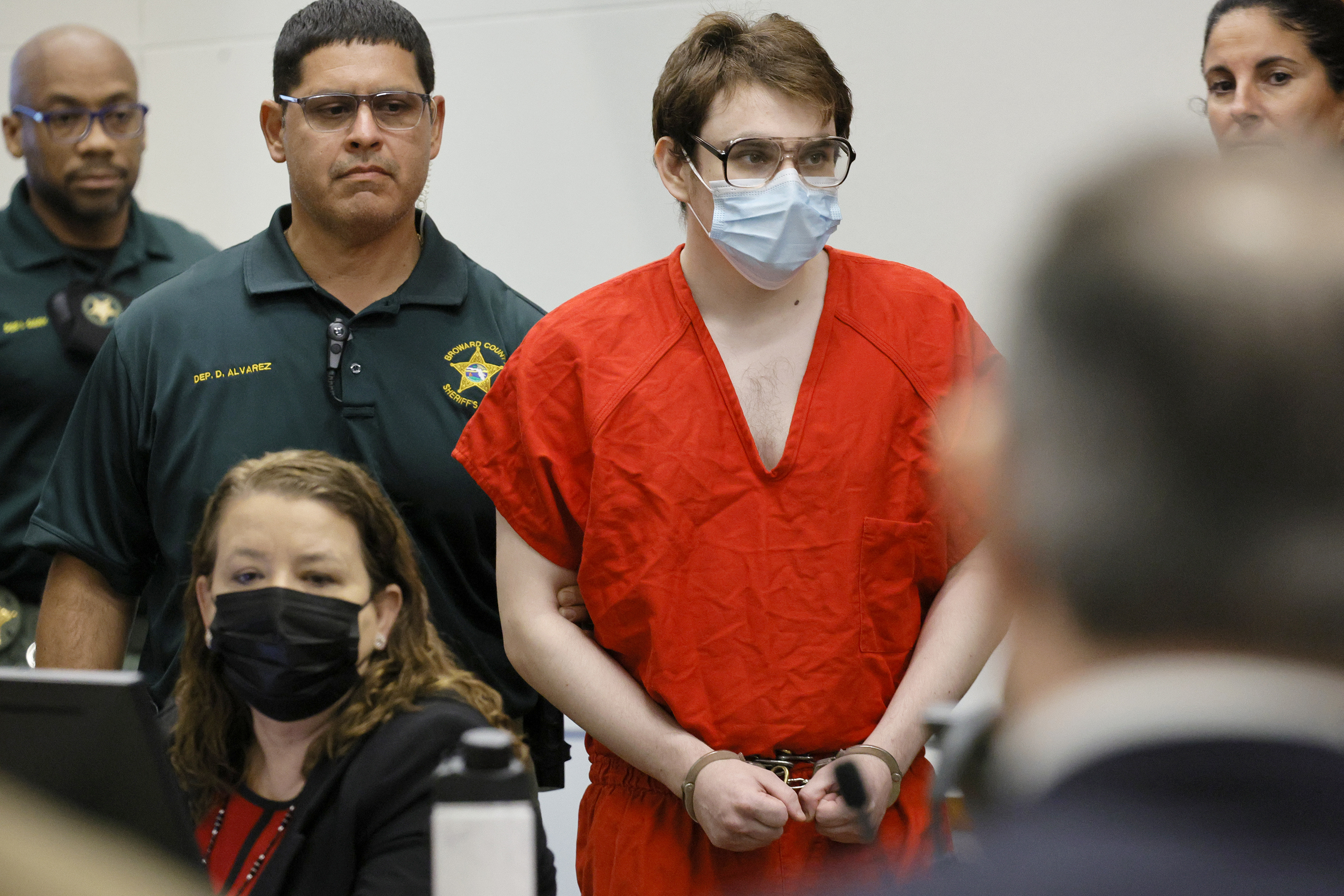
The Definitive Answer: Capital Punishment in Florida
Florida’s stance on capital punishment is clear and firmly established in its legal statutes. For those looking to understand the complete picture of what it means to live in or deeply engage with Florida, recognizing this aspect of its justice system is paramount. It reflects a particular approach to severe criminal offenses and contributes to the state’s broader societal and legal identity.
A Clear Affirmative: Confirming Florida’s Stance
As of the current legal landscape, Florida unequivocally maintains the death penalty for specific heinous crimes. This fact is not merely a historical footnote but an active component of the state’s judicial system, with individuals currently residing on death row and executions continuing to be carried out. This unwavering commitment to capital punishment sets Florida apart from several other states that have abolished or moratoriumed the practice. For anyone making lifestyle decisions involving Florida, from business leaders evaluating ethical corporate environments to families considering relocation, understanding this fundamental legal reality is a critical part of comprehending the state’s governance and societal values. It influences everything from criminal justice discussions to civil liberties debates, weaving itself into the fabric of public discourse.
Historical Context and Evolution
The history of capital punishment in Florida is long and complex, mirroring national trends while also featuring unique state-specific developments. The practice of execution dates back to the state’s territorial days, with methods evolving from hanging to the electric chair, and more recently, lethal injection. In the modern era, Florida’s death penalty statutes faced significant challenges, particularly in the wake of the United States Supreme Court’s 1972 Furman v. Georgia decision, which temporarily halted capital punishment nationwide. Florida quickly reinstated its death penalty laws in 1973, aligning its statutes with the constitutional requirements outlined by the Supreme Court in subsequent rulings like Gregg v. Georgia.
Since its reinstatement, Florida’s capital punishment system has undergone several legislative and judicial adjustments, particularly concerning sentencing procedures. A significant turning point occurred with the 2016 United States Supreme Court decision in Hurst v. Florida, which found Florida’s death penalty sentencing scheme unconstitutional because it allowed judges, not juries, to find the facts necessary to impose a death sentence. This ruling led to a period of uncertainty and significant legislative reform in Florida, ultimately resulting in laws requiring unanimous jury recommendations for a death sentence. This evolution underscores Florida’s ongoing efforts to balance its commitment to capital punishment with constitutional due process, providing an insightful case study for those interested in the intricacies of American legal development.
Navigating Florida’s Capital Sentencing Procedures
Understanding the legal framework that leads to a death sentence in Florida offers crucial insight into the state’s approach to severe criminal justice. This process is meticulously defined, involving specific criteria for eligibility, a multi-stage sentencing procedure, and prescribed methods of execution. For individuals interested in the societal mechanics of Florida, delving into these procedures reveals the gravity with which the state addresses its most serious offenses.
Eligibility for the Death Penalty
In Florida, the death penalty is reserved for the most extreme criminal offenses, primarily first-degree murder. However, not all first-degree murder convictions result in a capital sentence. The law requires the presence of “aggravating factors” that elevate the severity of the crime. These factors are statutory and include circumstances such as the murder being committed during the commission of another felony (e.g., robbery, sexual battery, kidnapping), murder committed for financial gain, murder that is especially heinous, atrocious, or cruel, or murder of a law enforcement officer. Without at least one proven aggravating factor, a defendant cannot be considered for the death penalty.
Conversely, “mitigating circumstances” can be presented by the defense to argue against a death sentence. These may include the defendant’s lack of prior criminal history, extreme mental or emotional disturbance at the time of the crime, or the defendant’s relatively minor participation in the felony. The interaction between aggravating and mitigating factors forms the core of the sentencing phase, where the jury weighs these elements to determine whether a death sentence is appropriate. This intricate balance reflects the legal system’s attempt to apply capital punishment judiciously, providing a complex and often debated aspect of Florida’s judicial lifestyle.
The Sentencing Process: Juries and Judges
The process by which a death sentence is determined in Florida is highly structured and has undergone significant reforms. Initially, while juries would offer an advisory recommendation, the final decision often rested with the judge, even allowing for judicial override of a jury’s life sentence recommendation. This system, however, was fundamentally altered following the Hurst v. Florida decision in 2016, which mandated that a jury, not a judge, must find the facts necessary to impose a death sentence. Subsequent legislative changes in Florida further refined this, establishing that for a death sentence to be imposed, a jury’s recommendation for death must be unanimous. If even one juror recommends a life sentence, the defendant receives life imprisonment without the possibility of parole. This requirement for jury unanimity represents a significant shift towards increasing the threshold for capital punishment, making it one of the strictest in the nation. It reflects a societal value that places immense weight on collective consensus when considering the ultimate penalty, an important consideration for anyone observing or engaging with Florida’s legal and social norms.
Methods of Execution
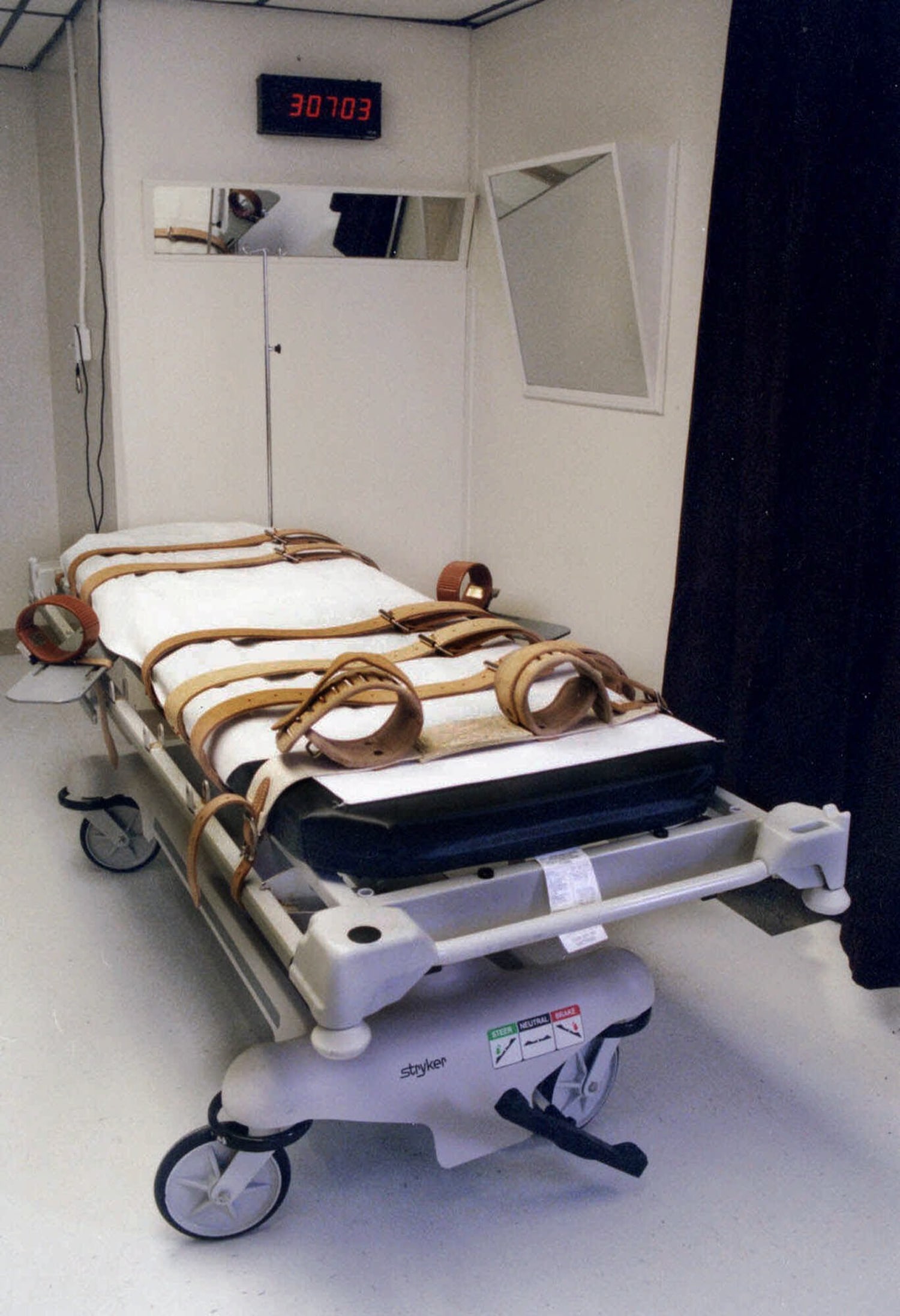
Historically, Florida utilized hanging as a method of execution, transitioning to the electric chair in 1923. For decades, “Old Sparky,” as the electric chair was colloquially known, became synonymous with Florida’s capital punishment. However, after several high-profile malfunctions in the 1990s that raised concerns about cruelty, Florida adopted lethal injection as its primary method of execution in 2000. While the electric chair remains an authorized alternative if lethal injection is found unconstitutional or unavailable, it has not been used in over two decades. The shift to lethal injection aimed to provide a more humane and medically administered execution, though it too has faced legal challenges regarding drug protocols and potential pain. This evolution in execution methods highlights the ongoing ethical and practical debates surrounding capital punishment, offering a stark reminder of the gravity and solemnity inherent in Florida’s justice system.
Appeals, Stays, and the Long Path to Execution
The journey from a death sentence to execution in Florida is rarely swift. It is a long, arduous process characterized by multiple layers of legal review, appeals, and potential stays, reflecting the justice system’s profound responsibility when dealing with irreversible penalties. For those interested in the duration and complexity of severe legal cases within Florida, this aspect reveals much about the state’s judicial commitment to due process.
The Extensive Appeals Process
Once a death sentence is imposed in Florida, the case enters an exhaustive appeals process. This begins with an automatic appeal to the Florida Supreme Court, which reviews the trial court proceedings for legal errors and ensures that the sentence is proportionate to other death penalty cases. Following state direct appeals, death row inmates can pursue post-conviction relief in state courts, arguing issues that were not part of the initial trial record, such as ineffective assistance of counsel or newly discovered evidence. If unsuccessful at the state level, defendants can then turn to the federal courts, initiating habeas corpus petitions in federal district courts, followed by appeals to the Eleventh Circuit Court of Appeals, and potentially the United States Supreme Court. Each stage of this process can take years, resulting in individuals spending decades on death row. This extensive legal labyrinth underscores the cautious approach taken to ensure justice in capital cases, a vital consideration for understanding the operational realities of Florida’s legal lifestyle.
Current Status and Death Row Statistics
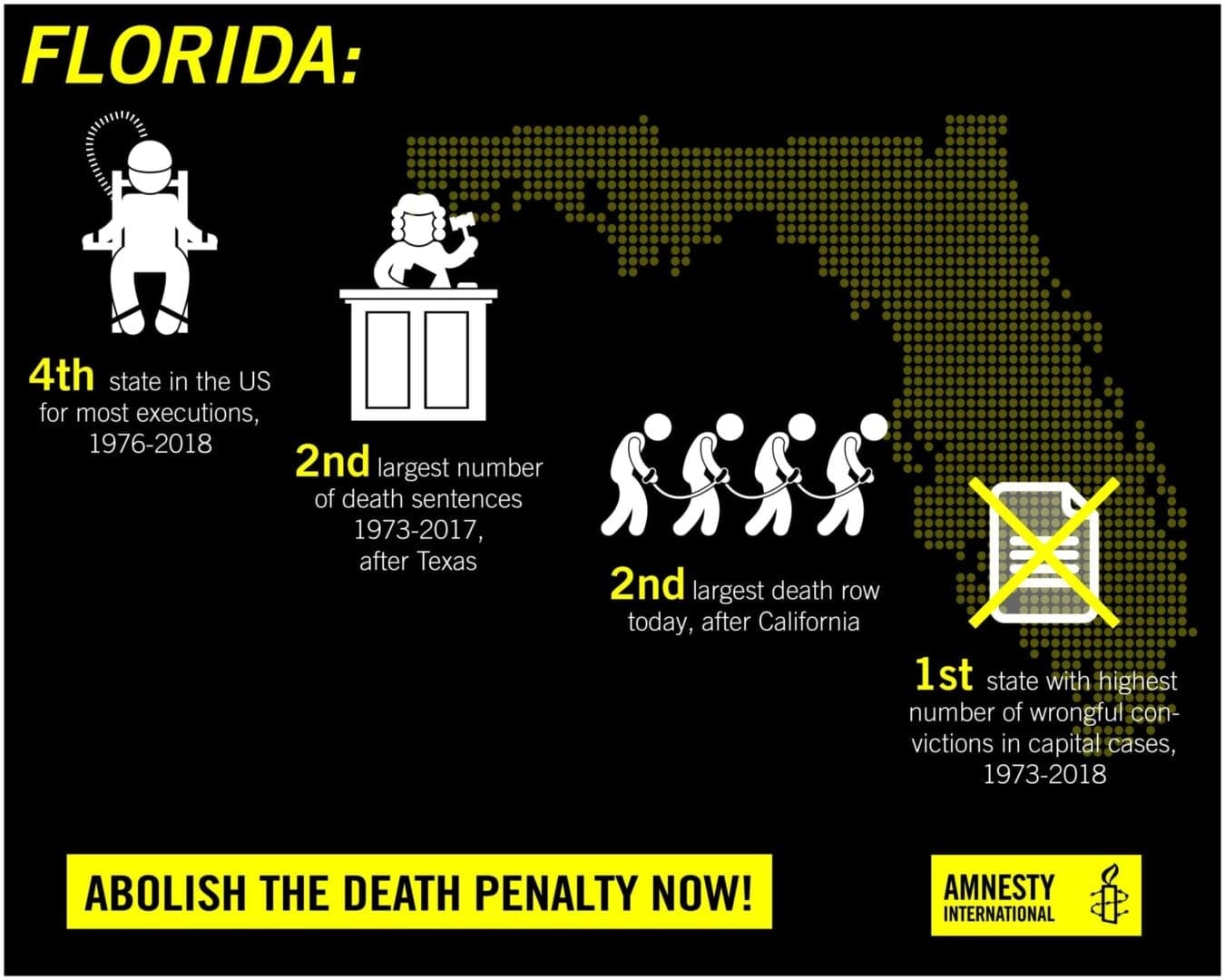
Florida maintains one of the largest death rows in the United States. As of recent reports, there are hundreds of inmates awaiting execution, reflecting the state’s active use of capital punishment and the prolonged nature of the appeals process. While a significant number of individuals are sentenced to death each year, the actual number of executions carried out annually is relatively small, often in the single digits. This discrepancy highlights the lengthy legal battles and the numerous hurdles that must be cleared before an execution can proceed. The state’s death row population and the slow pace of executions are constant subjects of discussion among legal scholars, human rights advocates, and the general public, contributing to the ongoing societal debate within Florida regarding the efficacy and morality of the death penalty.
Societal Implications and Public Discourse in Florida
The presence of the death penalty in Florida extends beyond its legal application; it profoundly influences public discourse, shapes perceptions of justice, and impacts the state’s broader societal fabric. For anyone truly seeking to understand the “lifestyle” in Florida, engaging with these discussions provides a deeper, more nuanced perspective.
Public Opinion and Local Perspectives
Public opinion regarding the death penalty in Florida is diverse, mirroring national trends but often with a strong undercurrent of support for capital punishment, particularly for heinous crimes. Many residents view the death penalty as a just retribution for severe offenses and a deterrent to future crimes. This perspective is often rooted in a desire for robust law and order, and a belief that certain acts warrant the ultimate penalty. However, there is also a significant segment of the population, including legal professionals, religious leaders, and civil rights advocates, who voice strong opposition. Their concerns often center on issues of wrongful conviction, racial disparities in sentencing, the moral implications of state-sanctioned killing, and the enormous cost of litigating capital cases compared to life imprisonment. These contrasting viewpoints create a rich and often passionate public discourse, which is an integral part of Florida’s political and social lifestyle.
Impact on Justice and Florida’s Image
The death penalty undeniably plays a role in Florida’s identity, both domestically and internationally. Proponents argue it reinforces a strong commitment to justice and public safety, enhancing the state’s image as one that does not tolerate severe criminality. They believe it offers a measure of closure for victims’ families and upholds the sanctity of life by punishing those who take it. Conversely, critics argue that capital punishment risks damaging Florida’s reputation, aligning it with a practice that many developed nations have abandoned. They contend that the possibility of executing an innocent person, combined with documented racial and socioeconomic biases in its application, undermines the very principles of justice it purports to uphold.
These debates contribute to a complex understanding of what it means to live in or be associated with Florida. For those navigating the state’s lifestyle, whether as long-term visitors, business investors, or residents, awareness of these discussions is key. It highlights the deeply held values and ongoing ethical challenges that shape the legal and social landscape, influencing everything from political campaigns to community dialogues about justice and human rights. Understanding these dynamics is essential for a comprehensive appreciation of Florida beyond its surface-level attractions.
In conclusion, Florida indeed has a death penalty, a fact that stands as a significant element of its legal system and societal discourse. From its historical roots and evolving legal procedures to the ongoing public debates surrounding its fairness and efficacy, capital punishment is an immutable aspect of the Florida lifestyle. For anyone seeking to fully comprehend the Sunshine State, delving into this serious aspect of its governance provides invaluable insight into its values, challenges, and commitment to justice.
LifeOutOfTheBox is a participant in the Amazon Services LLC Associates Program, an affiliate advertising program designed to provide a means for sites to earn advertising fees by advertising and linking to Amazon.com. Amazon, the Amazon logo, AmazonSupply, and the AmazonSupply logo are trademarks of Amazon.com, Inc. or its affiliates. As an Amazon Associate we earn affiliate commissions from qualifying purchases.