
Understanding the precise time in any destination is a foundational element of successful travel planning, and a trip to Chicago, Illinois, is no exception. More than just knowing the current hour, a comprehensive grasp of Chicago’s time zone, its implications for daily life, and how it impacts your itinerary can profoundly enhance your visit to the Windy City. From coordinating flights and hotel check-ins to maximizing sightseeing and dining experiences, time is the invisible conductor orchestrating every aspect of your Chicago adventure. This guide delves into the specifics of Chicago’s time, offering insights and practical advice for travelers to optimize their journey.

Understanding Chicago’s Time Zone: Central Time
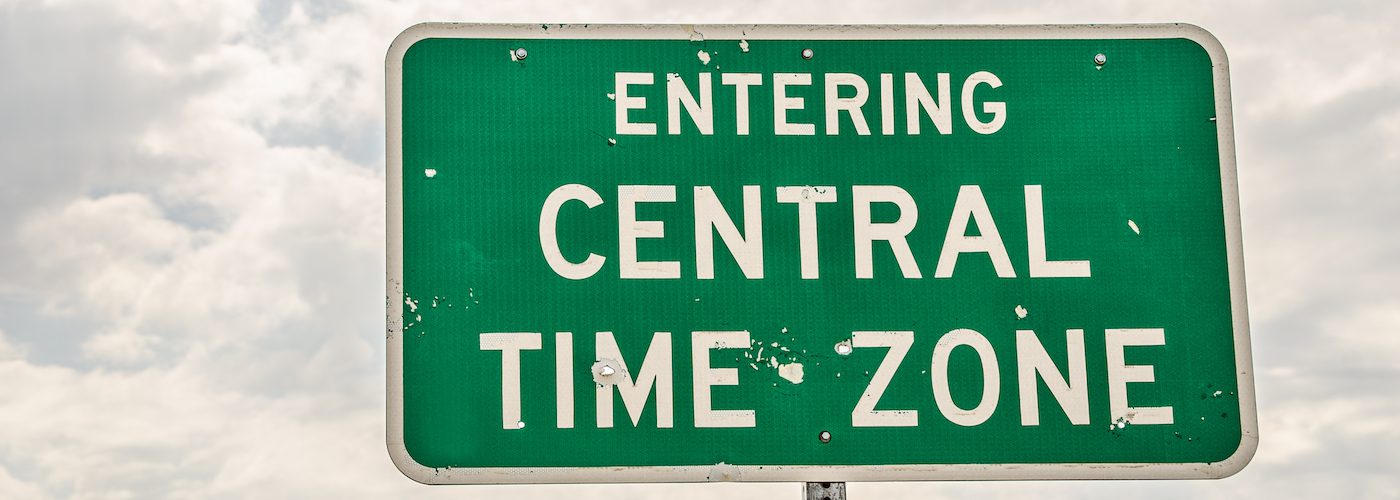
Chicago operates within the Central Time Zone, a geographical region that observes Central Standard Time (CST) during the winter months and Central Daylight Time (CDT) during the warmer periods of the year. This distinction is crucial for travelers, as it dictates how you plan and experience the city.
Central Standard Time (CST) vs. Central Daylight Time (CDT)
For approximately five months of the year, from early November to mid-March, Chicago adheres to Central Standard Time (CST). During this period, the time is UTC-6, meaning it is six hours behind Coordinated Universal Time. As spring approaches, typically on the second Sunday in March, Illinois and much of the Central Time Zone transitions to Central Daylight Time (CDT). Clocks are moved forward by one hour, setting the time to UTC-5. This change effectively “borrows” an hour of daylight from the morning and adds it to the evening, providing longer daylight hours for outdoor activities and evening excursions. The shift back to Central Standard Time occurs on the first Sunday in November, when clocks are moved back an hour. Being aware of these annual adjustments is paramount, especially if your travel dates straddle these transition points, as it can impact flight schedules, reservation times, and event timings. Always double-check the current local time relative to your travel dates.
Why Time Zones Matter for Travelers
The seemingly simple concept of a time zone carries significant weight for travelers. For those arriving from outside the Central Time Zone, understanding the difference is key to avoiding logistical mishaps. If you’re flying in from the East Coast (Eastern Time, ET), Chicago will be one hour behind, meaning a 9:00 AM flight departure from New York might land you in Chicago at 9:00 AM local time, but your internal clock will perceive it as 10:00 AM. Conversely, travelers from the West Coast (Pacific Time, PT) will find Chicago two hours ahead. A 9:00 AM arrival in Chicago will feel like 7:00 AM to your body. These differences directly influence jet lag, the optimal timing for communication with home, and crucially, your arrival and departure coordination. From hotel check-ins and restaurant reservations to catching a train or an important show, accurate time awareness ensures you are punctual and stress-free.
Navigating Your Itinerary: Time and Attractions in Chicago
Chicago’s vibrant array of attractions and activities are all governed by the clock. Strategic time management allows travelers to immerse themselves fully in the city’s offerings without feeling rushed or missing out.
Peak Hours and Tourist Flow
Understanding the city’s rhythm can help you beat the crowds at popular landmarks. Major attractions like the Art Institute of Chicago, the Shedd Aquarium, and the Field Museum often experience peak visitor times, particularly on weekends, during midday, and school holidays. Arriving shortly after opening or later in the afternoon can often provide a more serene experience. The Willis Tower Skydeck, for instance, offers breathtaking views, but waits can be long during prime evening hours around sunset. Planning to visit earlier in the day or later in the evening, after the dinner rush, can save valuable time. Similarly, exploring Millennium Park and the Cloud Gate (affectionately known as “The Bean”) is often best done in the early morning for fewer crowds and better photo opportunities.
Dining Experiences and Reservations
Chicago is a culinary paradise, boasting everything from deep-dish pizza joints to Michelin-starred restaurants. Dinner reservations, especially at popular establishments, are often essential, and understanding local dining habits is key. Peak dinner hours typically run from 6:00 PM to 8:00 PM (CDT/CST). If you’re traveling from a time zone significantly different from Central Time, be mindful of how your internal clock might affect your appetite. Booking earlier or later reservations can sometimes circumvent the busiest periods and offer a more relaxed dining experience. Many brunch spots are also immensely popular, with waits often exceeding an hour on weekend mornings, so planning for an early arrival or considering less-known establishments can be beneficial.
Public Transportation and Commute Times
Chicago’s public transportation system, managed by the CTA (Chicago Transit Authority), is efficient, but commute times vary significantly throughout the day. Rush hours, typically from 7:00 AM to 9:00 AM and 4:00 PM to 6:00 PM on weekdays, can lead to crowded trains and buses, as well as increased traffic if you’re opting for ride-shares or taxis. Factor these periods into your travel plans, especially if you have timed entry tickets or appointments. A ride that might take 15 minutes off-peak could easily double during rush hour. Using real-time tracking apps for the CTA and checking traffic conditions can help you estimate travel times accurately and move around the city seamlessly.
Beating the Clock: Practical Tips for a Seamless Chicago Visit
Effective time management is a skill that can be honed, and applying a few simple strategies can transform a good trip into an exceptional one.
Pre-Trip Planning and Time Synchronization
Before you even arrive in Chicago, begin to mentally and physically adjust to the Central Time Zone. If possible, subtly shift your sleep schedule by an hour or two in the days leading up to your departure. Upon arrival, immediately set all your devices to local Chicago time. This swift synchronization helps your brain and body adapt more quickly. Print out or save digital copies of your itinerary, noting all times in local Chicago time to avoid any confusion. Confirm reservation times for flights, hotels, and attractions, especially if they were booked months in advance, to account for any potential daylight saving shifts.
Managing Jet Lag for East and West Coast Visitors
Jet lag primarily affects those traveling across multiple time zones. For travelers from the East Coast, the one-hour difference to Chicago is usually manageable. Try to stay awake until the typical Chicago bedtime, and expose yourself to natural light upon arrival to help reset your circadian rhythm. West Coast travelers face a more significant two-hour jump forward. The key here is to embrace the local time as quickly as possible. Stay hydrated, avoid heavy meals right before bedtime, and try to get some physical activity during the day. Consider scheduling a slightly lighter itinerary for your first day to allow your body to adjust. Natural sunlight is your best friend for resetting your internal clock, so prioritize outdoor activities like a stroll along the Chicago Riverwalk or exploring Lincoln Park Zoo upon arrival.
Staying Connected Across Time Zones
For business travelers or those who need to stay in touch with family and friends, understanding the time difference is vital for effective communication. If you’re calling someone on the East Coast from Chicago, remember they are one hour ahead. Conversely, those on the West Coast are two hours behind. Plan your calls and video chats accordingly to avoid disturbing people at inconvenient hours. Many smartphones and digital watches offer world clock features, allowing you to easily track multiple time zones simultaneously, which can be incredibly helpful for managing these communications.
Seasonal Time Shifts and Event Planning
Chicago’s vibrant event calendar and the city’s natural beauty are deeply intertwined with the changing seasons and the associated shifts in daylight hours.
Daylight Saving Time: What to Expect
As mentioned, Chicago observes Daylight Saving Time. In the spring, when clocks “spring forward,” you gain an hour of evening daylight, which is fantastic for sightseeing after work or extending outdoor activities. This means attractions like Navy Pier or outdoor concerts might operate later. However, it also means you lose an hour of sleep, which can be jarring. In the fall, when clocks “fall back,” you gain an hour of sleep, but the evenings become darker earlier. This might influence when you plan your dinner reservations or evening entertainment. Always confirm the current time in Chicago on the exact dates of your travel, especially if your trip coincides with these transitions.
Major Festivals and Their Timings
Chicago hosts numerous world-renowned festivals and events throughout the year, from music festivals like Lollapalooza in Grant Park to the Taste of Chicago and various street fairs. The timing of these events is meticulously planned around the availability of daylight and typical attendee behavior. Outdoor festivals, especially those in summer, leverage the long daylight hours of CDT, often starting midday and extending late into the evening. Indoor events, concerts, and theatrical performances adhere to their specific schedules regardless of daylight. When planning to attend any of Chicago’s many events, always consult the official schedules and factor in travel time to and from the venues, especially if they are located far from your accommodation or require public transport during peak hours.
Maximizing Daylight for Sightseeing
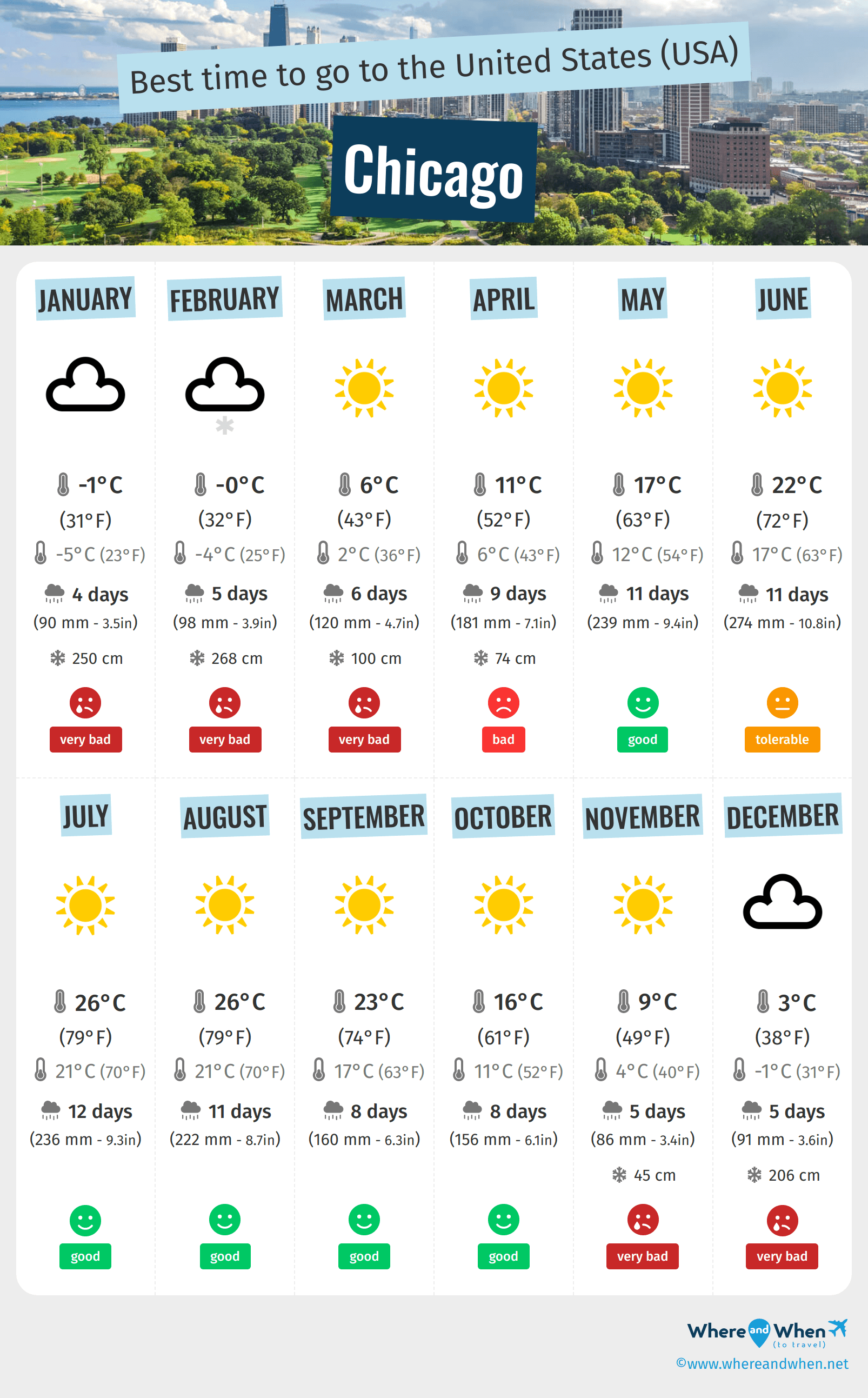
During the long summer days under Central Daylight Time, Chicago truly shines. With daylight extending well past 8:00 PM, travelers have ample opportunity to explore the city’s outdoor gems, from architectural boat tours on the Chicago River to leisurely strolls along the Magnificent Mile. Plan your most scenic outdoor activities for the late afternoon and early evening to take advantage of the softer light and pleasant temperatures. Conversely, during CST months, with earlier sunsets, it’s wise to prioritize outdoor sightseeing earlier in the day and reserve evenings for indoor attractions like museums, theaters, or culinary experiences.
The Rhythm of the City: Experiencing Chicago Around the Clock
Chicago’s energy transforms throughout the day, offering distinct experiences depending on the hour. Embracing this rhythm allows for a more authentic and enjoyable visit.
Morning Buzz and Brunch Spots
As the city awakens, Chicago’s mornings are characterized by a vibrant buzz. Coffee shops fill with commuters, and popular brunch spots begin to draw eager diners. From classic diners to upscale eateries in neighborhoods like West Loop or Wicker Park, the morning offers a chance to fuel up and soak in the local atmosphere. Consider an early morning walk or jog along Lake Michigan to witness the sunrise over the water, offering a serene start before the city fully awakens. Many museums and attractions open their doors around 9:00 AM or 10:00 AM, making early mornings ideal for beating the initial crowds.
Afternoon Explorations and Cultural Immersion
Afternoons in Chicago are perfect for deeper exploration. Whether it’s delving into the extensive collections of the Art Institute of Chicago, experiencing the marine life at Shedd Aquarium, or taking an architectural boat tour, the options are limitless. The lunch rush subsides, making it easier to grab a quick bite at a casual eatery. This is also a good time to explore neighborhoods beyond the immediate downtown area, such as Hyde Park with its historical significance or the charming streets of Lincoln Park. The energy is dynamic, with locals and tourists alike navigating the city’s cultural tapestry.
Evening Entertainment and Nightlife
As evening descends, Chicago transforms into a hub of entertainment and fine dining. From world-class theater in the Theatre District to live music venues showcasing blues and jazz, the city offers diverse nightlife options. Rooftop bars provide stunning cityscapes, while cozy pubs invite relaxed conversations. Dinner becomes an event, whether it’s indulging in a deep-dish pizza or a gourmet meal. Be mindful of curtain times for shows and reservation times for dinner. Chicago’s public transport operates into the late hours, making it convenient to enjoy the evening without worrying about driving. The city truly comes alive after dark, offering a different perspective and a chance to experience its vibrant social scene.
In conclusion, knowing “What time in Chicago, Illinois?” is far more than a simple inquiry about the current hour. It’s an entry point into understanding the logistical nuances, cultural rhythms, and daily operations that shape any visit to this magnificent city. By factoring in Chicago’s Central Time Zone, adapting to Daylight Saving Time, and strategically planning your days, travelers can ensure a seamless, enriching, and unforgettable experience in one of America’s most captivating destinations.
LifeOutOfTheBox is a participant in the Amazon Services LLC Associates Program, an affiliate advertising program designed to provide a means for sites to earn advertising fees by advertising and linking to Amazon.com. Amazon, the Amazon logo, AmazonSupply, and the AmazonSupply logo are trademarks of Amazon.com, Inc. or its affiliates. As an Amazon Associate we earn affiliate commissions from qualifying purchases.