
Navigating the tax landscape of a vacation destination can often feel like deciphering an ancient map. For many, the thought of additional financial obligations can add a layer of complexity to an otherwise exciting travel plan. When it comes to planning a getaway to the Sunshine State, a common question arises: “Does Florida have a federal income tax?” The straightforward answer is no, Florida does not impose its own state-level income tax on individuals or corporations. This fact is a significant draw for tourists and potential residents alike, often contributing to its reputation as a tax-friendly haven. However, understanding this distinction is crucial, as it relates not to federal income tax obligations, which still apply, but to state-specific tax policies.
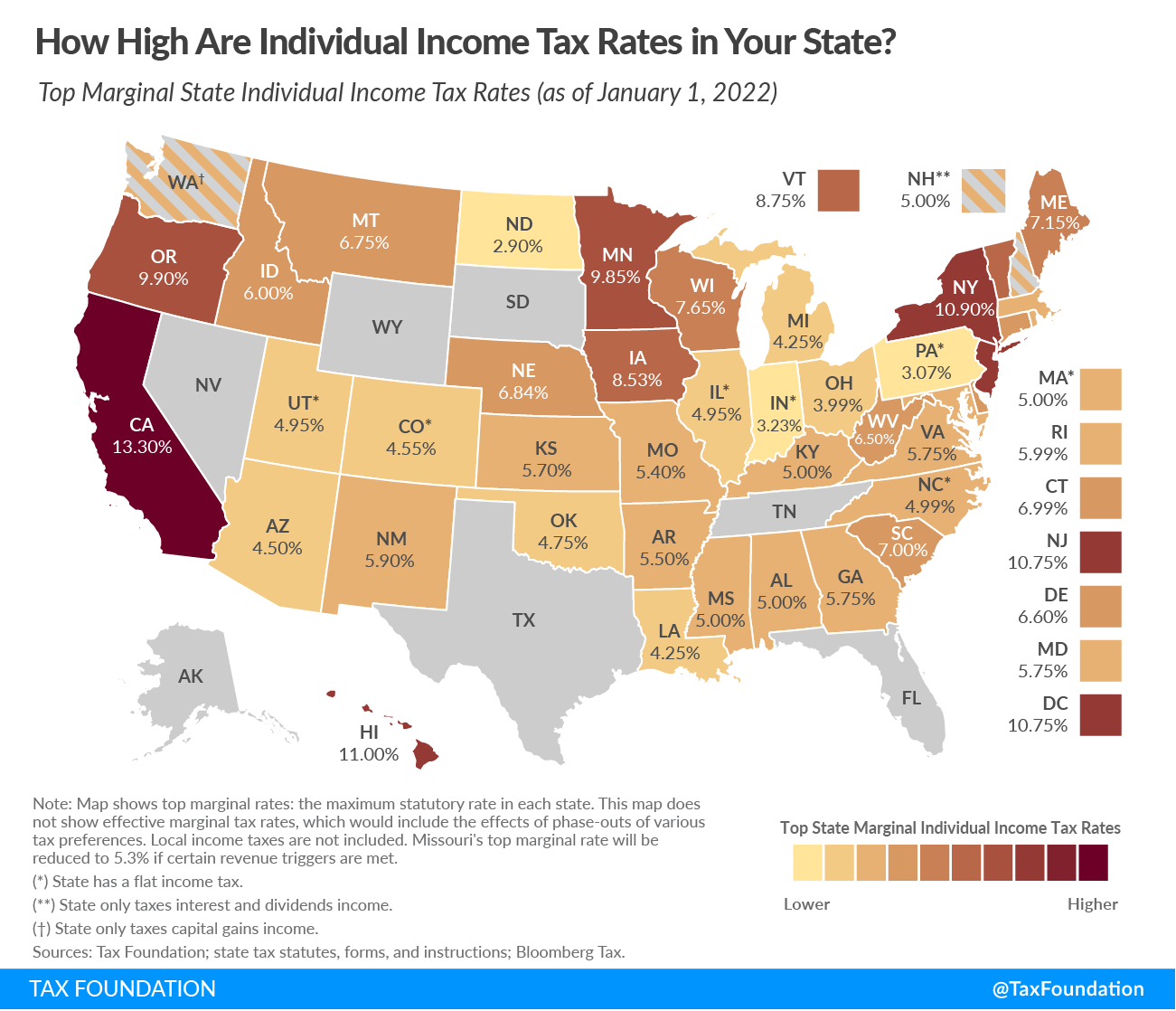
This absence of a state income tax is a key component of Florida’s allure, influencing everything from long-term residency decisions to the economic vitality of its vibrant tourism sector. It means that income earned within Florida, whether from a bustling vacation rental, a seasonal job at an amusement park, or investments held by a retired Snowbird, is not subject to a separate state income tax. This financial advantage allows travelers and those considering a move to dedicate more of their resources to experiencing all that Florida has to offer, from the sugar-white sands of the Florida Panhandle to the eclectic charm of Miami.
The Allure of a Tax-Free Income State for Tourists
The absence of a state income tax is a powerful magnet for travelers planning their adventures in Florida. Imagine budgeting for a family trip to Orlando, with its world-renowned theme parks like Walt Disney World and Universal Orlando Resort. Knowing that your income is not further taxed by the state allows for a more predictable and potentially more enjoyable financial planning process. This can translate into allocating more funds towards premium experiences, upgrading accommodations, or simply enjoying the local culinary scene without the added burden of a state income tax.
For those who frequent Florida for extended stays, perhaps as seasonal visitors or “Snowbirds,” this tax benefit is even more pronounced. The savings accumulated over months can be substantial, making Florida a more attractive alternative to states with higher tax burdens. This financial flexibility encourages longer stays, deeper engagement with local communities, and increased spending on goods and services that support Florida’s robust tourism economy. From boutique shops in St. Augustine to the vibrant nightlife of Ybor City, travelers can more readily indulge in the diverse experiences the state offers.
Understanding Federal vs. State Income Tax
It’s imperative to clarify the distinction between federal and state income tax. The United States operates on a federal system where the national government levies income taxes on individuals and corporations. These taxes fund national services such as defense, infrastructure, and social programs. The Internal Revenue Service (IRS) is the agency responsible for collecting federal taxes.
Florida, like several other states, has opted not to implement its own separate income tax. This means that residents and visitors are still required to pay federal income tax on their earnings, regardless of where they earn it within the United States, including Florida. However, they are not subject to a second layer of income tax imposed by the state government. This simplifies tax filing for many and contributes to Florida’s competitive edge as a destination and a place to live.
Impact on Travel Budgets and Spending
The lack of a state income tax directly impacts how travelers budget for their Florida vacations. When comparing potential travel destinations, the overall cost of a trip often includes not just airfare and accommodation, but also the anticipated expenses for activities, dining, and shopping. In Florida, the absence of a state income tax means that a larger portion of a traveler’s disposable income can be dedicated to these discretionary spending categories.
For instance, a family planning a week-long stay in Key West might find that the money saved by not paying state income tax can be reinvested into activities like snorkeling tours in the Florida Keys National Marine Sanctuary, exploring the historic streets, or enjoying fresh seafood at waterfront restaurants. This increased spending power benefits local businesses, from small souvenir shops to high-end resorts, further bolstering the state’s tourism-driven economy. This financial advantage can make longer vacations more feasible and encourage visitors to explore beyond the most popular attractions, discovering hidden gems across the state.
How Florida Funds its State Government Without Income Tax
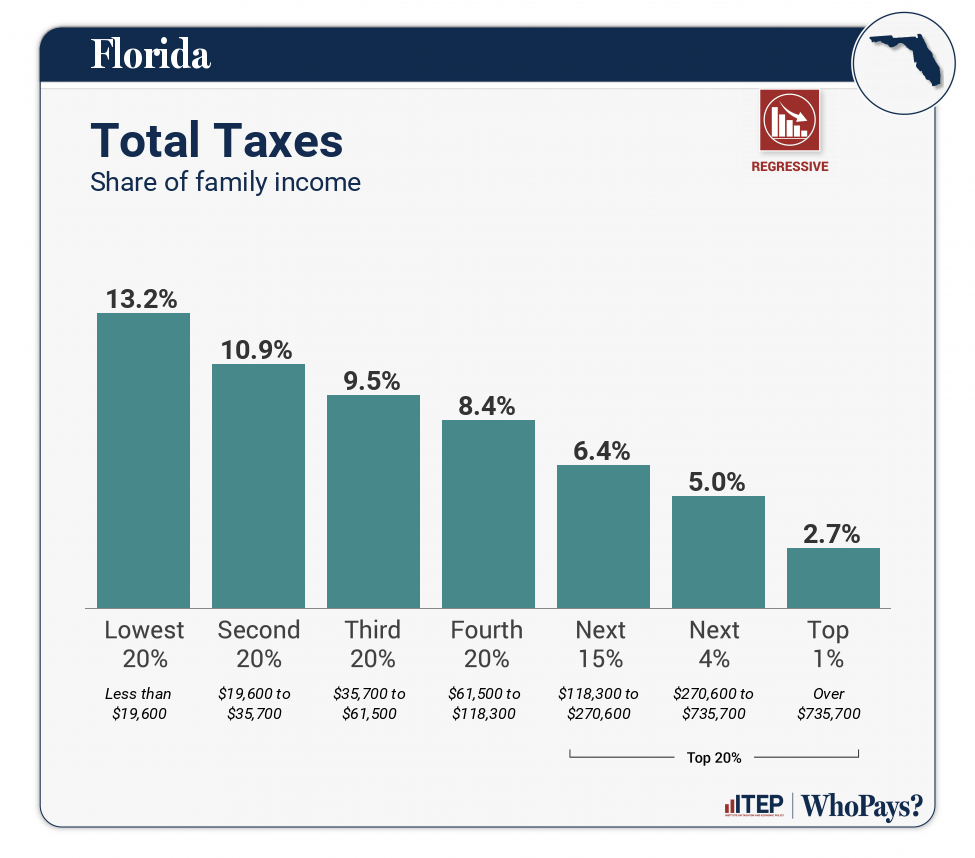
If Florida doesn’t collect income tax, how does it fund its state government and the myriad services it provides, such as maintaining state parks, supporting education, and managing transportation infrastructure? The answer lies in its reliance on other forms of taxation, primarily sales tax and property tax.
Sales Tax: A Cornerstone of Florida’s Revenue
Florida levies a state sales tax on the retail sale of tangible goods and some services. This tax is collected at the point of sale and is a significant source of revenue for the state. When tourists purchase souvenirs, dine in restaurants, rent cars, or book hotel rooms, they contribute to this tax base. The state sales tax rate can vary, with additional local discretionary sales taxes often applied, making the final sales tax rate higher in many areas. For example, a purchase in Tampa might include both the state and a local sales tax.
This reliance on sales tax means that the state’s revenue is heavily influenced by consumer spending. During peak tourist seasons, when visitor numbers surge, sales tax collections tend to rise, providing a substantial financial boost to the state. Conversely, economic downturns can impact these revenues. While convenient for travelers in that it’s collected at the point of purchase, it means that those spending more on goods and services will contribute more in taxes, a different model than an income tax where higher earners typically pay more.
Property Tax: A Local Revenue Driver
While not directly impacting most short-term tourists, property taxes are a crucial funding mechanism for local governments in Florida and play a role in the state’s overall financial structure. Property taxes are levied by counties, municipalities, and school districts on real estate and are a primary source of funding for local services such as schools, police and fire departments, and road maintenance.
For individuals who own property in Florida, whether a vacation home, a rental property, or a primary residence, property taxes are a significant annual expense. These taxes help ensure that local communities are well-maintained and that essential public services are adequately funded, contributing to the overall quality of life and the attractiveness of Florida as a destination.
Other Revenue Streams
Beyond sales and property taxes, Florida generates revenue through various other sources. These include:
- Tourist Development Taxes (TDT): Often referred to as “bed taxes,” these are levied on hotel and other lodging accommodations and are specifically earmarked for tourism promotion and development. This is a direct contribution from the hospitality industry and its patrons to enhance and market Florida as a premier travel destination.
- Gasoline Taxes: Taxes on fuel are collected to fund road construction and maintenance.
- Corporate Income Tax: While individuals are exempt, Florida does levy a corporate income tax, albeit at a relatively low rate compared to many other states. This tax applies to businesses operating within the state.
- Severance Taxes: Taxes on the extraction of natural resources like oil and gas.
- Fees and Licenses: Various fees for licenses, permits, and regulatory services also contribute to state revenue.
This diversified approach to revenue generation allows Florida to operate and provide essential services without resorting to a state income tax, making it a distinctive economic model within the United States.
Implications for Travelers and the Tourism Industry
The absence of a state income tax has profound implications for both individual travelers and the broader tourism industry in Florida. It acts as a powerful marketing tool, attracting visitors who are conscious of their vacation budgets and seeking destinations that offer greater financial flexibility.
Enhanced Purchasing Power for Tourists
For the average visitor, the lack of a state income tax translates directly into enhanced purchasing power. This means that the money budgeted for a trip to Florida can stretch further. Whether it’s enjoying an extra round of golf at a pristine course in Ponte Vedra Beach, indulging in gourmet dining experiences in Naples, or extending a stay to explore more of the state’s natural beauty, such as the Everglades National Park, visitors have more discretionary income at their disposal. This financial freedom contributes to a more relaxed and fulfilling travel experience.
Attracting Longer Stays and Repeat Visitors
The economic advantage of a tax-free income state is particularly appealing to those who plan extended stays. Snowbirds, retirees, and remote workers who choose Florida for its climate often benefit significantly from not having to pay state income tax on their earnings or retirement income. This encourages longer durations of stay, which in turn leads to increased spending on local goods and services, supporting a wider range of businesses beyond just the immediate tourist attractions. Furthermore, positive experiences driven by financial ease often lead to repeat visitation, fostering loyalty to the state as a preferred vacation spot.
A Competitive Edge in the Tourism Market
In the highly competitive global tourism market, Florida’s tax structure provides a distinct advantage. When travelers compare potential vacation spots, the overall cost of travel is a significant factor. Destinations that can offer a comparable experience with fewer tax burdens are inherently more attractive. This has allowed Florida to solidify its position as a leading tourist destination, drawing millions of visitors annually to its beaches, theme parks, cultural attractions, and natural wonders, from the historic forts of St. Augustine to the vibrant marine life of the Florida Keys.

Federal Income Tax Obligations Remain
It is crucial to reiterate that while Florida does not have a state income tax, all individuals and businesses are still subject to federal income tax laws. This means that income earned within Florida is subject to federal taxes, as determined by the IRS. Residents and visitors alike must file federal tax returns and pay any taxes owed based on their income, deductions, and credits.
For example, if you work for a company based in New York but take a temporary job in Florida during the winter season, your income from that Florida job is subject to federal income tax. Similarly, if you own a rental property in Florida and generate income from it, that income must be reported on your federal tax return. The state’s exemption from income tax does not absolve individuals or entities from their obligations to the federal government. Understanding this dual tax system is fundamental for anyone planning travel, a move, or business operations in Florida. The financial attractiveness of the Sunshine State stems from the absence of a state income tax, not a complete exemption from all income taxation.
LifeOutOfTheBox is a participant in the Amazon Services LLC Associates Program, an affiliate advertising program designed to provide a means for sites to earn advertising fees by advertising and linking to Amazon.com. Amazon, the Amazon logo, AmazonSupply, and the AmazonSupply logo are trademarks of Amazon.com, Inc. or its affiliates. As an Amazon Associate we earn affiliate commissions from qualifying purchases.