
The allure of Texas real estate, particularly its vast expanses of land, is undeniable. For many, owning an acre in the Lone Star State represents a piece of the American dream – a chance to build a homestead, pursue agricultural ambitions, or simply enjoy the wide-open spaces synonymous with the region. However, the question of “How much is an acre in Texas?” doesn’t have a simple, single answer. The value of an acre is a dynamic figure, influenced by a confluence of factors that range from its geographical location to its intended use and the prevailing market conditions. Understanding these variables is crucial for anyone looking to buy or sell land in this expansive state.
The Geographical Tapestry of Texas Land Values
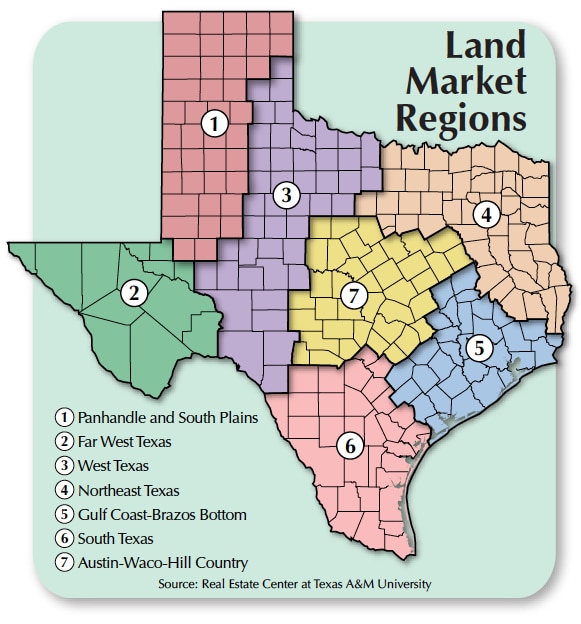
Texas is a state of immense diversity, not just in its culture and history, but also in its geography. This geographical variation directly impacts land values. From the piney woods of East Texas to the rolling plains of the Panhandle, the arid deserts of West Texas, and the coastal bend, each region offers unique characteristics that contribute to the price per acre.
East Texas: The Piney Woods and Rolling Hills
In East Texas, the landscape is characterized by dense forests, lush vegetation, and a more humid climate. This region is often sought after for its natural beauty and potential for recreational use, such as hunting and timber production. Acres in the Piney Woods can vary significantly. Areas with mature timber might command higher prices due to their immediate income-generating potential. Proximity to lakes like Lake Sam Rayburn or the Big Thicket National Preserve also boosts desirability and, consequently, price. Generally, you might find prices ranging from $3,000 to $10,000 per acre, with prime recreational tracts or those suitable for development in more populated corridors like near Tyler or Beaumont reaching even higher.
Central Texas: The Hill Country and Urban Corridors
Central Texas, including the renowned Texas Hill Country, is a highly sought-after region. Its picturesque rolling hills, clear rivers, and proximity to major metropolitan areas like Austin, San Antonio, and Waco drive up demand. Land here is often purchased for residential development, ranchettes, or vineyards, capitalizing on the region’s tourism appeal. The closer you are to these burgeoning cities, the higher the price per acre will be. While a remote tract in the Hill Country might still be relatively affordable, land within an hour’s drive of Austin or San Antonio could easily fetch $15,000 to $50,000 per acre, and even higher for smaller parcels suitable for luxury estates or commercial ventures.
West Texas: The High Plains and Deserts
West Texas presents a starkly different landscape, dominated by arid plains and desert environments. This region is traditionally associated with cattle ranching and oil and gas production. The vastness of the land often means larger acreage parcels are available at lower price points compared to East or Central Texas. However, the presence of active oil fields or significant wind energy potential can dramatically increase land values in specific areas. For pure ranchland, prices can range from $1,500 to $5,000 per acre. However, if the land has proven mineral rights or is strategically located for energy development near towns like Midland or Odessa, the price per acre could skyrocket, even if the surface value remains low. Water rights are also a critical consideration in this drier region, significantly impacting the overall value.
The Gulf Coast: Coastal Properties and Agricultural Land
The Texas Gulf Coast offers a unique blend of coastal living and agricultural opportunities. Properties near the coast, especially those with water frontage or within commuting distance of cities like Houston or Corpus Christi, command premium prices. This is due to demand for residential development, tourism, and access to ports. Inland, agricultural land used for rice, cotton, or soybean farming can be quite valuable, though prices tend to be more moderate than coastal properties. Coastal land might range from $10,000 to $40,000+ per acre, while fertile agricultural land further inland could be in the $4,000 to $12,000 per acre range.
Factors Influencing Acreage Value
Beyond geographical location, several other critical factors dictate the price of an acre in Texas. These elements can either enhance or diminish the perceived and actual value of a piece of land.
Utilities and Infrastructure
The availability of essential utilities is a major driver of land value. Land with access to electricity, city water and sewer, natural gas, and high-speed internet is significantly more valuable, especially for residential or commercial development. Rural properties lacking these amenities will typically be priced lower, as the cost of bringing utilities to the site can be substantial. For example, an acre with existing rural water and electricity will be worth more than a comparable acre requiring a well, septic system, and a lengthy electrical service extension.
Topography and Soil Quality

The physical characteristics of the land itself play a crucial role. Flat, easily tillable land is ideal for agriculture and construction, making it more valuable. Steep slopes, rocky terrain, or flood-prone areas can decrease value, requiring extensive site preparation or limiting development potential. Similarly, the quality of the soil is paramount for farming and ranching. Rich, arable soil can command higher prices, particularly in established agricultural regions.
Water Rights and Access
Water is a precious commodity in Texas, and its availability and rights are critical to land value. Properties with reliable access to surface water (rivers, lakes) or established water rights are more desirable. The presence of natural springs, ponds, or creeks can enhance recreational value and support livestock. For agricultural use, the right to irrigate from a well or surface source is a significant asset. Land with senior water rights or abundant, easily accessible groundwater will be priced higher.
Zoning and Land Use Restrictions
The intended use of the land is a primary determinant of its value. Land zoned for residential development will fetch a different price than land zoned for agriculture, commercial use, or industrial purposes. Agricultural zoning often offers tax benefits but may restrict certain types of development. Undeveloped land with flexible zoning or the potential to be rezoned for higher-value uses will generally be more expensive. Easements, mineral rights reservations, and deed restrictions can also impact the marketability and price of a property.
Proximity to Amenities and Growth
Location, location, location holds true for land as well. Proximity to major cities, desirable towns, employment centers, schools, shopping, and recreational facilities significantly increases land value. As urban areas expand, land on their fringes often sees its value appreciate rapidly as it becomes prime for future development. Areas experiencing economic growth and population increase tend to have higher land prices across the board.
Market Conditions and Economic Trends
Like any market, land values in Texas are subject to supply and demand dynamics, interest rates, and the overall economic climate. Periods of strong economic growth, low interest rates, and high demand for housing or agricultural products tend to drive land prices up. Conversely, economic downturns or oversupply can lead to price stagnation or decline. The oil and gas industry, in particular, can have a substantial impact on land values in regions where it is prevalent, influencing both direct leasing income and the broader economic activity that drives demand for land.
Understanding Acreage: The Texas Context
An acre is a unit of land area, defined as 43,560 square feet. In Texas, this unit of measurement is the standard for land transactions, from sprawling ranches to suburban lots. The perception of an acre in Texas often extends beyond its literal measurement; it embodies a sense of space, independence, and opportunity.
Agricultural Acreage
Traditionally, Texas is known for its agriculture, and many acres are dedicated to farming and ranching. The value of agricultural land is often tied to its productivity – its ability to support crops or livestock. Factors like soil fertility, water availability, fencing, and existing infrastructure like barns or corrals are key. Property taxes for agricultural land in Texas can also be significantly lower under agricultural appraisal (often called “ag exemption”), which incentivizes land preservation for farming and ranching and impacts the net cost of ownership.
Residential and Recreational Acreage
As Texas continues to grow, demand for residential and recreational land has surged. This includes larger lots for single-family homes, “ranchettes” (smaller ranches), and land for recreational purposes like hunting, camping, or simply enjoying nature. The appeal here is often the balance between privacy and accessibility to urban centers. The presence of natural features like trees, water bodies, or scenic views can substantially enhance the value of recreational acreage.
Commercial and Development Acreage
Land suitable for commercial or industrial development is valued differently. Proximity to major roadways, population centers, and existing infrastructure are paramount. The potential for future growth and the zoning classifications that allow for businesses, retail, or manufacturing are key valuation drivers. The price per acre for development land is typically the highest due to the potential for greater return on investment through building and operating commercial enterprises.
In conclusion, the question of “How much is an acre in Texas?” is as multifaceted as the state itself. It requires a deep dive into the specific characteristics of the land, its location, its potential uses, and the prevailing market forces. Whether you are eyeing a vast West Texas ranch, a picturesque Texas Hill Country parcel, or a strategic piece of land near a booming city, careful research and consultation with local real estate professionals are essential to navigating the diverse and dynamic Texas land market.
LifeOutOfTheBox is a participant in the Amazon Services LLC Associates Program, an affiliate advertising program designed to provide a means for sites to earn advertising fees by advertising and linking to Amazon.com. Amazon, the Amazon logo, AmazonSupply, and the AmazonSupply logo are trademarks of Amazon.com, Inc. or its affiliates. As an Amazon Associate we earn affiliate commissions from qualifying purchases.