
The humid air of the Sunshine State, the rustling of palm fronds, and the distant cry of seabirds are all quintessential elements of a Florida vacation. Many visitors envision Miami‘s vibrant nightlife, the thrill of Orlando‘s theme parks, or the serene beaches of the Florida Keys. However, another, wilder resident also calls this diverse landscape home: the Florida Panther. Often shrouded in mystery and a symbol of the state’s wild heart, the question of “Does Florida have panthers?” is more than just a simple query; it’s an invitation to explore the state’s often-overlooked natural heritage.

While the image of a majestic big cat stalking through the Everglades might seem like something out of a documentary, it is a very real, albeit increasingly rare, possibility for those venturing into the less-traveled parts of Florida. The Florida Panther (Puma concolor coryi) is a critically endangered subspecies of the cougar, and its survival is intrinsically linked to the preservation of the state’s unique ecosystems. Understanding the presence and plight of these magnificent creatures offers a deeper appreciation for Florida‘s natural Landmarks and the vital importance of conservation efforts.
This article will delve into the world of the Florida Panther, exploring its habitat, the challenges it faces, and how visitors can contribute to its preservation. It’s a journey that goes beyond typical Travel and Tourism, touching upon the delicate balance of nature and the profound impact that even seemingly small actions can have on the survival of an entire species.
The Elusive King of the Everglades
The Florida Panther is a creature of stealth and adaptation, perfectly suited to the diverse environments of the Sunshine State. Historically, their range extended across the southeastern United States, but today, their last known viable population resides in southwest Florida. This includes vast tracts of protected land such as the Big Cypress National Preserve, the Everglades National Park, and various private conservation lands. These areas provide the dense cover, ample prey, and critical water sources necessary for their survival.
Habitat and Lifestyle
The preferred habitat of the Florida Panther is a mosaic of diverse ecosystems. They thrive in pine flatwoods, coastal prairies, freshwater marshes, and mangrove swamps. These varied landscapes offer a rich hunting ground, with their diet consisting primarily of white-tailed deer, raccoons, and wild hogs. Panthers are solitary animals, except during mating season, and they roam large territories, marking their presence through scent markings and scratch marks on trees.
Their elusive nature makes them incredibly difficult to spot in the wild. They are most active during dawn and dusk, periods of low human activity. Their tawny, muscular build, coupled with their long tail, helps them blend seamlessly into the dappled sunlight and shadows of their environment. The absence of any spotting on their coat distinguishes them from other cougar subspecies.
A Fight for Survival
The Florida Panther has faced an uphill battle for survival for decades. Habitat loss and fragmentation due to agricultural development, urban sprawl, and infrastructure projects have severely restricted their range and access to food and mates. This has led to a dwindling population, making them one of the most endangered mammals in North America.
The genetic bottleneck resulting from their severely reduced population has also been a significant concern. In the past, inbreeding led to serious health issues, including heart defects and reduced reproductive success. A crucial conservation effort involved the intentional introduction of Texas cougars in the 1990s to improve the genetic diversity of the Florida Panther population. This intervention has shown positive signs of recovery, but the challenges remain substantial.
Human-wildlife conflict, primarily in the form of vehicle collisions, is another major threat. As their habitat shrinks, panthers are forced to cross roads more frequently, leading to tragic accidents.
Experiencing Florida’s Wild Side: Opportunities and Responsibilities
While spotting a Florida Panther in the wild is an exceedingly rare and special event, the state’s commitment to conservation means that opportunities exist to learn about and support these magnificent animals. Responsible Travel can contribute to the preservation of their habitat and the overall health of Florida‘s natural landscape.
Exploring Panther Habitats and Learning Centers
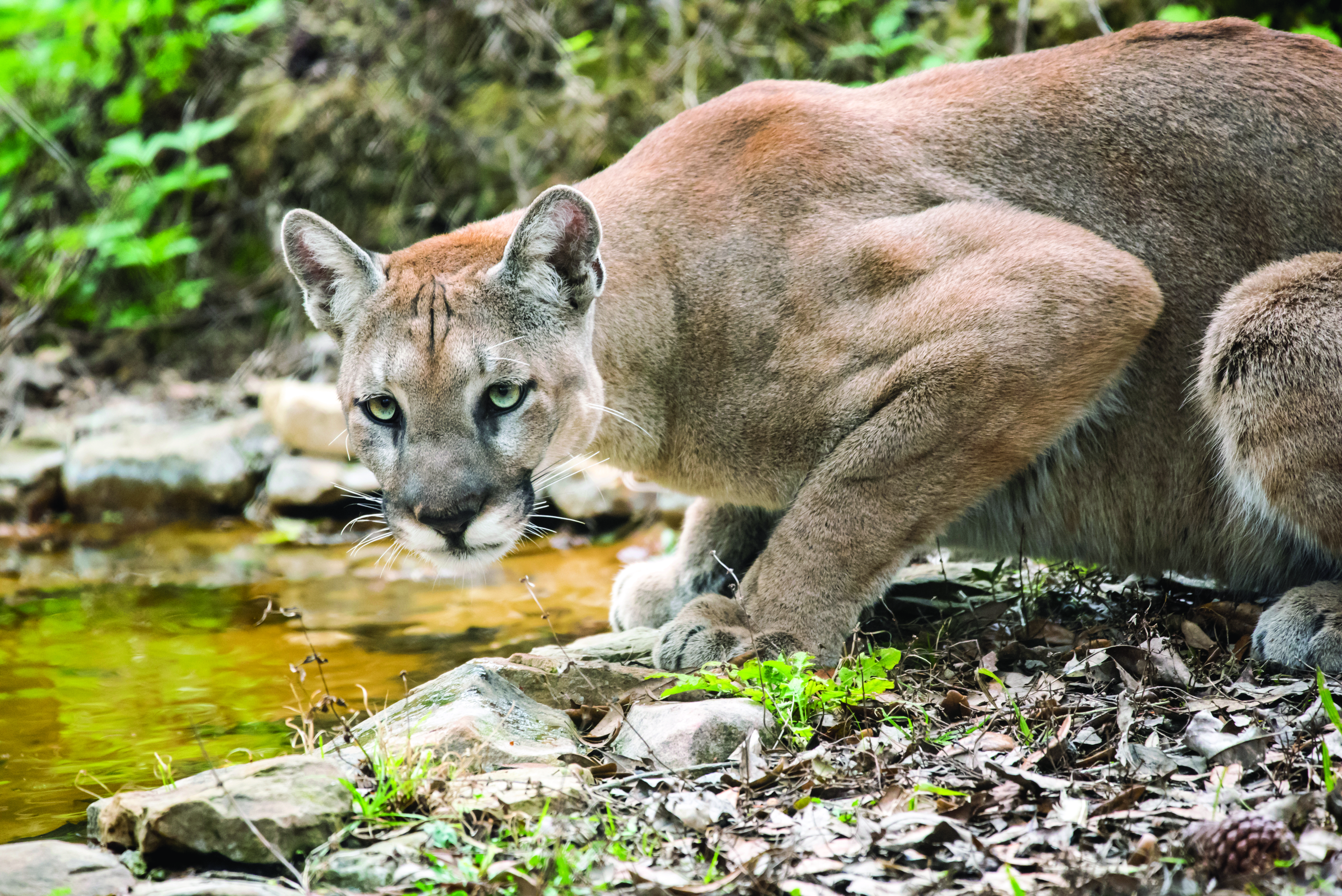
Several Landmarks and organizations in Florida are dedicated to the Florida Panther‘s conservation and offer visitors opportunities to learn more. The Big Cypress National Preserve and Everglades National Park are prime areas where panthers are known to roam, though sightings are not guaranteed. These parks offer extensive trails for hiking and paddling, allowing visitors to immerse themselves in the panther’s natural environment. Guided tours, often led by knowledgeable naturalists, can provide insights into the ecosystem and the challenges faced by its inhabitants.
The Florida Panther National Wildlife Refuge and the Collier-Seminole State Park are also important areas for panther research and conservation. While direct encounters with panthers are unlikely and should not be sought after, these locations often have visitor centers or educational programs that highlight the panther’s biology, history, and the ongoing conservation efforts. These centers are invaluable resources for understanding the delicate balance of the Florida wilderness.
For those seeking a more guaranteed glimpse, although not of a wild panther, the White Oak Conservation in Yulee, Florida, has historically played a role in panther breeding and conservation programs, though access is limited and primarily for research and educational purposes. It is crucial to remember that these animals are wild and should be observed from a safe distance and with the utmost respect for their space.
Responsible Tourism and Conservation
As a visitor to Florida, embracing responsible tourism practices is paramount to supporting conservation efforts. When exploring natural areas, always stay on marked trails to minimize disturbance to wildlife and their habitats. Avoid feeding wild animals, as this can disrupt their natural foraging behaviors and make them more vulnerable.
Supporting organizations dedicated to Florida Panther conservation through donations or by participating in volunteer programs can have a tangible impact. Many local environmental groups work tirelessly to protect panther habitat, rescue injured animals, and educate the public. Choosing eco-friendly accommodations and tour operators also contributes to a more sustainable Tourism industry that prioritizes the health of the environment.
Understanding the Lifestyle implications of human activity in panther territory is key. Even seemingly minor actions, like littering or using excessive noise, can negatively impact the delicate ecosystem. By being mindful and respectful, travelers can ensure their visit leaves a positive footprint.
The Future of Florida’s Feline Icon
The Florida Panther remains an iconic symbol of Florida‘s wild spirit. Its future is inextricably linked to the ongoing commitment to conservation and the preservation of its natural habitat. While the challenges are significant, the dedicated efforts of scientists, conservationists, and the growing awareness among the public offer a glimmer of hope for this magnificent creature.
Conservation Successes and Ongoing Challenges
The reintroduction of Texas cougars, as mentioned, was a critical step in improving the genetic health of the Florida Panther population. This, coupled with dedicated habitat protection and restoration projects, has seen a slow but steady increase in panther numbers in recent years. However, these successes are fragile. The continued threat of habitat loss due to development and the ongoing risk of vehicle collisions mean that the fight for their survival is far from over.
The establishment of wildlife corridors, which connect fragmented habitats, is a vital strategy to allow panthers to roam more freely and find mates. Continued research into their behavior, genetic makeup, and health is essential for informed conservation decisions.

How You Can Help
Your visit to Florida can be more than just a vacation; it can be an opportunity to contribute to a cause. By educating yourself about the Florida Panther, supporting reputable conservation organizations, and practicing responsible Tourism, you play a role in safeguarding the future of this endangered species.
When planning your trip, consider visiting state parks and National Wildlife Refuges that are actively involved in conservation. Many offer educational programs and opportunities to learn about local wildlife. Even small actions, like choosing to drive cautiously in areas known to be panther habitat or properly disposing of your trash, can make a difference.
The presence of the Florida Panther is a testament to the enduring wildness of Florida. It reminds us that even in a state renowned for its human-centric attractions, nature demands our respect and protection. So, does Florida have panthers? Yes, it does, and their continued existence depends on us all playing our part.
LifeOutOfTheBox is a participant in the Amazon Services LLC Associates Program, an affiliate advertising program designed to provide a means for sites to earn advertising fees by advertising and linking to Amazon.com. Amazon, the Amazon logo, AmazonSupply, and the AmazonSupply logo are trademarks of Amazon.com, Inc. or its affiliates. As an Amazon Associate we earn affiliate commissions from qualifying purchases.