
The closure of a beloved restaurant chain like Boston Market often sparks curiosity, not just among those who enjoyed its rotisserie chicken and classic sides, but also within the broader travel and hospitality industry. For travelers, dining experiences are an integral part of exploring new destinations and understanding local culture. When a long-standing culinary institution fades from the landscape, it prompts a deeper look into evolving consumer tastes, economic pressures, and the dynamic nature of the food service sector – elements that profoundly influence the global tourism and accommodation industries.
Boston Market, once a ubiquitous presence across the United States, carved out a niche for itself by offering homestyle meals in a fast-casual setting. Its decline and eventual closure in many locations were not sudden but rather a culmination of various factors, mirroring broader trends affecting businesses, including those catering to tourists and local residents alike. Understanding these reasons offers valuable insights for anyone invested in the future of food, travel, and lifestyle.
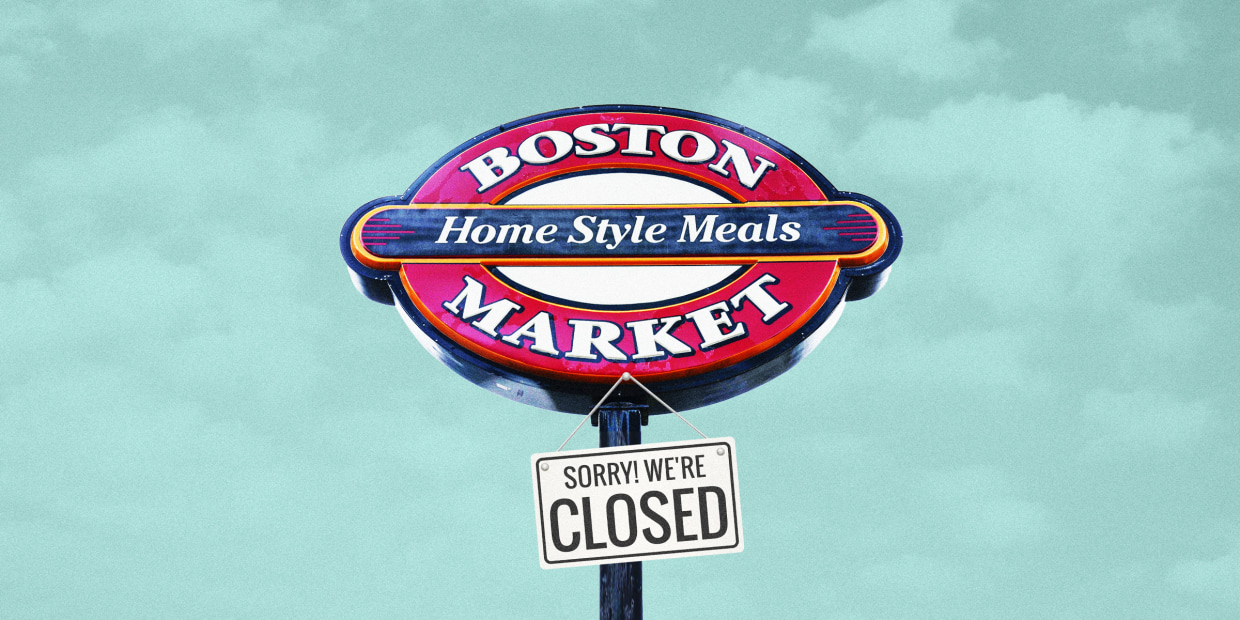
A Culinary Institution’s Journey and Decline
Boston Market’s story began in Golden, Colorado, in 1985, originally under the name Boston Chicken. It quickly distinguished itself by focusing on rotisserie chicken, a healthier alternative to traditional fried chicken, accompanied by an array of comforting sides like mashed potatoes, creamed spinach, and cornbread. This concept resonated deeply with consumers seeking convenient yet wholesome meal options, especially appealing to families and individuals looking for a taste of home without the hassle of cooking.
The chain experienced rapid expansion throughout the late 1980s and early 1990s, becoming a household name and a familiar sight in suburban shopping centers and bustling urban areas. Its success demonstrated a shift in consumer demand towards perceived healthier fast food options and a desire for variety beyond traditional burgers and fries. For travelers, Boston Market often represented a reliable, accessible choice for a familiar meal, offering a comforting respite during journeys or a quick bite between sightseeing at attractions.
However, this rapid expansion also sowed the seeds of future challenges. The company diversified its menu, adding turkey, meatloaf, and ham, and rebranded as Boston Market to reflect this broader offering. While the intention was to attract a wider customer base, it also diluted its original, strong brand identity centered around rotisserie chicken. Financial difficulties mounted, leading to bankruptcy in 1998 and eventual acquisition by McDonald’s Corporation in 2000. Under McDonald’s’ ownership, many underperforming locations were closed, and the chain attempted to streamline operations. Despite these efforts, Boston Market continued to face an uphill battle.
The Evolving Palate of the Modern Traveler
One of the most significant factors contributing to Boston Market’s struggles, and indeed a major driver across the entire food and beverage industry, is the dramatic shift in consumer preferences, particularly among modern travelers. Today’s tourists are increasingly food-savvy, seeking authentic culinary experiences that reflect the local culture of their destinations.
The rise of “foodie culture” and the accessibility of information through travel guides and online reviews have empowered travelers to explore beyond conventional chain restaurants. They seek out unique local culture, artisanal eateries, farm-to-table restaurants, and diverse international cuisines. This trend has fueled the growth of culinary tourism, where food itself becomes a primary reason for travel, moving away from generic, predictable dining options.
Boston Market’s menu, while comforting, struggled to keep pace with this demand for innovation and diversity. Its traditional American comfort food, while appealing to a segment of the market, was often seen as less exciting or adventurous compared to the myriad of options emerging in vibrant urban centers like New York City, Los Angeles, or even smaller towns boasting burgeoning food scenes. For many travelers, dining out is an “experience,” and Boston Market’s model, while efficient, rarely offered the kind of unique ambiance or innovative dishes that travelers now prioritize.
Moreover, there’s been a sustained push towards healthier eating and transparency in food sourcing. While Boston Market initially capitalized on the “healthier” fast-food perception with its rotisserie chicken, the definition of healthy eating has evolved significantly. Consumers now often look for organic ingredients, plant-based options, gluten-free choices, and meals prepared with minimal processing – areas where Boston Market found it challenging to consistently innovate while maintaining its value proposition.
Economic Headwinds and Strategic Missteps
Beyond changing tastes, a confluence of economic pressures and internal strategic missteps played a critical role in Boston Market’s decline. The restaurant industry is notoriously competitive and susceptible to economic fluctuations, and these challenges were particularly acute for a chain attempting to straddle the line between fast food and casual dining.
Operating costs, including labor, food supplies, and real estate, have steadily increased. In major metropolitan areas popular with tourists, such as Chicago or Boston, the expense of maintaining prime retail locations can be astronomical. For a brand that relied on offering value-driven meals, absorbing these rising costs without significantly increasing prices proved difficult. This often meant sacrificing profit margins or passing costs onto consumers, which could deter price-sensitive customers.
Labor shortages, especially in the wake of global events, also put immense strain on the restaurant sector. Attracting and retaining staff became a significant challenge, impacting service quality and operational efficiency. Many establishments, from luxury hotels with fine dining restaurants to quick-service cafes, grappled with these staffing issues, highlighting a systemic problem that Boston Market was not immune to.
From a strategic perspective, Boston Market struggled with effective marketing and brand positioning. While competitors like KFC focused on their fried chicken heritage and innovative side dishes, and newer fast-casual chains like Chipotle emphasized customization and fresh ingredients, Boston Market appeared to lose its distinct voice. Its efforts to introduce new menu items often didn’t capture significant market share or generate lasting excitement.
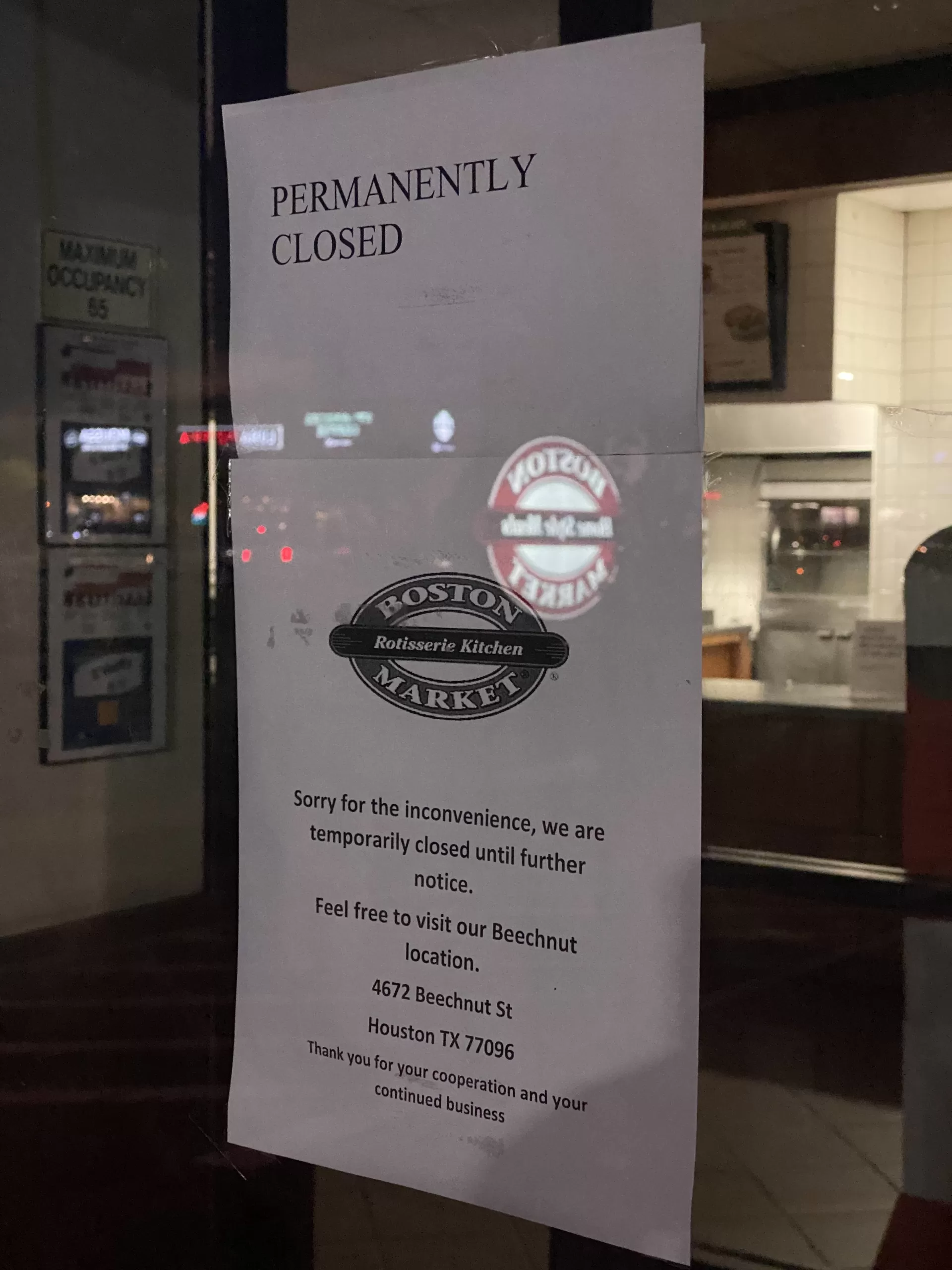
The Competitive Landscape of the Hospitality Sector
The competitive landscape for dining options has become incredibly fierce, with new models constantly emerging. Boston Market faced pressure from multiple directions:
- Traditional Fast Food: Giants like McDonald’s and Subway continued to dominate the quick-service segment with aggressive pricing and extensive drive-thru capabilities.
- Fast-Casual Revolution: Chains like Chipotle, Panera Bread, and even gourmet burger joints offered a more upscale, customizable experience at a slightly higher price point, attracting consumers who valued quality and freshness without the wait of full-service dining. These brands often appealed to tourists looking for a reliable, yet slightly elevated, meal experience on the go.
- Grocery Store Deli & Prepared Meals: Supermarkets like Whole Foods Market significantly upped their game, offering extensive hot bars, salad bars, and prepared meal sections that directly competed with Boston Market’s core offering, often at competitive prices and with greater convenience for shoppers.
- Meal Kit Services: The rise of meal kit delivery services provided an alternative for home cooks seeking convenience, further eroding the market for restaurant takeout.
- Hotel and Accommodation Dining: Even within the accommodation sector, many hotels and resorts have enhanced their on-site dining options, offering everything from grab-and-go breakfasts to sophisticated evening menus. For guests, these integrated dining experiences provide convenience and often a higher quality meal than what a chain restaurant might offer, making external dining less necessary.
This fragmented and highly competitive environment meant Boston Market had to fight harder for every customer, often without a clear unique selling proposition that could cut through the noise. Its initial advantage of being a “healthier” fast-food option diminished as more players entered that space with innovative menus and stronger brand stories.
The Pandemic’s Unforeseen Impact
While Boston Market’s decline predates the global pandemic, the COVID-19 crisis undoubtedly accelerated its struggles and delivered a fatal blow to many of its remaining locations. The hospitality and travel sectors were among the hardest hit, and restaurants, especially those reliant on dine-in traffic or located in areas affected by reduced tourism, faced unprecedented challenges.
Lockdowns, social distancing mandates, and a general shift in consumer behavior towards takeout and delivery created a volatile environment. While Boston Market did offer takeout, its infrastructure was perhaps not as agile or digitally advanced as some of its competitors that had heavily invested in online ordering platforms and third-party delivery partnerships. Many customers, including essential workers and travelers who still needed meals, opted for establishments with seamless digital experiences or those that offered contactless pickup.
Reduced travel meant fewer tourists passing through major cities like California’s tourist hubs or Florida‘s vacation spots, which traditionally supported a significant portion of restaurant business. Boston Market locations, often strategically placed to capture commuter and casual dining traffic, saw a dramatic drop in footfall. The domino effect of widespread business closures, unemployment, and economic uncertainty further dampened consumer spending on discretionary items like restaurant meals.
The pandemic also exacerbated existing operational challenges. Supply chain disruptions made sourcing ingredients more difficult and expensive. The aforementioned labor shortages became even more acute, making it challenging for restaurants to operate at full capacity or even maintain consistent service levels. For a brand already struggling with profitability and identity, these external shocks proved too much to overcome, leading to widespread closures and a significant scaling back of operations across the United States.
Lessons for the Travel and Hospitality Industry
The story of Boston Market’s closure offers crucial lessons for the broader travel and hospitality industry:
- Adaptability is Key: Businesses must constantly innovate and adapt to changing consumer preferences, technological advancements, and economic realities. This applies not just to restaurants but also to hotels, tour operators, and attractions.
- Strong Brand Identity: A clear and compelling brand story is vital. In a crowded market, businesses need to differentiate themselves and communicate their unique value proposition effectively. For example, a boutique hotel might highlight its unique local culture integration or sustainable practices, much like a restaurant emphasizes its locally sourced ingredients.
- Seamless Digital Experience: For modern travelers and diners, online presence, easy booking (for accommodation), and efficient digital ordering/delivery are non-negotiable. Investment in technology is no longer optional.
- Focus on Experiences: Travel and dining are increasingly about the overall experience, not just the product. Whether it’s a unique stay in a themed suite, an immersive cultural tour, or an adventurous food journey, businesses that offer memorable experiences tend to thrive.
- Resilience and Contingency Planning: Global events can have devastating impacts. Businesses need robust contingency plans, diversified revenue streams, and financial resilience to weather unforeseen crises. This could involve offering different types of accommodation (e.g., villas for long-term stays during a pandemic), or restaurants adapting to ghost kitchens.
The closure of Boston Market serves as a stark reminder that even established brands are not immune to market forces. Its decline underscores the importance of staying attuned to the pulse of the consumer, particularly the dynamic and discerning modern traveler who seeks value, authenticity, health, and memorable experiences in equal measure.
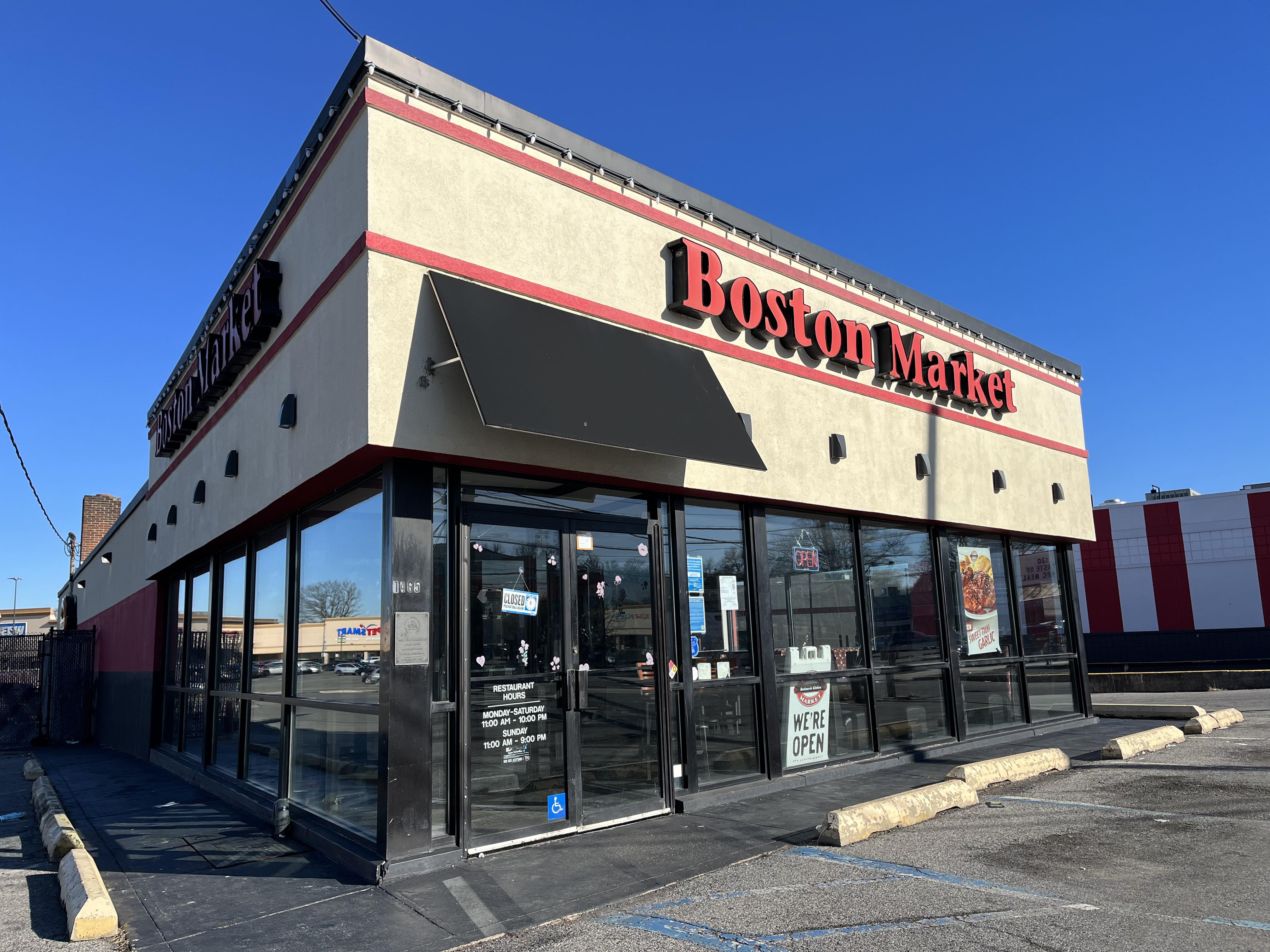
The Legacy and Future of Dining Experiences
While Boston Market’s footprint has significantly shrunk, its legacy is complex. It pioneered a segment of the market that offered an alternative to traditional fast food, providing convenience with a touch of homestyle cooking. For many, it represented a comforting and reliable dining option during road trips across America or a quick family dinner on a busy weeknight.
However, its closure in many areas marks a turning point, symbolizing the evolution of the American palate and the broader hospitality landscape. The space left by such chains is quickly filled by new concepts that are better attuned to current demands – from health-conscious eateries and ethnic food destinations to hyper-local farm-to-table restaurants and innovative ghost kitchens.
For the travel industry, this means an ongoing shift towards emphasizing unique culinary experiences as core attractions. Cities are increasingly marketing their food scenes as much as their landmarks or historical architecture. Hotels are investing more in diverse and high-quality on-site dining options, moving beyond generic room service. Tourism boards promote food festivals, cooking classes, and guided culinary tours, recognizing that food is a powerful gateway to understanding a place’s local culture.
The story of Boston Market is not merely about a restaurant chain failing; it’s a microcosm of the broader shifts in how we live, eat, and travel. It highlights the constant need for businesses in the hospitality sector to remain agile, customer-centric, and forward-thinking to thrive in an ever-changing world. For travelers, it encourages a continuous exploration of diverse culinary landscapes, making every meal an integral part of their journey.
LifeOutOfTheBox is a participant in the Amazon Services LLC Associates Program, an affiliate advertising program designed to provide a means for sites to earn advertising fees by advertising and linking to Amazon.com. Amazon, the Amazon logo, AmazonSupply, and the AmazonSupply logo are trademarks of Amazon.com, Inc. or its affiliates. As an Amazon Associate we earn affiliate commissions from qualifying purchases.