
Florida, often lauded as the Sunshine State and a premier global tourism destination, draws millions of visitors annually with its pristine beaches, world-class theme parks, and vibrant cities. For many international and domestic travelers, understanding the local laws and cultural nuances is an integral part of planning an enjoyable and trouble-free vacation. Among the questions frequently posed by those visiting or considering a trip to Florida is the legal status of recreational marijuana. The landscape surrounding cannabis legality in the United States is complex and ever-evolving, with significant variations from state to state. For tourists, navigating these differences is crucial to avoid unintended legal issues.
The Current Cannabis Climate for Tourists in the Sunshine State
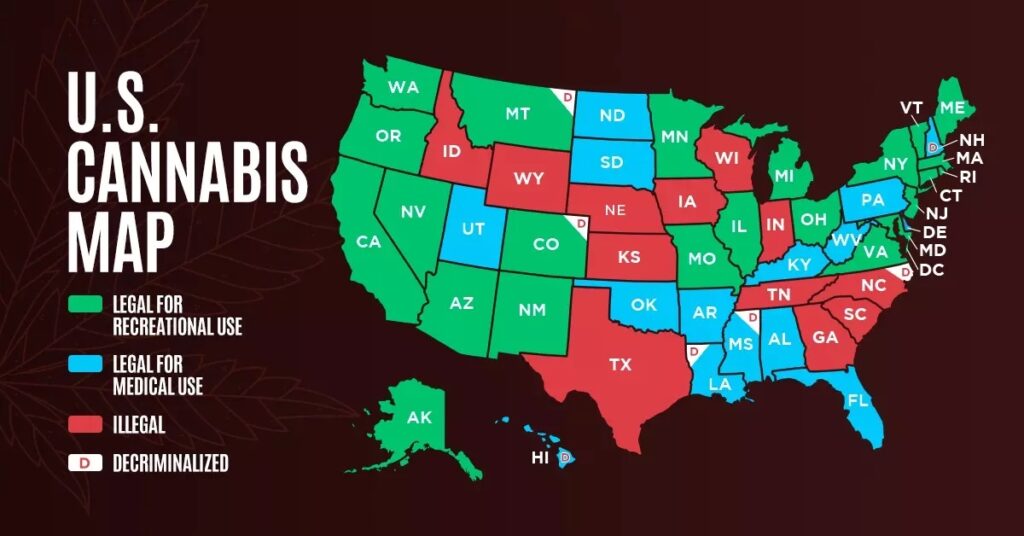
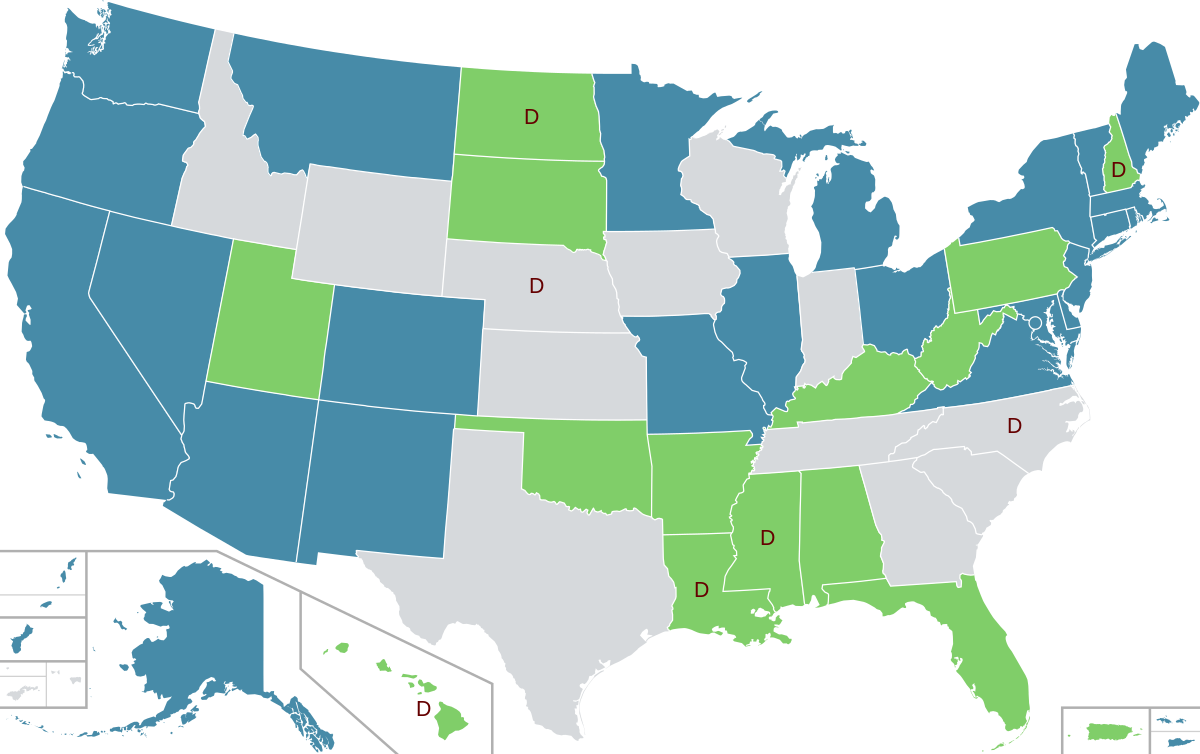
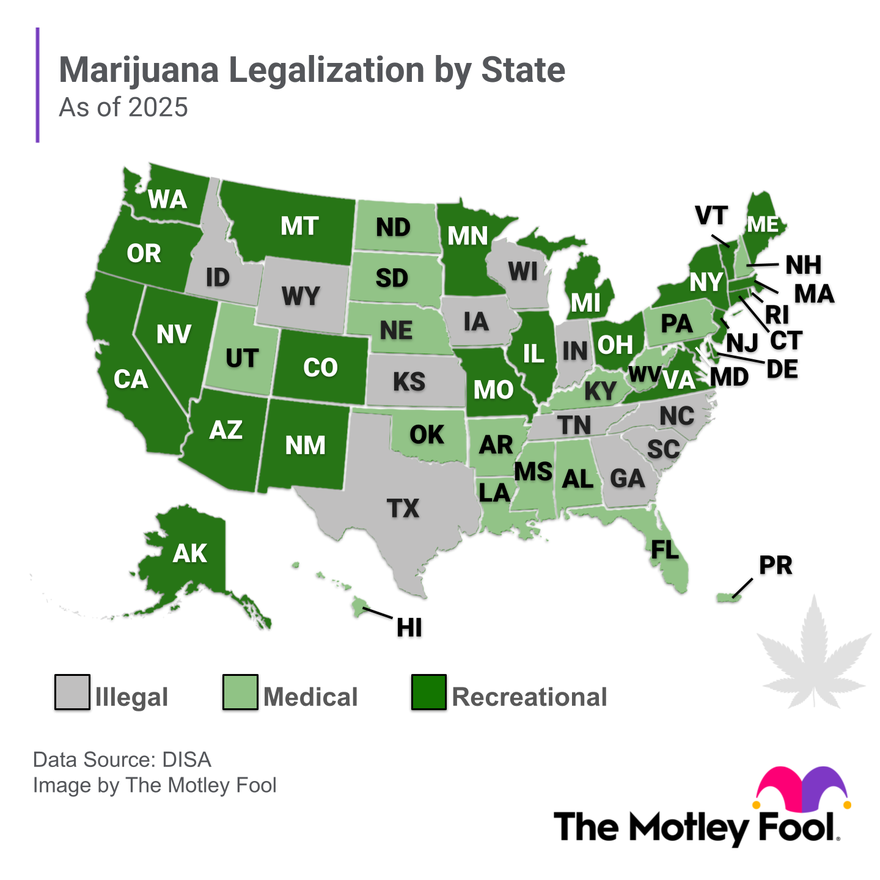
As of the current date, recreational marijuana remains illegal in the state of Florida. While many states across the U.S. have moved to legalize cannabis for adult recreational use, Florida has maintained a stricter stance, permitting only medical marijuana for qualifying patients. This distinction is paramount for tourists, as ignorance of the law is not a viable defense.
Possession, sale, or cultivation of marijuana for recreational purposes can lead to severe legal penalties under Florida state law. The severity of these penalties typically depends on the quantity of cannabis involved. Possession of 20 grams or less is considered a misdemeanor, potentially resulting in a year in jail and a $1,000 fine. Amounts exceeding 20 grams escalate quickly to felony charges, carrying significantly harsher sentences, including multi-year prison terms and substantial fines. It is also important to remember that, regardless of state laws, cannabis remains illegal at the federal level. This means that federal properties, such as national parks, airports, and federal courthouses, strictly prohibit marijuana, even for medical cardholders. For tourists, this federal prohibition particularly impacts air travel, making it illegal to transport cannabis across state lines or through airport security.
The implication for visitors to popular destinations like Orlando, Miami, Tampa, or Jacksonville is clear: engaging in recreational marijuana activities could quickly turn a dream vacation into a legal nightmare. Tourists should exercise extreme caution and assume that any recreational use or possession is prohibited and carries significant risks.
Navigating Medical Marijuana Access for Visitors
While recreational cannabis is off-limits, Florida does have a robust medical marijuana program. However, access for out-of-state visitors is considerably restricted compared to residents. The Florida medical marijuana program is managed by the Office of Medical Marijuana Use (OMMU) under the Department of Health.
Eligibility and Registration for Residents
For Florida residents, obtaining a medical marijuana card involves several steps:
- Being diagnosed with a qualifying medical condition by a certified Florida physician.
- Establishing a bona fide physician-patient relationship.
- Registering with the OMMU and receiving a state-issued Medical Marijuana Use Registry (MMUR) card.
Qualifying conditions typically include cancer, epilepsy, glaucoma, HIV/AIDS, PTSD, ALS, Crohn’s disease, Parkinson’s disease, multiple sclerosis, and other comparable debilitating conditions.
Out-of-State Patients and Reciprocity
This is where it becomes critical for tourists. Florida’s medical marijuana law does not currently provide for reciprocity with other states’ medical marijuana programs. This means that even if a visitor holds a valid medical marijuana card from another state, they are generally not permitted to purchase cannabis from a licensed dispensary in Florida. The law requires patients to be entered into the Florida Medical Marijuana Use Registry, which typically necessitates a diagnosis and recommendation from a Florida-licensed physician who has completed specific training.
While there have been legal challenges and discussions regarding expanding access, the current interpretation by the state limits medical cannabis access almost exclusively to Florida residents or seasonal residents who spend a significant portion of their year in the state and meet specific residency requirements. Therefore, for most tourists, purchasing or using medical marijuana in Florida through legal dispensaries is not an option. Attempting to use an out-of-state card to acquire cannabis could result in legal repercussions, as dispensaries are strictly regulated to verify patient eligibility within the Florida system.
Practical Tips for Responsible Tourism Regarding Cannabis in Florida
Given the current legal framework, tourists visiting Florida should adhere to stringent guidelines concerning cannabis to ensure a safe and enjoyable trip.
Adhering to Public Consumption Laws
Even for registered medical marijuana patients in Florida, strict rules apply regarding where cannabis can be consumed. Smoking medical marijuana in public places, including theme parks, beaches, restaurants, or hotel common areas, is prohibited. Use is generally restricted to private residences, and even then, landlords or hotel policies may have additional prohibitions. For tourists, this means even if they hypothetically had legal access (which, as established, is rare), public use would still be illegal. Penalties for public consumption can include fines and other legal consequences.
Understanding Travel and Transportation Rules
Transporting any form of marijuana, whether medical or recreational, across state lines is a federal offense, even if both the origin and destination states have legalized it. For those traveling within Florida as a valid medical patient, cannabis products must be transported in their original dispensary packaging and kept out of reach of the driver. However, for most tourists without a Florida medical card, transporting any amount of cannabis within the state poses a significant legal risk. Airport security (TSA) operates under federal law, meaning any cannabis discovered will be reported to local law enforcement, regardless of state legality.
The Importance of Due Diligence
Before traveling, visitors are strongly advised to check the most up-to-date cannabis laws in Florida. Laws can change rapidly, and staying informed is the best defense against inadvertent legal issues. Relying on information from other states or anecdotal experiences can be misleading and dangerous. If uncertain, it is always best to err on the side of caution and avoid any cannabis-related activities. Engaging in illicit purchases from unofficial sources is extremely risky, both from a legal standpoint and regarding product safety and quality.
The Path Ahead: Future of Recreational Cannabis in the Sunshine State
The legal status of recreational marijuana in Florida is not static. There have been significant efforts to bring recreational cannabis to a vote, indicating a growing public and political discourse on the issue.
Recent Legislative Efforts and Ballot Initiatives
In recent years, various initiatives have sought to place recreational marijuana legalization on the ballot for Florida voters. One notable effort, Amendment 3, aims to legalize adult-use cannabis in the state. If approved by the required 60% supermajority of voters, this amendment would allow individuals 21 and older to possess and use marijuana for non-medical purposes. It would also empower existing medical marijuana treatment centers to sell cannabis to adults. The proposed effective date for Amendment 3, if passed, would typically be a few months after the election, allowing time for regulatory frameworks to be established by the Florida Legislature and the Department of Health in Tallahassee.
These ballot initiatives reflect a broader national trend and a desire among a segment of the population, including potential tourists, for more permissive cannabis laws. The outcome of such votes could dramatically reshape the tourism landscape in Florida.
Potential Tourism Implications of Legalization
Should recreational marijuana be legalized in Florida, the tourism industry could experience significant shifts.
- New Niche Tourism: Florida could become a destination for “cannabis tourism,” attracting visitors specifically interested in legal recreational use, much like states such as Colorado or California. This could lead to the emergence of cannabis-friendly hotels, tours, and experiences.
- Economic Impact: Legalization could generate substantial tax revenue for the state and create new job opportunities within the cannabis industry, indirectly benefiting other sectors of the tourism economy.
- Revised Travel Planning: Tourists would need to understand new regulations regarding purchase limits, consumption locations, and transport. The availability of licensed dispensaries would become a factor in destination choice for some travelers.
- Challenges and Adaptation: The state and local municipalities would need to develop comprehensive regulations to manage public consumption, advertising, and sales, ensuring the change is integrated smoothly into Florida’s existing tourism infrastructure without compromising its family-friendly image.
If Amendment 3 or similar measures pass, tourists could expect to see licensed dispensaries selling recreational cannabis, potentially a broader range of products, and clearer guidelines on where and how it can be consumed. However, even with legalization, it is highly probable that public consumption in theme parks, beaches, and other family-oriented tourist attractions would remain prohibited. The focus would likely be on regulated, responsible adult use, mirroring policies in other recreational states.
Conclusion: Responsible Choices for a Great Florida Vacation
Currently, recreational marijuana is illegal in Florida, and tourists should proceed with extreme caution to avoid legal issues. Medical marijuana access is highly restricted to Florida residents or those who meet specific, stringent residency criteria, meaning it is largely inaccessible to typical visitors.
For anyone planning a trip to the Sunshine State, the safest and most recommended approach is to abstain from recreational cannabis use entirely. Focus on enjoying the myriad of legal activities and attractions that make Florida a world-renowned destination. Staying informed about the latest legal developments, especially concerning any future ballot initiatives like Amendment 3, is advisable for those considering future travel plans. For now, responsible tourism in Florida means respecting its current laws and enjoying the state’s offerings within the legal framework.
LifeOutOfTheBox is a participant in the Amazon Services LLC Associates Program, an affiliate advertising program designed to provide a means for sites to earn advertising fees by advertising and linking to Amazon.com. Amazon, the Amazon logo, AmazonSupply, and the AmazonSupply logo are trademarks of Amazon.com, Inc. or its affiliates. As an Amazon Associate we earn affiliate commissions from qualifying purchases.