
For many travelers contemplating a trip to the Sunshine State, the image of lurking reptiles often conjures thoughts of American Alligators basking in freshwater swamps. However, the question of saltwater crocodiles introduces a different, more elusive, and equally fascinating dimension to Florida‘s unique wildlife landscape. The definitive answer is yes, Florida is home to crocodiles, specifically the American Crocodile, an incredible species adapted to brackish and saltwater environments. Understanding their presence, habitats, and behavior is crucial for any discerning traveler keen on exploring Florida’s diverse ecosystems responsibly and safely.
The American Crocodile in Florida
Unlike their freshwater counterparts, the American Crocodile (Crocodylus acutus) is a rare and protected species primarily found in the tropical and subtropical regions of the Americas, with the northernmost extent of its range being South Florida. For travelers, this means encountering these magnificent reptiles is a distinct possibility, particularly when venturing into the state’s southern coastal areas, estuaries, and mangrove forests. Their adaptation to saltwater is a key differentiator, allowing them to thrive in environments where American Alligators generally cannot.
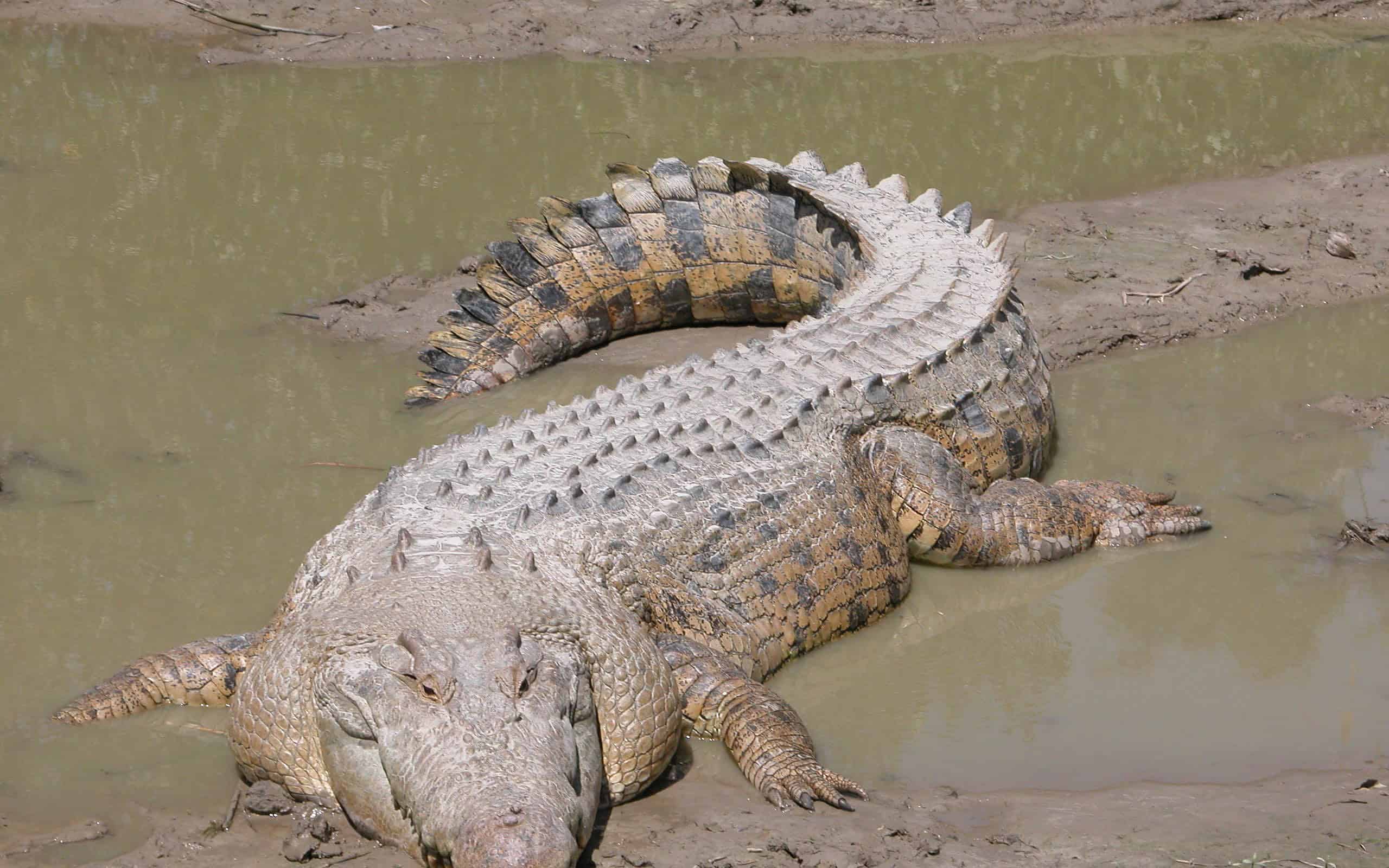
A Unique Florida Resident
The American Crocodile possesses specialized glands that allow it to excrete excess salt, making it perfectly suited for coastal living. While they can venture into freshwater, their preferred habitats are brackish estuaries, coastal lagoons, and the intertidal zones of barrier islands and keys. This preference defines the experience for travelers; instead of deep cypress swamps, one might spot a crocodile along a saltwater canal, near a marina, or gliding through the dense root systems of a mangrove forest. They are typically shyer and more reclusive than American Alligators, often preferring to avoid human interaction, which makes a sighting an even more special event for wildlife enthusiasts. Their sleek, grayish-green bodies and distinctive narrow snouts distinguish them visually, offering a unique photographic opportunity for those prepared to seek them out responsibly.
From Near Extinction to Conservation Success
The story of the American Crocodile in Florida is one of remarkable recovery and a testament to dedicated conservation efforts. In the 1970s, the species was on the brink of extinction in the United States, primarily due to habitat loss and historical hunting. Listed as federally endangered, extensive protection measures, habitat restoration projects, and public awareness campaigns have allowed their population to steadily rebound. Today, they are classified as a “threatened” species, signifying a positive shift in their status, though continued vigilance is essential.
For travelers, this conservation success story highlights the delicate balance of Florida’s ecosystems and the importance of responsible tourism. Visiting areas known for crocodile populations indirectly supports these efforts by drawing attention to the species and encouraging funding for their protection. It also means that guided tours and wildlife observation points are often managed with conservation in mind, providing an ethical way to experience these magnificent creatures in their natural habitat while minimizing disturbance. Travelers become part of the solution by adhering to guidelines and appreciating the intrinsic value of these ancient predators.
Where to Witness Crocodilians in Florida
For travelers seeking to observe the American Crocodile in its natural environment, specific regions of South Florida offer the best opportunities. These areas are characterized by their unique blend of freshwater, brackish, and saltwater habitats, which provide the ideal conditions for these elusive reptiles. Unlike the widespread presence of American Alligators throughout the state, crocodile sightings are geographically concentrated, making targeted travel planning beneficial.
The Iconic Everglades National Park
No discussion of Florida’s crocodilians would be complete without mentioning Everglades National Park. This vast wetland wilderness, a UNESCO World Heritage Site, is one of the most reliable places to spot American Crocodiles. While the park is famous for its American Alligator population, the saline and brackish waters of its southern reaches, particularly around the Flamingo visitor center area and the Florida Bay coastline, are prime crocodile territory.
Travelers visiting Everglades National Park can explore numerous trails, boardwalks, and boat tours that offer glimpses into these habitats. The Nine Mile Pond Canoe Trail and Mahogany Hammock Trail provide opportunities for quiet observation, while guided boat tours through the estuaries offer a wider scope. It’s not uncommon for park rangers and experienced naturalists to point out the subtle differences between crocodiles and American Alligators for interested visitors, enhancing the educational aspect of the trip. The best times for viewing are typically during the cooler, drier winter months when water levels are lower, concentrating wildlife.
South Florida’s Coastal Sanctuaries
Beyond the Everglades, other specific coastal areas in South Florida also serve as important crocodile habitats. Biscayne National Park, which primarily protects the waters and islands of Biscayne Bay, is another key location. Its extensive mangrove shorelines and shallow, brackish waters provide excellent habitat for crocodiles. Access to this park often involves boating or kayaking, allowing for intimate encounters with the coastal ecosystem.
A particularly unique and successful American Crocodile sanctuary can be found near the Turkey Point Clean Energy Center in Miami-Dade County. The cooling canals of the power plant provide an artificial, yet highly effective, habitat that has significantly contributed to the species’ recovery. While public access to the immediate vicinity of the power plant’s canals is restricted for safety reasons, the surrounding areas, including the adjacent Biscayne Bay and canals near Homestead, still benefit from this thriving population. These less-traveled areas sometimes offer unexpected wildlife sightings for intrepid explorers.
The Florida Keys and Mangrove Estuaries
Further south, The Florida Keys also host a significant crocodile population, particularly in the upper keys like Key Largo. The vast networks of mangrove estuaries and tidal creeks create ideal conditions for these reptiles to hunt and bask. Travelers exploring the quieter, less developed areas of the keys, such as those found within the National Key Deer Refuge or along the remote channels of the Everglades interface, may be fortunate enough to spot an American Crocodile.
Kayaking or paddleboarding through these serene mangrove tunnels offers an immersive experience, albeit one that requires heightened awareness. Respecting posted signs, maintaining a safe distance, and never feeding wildlife are paramount. These locations offer a distinctive travel experience, combining the allure of Florida’s tropical islands with the thrill of potentially encountering one of its most ancient and critically important inhabitants.
Differentiating Between Crocodiles and Alligators for Travelers

For travelers venturing into Florida’s wild spaces, the ability to distinguish between an American Crocodile and an American Alligator is not merely a matter of academic interest but a practical skill that enhances safety and appreciation for the distinct ecologies. While both are large, formidable reptiles belonging to the order Crocodilia, they possess several key differences that are discernible upon close observation.
Visual Cues: Snout, Teeth, and Color
The most apparent distinction lies in their snout shape. American Alligators have a broad, U-shaped snout, ideal for crushing the shells of turtles and other prey found in freshwater. American Crocodiles, conversely, possess a more pointed, V-shaped snout, better adapted for catching fish and other aquatic animals in their marine environments.
Another telling feature is the visibility of their teeth. When an American Alligator closes its mouth, only the upper teeth are visible, fitting neatly over the lower jaw. However, with an American Crocodile, the fourth tooth on the lower jaw remains visible even when its mouth is shut, protruding prominently. This unique dental arrangement is a clear identifier.
In terms of coloration, American Alligators are typically darker, often a dull black or dark gray, which helps them absorb heat in cooler freshwater habitats. American Crocodiles tend to be lighter, appearing grayish-green or tan, allowing them to blend seamlessly with the sandy shores and brackish waters of their coastal homes. Their skin texture can also vary, with crocodiles often having a more rough, textured hide compared to the smoother skin of American Alligators.
Habitat Distinctions
As noted, the primary habitat preference is a crucial distinguishing factor. American Alligators overwhelmingly favor freshwater environments such as lakes, ponds, rivers, and swamps, though they can tolerate brackish water for short periods. American Crocodiles, however, are specifically adapted to saltwater and brackish habitats. This physiological adaptation means that if a large crocodilian is spotted in the ocean, a coastal estuary, or a saltwater canal, it is almost certainly an American Crocodile. This geographical understanding is perhaps the most reliable initial clue for travelers.
Behavioral Insights
While generalizations can be risky with wild animals, subtle behavioral patterns can also provide hints. American Alligators are generally more common and can often be seen basking openly along the edges of freshwater bodies in state parks and natural areas. They might appear more tolerant of human presence from a distance, due to frequent exposure in popular tourist spots. American Crocodiles, being a rarer and more threatened species, tend to be shyer and more reclusive. They are less frequently seen in highly trafficked areas and are more likely to retreat when approached. Their elusive nature makes a sighting a truly special event for travelers, emphasizing the importance of quiet observation and minimal disturbance.
Understanding these distinctions not only enriches the wildlife viewing experience but also reinforces the importance of knowing which species you are observing to best appreciate its unique adaptations and role within Florida’s diverse ecosystems.
Essential Safety for Florida Travelers in Wildlife Areas
Encountering wildlife, especially large predators like crocodilians, is an exciting part of traveling through Florida’s natural landscapes. However, these encounters also necessitate a strong emphasis on safety and responsible behavior. For both American Alligators and the rarer American Crocodile, respect for their wild nature and adherence to established guidelines are paramount for ensuring both visitor safety and wildlife well-being.
Observing Wildlife Responsibly
The golden rule for all wildlife viewing is to maintain a safe and respectful distance. Crocodilians, by their nature, are apex predators, and while American Crocodiles are generally more timid than American Alligators, any large reptile can be unpredictable, especially if provoked or feeling threatened. Most experts recommend keeping a distance of at least 15-20 feet (5-6 meters) from any crocodilian. Binoculars or a telephoto lens are your best tools for close-up views.
Never feed wild animals. This cannot be stressed enough. Feeding wildlife, whether intentionally or accidentally, habituates them to humans, causing them to associate people with food. This leads to bolder behavior, which can be dangerous for both the animals and future visitors. It’s illegal in Florida to feed alligators and crocodiles, and penalties are significant. Also, avoid disposing of food scraps near water bodies, as this can attract wildlife.
Minimizing Risks
When exploring areas known to harbor crocodilians, stay on marked trails and boardwalks. These paths are designed to keep visitors safe and minimize disturbance to sensitive habitats. Avoid wandering off into dense vegetation or near the water’s edge, particularly at dawn, dusk, or night when crocodilians are most active.
Do not swim or allow pets to swim in areas where crocodilians are known to be present, especially in murky waters. The low profile of a swimming animal can easily be mistaken for prey. Always heed warning signs posted by park authorities or local municipalities. These signs are there for your protection and provide current information about wildlife activity.
Supervise children closely at all times when near water bodies in Florida. Their smaller size and unpredictable movements can inadvertently attract the attention of a curious or hungry reptile. Never leave children unattended near any water where alligators or crocodiles might reside.

Supporting Florida’s Wildlife Protection
As a traveler, your actions can also contribute to the long-term protection of these magnificent creatures. By choosing reputable tour operators who prioritize ethical wildlife viewing and conservation, you support responsible tourism. Reporting nuisance or dangerous crocodilian behavior to park rangers or the Florida Fish and Wildlife Conservation Commission (FWC) ensures that experts can assess the situation and take appropriate action. Understanding and respecting the natural behavior of Florida’s crocodilians not only guarantees a safer and more enriching travel experience but also plays a vital role in the ongoing success of their conservation. Your visit can be a testament to how humans and wildlife can coexist, allowing these ancient reptiles to thrive for future generations of travelers to admire.
LifeOutOfTheBox is a participant in the Amazon Services LLC Associates Program, an affiliate advertising program designed to provide a means for sites to earn advertising fees by advertising and linking to Amazon.com. Amazon, the Amazon logo, AmazonSupply, and the AmazonSupply logo are trademarks of Amazon.com, Inc. or its affiliates. As an Amazon Associate we earn affiliate commissions from qualifying purchases.