
The question of whether Colorado leans Democratic is more than a simple political query; it delves into the very fabric of the state’s lifestyle, influencing everything from urban development and environmental policies to its cultural identity and recreational opportunities. For those considering a visit or a relocation, understanding the prevailing socio-political landscape of Colorado offers profound insights into the daily life, values, and experiences one can expect. While the state’s political identity has evolved significantly over the decades, its current leanings demonstrably shape the unique lifestyle that attracts millions.
The Evolving Political Landscape and Its Lifestyle Implications
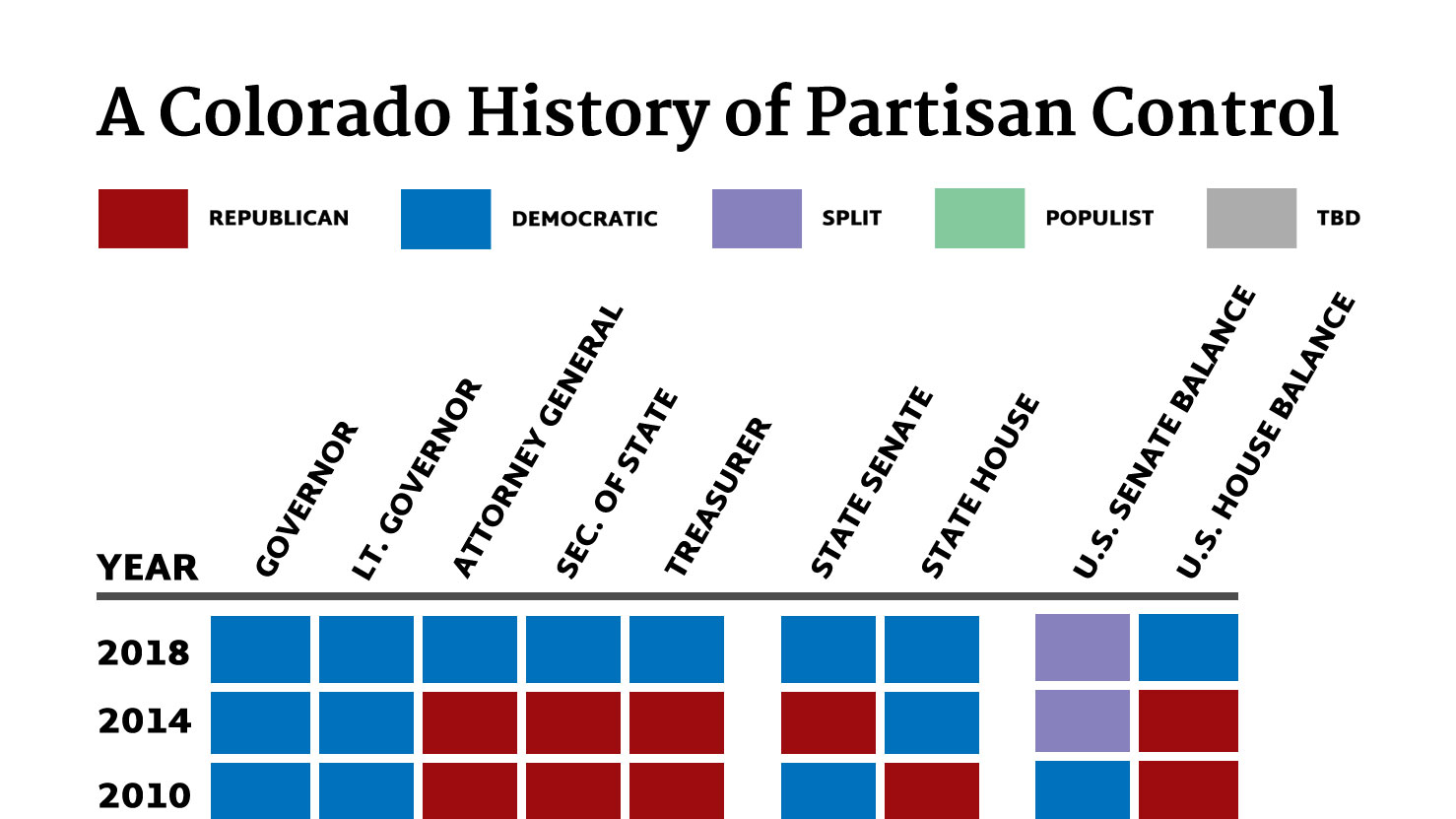
Historically, Colorado was considered a swing state, with a balanced electorate that often mirrored national trends. However, in recent decades, particularly since the early 2000s, there has been a noticeable shift towards the Democratic Party. This transformation is not merely about election results; it reflects demographic changes, evolving urban centers, and a growing emphasis on specific values that resonate with a more progressive populace. The influx of new residents, often from more liberal coastal states, has contributed to this shift, bringing with them diverse perspectives and a demand for certain lifestyle amenities and policies.
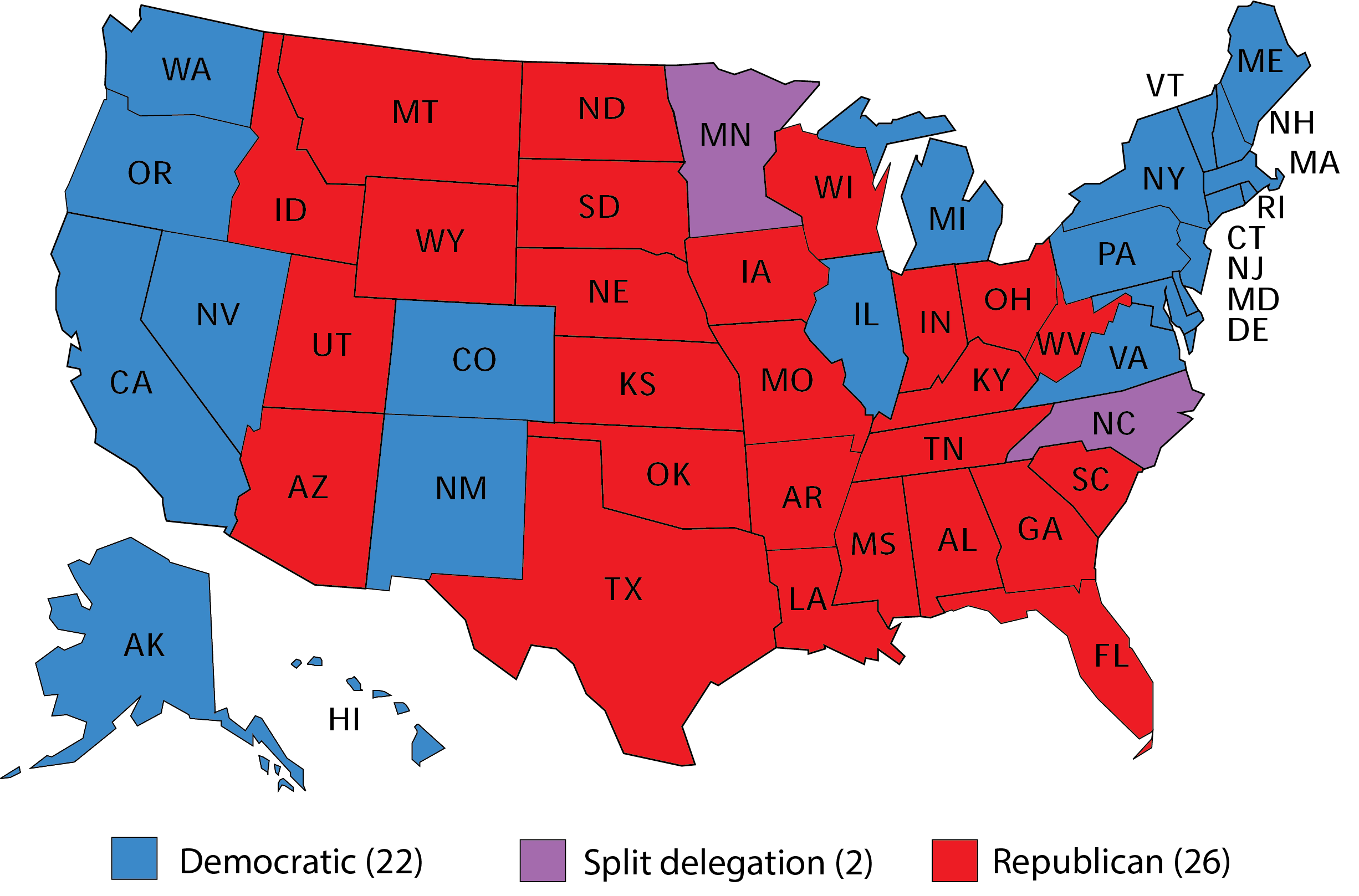
This political evolution has profound impacts on the lifestyle encountered across the state. In metropolitan areas like Denver, Boulder, and Fort Collins, the Democratic majority often translates into policies supporting public transportation initiatives, renewable energy investments, and robust social programs. These policies, in turn, shape the urban lifestyle: the prevalence of bike lanes, the growth of farm-to-table dining, and the emphasis on community spaces all reflect a progressive agenda. For a visitor, this means encountering vibrant, often walkable cities with a focus on sustainability and inclusivity. For residents, it defines the quality of public services and the overall civic atmosphere.
Demographic Shifts and Urban Growth
The urban corridors, particularly along the Front Range, have been the primary drivers of Colorado’s leftward trend. Cities like Denver have experienced explosive growth, attracting younger, more diverse, and often more liberal populations seeking opportunities in burgeoning tech, cannabis, and outdoor recreation industries. This demographic influx has solidified the Democratic base in these regions. In contrast, more rural and eastern parts of the state often retain a more conservative political identity, creating a fascinating juxtaposition of lifestyles within the same state. This urban-rural divide is a critical factor in understanding the diverse experiences Colorado offers.
Progressive Policies and Their Tangible Lifestyle Effects
One of the most direct manifestations of Colorado’s Democratic leanings is its embrace of progressive policies that directly impact daily life and visitor experiences. The state has been at the forefront of several key legislative changes, which have shaped its modern identity and lifestyle.
Environmental Stewardship and Outdoor Recreation
Colorado’s strong commitment to environmental protection and open space preservation is deeply rooted in its Democratic governance. Policies promoting renewable energy, curbing emissions, and funding conservation efforts are paramount. This translates into a lifestyle that cherishes the outdoors: vast networks of state parks and open spaces, protected wilderness areas within the Rocky Mountains, and a strong emphasis on sustainable practices in popular tourist destinations. For outdoor enthusiasts, this means well-maintained trails for hiking and biking, pristine ski resorts like Vail and Aspen, and efforts to preserve the natural beauty of areas like Rocky Mountain National Park. The state’s dedication to preserving its natural assets directly enhances the quality of life for residents and the attractiveness of the state for tourists seeking an active, nature-centric lifestyle.
Social Progress and Economic Innovation
Colorado has also been a pioneer in social policy, notably being one of the first states to legalize recreational cannabis, a move driven by a voter base increasingly comfortable with progressive social reforms. This policy has not only generated significant tax revenue but has also fostered a unique industry and culture around cannabis, influencing everything from tourism to local commerce. Beyond cannabis, the state has adopted progressive stances on LGBTQ+ rights, reproductive healthcare, and workers’ rights, creating an inclusive atmosphere that aligns with a more liberal lifestyle.
Economically, Democratic governance has often focused on diversifying the state’s economy beyond traditional industries, fostering growth in technology, aerospace, and renewable energy sectors. This focus on innovation and future-oriented industries contributes to a dynamic and forward-thinking lifestyle, particularly in urban centers where these sectors thrive. The emphasis on higher education, with institutions like the University of Colorado Boulder becoming hubs for research and development, further supports this progressive economic and intellectual environment.
Urban vs. Rural: A Spectrum of Lifestyles
While Colorado as a whole may lean Democratic, it is crucial to recognize the significant lifestyle differences between its urban and rural areas, which often reflect differing political perspectives.
The Urban Progressive Hubs
Cities like Denver, Boulder, and Fort Collins are quintessential examples of modern, progressive urban lifestyles. Here, residents prioritize walkable neighborhoods, diverse culinary scenes, access to cultural institutions, and robust public services. The emphasis is often on sustainability, community engagement, and a generally tolerant and inclusive social environment. These cities are magnets for young professionals, artists, and families seeking a vibrant, amenity-rich lifestyle with easy access to outdoor adventure. The progressive policies enacted at the state level often find their strongest expression and most visible impact within these urban centers. For travelers, these areas offer a wide array of craft breweries, vibrant art districts, and a palpable sense of modern Western culture.
The Conservative Undercurrents in Rural Colorado
Moving away from the Front Range to the eastern plains or the more remote parts of the Western Slope, the political and lifestyle landscape shifts significantly. Areas like Colorado Springs, while a large city, historically maintains a more conservative political leaning due to its strong military presence and evangelical population. Further into rural Colorado, towns like Greeley or Grand Junction often exhibit a more traditional, agricultural, or resource-based lifestyle. Here, values tend to be more conservative, with a focus on self-reliance, community traditions, and often a skepticism towards urban-centric progressive policies. The pace of life is slower, the emphasis is on local economies, and the political discourse can be starkly different from that of Denver or Boulder. For visitors, this translates into an experience of authentic small-town America, with rodeo events, agricultural fairs, and a strong sense of local heritage.
Cultural Vibrancy and Diverse Perspectives
The state’s political leanings also foster a specific cultural vibrancy. In Democratic-leaning areas, there is a palpable appreciation for arts, culture, and diverse perspectives. Music venues, independent bookstores, and a thriving local arts scene are hallmarks of cities like Denver and Boulder. This is fueled by a population that often values creative expression, intellectual discourse, and social engagement. The state’s commitment to education and public funding for cultural institutions further bolsters this aspect of Colorado’s lifestyle.
The presence of renowned ski resorts like Breckenridge, Winter Park, and Aspen also contributes to a sophisticated, yet active, mountain lifestyle often associated with a certain liberal demographic. These areas attract a diverse mix of seasonal residents and tourists who appreciate high-end amenities alongside pristine natural environments, often aligning with environmental stewardship values championed by progressive policies. The blend of adventure, luxury, and environmental consciousness defines a significant part of the Colorado lifestyle.
In conclusion, while one must acknowledge the nuances and regional variations, Colorado has undeniably transitioned into a state with a pronounced Democratic lean. This political identity is not just a label but a foundational element shaping the state’s lifestyle. From its progressive environmental policies and innovative economic initiatives to its vibrant urban culture and inclusive social atmosphere, Colorado’s political character deeply influences the quality of life for its residents and the unique experiences available to its visitors. Understanding this dynamic is key to fully appreciating the modern Centennial State.
LifeOutOfTheBox is a participant in the Amazon Services LLC Associates Program, an affiliate advertising program designed to provide a means for sites to earn advertising fees by advertising and linking to Amazon.com. Amazon, the Amazon logo, AmazonSupply, and the AmazonSupply logo are trademarks of Amazon.com, Inc. or its affiliates. As an Amazon Associate we earn affiliate commissions from qualifying purchases.