
Florida, widely known as the Sunshine State, conjures images of pristine beaches, swaying palm trees, and an endless summer. Travelers often flock to its shores seeking an escape from colder climates, expecting sun-drenched days and balmy evenings. The idea of snow gracing this subtropical paradise seems almost contradictory to its very identity. Yet, the question persists: Does Florida have snow? The straightforward answer is almost never, and when it does occur, it is an exceedingly rare, brief, and often non-accumulating phenomenon. For anyone planning a trip, understanding Florida’s true climate is crucial for setting expectations and packing appropriately.

The Sunshine State’s Climate Reality
Florida’s geographical location, largely surrounded by the warm waters of the Gulf of Mexico and the Atlantic Ocean, dictates its unique climate. The state primarily experiences a humid subtropical climate in its northern and central regions, transitioning to a tropical climate in South Florida, including the Florida Keys. This means hot, humid summers and mild, often dry winters are the norm.
The conditions required for snow – temperatures consistently at or below freezing throughout the atmospheric column, coupled with sufficient moisture – are rarely met simultaneously in Florida. While cold fronts do sweep through, particularly during the winter months, they typically bring temperatures that dip only slightly below freezing for a few hours, usually overnight. Moreover, these cold fronts often usher in dry air, which further diminishes the chances of precipitation, let alone snowfall. Travelers venturing to Florida from colder regions can confidently leave their heavy winter coats and snow boots at home, opting instead for swimwear, light layers, and sunglasses. The state’s appeal lies precisely in its reliable warmth, offering a consistent antidote to winter’s chill.
Rare Occurrences: A Historical Glimpse of Florida Snow
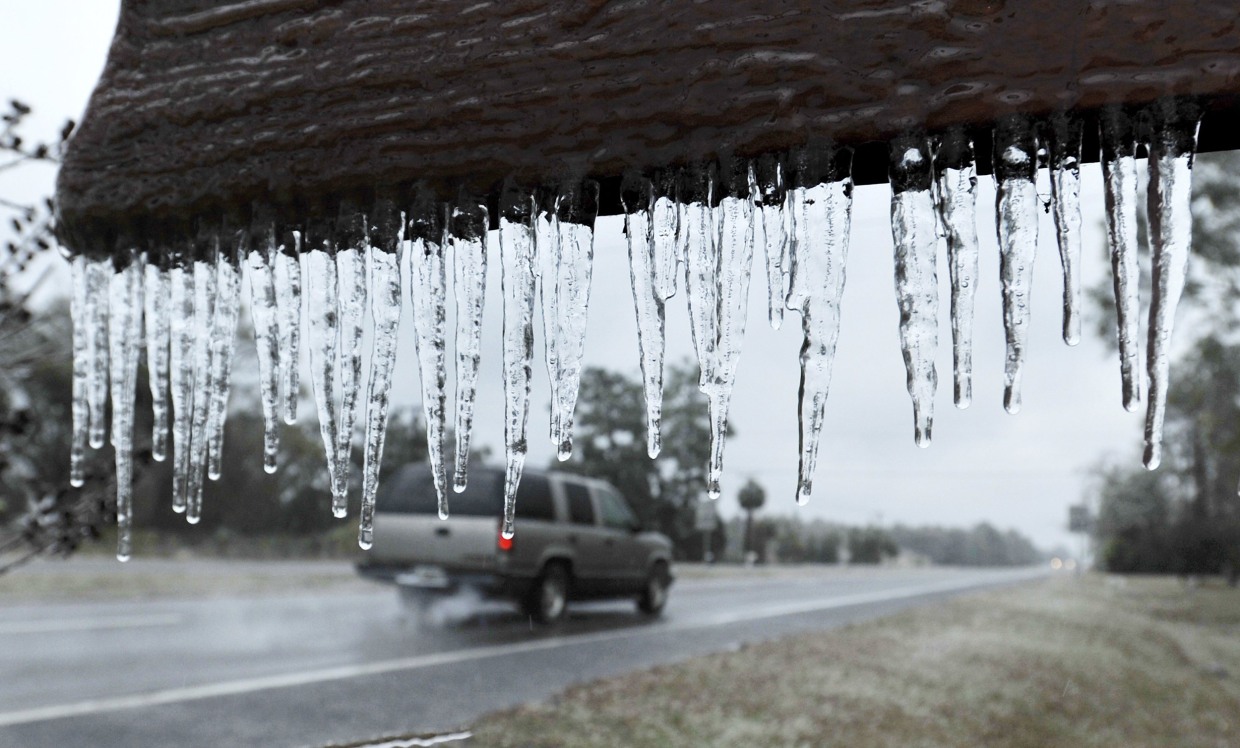
Despite its reputation, Florida has indeed seen snow, albeit on exceptionally rare occasions and mostly in its northernmost counties. These events are so infrequent and often so minor that they become local legends rather than common weather patterns. When snow does fall, it’s typically in the form of light flurries that melt upon contact with the ground or within minutes of falling, rarely accumulating.
One of the most notable snow events in Florida’s modern history occurred on January 19, 1977. This was an unprecedented day for many Floridians, as snow fell as far south as Miami, making it the only time measurable snow has been recorded in the city. Though it barely dusted the ground and quickly melted, it was a significant enough event to be etched into the collective memory of the state. Further north, cities like Jacksonville saw slightly more accumulation during the same period.
Another instance of widespread snow affecting northern and Central Florida happened in December 1989. A strong arctic cold front brought freezing temperatures and enough moisture to produce snow flurries across much of the state. Jacksonville and areas of the Florida Panhandle even saw some accumulation, leading to temporary closures and widespread excitement. More recently, in January 2018, another cold snap brought snow flurries to parts of North Florida, including Tallahassee, which saw up to an inch of snow accumulation, causing temporary disruptions.
These historical anomalies serve to underscore just how extraordinary such events are. They are typically short-lived, localized, and the result of a very specific and unusual combination of cold air, low pressure, and moisture—conditions that are far from common in the Sunshine State. For travelers, these events are fascinating historical footnotes, not something to anticipate or plan around when visiting.
What Travelers Can Expect Instead: Florida’s True Winter Appeal

Rather than snow, what travelers to Florida can genuinely expect during the winter months (roughly December through February) is an idyllic escape. This period is often considered the peak season for tourism due to its exceptionally pleasant weather.
Unrivaled Outdoor Activities
The cooler, drier air of Florida’s winter transforms the state into a haven for outdoor enthusiasts.
- Beach Days: While water temperatures might be a bit brisk for some during the coldest stretches, sunny days still invite lounging, sunbathing, and beach walks along the shores of Clearwater Beach, South Beach Miami, or Siesta Key.
- Theme Park Adventures: Winter is arguably the best time to visit Orlando’s world-famous theme parks, such as Walt Disney World Resort and Universal Orlando Resort. The milder temperatures mean more comfortable walking, shorter lines (though still significant during holiday periods), and less risk of heat-related exhaustion.
- Golf and Tennis: Florida boasts thousands of golf courses and numerous tennis facilities. The winter weather provides perfect conditions for a round of golf in Ponte Vedra Beach or a tennis match in Sarasota.
- Nature Exploration: Wildlife viewing thrives in the winter. Manatees congregate in warmer spring waters, visible at places like Blue Spring State Park. Birds migrate south, making the Everglades National Park or Ding Darling National Wildlife Refuge prime spots for birdwatching. Hiking and cycling are also much more enjoyable without the oppressive summer humidity.
Pleasant Temperatures and Lower Humidity
Unlike the often stifling humidity of summer, Florida’s winter brings significantly lower humidity levels. This makes the moderate temperatures feel even more pleasant, creating ideal conditions for exploring cities like St. Petersburg and Tampa, or enjoying outdoor dining in Fort Lauderdale. Days are typically sunny with highs ranging from the 60s to 70s Fahrenheit (15-25°C) in North Florida and well into the 70s and 80s Fahrenheit (20-30°C) in South Florida. Evenings can cool down, especially in the northern parts of the state, but rarely to freezing.
Planning Your Florida Trip: Essential Packing & Seasonal Tips
Successfully planning a trip to Florida, particularly during the cooler months, means understanding its nuanced climate. Forget the thought of snow and embrace the warmth.
Packing for Florida’s “Winter”
Your packing list should reflect the consistently mild to warm weather.
- Light Layers: Essential for adapting to temperature fluctuations between day and night, or indoors and outdoors. Think t-shirts, shorts, skirts, and light dresses for daytime.
- Swimwear: A must-have for the beaches, pools, and water parks that operate year-round.
- Sun Protection: Sunscreen, hats, and sunglasses are non-negotiable, as the Florida sun remains strong even in winter.
- A Light Jacket or Sweater: For cooler evenings, especially in North and Central Florida, or during a rare cold snap. A windbreaker can also be useful near the coast.
- Comfortable Walking Shoes: Indispensable for exploring theme parks, nature trails, and cityscapes.
Best Time to Visit
For those seeking an escape from extreme cold, the period from late fall (November) through late spring (May) offers the most agreeable weather. During these months, the humidity is lower, and temperatures are comfortably warm without being scorching hot. This window also largely avoids the peak of hurricane season, which runs from June to November. While popular, early winter (December-January) can see a surge in visitors due to holiday travel, so booking accommodations and attractions in advance is advisable.
Dealing with Cold Snaps
While rare, brief cold snaps can occur, particularly in January and February. Temperatures might drop into the 40s or 50s Fahrenheit (4-15°C) during the day, and occasionally below freezing overnight in northern areas. These events are usually short-lived, lasting only a few days. Having a light jacket or sweater ensures comfort during these cooler periods, allowing you to continue enjoying outdoor activities.
Hurricane Season Considerations
It is important to remember that while snow is not a concern, Florida’s climate does present other considerations. Hurricane season runs from June 1st to November 30th. Travelers planning visits during this period should stay informed about weather forecasts and consider travel insurance. However, the mild winter months offer a safe haven from these concerns, further cementing their status as the prime travel window.
Embracing the Unique Florida Experience
Ultimately, the allure of Florida for travelers is its consistent warmth, vibrant ecosystems, and world-class attractions—none of which are reliant on snowfall. The question “Does Florida have snow?” serves as a reminder of the stark climatic contrast between the Sunshine State and many other parts of the world.
Travelers come to Florida for its abundant sunshine, its miles of sandy beaches, the unique wildlife of the Everglades, the magic of its theme parks, and the cultural richness of its coastal cities. They come to shed winter layers and bask in the subtropical glow. From the historic charm of St. Augustine to the futuristic marvels at the Kennedy Space Center Visitor Complex, Florida’s true appeal lies in its reliable warmth and diverse experiences, making it a perennial favorite for those seeking a sunny escape.
LifeOutOfTheBox is a participant in the Amazon Services LLC Associates Program, an affiliate advertising program designed to provide a means for sites to earn advertising fees by advertising and linking to Amazon.com. Amazon, the Amazon logo, AmazonSupply, and the AmazonSupply logo are trademarks of Amazon.com, Inc. or its affiliates. As an Amazon Associate we earn affiliate commissions from qualifying purchases.