
Navigating the legal landscape of driving in any state can feel like deciphering a complex map. For those planning a trip, a move, or simply a road adventure through the vast expanses of Texas, understanding essential requirements is paramount. Among the most critical is the necessity of car insurance. This guide delves into the specifics of Texas’s car insurance laws, ensuring you’re fully informed before hitting the road in the Lone Star State.
Texas’s Minimum Liability Insurance Requirements
At the heart of Texas’s auto insurance mandate lies the concept of liability insurance. This type of coverage is designed to protect others on the road, covering damages or injuries you might cause in an at-fault accident. Texas law dictates minimum coverage levels that every driver must maintain. These are commonly expressed as a three-number policy:
Understanding the 30/60/25 Rule
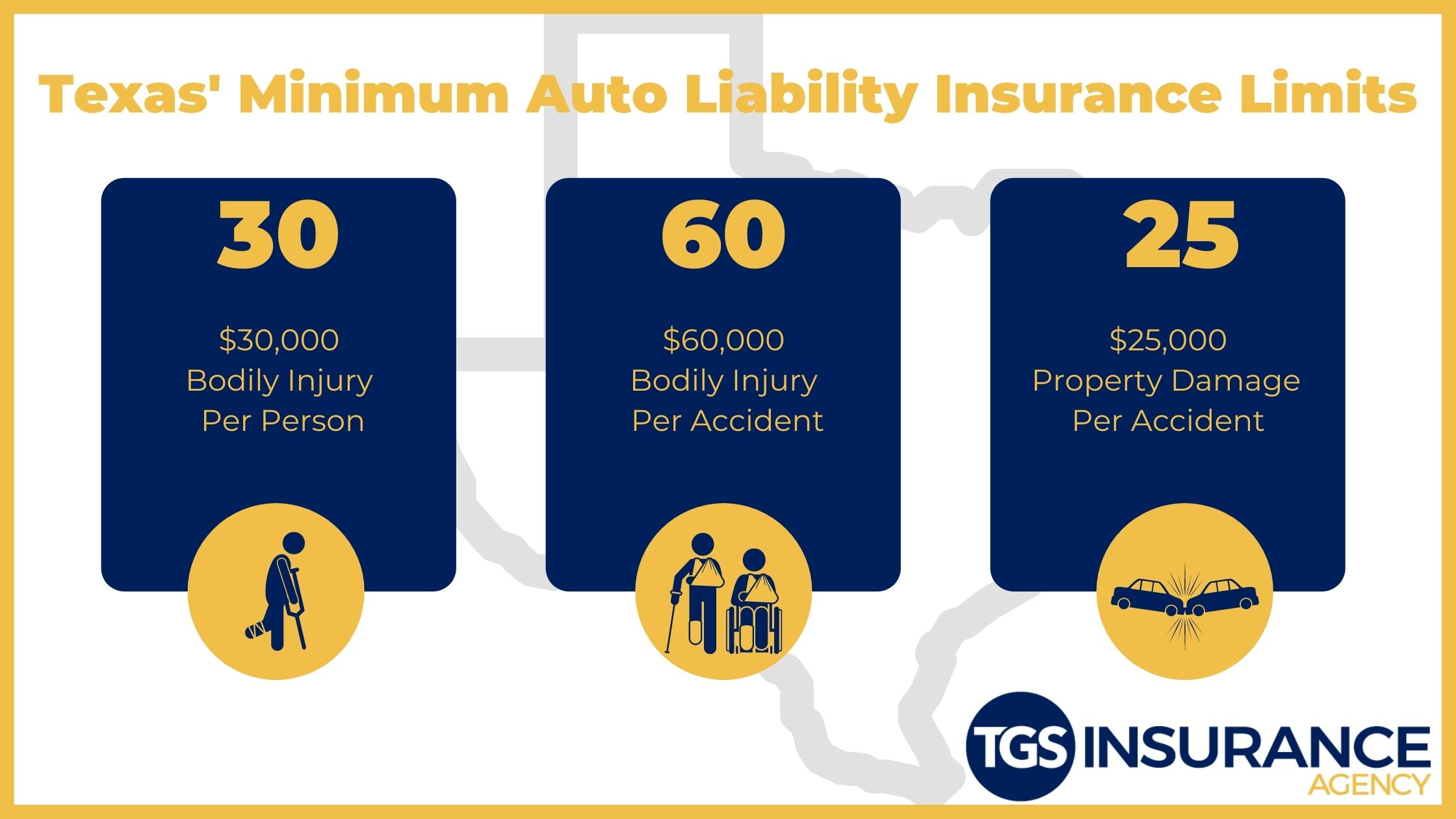
The standard minimum liability coverage in Texas is often referred to as the “30/60/25” rule. Let’s break down what each of these figures represents:
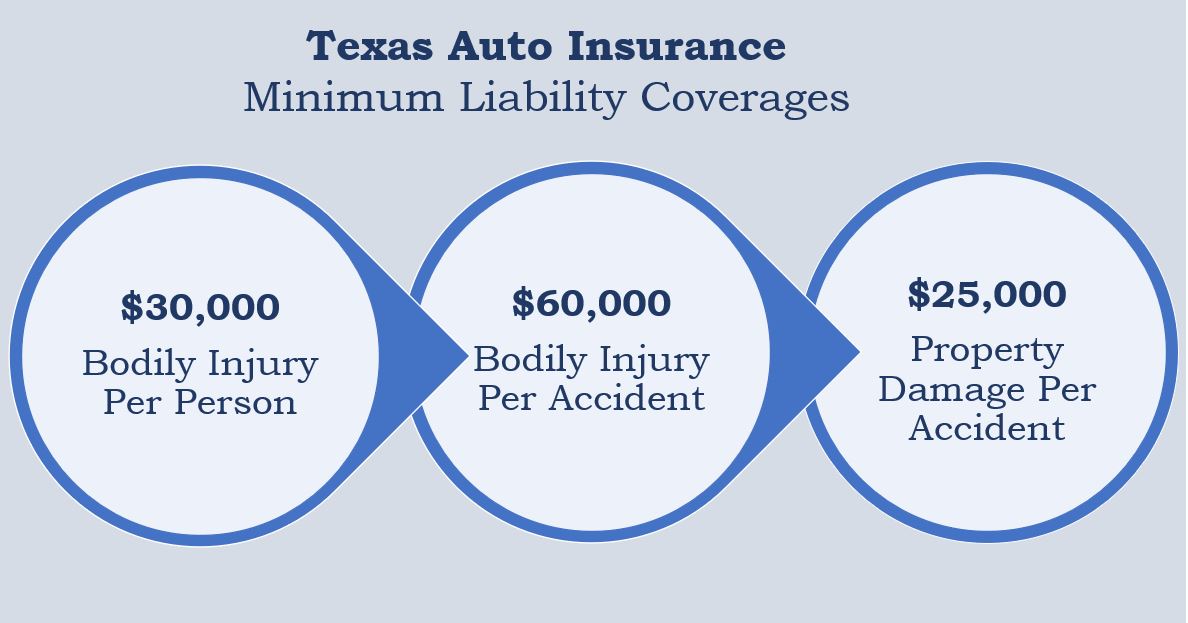
- $30,000 of bodily injury liability per person: This is the maximum amount your insurance company will pay for medical expenses or lost wages for any single person injured in an accident where you are at fault.
- $60,000 of bodily injury liability per accident: This is the maximum your insurance company will pay for all bodily injuries to all people injured in an accident where you are at fault. If multiple people are injured, this is the total limit for all of them combined.
- $25,000 of property damage liability per accident: This is the maximum your insurance company will pay to repair or replace property damaged in an accident where you are at fault. This typically includes damage to other vehicles, but can also extend to other property like fences, buildings, or utility poles.
These are the baseline legal requirements. Driving without at least this level of coverage is a violation of Texas law and can lead to significant penalties.
Proof of Financial Responsibility
Beyond simply carrying the minimum insurance, Texas law also requires drivers to prove they have financial responsibility. This means you must be able to cover the costs associated with a car accident. The most common and straightforward way to meet this requirement is by maintaining the aforementioned minimum liability insurance policy. However, other methods exist, though they are less common for the average driver:
- Cash or surety bond: You can deposit $55,000 with the comptroller of public accounts.
- Securities deposit: You can deposit $55,000 worth of securities.
- Self-insurance: If you own a fleet of 25 or more vehicles, you may apply to the Texas Department of Insurance to be recognized as a self-insured entity.
For the vast majority of individuals operating a personal vehicle, an active insurance policy fulfilling the 30/60/25 requirements is the practical and legal path to demonstrating financial responsibility.
Penalties for Driving Without Insurance in Texas
Failing to meet Texas’s mandatory insurance laws carries serious consequences. Law enforcement officers can issue citations during traffic stops if proof of insurance is not presented. The penalties escalate with subsequent offenses:
First Offense Penalties
- Fines: A fine typically ranging from $150 to $350.
- Surcharges: An additional surcharge of $250 per year for three years added to your auto insurance premiums by the state.
- Vehicle Impoundment: In some cases, your vehicle may be impounded.
Subsequent Offenses Penalties
- Fines: Fines can range from $350 to $1,000.
- Surcharges: The annual surcharge of $250 per year for three years continues.
- Driver’s License Suspension: Your Texas driver’s license can be suspended.
- Vehicle Registration Suspension: Your vehicle registration can also be suspended.
Beyond these legal penalties, driving without insurance can have profound financial implications if you are involved in an accident. If you cause an accident and do not have insurance, you will be personally liable for all damages and injuries, which can quickly amount to tens or even hundreds of thousands of dollars. This could lead to wage garnishment, liens on your property, and a severely damaged credit score.
What About Other Types of Coverage?
While liability coverage is the legal minimum, it’s crucial to understand that it doesn’t cover your own expenses in an accident. Many drivers choose to supplement their liability insurance with additional coverages to ensure they are adequately protected.
Collision and Comprehensive Coverage
- Collision Coverage: This covers damage to your own vehicle resulting from a collision with another vehicle or object, such as a tree or guardrail, regardless of who is at fault.
- Comprehensive Coverage: This covers damage to your vehicle from events other than collisions. This includes theft, vandalism, fire, natural disasters (like hail or floods), and animal strikes.
Uninsured/Underinsured Motorist (UM/UIM) Coverage
This is a particularly important coverage in Texas and many other states.
- Uninsured Motorist (UM) Coverage: If you are involved in an accident with a driver who has no car insurance, UM coverage can help pay for your medical expenses and, in some cases, damage to your vehicle.
- Underinsured Motorist (UIM) Coverage: If you are in an accident with a driver who has insurance, but their liability limits are not high enough to cover your damages and injuries, UIM coverage can help bridge the gap.
Many consider UM/UIM coverage essential, especially given the potential for uninsured or underinsured drivers on the road.
Personal Injury Protection (PIP)
Texas law does not mandate PIP coverage, but insurance companies are required to offer it to you. If you decline PIP, you must do so in writing. PIP coverage can pay for medical expenses, lost wages, and other essential services for you and your passengers, regardless of who is at fault in an accident. It’s a valuable addition for comprehensive protection.
Recommendations for Drivers in Texas
While meeting the minimum liability requirements is a legal necessity, responsible driving and financial prudence suggest considering more robust coverage.
Assess Your Needs
Your insurance needs will vary based on several factors:
- Your vehicle: The make, model, and age of your car can influence repair costs and your risk of theft.
- Your financial situation: If you have significant assets, you’ll want higher liability limits to protect them from lawsuits.
- Your driving habits: Frequent driving, especially on busy highways, might warrant more comprehensive protection.
- Your risk tolerance: How comfortable are you with potentially paying out-of-pocket for damages in an accident?
Consider Higher Liability Limits
Many insurance professionals recommend carrying liability limits significantly higher than the state minimum. For example, opting for 100/300/100 coverage (meaning $100,000 bodily injury per person, $300,000 bodily injury per accident, and $100,000 property damage per accident) can provide a much stronger safety net against potentially devastating financial losses.
Explore Discounts
Insurance companies often offer various discounts that can help make comprehensive coverage more affordable. These can include:
- Multi-policy discounts (bundling auto and home insurance)
- Good driver discounts
- Student discounts
- Discounts for safety features on your vehicle
- Discounts for paying your premium in full

Shop Around
Insurance rates can vary considerably between different companies. It’s wise to get quotes from multiple insurers periodically, perhaps annually, to ensure you are getting the best coverage at the most competitive price. Resources like the Texas Department of Insurance can provide guidance and consumer information.
In conclusion, car insurance is not merely a bureaucratic hurdle in Texas; it’s a fundamental requirement for legal and responsible vehicle operation. Understanding the minimum liability limits, the potential penalties for non-compliance, and the benefits of broader coverage options will empower you to make informed decisions, ensuring your journeys across the Lone Star State are both safe and legally sound.
LifeOutOfTheBox is a participant in the Amazon Services LLC Associates Program, an affiliate advertising program designed to provide a means for sites to earn advertising fees by advertising and linking to Amazon.com. Amazon, the Amazon logo, AmazonSupply, and the AmazonSupply logo are trademarks of Amazon.com, Inc. or its affiliates. As an Amazon Associate we earn affiliate commissions from qualifying purchases.