
The concept of “squatters rights” often conjures images of individuals illegally occupying property, yet the legal framework governing such situations is far more nuanced than common perception suggests. In the state of Florida, as in many jurisdictions, what is colloquially known as “squatters rights” is legally termed adverse possession. This principle allows a person to claim ownership of land that they have occupied for a specified period under certain conditions, even if they do not hold legal title. For anyone considering a long-term stay, acquiring property, or simply protecting their existing assets, understanding Florida’s stance on adverse possession is crucial. It’s a topic that directly impacts accommodation, land use, and the rights of both property owners and those who might seek to claim property through extended, unauthorized occupation. While the idea of someone taking over your property might seem alarming, Florida law sets a very high bar for adverse possession claims, making it exceptionally challenging for squatters to legally gain ownership without meeting strict requirements, including the mandatory payment of property taxes. This article delves into the specifics of adverse possession in the Sunshine State, outlining the rigorous criteria that must be met and the legal distinctions that protect property owners.

Understanding Adverse Possession in Florida
Adverse possession is a legal doctrine that permits a person to claim legal ownership of another’s land by openly occupying it for a continuous period of time, under specific conditions. It is not merely about occupying a property; it’s about doing so in a manner that is adverse to the true owner’s rights, and doing so openly and without permission for a legally mandated duration. The intent behind adverse possession laws, which have roots in ancient common law, was often to encourage productive land use and clarify property boundaries in an era when records were less precise. In modern times, particularly in developed areas like Florida, adverse possession claims are rare and exceedingly difficult to prove, serving more as a safeguard against neglected or abandoned properties rather than an easy pathway for unlawful occupation. It’s imperative for property owners to understand that their vigilance is their strongest defense against such claims. The state’s statutes are designed to protect legitimate property rights while providing a structured, albeit narrow, pathway for claims under very specific circumstances.
What is Adverse Possession?
At its core, adverse possession is a method of acquiring title to real property by possession for a statutory period under certain conditions. It differs significantly from simple trespassing. A trespasser is someone who enters another’s property without permission and without any intent to claim ownership. Their presence is typically fleeting, and they can be removed immediately by law enforcement or through civil action. A squatter, on the other hand, is someone who occupies property with the intent to possess it, often believing they have some right to be there, or seeking to establish one. While their initial presence may be unauthorized, their prolonged and specific actions can, under certain legal conditions, lead to an adverse possession claim. The key distinction lies in the intent and the nature of the occupation. A squatter’s occupation, if it is to ripen into an adverse possession claim, must demonstrate a clear intent to treat the property as their own, in plain view of the true owner and the public. This legal pathway is complex and demands strict adherence to specific legal elements, making it a challenging endeavor for anyone attempting to seize property this way.
Key Elements of an Adverse Possession Claim in Florida
For an adverse possession claim to succeed in Florida, the claimant must meet several stringent requirements, often remembered by the acronym “OCEAN” with additional Florida-specific stipulations. These elements must be present simultaneously for the entire statutory period. Failure to meet even one condition can invalidate the entire claim, underscoring the difficulty involved.
Firstly, the possession must be Open and Notorious. This means the squatter’s occupation must be visible and obvious to anyone, including the true owner. It cannot be secret or hidden. The community, and specifically the property owner, should be able to observe that someone is occupying and treating the property as their own. This might involve maintaining the lawn, making repairs, or openly living on the premises.
Secondly, the possession must be Continuous for the statutory period. In Florida, this period is seven years. The occupation cannot be interrupted by the true owner or by abandonment by the squatter. Sporadic visits or temporary stays will not suffice; the occupation must be unbroken and consistent for the full seven years.
Thirdly, the possession must be Exclusive. The squatter must possess the land to the exclusion of others, including the true owner. This means the squatter cannot share possession with the legal owner or the public. They must be the sole party controlling access and use of the property during the adverse possession period.
Fourthly, the possession must be Adverse and Hostile. This doesn’t necessarily imply malice or aggression, but rather that the occupation is without the true owner’s permission and is against their legal rights. The squatter must treat the property as their own, without acknowledging the legal owner’s superior title. If the owner has granted permission, even implicitly, the claim of adverse possession fails because it is no longer “adverse.”
Finally, and critically for Florida law, the squatter must satisfy additional conditions related to either Color of Title or Payment of Property Taxes. These are often the most difficult hurdles for adverse possessors to overcome and are explored in detail in the next section. These specific requirements in Florida make it much harder than in many other states to successfully claim adverse possession, strongly protecting the rights of titled property owners. For instance, in a bustling city like Miami, where property values are high and ownership is meticulously tracked, meeting these criteria without detection for seven years is virtually impossible.
The Stringent Requirements for Squatters in Florida
Florida’s adverse possession laws, codified primarily in Florida Statutes Chapter 95, are designed to make it exceptionally difficult for someone to claim ownership of property without legal title. Unlike some other states, which might have shorter statutory periods or less strict ancillary requirements, Florida demands clear and unambiguous actions from the claimant. The two primary additional requirements, beyond the “OCEAN” elements, revolve around the concept of “Color of Title” or the diligent “Payment of Property Taxes.” These stipulations serve as powerful deterrents and filters, ensuring that only individuals with a genuine, long-term, and demonstrably responsible claim can even hope to pursue adverse possession. The legislature has effectively closed many of the loopholes that might allow casual squatters to gain title, reinforcing the sanctity of recorded property ownership.
Color of Title
“Color of Title” refers to a situation where a person has a document that appears to grant them ownership of the property, but which is legally defective. This could be a faulty deed, an incorrectly executed will, or a survey error. While the document doesn’t provide legitimate ownership, it gives the squatter a good-faith belief that they are the rightful owner. In Florida, if a squatter is claiming adverse possession under color of title, they must occupy the property continuously for seven years, and during that time, they must also improve the land or protect it with a substantial enclosure, or cultivate or manage it. The existence of a “color of title” document can give a claimant a stronger argument, as it implies a lack of malicious intent and a belief in their right to occupy. However, the document itself must be publicly recorded, serving as notice to the true owner and reinforcing the “open and notorious” element. This requirement distinguishes between a deliberate unlawful occupation and one where the claimant genuinely believes they have a legal right, albeit a flawed one, to the property. For example, if someone in Orlando buys a plot of land with a defective deed, and they genuinely believe they own it, they might have “color of title.”
Property Tax Payments
Perhaps the most significant and often insurmountable hurdle for squatters in Florida is the requirement to pay property taxes. Florida Statute 95.18 explicitly states that for an adverse possession claim without color of title, the person claiming adverse possession must have “paid all outstanding taxes and matured installments of special assessments levied against the land by the state, county, and municipality for a period of 7 years after the first assessment of the taxes lawfully made after the beginning of the adverse possession.” This means that for seven consecutive years, the squatter must not only occupy the property but also bear the financial responsibility of its taxation. This is a crucial distinction. Property taxes are publicly recorded, and their payment serves as undeniable proof of the claimant’s intent to own and maintain the property, as well as providing clear notice to the true owner who would likely notice they are no longer being billed for taxes. This requirement virtually eliminates casual squatting as a viable path to property ownership because it is highly unlikely that someone would pay another person’s property taxes for seven years without legitimate intent or knowledge. It’s a much stricter requirement compared to states like New York or California which also have adverse possession laws but might not have this specific tax payment mandate. This is a powerful protective measure for property owners across Florida.
Differentiating Squatters from Tenants and Trespassers
It’s vital to distinguish between squatters, tenants, and trespassers, as their legal standing and the procedures for their removal vary significantly. Misclassifying an occupant can lead to incorrect legal actions, potentially costing property owners time and money, and in some cases, even resulting in further legal complications. Each category implies a different relationship to the property and the property owner, thus necessitating distinct legal responses. Understanding these differences is fundamental for property management and legal protection in Florida, impacting long-term accommodation strategies and asset preservation.
Squatters vs. Tenants
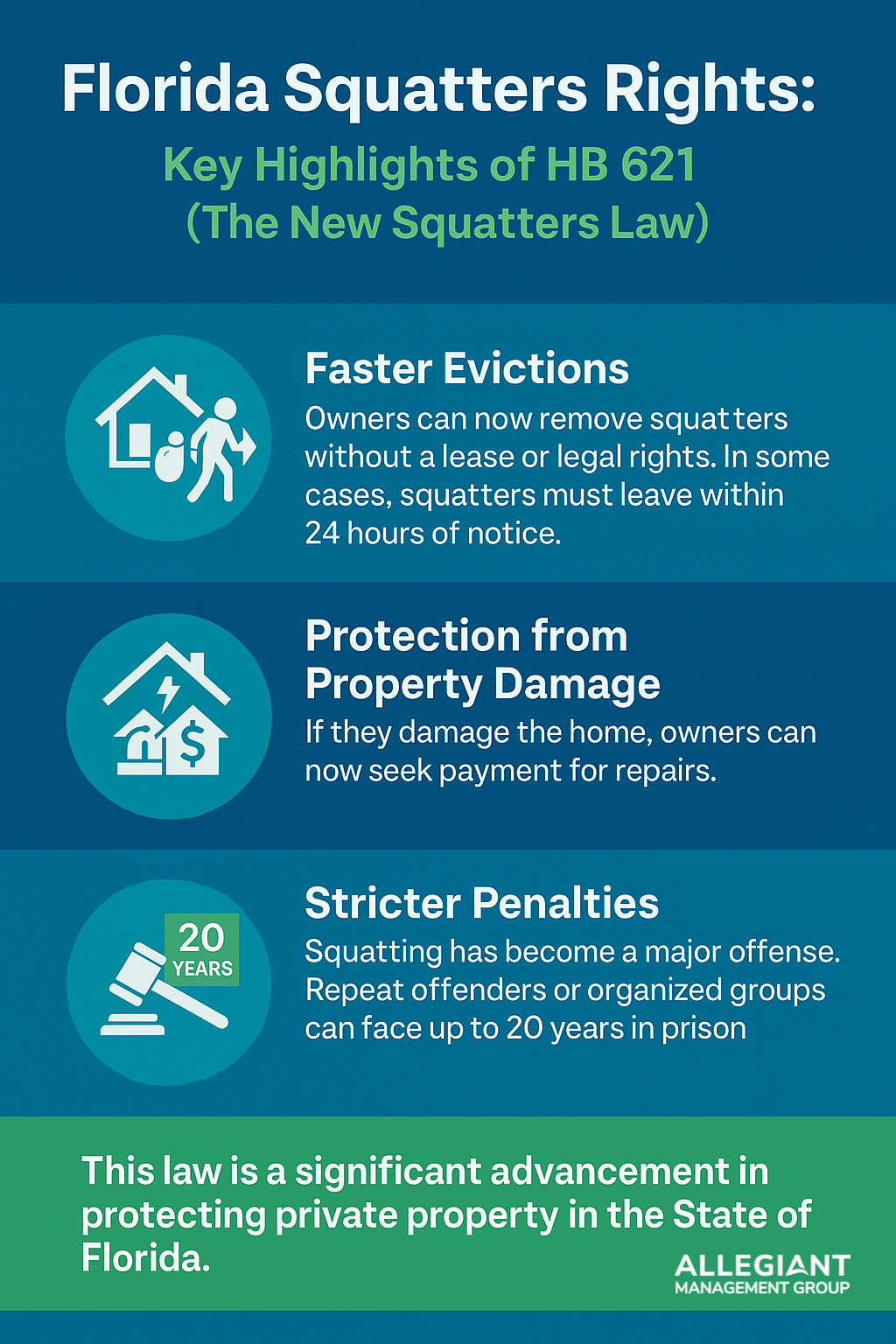
The primary difference between a squatter and a tenant lies in the existence of a legal agreement. A tenant is an individual who occupies a property with the explicit permission of the owner, typically under a lease or rental agreement. This agreement outlines the terms of their occupancy, including rent payments, duration of stay, and responsibilities. If a tenant fails to uphold their end of the agreement, the owner must follow specific eviction procedures mandated by Florida law (Chapter 83 of Florida Statutes). These procedures involve serving proper notice, such as a three-day notice to pay rent or vacate, and potentially filing an eviction lawsuit in court.
A squatter, conversely, occupies a property without the owner’s permission or a legal agreement. They do not pay rent and have no contractual relationship with the property owner. While their presence is unauthorized, as discussed, they may attempt to assert a claim through adverse possession if they meet Florida’s stringent criteria. The process for removing a squatter is generally an “ejectment” action, which is a more complex and typically longer legal process than a standard eviction because it often involves the squatter claiming a right to the property.
Squatters vs. Trespassers
The distinction between a squatter and a trespasser hinges on intent and duration of stay. A trespasser is someone who enters or remains on private property without permission, typically for a short duration and without any intention of claiming ownership or establishing long-term residency. Trespassing is a criminal offense in Florida (Chapter 810 of Florida Statutes). Law enforcement can usually remove trespassers immediately upon notification from the property owner, as their unauthorized presence is clear and unambiguous.
A squatter, while initially a trespasser, evolves into a squatter by demonstrating an intent to possess the property long-term and by establishing residency. They might set up utilities in their name, receive mail at the address, or make improvements to the property. Because of this implied intent to possess and the potential for an adverse possession claim, law enforcement may be hesitant to remove a squatter as they would a simple trespasser. Instead, they often consider it a civil matter, requiring the property owner to pursue legal action through the courts, typically an ejectment lawsuit, to legally regain possession. This subtle but critical difference means property owners cannot always rely on immediate police intervention to remove long-term unauthorized occupants.
Removing Occupants: Legal Processes for Property Owners
For property owners in Florida, understanding the correct legal process for removing unauthorized occupants is paramount. Attempting “self-help” remedies, such as changing locks, turning off utilities, or forcibly removing occupants, is illegal and can lead to severe penalties, regardless of whether the occupant is a tenant or a squatter.
For tenants, the process is eviction, governed by landlord-tenant law. This requires serving specific notices and, if the issue isn’t resolved, filing an eviction lawsuit in court. The court will issue a judgment, and if in the landlord’s favor, a writ of possession will be executed by the sheriff, physically removing the tenant.
For squatters, especially those who have established residency or assert any claim to the property, the process is typically an ejectment action. This is a more involved civil lawsuit where the property owner must prove their legal title to the property and demonstrate that the squatter has no legal right to be there. An ejectment lawsuit can take several months, or even longer if the squatter mounts a robust defense, but it is the legally mandated route to regaining possession from a squatter who refuses to leave. Prompt legal action is always advisable to prevent a squatter from meeting the criteria for adverse possession, particularly the seven-year statutory period.
Protecting Your Property in Florida
Given the intricacies of adverse possession and squatter’s rights in Florida, proactive property management and swift legal action are the most effective strategies for property owners. Even though Florida law sets a high bar for squatters to claim adverse possession, neglecting property can still open doors for potential legal challenges and financial burdens. Vigilance is key to preventing unauthorized occupation and safeguarding your investment, whether it’s a vacation home in Miami or a vacant lot near Orlando.
Regular Property Monitoring
One of the simplest yet most effective ways to protect your property is through regular monitoring. Physically inspecting your property, especially if it’s vacant or a second home, can help you detect unauthorized occupation early. Consider hiring a property management service if you’re an absentee owner. Technologies like security cameras, motion sensors, and smart home systems can provide real-time alerts about intrusions. Regular checks ensure that any potential squatters are identified before they can establish the continuous, open, and notorious occupation required for an adverse possession claim. Early detection transforms a potential adverse possession claim into a simple trespass, allowing for much swifter legal action.
Clear Signage and Property Security
Clearly posted “No Trespassing” signs can act as a deterrent and strengthen your legal position if you need to take action against trespassers or squatters. While signs alone won’t prevent all intrusions, they unequivocally communicate that entry is prohibited without permission. Beyond signage, ensuring your property is physically secure is paramount. This means keeping all doors and windows locked, repairing any broken fences or gates, and maintaining the exterior to avoid giving the impression of abandonment. Secure entry points and a well-maintained appearance signal active ownership and can discourage potential squatters from targeting your property.
Prompt Legal Action
If you discover an unauthorized occupant on your property, taking prompt legal action is critical. The longer a squatter remains, the more difficult and costly their removal can become, and the closer they get to potentially meeting the adverse possession requirements. Consult with a Florida real estate attorney immediately. They can advise on the appropriate legal course, which usually involves filing an ejectment lawsuit. Delaying action can be interpreted as tacit permission or abandonment, weakening your case. Quick response times protect your property rights and minimize the risk of a squatter establishing a claim.
Securing Vacant Properties
Vacant properties are particularly vulnerable to squatting. If you own a vacant lot or building, take steps to secure it thoroughly. Board up windows, change locks, and ensure that utilities are either off or monitored to prevent unauthorized hook-ups. Regularly visit the property or arrange for someone to do so on your behalf. Consider periodic landscaping and maintenance to ensure the property does not appear abandoned. An unkempt appearance can be an invitation for squatters, signaling that the property is not actively managed. Proactive maintenance and security measures are your best defense against long-term unauthorized occupation.

Conclusion
While the phrase “squatters rights” may cause concern among property owners, Florida’s legal framework for adverse possession is highly rigorous and favors the titled owner. The state demands not only open, continuous, exclusive, and hostile occupation for a period of seven years but also requires claimants to either have a recorded “color of title” or, most significantly, to have paid all property taxes for those seven years. These stringent requirements make it an exceptionally difficult endeavor for anyone to legally claim ownership of property through adverse possession in Florida.
For property owners, the key takeaway is vigilance and prompt action. Regularly monitoring your property, ensuring it is clearly marked with “No Trespassing” signs, and maintaining its security are crucial preventative measures. Should unauthorized occupants be discovered, it is imperative to seek immediate legal counsel to initiate an ejectment lawsuit. Attempting self-help remedies is illegal and can complicate matters further. By understanding these laws and taking proactive steps, property owners in Florida can effectively protect their assets from unauthorized claims and maintain the integrity of their long-term accommodation investments. The system is designed to protect legitimate ownership, but it requires owners to be active participants in that protection.
LifeOutOfTheBox is a participant in the Amazon Services LLC Associates Program, an affiliate advertising program designed to provide a means for sites to earn advertising fees by advertising and linking to Amazon.com. Amazon, the Amazon logo, AmazonSupply, and the AmazonSupply logo are trademarks of Amazon.com, Inc. or its affiliates. As an Amazon Associate we earn affiliate commissions from qualifying purchases.