
Navigating the Sunshine State often involves a road trip, whether you’re a resident or a visitor exploring its diverse attractions. Understanding local regulations, particularly those pertaining to vehicles, can streamline your journey and prevent unexpected issues. One common query for drivers heading to or residing in Florida is whether the state mandates regular car inspections. This inquiry is particularly relevant for those planning extended stays, road-tripping through cities like Miami or Orlando, or even considering a more permanent move.
The Current State of Vehicle Inspections in Florida
For many years, Florida did indeed require annual vehicle safety inspections. These inspections were designed to ensure that vehicles met minimum safety standards, contributing to road safety across the state. However, the landscape of these requirements has shifted significantly.
A Historical Perspective
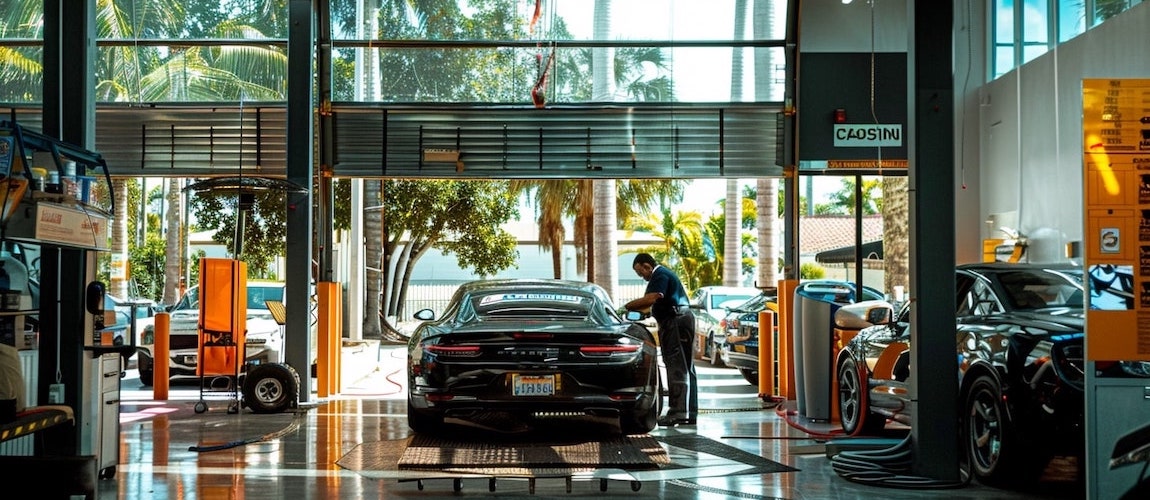
The implementation of vehicle safety inspections was a common practice across many U.S. states for decades. The rationale was straightforward: a well-maintained vehicle is less likely to be involved in an accident due to mechanical failure. Inspectors would typically check essential components such as brakes, tires, lights, steering, and exhaust systems. For vehicle owners, this meant an annual visit to an authorized inspection station, often accompanied by a fee, to obtain a sticker confirming compliance. For tourists or those with out-of-state plates, it was a requirement to be aware of if they were staying for an extended period or planning to establish residency.
The Legislative Change: Abolishment of Safety Inspections
In a move that aimed to reduce burdens on citizens and streamline the administrative process, Florida officially abolished its mandatory annual vehicle safety inspection program. This legislative change, effective from January 1, 2003, marked a significant departure from previous policy. The primary driver behind this decision was the belief that resources allocated to the inspection program could be better utilized elsewhere, and that private citizens were capable of maintaining their own vehicles to safe operating standards.
This repeal meant that Florida joined a growing number of states that do not require regular safety checks for privately owned vehicles. The change was widely welcomed by many drivers who saw it as a reduction in annual costs and a simplification of vehicle ownership.
What Does This Mean for Drivers in Florida?
The abolition of mandatory safety inspections does not absolve drivers of their responsibility to maintain their vehicles in safe operating condition. Instead, the onus is now entirely on the vehicle owner.
Owner Responsibility for Vehicle Maintenance
While there are no more state-mandated inspections to verify safety, driving an unsafe vehicle can still lead to citations and penalties. Law enforcement officers are empowered to pull over vehicles that appear to be operating unsafely, such as those with broken headlights, bald tires, or malfunctioning brakes. The responsibility falls to the driver to ensure their vehicle’s mechanical integrity. This includes regular checks of:
- Tires: Ensuring proper tread depth and tire pressure is crucial for traction and braking.
- Brakes: Any unusual noises or a spongy brake pedal are clear indicators that service is needed.
- Lights: Headlights, taillights, brake lights, and turn signals must all be functional for visibility and signaling.
- Wipers and Windshield: Clear visibility is paramount, especially during Florida’s frequent rain showers.
- Exhaust System: Excessive noise or visible smoke can indicate emissions issues and potential safety hazards.
Regular maintenance by a qualified mechanic is still highly recommended to catch potential problems before they become serious safety concerns.
Visitor Information and Out-of-State Vehicles
For tourists visiting Florida, the absence of mandatory state inspections is a convenience. You do not need to worry about obtaining a Florida inspection sticker for your vehicle. However, it is crucial to ensure your vehicle is in compliance with the safety regulations of your home state. Additionally, Florida law enforcement can still cite out-of-state vehicles for obvious safety violations. The goal remains the same: to ensure that all vehicles operating on Florida roads are safe for themselves and others.
Emissions Testing: A Different Requirement
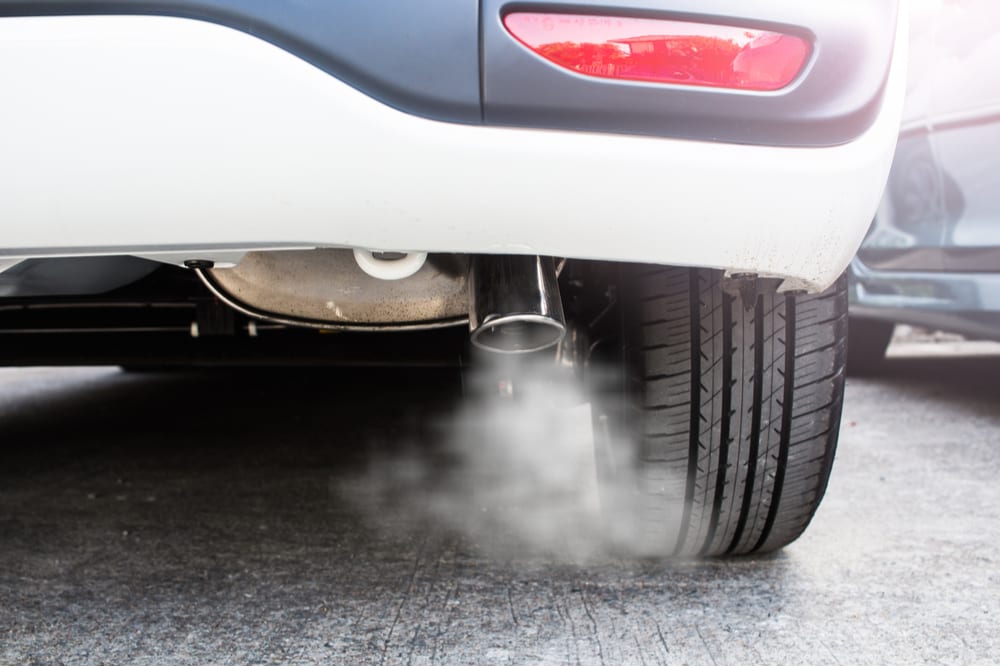
It is important to distinguish between safety inspections and emissions testing. While Florida has eliminated mandatory safety inspections, the state does have emissions testing requirements in certain counties, primarily those with larger populations and concerns about air quality.
Emissions Testing Areas
Emissions testing is currently required in the following Florida counties:
- Brevard
- Broward
- Clay
- Duval
- Hillsborough
- Indian River
- Lake
- Lee
- Manatee
- Marion
- Orange
- Osceola
- Pasco
- Pinellas
- Polk
- Seminole
- St. Johns
- St. Lucie
- Volusia
- Palm Beach
If you reside in or are registering a vehicle in one of these counties, you will likely need to undergo an emissions test as part of the vehicle registration process. This is a different requirement from the safety inspections that were previously in place. The purpose of emissions testing is to ensure vehicles are meeting environmental standards and not contributing excessively to air pollution.
Tips for Driving Safely in Florida
Even without mandatory safety inspections, driving in Florida requires diligence. Beyond ensuring your vehicle is mechanically sound, consider these tips for a smoother and safer experience on the road:
Be Prepared for Varied Driving Conditions
Florida’s weather can change rapidly. Be prepared for:
- Heavy Rain and Thunderstorms: Especially during the summer months, sudden downpours can reduce visibility significantly. Slow down, turn on your headlights, and use your wipers effectively. Avoid driving through flooded areas.
- Extreme Heat: Ensure your car’s cooling system is in good working order to prevent overheating.
- High Traffic: Major tourist destinations like Orlando, Miami, and the areas around theme parks like Walt Disney World and Universal Orlando Resort can experience very heavy traffic, particularly during peak seasons and holidays. Plan your travel times accordingly and allow for extra delays.
Navigating with GPS and Local Knowledge
While GPS devices and navigation apps are invaluable, understanding local driving habits can also be helpful. Florida drivers are generally accustomed to higher speeds on highways but can be less predictable in urban areas. Pay attention to signage and be aware of your surroundings.
Vehicle Security
Unfortunately, vehicle theft and break-ins can be a concern in some tourist areas. When visiting attractions, hotels like the Fontainebleau Miami Beach, or even just stopping at a roadside attraction, never leave valuables visible in your car. Park in well-lit areas whenever possible and always lock your doors.
Staying Informed
Regulations can change. While safety inspections have been abolished, it’s always a good idea to stay informed about any updates to vehicle laws in Florida, especially if you plan to become a resident. The Florida Department of Highway Safety and Motor Vehicles is a reliable source for official information.

Conclusion: A Shift Towards Personal Responsibility
In summary, Florida no longer requires mandatory annual car safety inspections for private vehicles. This policy change places the responsibility for vehicle safety squarely on the owner. While this offers convenience and reduces annual costs for many, it underscores the critical importance of regular vehicle maintenance and mindful driving. For those in specific counties, emissions testing remains a requirement for vehicle registration. By understanding these regulations and prioritizing vehicle upkeep, drivers can ensure a safe and enjoyable experience while exploring all that Florida has to offer, from its pristine beaches and theme parks to its vibrant cities and charming small towns.
LifeOutOfTheBox is a participant in the Amazon Services LLC Associates Program, an affiliate advertising program designed to provide a means for sites to earn advertising fees by advertising and linking to Amazon.com. Amazon, the Amazon logo, AmazonSupply, and the AmazonSupply logo are trademarks of Amazon.com, Inc. or its affiliates. As an Amazon Associate we earn affiliate commissions from qualifying purchases.