
Navigating the vast and dynamic landscape of Texas can be an exhilarating experience, whether you’re a seasoned road warrior or a first-time visitor. With its sprawling cities, charming small towns, and scenic byways, the Lone Star State offers an abundance of opportunities for exploration. However, for many travelers, one of the most frequently encountered aspects of driving in Texas is its intricate and evolving toll road system. Understanding how these tolls operate is not just a matter of convenience; it’s essential for avoiding unexpected fees, ensuring smooth passage, and ultimately, making the most of your Texas travel adventures. From understanding payment methods to deciphering different types of toll systems, this guide aims to demystify the process, empowering you to drive with confidence.
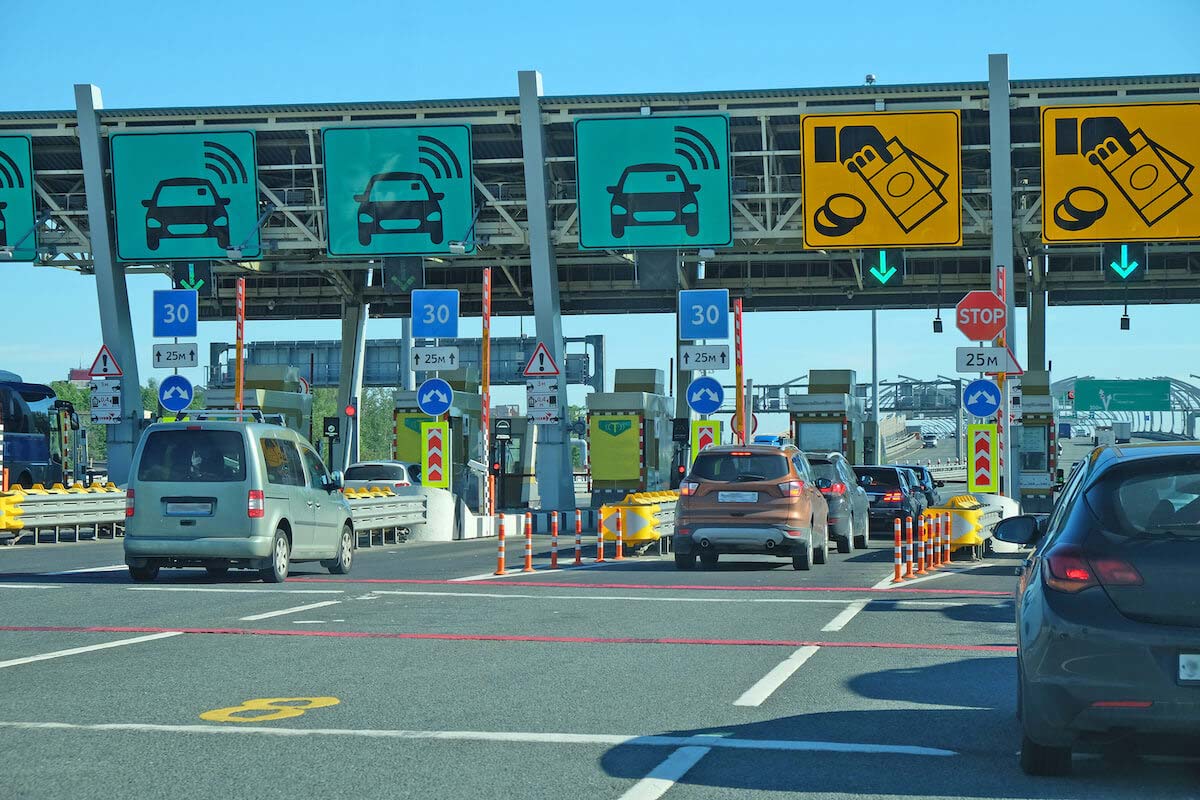
Understanding the Texas Toll System
The Texas toll road system is a complex network designed to fund infrastructure development and maintenance. Unlike many other states where tolls are primarily associated with bridges and tunnels, Texas boasts a comprehensive system of toll highways, often referred to as “turnpikes” or “tollways.” These are frequently the most direct and fastest routes between major population centers and through congested urban areas. The system is managed by various entities, including the Texas Department of Transportation (TxDOT), regional toll road authorities, and private entities. This decentralized management can sometimes lead to variations in how tolls are collected and the technology employed.
Types of Toll Collection
The primary methods for collecting tolls in Texas have evolved significantly over the years, moving away from traditional toll booths towards more automated and electronic systems.
Cash vs. Electronic Payment
Historically, most toll roads accepted cash payments. However, many toll plazas have transitioned to cashless systems, meaning you won’t find a booth to hand money to. This shift is driven by efficiency, reduced operational costs, and improved traffic flow.
- Cashless Tolling: This is the most prevalent system now. Tolls are collected electronically through transponders or by capturing your license plate. If you do not have a transponder, a bill will be mailed to the registered owner of the vehicle based on the license plate. While some specific older toll roads might still have limited cash options, it’s crucial to assume that most major toll roads are cashless.
- Pay-by-Mail: For vehicles without a transponder, toll agencies capture images of license plates and send invoices to the registered owner’s address. This is often referred to as “toll-by-plate” or “pay-by-mail.” Be aware that these invoices often include an administrative fee on top of the standard toll rate.
Transponders and Toll Tags
The most seamless way to navigate Texas toll roads is by using an electronic toll transponder, often called a toll tag. These small devices are affixed to your vehicle’s windshield and communicate with toll readers as you pass through.
- Interoperable Transponders: In Texas, the most common and widely accepted transponders are from TxTag, EZ TAG (managed by the Harris County Toll Road Authority), and Tolltag (managed by the North Texas Tollway Authority). These three systems are generally interoperable across most toll roads in the state, meaning a TxTag will work on an EZ TAG road, and vice versa. This interoperability simplifies travel for residents and visitors alike.
- How They Work: When you pass through a toll point, the transponder sends a signal to the reader, which identifies your account and deducts the toll amount from your pre-paid balance or charges your linked credit card. This process is instantaneous and allows you to drive through toll plazas without slowing down.
- Getting a Transponder: You can typically sign up for a transponder online through the respective agency’s website (TxTag, EZ TAG, or Tolltag). You will need to provide vehicle information and payment details. There might be a small initial deposit or monthly fee associated with the tag, depending on the provider.
Common Toll Roads and Authorities
Texas has a significant number of toll roads, particularly in its major metropolitan areas. Familiarizing yourself with the key authorities and their respective networks can be highly beneficial.
- North Texas Tollway Authority (NTTA): This authority manages a vast network of toll roads in the Dallas-Fort Worth metroplex, including the Sam Rayburn Tollway, President George Bush Turnpike, and the Dallas North Tollway. They are the primary provider of Tolltag.
- Harris County Toll Road Authority (HCTRA): Serving the Houston metropolitan area, HCTRA operates toll roads such as the Sam Houston Tollway, Hardy Toll Road, and Westpark Tollway. Their transponder is known as EZ TAG.
- Texas Department of Transportation (TxDOT): While TxDOT oversees many state highways, it also manages several major toll roads and turnpikes, often in partnership with private entities. The Central Texas Turnpike System, which includes the SH 130 and SH 45 tollways, is a significant example. TxTag is the associated transponder for many TxDOT toll roads.
- Other Regional Authorities: Various other regions in Texas have their own toll road authorities or partnerships, managing specific expressways or tolled lanes. It’s always wise to check the signs when entering a toll road to understand which authority manages it, especially if you are unfamiliar with the area.
Navigating Tolls as a Visitor
For visitors to Texas, the toll system can initially seem daunting. However, with a little preparation, you can avoid the stress of unexpected bills and enjoy your travels.

What to Do If You Don’t Have a Transponder
If you’re visiting Texas and don’t have a TxTag, EZ TAG, or Tolltag, you’ll likely encounter pay-by-mail or cashless tolling. Here’s how to manage it:
- Identify Toll Roads: Pay attention to road signs. Toll roads are clearly marked, often with a specific shield symbol indicating the toll authority or with signs indicating “Cashless Tolls Ahead.”
- Keep Track of Your Route: If you travel on a toll road without a transponder, you will receive a bill. It’s crucial to be aware of the roads you have taken.
- Pay Tolls Promptly: Toll invoices are typically mailed to the registered owner of the vehicle. These bills often include administrative fees that can significantly increase the original toll cost. If you are renting a car, be aware that rental companies often have their own toll payment programs, which may include a daily fee plus the tolls incurred, or they may pass on the toll invoices with their own administrative charges. It is essential to understand your rental agreement’s toll policy.
- Set Up Temporary Online Payment: Many toll authorities allow you to set up temporary online accounts to pay for your tolls before you receive a bill, or to manage incoming invoices. This can help you avoid late fees and administrative charges. For instance, if you know you’ll be using SH 130 near Austin, you can visit the TxTag website and pay for your tolls online.
Understanding Toll Rates
Toll rates in Texas are not static. They can vary based on several factors:
- Time of Day: Many toll roads implement variable pricing, meaning tolls are higher during peak commuting hours and lower during off-peak times. This is a common strategy to manage congestion and encourage the use of toll roads during less busy periods.
- Distance Traveled: The total cost of a toll road journey is usually calculated based on the distance you travel on the tolled section.
- Vehicle Type: Larger vehicles, such as trucks and RVs, often pay higher tolls than standard passenger cars due to increased wear and tear on the roads.
- Payment Method: As mentioned, using a transponder generally results in lower toll rates compared to pay-by-mail or toll-by-plate. This is an incentive for drivers to adopt electronic payment methods.
Best Practices for Toll Road Travel in Texas
To ensure a smooth and cost-effective experience on Texas toll roads, consider these best practices:
Planning Your Route
Before you embark on your journey, especially if you are unfamiliar with the area or have time constraints, it’s wise to plan your route using navigation apps that provide real-time traffic information and toll estimates.
- Navigation Apps: Apps like Google Maps, Waze, and Apple Maps are invaluable tools. They can:
- Show you toll road options and their associated costs.
- Allow you to select “avoid tolls” if you prefer not to use them, although this may lead to significantly longer travel times.
- Provide real-time traffic updates, helping you decide if the faster toll route is worth the expense during peak hours.
- Understanding Toll Road Designation: Pay attention to the naming conventions. Toll roads often have designations like “Turnpike,” “Tollway,” or highway numbers preceded by “SH” (State Highway) followed by a number, like SH 130 or SH 45.
Managing Your Toll Account
If you plan on using Texas toll roads regularly, or even for a single extended trip, managing your toll account effectively is key.
- Keep Your Contact Information Updated: Ensure your address, phone number, and email address are current with your toll transponder provider. This is critical for receiving invoices and important notifications.
- Monitor Your Balance: Regularly check your toll account balance, especially if you have a pre-paid account. Many providers offer apps or online portals for this. Running out of funds can lead to missed payments and additional fees.
- Understand Your Statement: If you receive a bill, review it carefully to ensure accuracy and pay it by the due date to avoid penalties.

Avoiding Unnecessary Fees
The most common pitfall for drivers on Texas toll roads is accumulating unnecessary fees.
- Transponder is King: The simplest way to avoid extra fees is to get a transponder. The toll rates for transponder users are almost always lower than for pay-by-mail customers. Since the major systems are interoperable, one tag can cover most of your travel.
- Rental Car Policies: If you rent a car, inquire specifically about their toll policy. Some companies offer a hassle-free toll program, while others may charge substantial administrative fees on top of the tolls themselves if you don’t have your own transponder. It might be more cost-effective to purchase your own temporary transponder if available or to pay tolls directly online if you have a clear understanding of the process.
- Don’t Ignore Bills: If you do receive a toll bill and were not expecting it, don’t ignore it. Contact the toll authority immediately. While there might be administrative processes to dispute a charge, ignoring it will only lead to increased penalties and potential issues with vehicle registration or collections.
The Texas toll system is designed to facilitate efficient travel and fund vital infrastructure. By understanding how it works, preparing in advance, and utilizing the available electronic payment options, drivers can navigate the state’s extensive network of toll roads with ease and confidence, making their journey through the vast and vibrant landscape of Texas a more enjoyable and seamless experience. Whether you’re heading to San Antonio for the Alamo, exploring the culture of Houston, or enjoying the nightlife in Austin, being prepared for toll roads will enhance your travel.
LifeOutOfTheBox is a participant in the Amazon Services LLC Associates Program, an affiliate advertising program designed to provide a means for sites to earn advertising fees by advertising and linking to Amazon.com. Amazon, the Amazon logo, AmazonSupply, and the AmazonSupply logo are trademarks of Amazon.com, Inc. or its affiliates. As an Amazon Associate we earn affiliate commissions from qualifying purchases.