
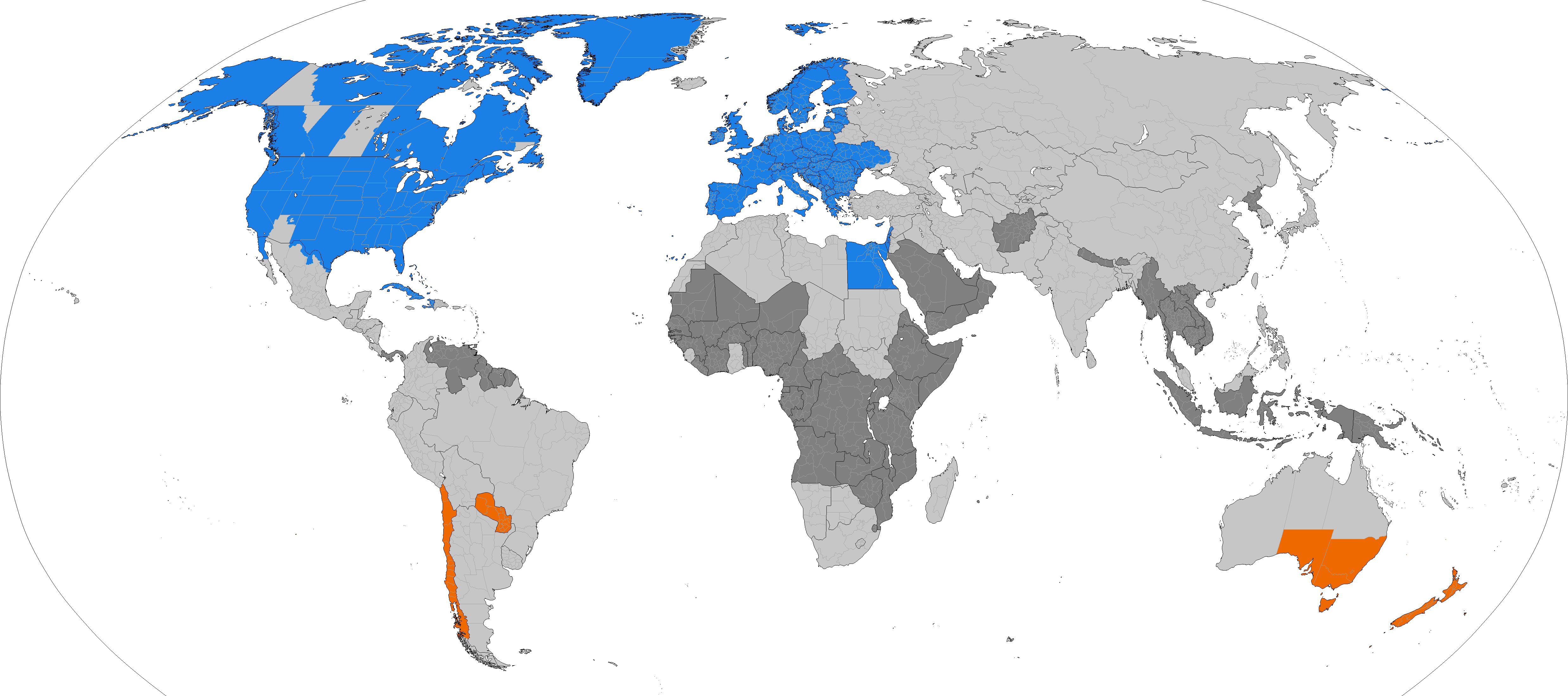
For many travelers dreaming of an escape to the Hawaiian Islands, visions of sun-drenched beaches, lush rainforests, and vibrant local culture dance in their heads. As you meticulously plan your tropical getaway, from booking the perfect resort on Maui to mapping out your explorations of Oahu’s iconic landmarks, practical considerations like time zones often arise. One question that frequently pops up is whether the Aloha State participates in the practice of Daylight Saving Time (DST). The answer, for those eager to know, is a resounding no. Hawaii does not observe Daylight Saving Time.
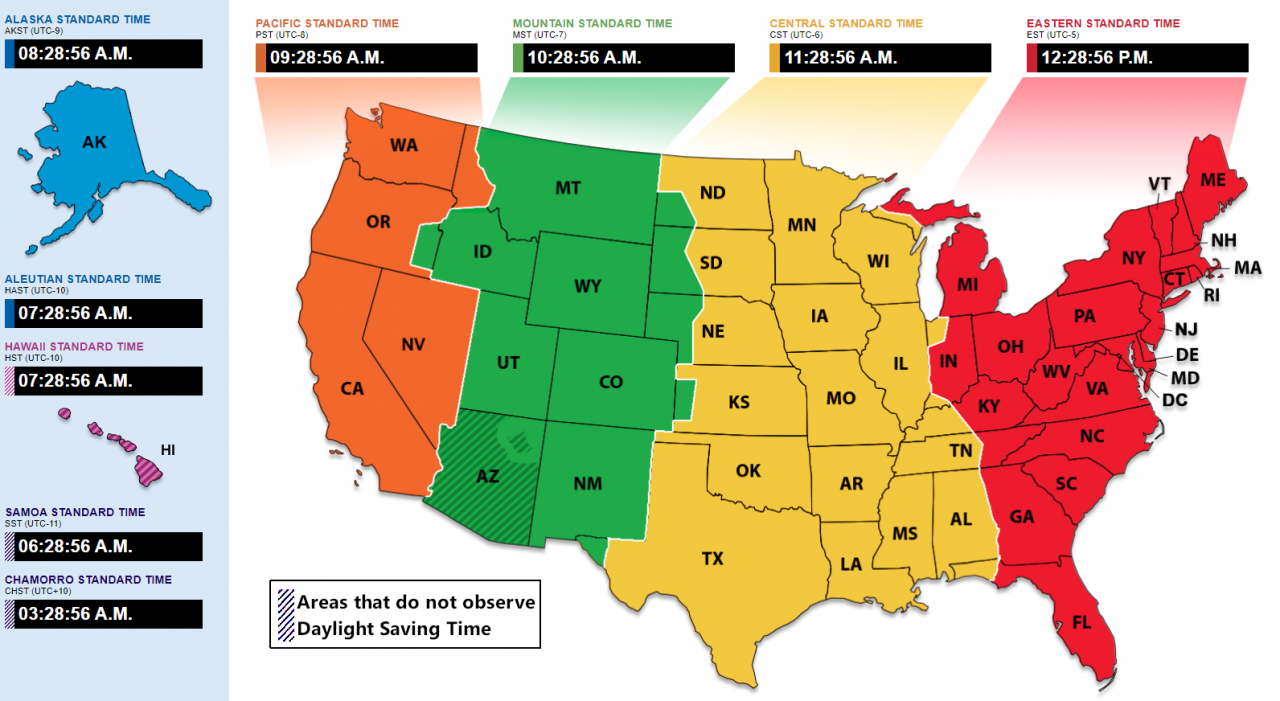
This unique stance is rooted in a combination of geographical, climatic, and historical factors, making Hawaii’s relationship with timekeeping distinct from much of the mainland United States. Understanding this can simplify your travel plans and ensure you’re always on the right schedule, whether you’re enjoying a leisurely breakfast at your villa or embarking on an adventure to witness the sunrise from atop Haleakala on Maui.
The Rationale Behind Hawaii’s DST Exemption
The decision for Hawaii to opt out of Daylight Saving Time is not arbitrary. It’s a well-considered choice influenced by the islands’ tropical latitude and the resulting minimal seasonal variation in daylight hours.
Latitude and Consistent Daylight
Hawaii is situated closer to the equator than most of the contiguous United States. This geographical position means that the length of daylight hours throughout the year experiences far less fluctuation than in more temperate regions. In locations further north or south, the difference between the longest day of summer and the shortest day of winter can be several hours. This significant shift is what DST aims to partially compensate for, by advancing clocks in the spring to make better use of evening daylight and then returning them in the fall.
In Hawaii, however, the difference between the longest and shortest day is typically only about two hours. Sunrise and sunset times remain relatively consistent year-round. For example, in Honolulu, on the island of Oahu, the earliest sunrise might be around 5:45 AM in June, while the latest sunrise is about 6:45 AM in January. Similarly, sunset times generally range from around 7:15 PM in June to 6:30 PM in December. This consistency renders the core purpose of DST – maximizing daylight in the evenings during the warmer months – largely unnecessary.
Climate and Agricultural Considerations
Beyond daylight hours, Hawaii’s tropical climate plays a role. The islands experience warm temperatures throughout the year, with relatively minor seasonal shifts. The concept of DST often originated in agricultural communities to better align work schedules with daylight. However, Hawaii’s unique agricultural landscape and its consistent growing seasons mean that the traditional arguments for DST don’t hold as much weight. The predictable weather patterns and abundant sunshine year-round allow for consistent agricultural practices without the need for clock adjustments.
Historical and Legislative Decisions
The exclusion of Hawaii from Daylight Saving Time is also a result of legislative decisions. In 1966, the U.S. Congress passed the Uniform Time Act, which standardized DST across the country. However, the Act included a provision allowing states to exempt themselves. Hawaii, along with other territories and states like Arizona (with the exception of the Navajo Nation), chose to exercise this option. The Hawaiian legislature officially opted out of DST, recognizing its limited benefit for the islands. This decision has been reaffirmed over the years, solidifying Hawaii’s position as a DST-free destination.
Practical Implications for Travelers
For visitors planning a trip to the Hawaiian Islands, understanding that Hawaii does not observe DST simplifies things considerably. It means that Hawaii Standard Time (HST) remains constant throughout the year, unlike the fluctuations experienced by many other U.S. states.
Time Zone Differences
Hawaii operates on Hawaii Standard Time (HST), which is UTC-10. This is 10 hours behind Coordinated Universal Time (UTC). When Daylight Saving Time is in effect on the mainland United States (typically from the second Sunday in March to the first Sunday in November), Hawaii is then 5 hours behind Eastern Daylight Time (EDT) and 2 hours behind Pacific Daylight Time (PDT). For example, if it’s 12:00 PM EDT on the mainland, it’s 7:00 AM HST in Hawaii.
When the mainland United States reverts to Standard Time (e.g., Eastern Standard Time, EST), the difference in time narrows. During these periods, Hawaii is 3 hours behind EST and 1 hour behind PST. So, if it’s 12:00 PM EST on the mainland, it’s 9:00 AM HST in Hawaii.
This consistent time difference throughout the year eliminates the need to adjust your watch or phone when traveling between Hawaii and the mainland during the DST periods. It simplifies arrival times, meeting arrangements, and keeping in touch with friends and family back home.

Planning Your Itinerary
The absence of DST in Hawaii can be a welcome relief for travelers. It means that the timing of activities remains predictable. Whether you’re planning an early morning surf lesson on Waikiki Beach, a sunset catamaran cruise off the coast of Kaanapali, or a hike through the volcanic landscapes of Hawaii Volcanoes National Park, you can rely on the standard local time.
For instance, if a tour operator in Maui schedules a stargazing tour to begin at 8:00 PM, that time will be consistent whether it’s July or January. This predictability can help in planning your days, ensuring you maximize your time exploring the abundant attractions, from the historical Pearl Harbor to the scenic Road to Hana.
Avoiding Jet Lag and Adjustment
While jet lag is an unavoidable aspect of long-distance travel, the absence of DST in Hawaii can mitigate some of the adjustment. You don’t have to contend with an additional hour’s shift in your body clock on top of the miles traveled. This can lead to a smoother transition into your vacation, allowing you to settle in more quickly and enjoy your stay, whether you’re staying at a luxurious Four Seasons Resort or a charming boutique hotel.
Understanding Hawaii’s Time Zone
Hawaii observes Hawaii Standard Time (HST). This time zone is based on the Hawaiian Islands’ geographical location and is the standard reference for all timekeeping within the state.
The UTC-10 Standard
As mentioned, HST is equivalent to UTC-10. This means that Hawaii is 10 hours behind Coordinated Universal Time. This is the same time zone used by Alaska when it is not observing Alaska Daylight Time. This consistent offset simplifies international travel planning and communication. For instance, if you are in Europe and need to make a business call to Honolulu, knowing the fixed difference of 10 hours makes scheduling straightforward.
No Spring Forward, No Fall Back
The most significant practical benefit for travelers is the absence of the “spring forward, fall back” routine. You don’t need to remember to adjust your clocks by an hour twice a year. This makes Hawaii a predictable destination in terms of time. For those accustomed to DST, arriving in Hawaii feels like stepping into a perpetually synchronized world, where the sun dictates the natural rhythm of the day without the artificial manipulation of clocks. This can be particularly beneficial for families with young children, as it simplifies the adjustment to a new environment.
Exploring Hawaii Without Time Zone Worries
The decision for Hawaii to forgo Daylight Saving Time contributes to its allure as a relaxed and straightforward travel destination. It allows visitors to focus on the incredible experiences the islands offer, from the majestic waterfalls of Wailua on Kauai to the volcanic craters of Mauna Kea on the Big Island.
A Consistent Travel Experience
The consistent time in Hawaii means that your itinerary can be planned with greater certainty. You can book tours, make dinner reservations, and schedule activities without the concern of time changes affecting your plans. This is especially true for longer stays, where the absence of DST eliminates the confusion that can arise from multiple time shifts if traveling to and from DST-observing regions.
Whether you’re exploring the historic streets of Lahaina, attending a traditional luau, or simply enjoying the tranquility of your hotel suite, you can be confident that the clock on the wall reflects the true local time. This simplicity allows for a more immersive and less stressful vacation.
Embracing the Aloha Spirit
The Aloha Spirit is deeply ingrained in Hawaiian culture, emphasizing warmth, hospitality, and a relaxed pace of life. The decision to not observe DST aligns perfectly with this philosophy. It suggests a preference for natural rhythms and a less hurried approach to daily life. For visitors, this translates into an environment where they can truly unwind and disconnect from the demands of their usual routines.
So, as you pack your bags for an unforgettable adventure in Paradise, rest assured that when it comes to Daylight Saving Time, Hawaii keeps it simple. You can look forward to enjoying every moment, from the sunrise over Diamond Head to the sunset behind the Pacific Ocean, all without the need to fiddle with your watch.
LifeOutOfTheBox is a participant in the Amazon Services LLC Associates Program, an affiliate advertising program designed to provide a means for sites to earn advertising fees by advertising and linking to Amazon.com. Amazon, the Amazon logo, AmazonSupply, and the AmazonSupply logo are trademarks of Amazon.com, Inc. or its affiliates. As an Amazon Associate we earn affiliate commissions from qualifying purchases.