
California, often envisioned as a land of perpetual sunshine and golden beaches, might not be the first place that springs to mind when you think of “cold.” Yet, this vast and geographically diverse state experiences distinct seasons, and yes, it does get cold in California. The notion of “cold” itself is relative, particularly in a state that stretches over 770 miles from north to south, encompassing everything from arid deserts to snow-capped mountains and temperate coastal regions. Understanding when and where California experiences cooler temperatures requires a closer look at its varied climates and regional influences.
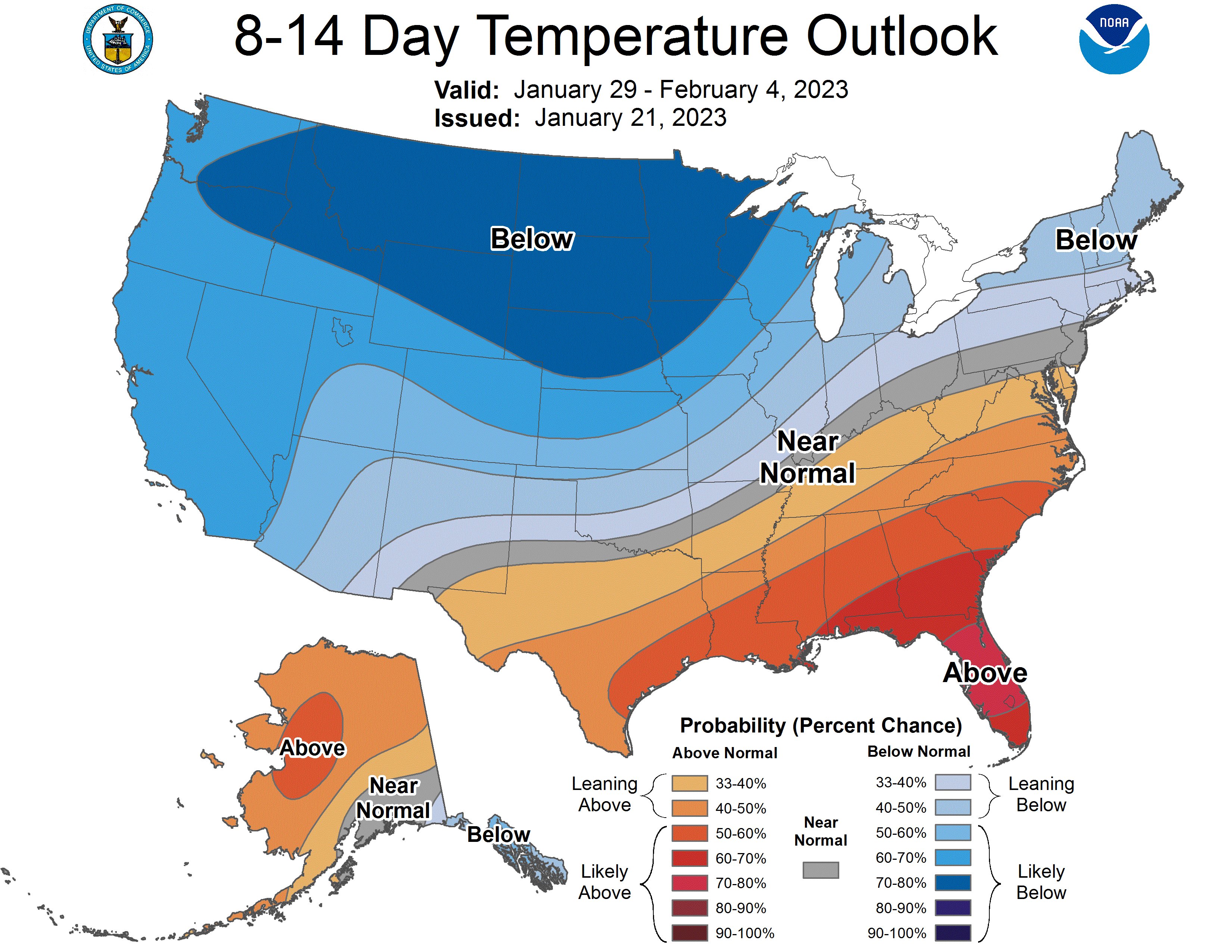
The stereotype of California as eternally warm is largely fueled by its iconic Southern California cities like Los Angeles and San Diego, which enjoy a Mediterranean climate characterized by mild, wet winters and warm, dry summers. However, this picture is incomplete. Northern California, with its higher latitudes and different topographical features, experiences a more pronounced seasonal shift, and mountainous areas across the state can see significant snowfall and freezing temperatures.
To truly answer “When does it get cold in California?”, we need to dissect the state’s climate into its core components and explore how different regions embrace or endure the cooler months. This journey will take us from the high Sierras to the foggy coasts and the desert interiors, revealing a California that is far more nuanced than its sun-drenched reputation suggests.
Understanding California’s Diverse Climates
California’s weather patterns are a fascinating tapestry woven from oceanic influences, mountain ranges, and latitudinal variations. The Pacific Ocean plays a significant role, moderating temperatures along the coast and bringing cooling fog during the summer months, especially in the northern half of the state. Inland areas, however, are more susceptible to temperature extremes, with hotter summers and colder winters.
The Sierra Nevada mountain range acts as a formidable barrier, influencing precipitation and temperature across the state. Its high peaks are a reliable source of snow during winter, transforming areas like Lake Tahoe into a premier winter sports destination. Conversely, the deserts of Southern California, such as the Mojave Desert, experience extreme heat in the summer and can dip to surprisingly chilly temperatures at night during winter.
Coastal California: A Tale of Two Coasts
The California Coast is not a monolithic entity when it comes to temperature. While Southern California’s coast enjoys a generally mild climate year-round, Northern California’s coastline can become quite cool, especially during the autumn and winter months.
Southern California Coast: Mild Winters and Pleasant Days
Cities like San Diego, Orange County, and Los Angeles boast a Mediterranean climate, which means winters are typically mild. “Cold” in these areas usually translates to daytime temperatures in the 60s Fahrenheit (15-20°C) and nighttime lows dipping into the 40s or low 50s Fahrenheit (4-12°C). Freezing temperatures are rare, and snow is almost unheard of at sea level. The winter months, from roughly November to March, are characterized by cooler air and increased rainfall, but they rarely deter outdoor activities for long. Visitors can still enjoy the beaches, though swimming might require a thicker wetsuit. The iconic Santa Monica Pier remains a popular attraction, and the vibrant city life of Los Angeles continues unabated, with layers often being the most significant adaptation needed.
Northern California Coast: Fog, Rain, and Cooler Air
As you travel north, the climate becomes cooler and wetter, particularly from late autumn through spring. Coastal cities like San Francisco, Oakland, and further north to Eureka, experience significant temperature drops compared to their southern counterparts. Fog is a common visitor, especially in the summer, but in winter, it often accompanies chilly, damp conditions. Daytime temperatures in San Francisco can hover in the 50s Fahrenheit (10-15°C) during winter, with nights often dropping into the 40s (4-9°C). For those venturing up the coast, expecting brisk winds and rain is advisable. This cooler, wetter season is when the lush greenery of areas like Muir Woods National Monument truly thrives. Packing a waterproof jacket and warm layers is essential for a comfortable visit during these months.
Inland California: Embracing the Extremes
California’s interior regions, far from the moderating influence of the Pacific, experience a more continental climate with greater temperature fluctuations. This is where you’ll find the most significant “cold” in the traditional sense.
The Mountains: Snowfall and Winter Sports
The Sierra Nevada mountain range, including renowned destinations like Yosemite National Park, Mammoth Lakes, and the Lake Tahoe basin, is the heart of California’s winter cold. Snowfall typically begins in November and can continue through April, blanketing the landscape in pristine white. During these months, temperatures frequently drop below freezing, both day and night. Ski resorts like Palisades Tahoe and Mammoth Mountain Ski Area are in full swing, attracting snow enthusiasts.
Winter in the High Sierras
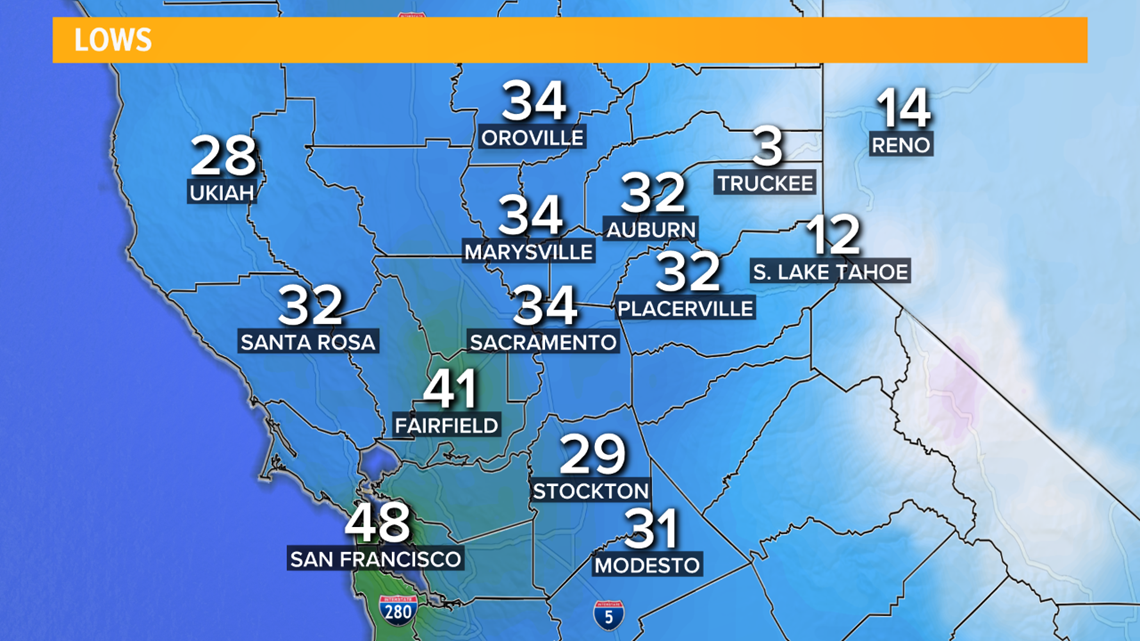
From December through February, this region is undeniably cold. Daytime temperatures at higher elevations often range from the low 30s to the low 40s Fahrenheit (0-6°C), while nighttime lows can plunge into the teens or even single digits Fahrenheit (-10 to -7°C). Snowfall can be heavy, with accumulations of several feet common. Visitors need to be prepared for sub-zero conditions, with heavy winter gear, including thermal layers, waterproof outerwear, hats, and gloves, being indispensable. The scenic beauty of snow-covered Yosemite Valley is breathtaking, but it comes with the stark reality of winter’s chill. Even lower-elevation areas within the mountain range, like Oakhurst near the southern entrance of Yosemite, will experience frost and freezing temperatures during this period.
The Deserts: Chilly Nights and Frosty Mornings
While the California Deserts are infamous for their scorching summer heat, their winters can be surprisingly cool, especially after sunset. Regions like the Mojave Desert, home to Joshua Tree National Park and Death Valley National Park, experience a dramatic diurnal temperature range.
Winter in the Desert: A Surprisingly Cool Experience
During the winter months, from November to February, daytime temperatures in the deserts can be quite pleasant, often ranging from the 50s to 70s Fahrenheit (10-25°C). However, as soon as the sun sets, the temperatures plummet. Nighttime lows frequently drop into the 30s and 40s Fahrenheit (0-9°C), and frost is not uncommon. In exceptionally cold snaps, temperatures can dip below freezing. For instance, even in the notoriously hot Death Valley, where summer temperatures regularly exceed 120°F (49°C), winter nights can be frigid, sometimes falling into the 20s Fahrenheit (-6 to -1°C). This makes desert travel in winter a unique experience, requiring warm clothing for evenings and early mornings, especially if camping or staying in remote accommodations. The stark, beautiful landscapes of Joshua Tree National Park are best explored during the day in winter, with a need for warmth as the sun dips below the horizon.
Seasonal Shifts: When Does the Cold Arrive?
The arrival of cold weather in California is not a single event but a gradual transition that varies by region. Generally, the cooler season begins in late autumn and extends through spring.
Autumn: A Gradual Descent into Cooler Temperatures
September still often feels like summer in many parts of California, particularly in the south. However, as October rolls in, a noticeable shift begins. Daytime temperatures start to moderate, and evenings become cooler across the state. In Northern California, the transition is more pronounced, with crisp autumn air becoming the norm. The wine regions of Napa Valley and Sonoma County experience beautiful fall foliage, but also a distinct drop in temperature, making evenings perfect for cozying up by a fire. By November, even Southern California sees cooler days and significantly colder nights. This is the month when many Californians start reaching for their light jackets and sweaters.
Winter: The Peak of Cold
December, January, and February represent the coldest months for most of California. In the mountains, this is prime snow season. Along the coast, these are the months with the lowest average temperatures and the highest chance of rain. Inland valleys can experience frost and even occasional light snow at higher elevations. This is the time when the desire for warmth is most palpable, and activities shift from beach lounging to indoor exploration, cozy dining, and, in certain regions, embracing winter sports.
Spring: A Lingering Chill and a Gradual Warm-Up
March often continues the winter chill, especially in Northern California and the mountains. While Southern California begins to warm up significantly, it’s not uncommon to have cooler, rainy days even into April. The mountains still hold onto their snowpack for much of April, and nighttime temperatures remain below freezing at higher elevations. By May, most of the state is transitioning back into warmer, summer-like weather, though coastal breezes can still keep temperatures pleasant rather than hot.
Preparing for California’s Cooler Side
For travelers planning a trip to California outside of the traditional summer months, understanding the regional differences in temperature is key to packing appropriately and maximizing your experience. Whether you’re dreaming of a snow-covered getaway in the Sierras, exploring the dramatic desert landscapes in cooler weather, or enjoying a more subdued coastal experience, knowing when “cold” arrives in different parts of the Golden State will ensure your journey is comfortable and memorable.
Packing Essentials for Cooler California Travel
Regardless of whether you’re visiting San Francisco for its iconic landmarks like the Golden Gate Bridge, or heading to the desert for stargazing, layers are your best friend.
- For Coastal and Inland Valleys (Fall, Winter, Spring): A waterproof and windproof jacket, sweaters, long-sleeved shirts, and comfortable trousers are essential. Don’t forget a scarf and gloves for the cooler evenings, especially in Northern California.
- For Mountain Regions (Winter and Early Spring): Heavy-duty winter gear is a must. This includes thermal base layers, insulated mid-layers, a waterproof and insulated outer jacket, waterproof pants, warm socks, waterproof boots, a warm hat that covers your ears, and insulated gloves.
- For Desert Regions (Winter): While daytime can be pleasant, pack layers that can be added as the temperature drops. A warm jacket, a fleece, long pants, and closed-toe shoes are advisable for evening excursions.

Embracing the Cold: Unique California Experiences
California’s cooler seasons offer a different, yet equally captivating, perspective on the state. The dramatic beauty of the snow-laden Sierra Nevada is unparalleled, providing opportunities for skiing, snowboarding, and snowshoeing. The quieter, cooler desert allows for more comfortable exploration of its unique geological formations and vast, starry skies. Coastal cities offer a chance to experience the dramatic beauty of the ocean under moody, cooler skies, often with fewer crowds than during the peak summer season.
When planning your California adventure, remember that this is a state of vast contrasts. From the sun-drenched beaches of San Diego to the snowy peaks of Mammoth Lakes, “cold” in California can mean very different things. By understanding the regional climates and seasonal shifts, you can prepare accordingly and discover the multifaceted beauty that California offers throughout the year.
LifeOutOfTheBox is a participant in the Amazon Services LLC Associates Program, an affiliate advertising program designed to provide a means for sites to earn advertising fees by advertising and linking to Amazon.com. Amazon, the Amazon logo, AmazonSupply, and the AmazonSupply logo are trademarks of Amazon.com, Inc. or its affiliates. As an Amazon Associate we earn affiliate commissions from qualifying purchases.