
Absolutely, Hawaii boasts its very own beautiful and resonant language, known as ʻŌlelo Hawaiʻi. Far from being merely a historical relic, the Hawaiian language is a living, breathing testament to the islands’ rich cultural heritage, holding official language status alongside English. For anyone exploring the vibrant local culture of Hawaii, understanding the journey and significance of ʻŌlelo Hawaiʻi offers a profound deeper connection to the heart and soul of the islands. It’s a story of resilience, revival, and an enduring spirit that deeply enriches the tourist experience, transforming a simple visit into an immersive cultural journey. Delving into the nuances of this indigenous tongue not only aids in navigating the islands but also fosters a respectful appreciation for the unique identity that sets Hawaii apart from any other destination in the United States.

The Historical Tapestry of ʻŌlelo Hawaiʻi
The story of the Hawaiian language is as complex and captivating as the islands themselves, deeply intertwined with the history of its people and their enduring connection to the land. From its ancient origins to its dramatic near-extinction and subsequent triumphant revival, ʻŌlelo Hawaiʻi reflects the struggles and spirit of the Hawaiian people.
Roots in Polynesian Migration
The Hawaiian language traces its origins back thousands of years to the intrepid Polynesian navigators who journeyed across the vast Pacific Ocean. These skilled voyagers, hailing from islands in the South Pacific, brought with them a Proto-Polynesian language, which, over centuries of isolation and adaptation in the Hawaiian archipelago, evolved into what we now recognize as ʻŌlelo Hawaiʻi. It shares common linguistic ancestry with other Polynesian languages spoken in places like Tahiti, Samoa, and New Zealand, yet it developed its distinct phonology and vocabulary, shaped by the unique environment and culture of Hawaii. Before the arrival of Captain James Cook in 1778, ʻŌlelo Hawaiʻi was the sole language spoken across the islands, a vibrant oral tradition used in daily communication, storytelling, chants, and sacred rituals.
A Period of Decline
The 19th and early 20th centuries brought profound changes to Hawaii, and with them, a devastating period for the Hawaiian language. The arrival of Western missionaries, merchants, and planters led to the introduction of English and a gradual erosion of the indigenous culture. English became the language of commerce, education, and government. Crucially, in 1896, following the overthrow of the Hawaiian monarchy, the provisional government enacted a law prohibiting the use of Hawaiian in schools. Children caught speaking ʻŌlelo Hawaiʻi in classrooms faced punishment, leading to a rapid decline in its transmission from one generation to the next. By the mid-20th century, the language was on the brink of extinction, spoken fluently by only a few thousand, mostly elderly, individuals. It became a language confined to homes, its public use largely suppressed, threatening to erase a fundamental pillar of Hawaiian identity.
The Kīpuka – Seeds of Revival
Despite the bleak outlook, the spirit of ʻŌlelo Hawaiʻi refused to be extinguished. The 1970s marked a pivotal turning point, ushering in the Hawaiian Renaissance. This cultural resurgence was fueled by a renewed pride in Hawaiian identity, history, and traditions, with the language at its very core. Activists, educators, and community leaders rallied to save ʻŌlelo Hawaiʻi from oblivion. They recognized that the language was not just a means of communication but a repository of an entire worldview, ancestral knowledge, and cultural values. This grassroots movement laid the groundwork for a remarkable revival, demonstrating an unwavering commitment to reclaim and restore what was nearly lost. The “kīpuka,” referring to an island of vegetation spared by lava flow, became a metaphor for the communities and families who preserved the language, providing the fertile ground for its modern-day resurgence.
ʻŌlelo Hawaiʻi in Modern Hawaii
Today, ʻŌlelo Hawaiʻi is experiencing a vibrant renaissance, having made a remarkable comeback from the brink of extinction. Its presence is increasingly felt across the islands, reflecting a conscious effort to integrate it back into the fabric of daily life and to share its richness with visitors and residents alike.
Official Language Status
A significant milestone in the revival of ʻŌlelo Hawaiʻi was its recognition as one of Hawaii’s two official languages, alongside English, by the state constitution in 1978. This legal recognition provided a crucial framework for the language’s protection and promotion. It mandated state agencies to consider its use and paved the way for various initiatives aimed at its revitalization. This official status not only grants the language legal standing but also serves as a powerful symbol of cultural affirmation, acknowledging the indigenous roots of the islands and signaling a commitment to preserve this unique aspect of Hawaiian heritage. For tourists, this means seeing Hawaiian on road signs, government documents, and public announcements, offering a subtle yet constant reminder of the islands’ distinct cultural identity.
Immersion Schools and Educational Efforts
One of the most impactful strategies in the Hawaiian language revival has been the establishment of immersion education programs. Pioneered by organizations like Aha Pūnana Leo, these schools teach all subjects exclusively in Hawaiian, starting from preschool. The first Pūnana Leo (literally “language nest”) school opened in 1984, creating a new generation of native Hawaiian speakers. These schools have expanded to include K-12 education, ensuring that children grow up fluent in ʻŌlelo Hawaiʻi. Furthermore, universities, notably the University of Hawaiʻi at Hilo, offer comprehensive Hawaiian language and studies programs, producing educators, researchers, and fluent speakers who continue to drive the language’s growth. These educational efforts are vital for intergenerational transmission, demonstrating a deep societal commitment to cultivating new speakers and solidifying the language’s future.
Cultural Preservation and Everyday Use
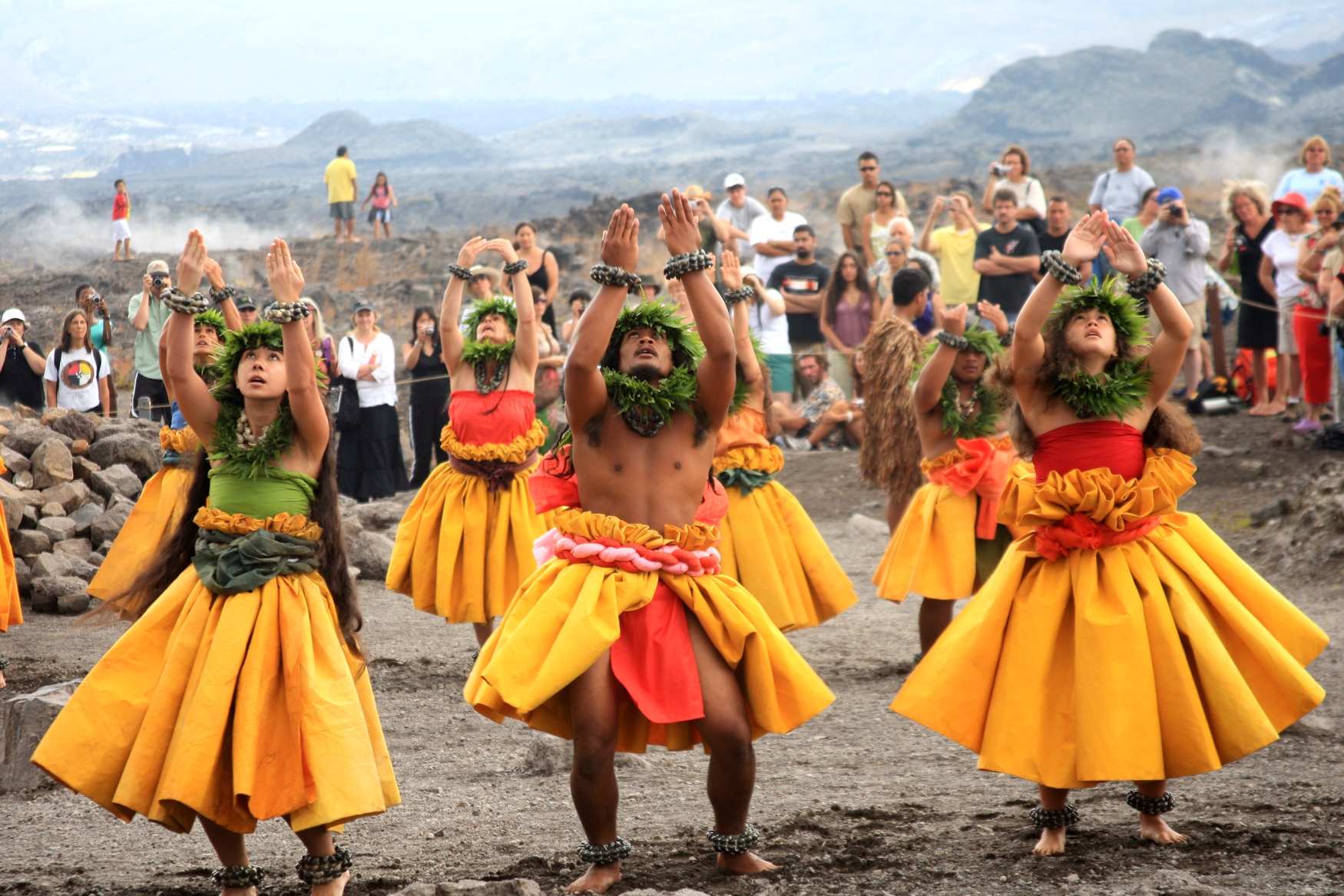
Beyond educational institutions, ʻŌlelo Hawaiʻi is finding its way back into various aspects of public life. Many local businesses, especially those focused on authentic Hawaiian experiences, incorporate the language into their branding and customer interactions. Media outlets, including radio stations and television programs, feature Hawaiian language content. Government signage, street names, and place names frequently appear in both English and Hawaiian, with correct diacritical marks (ʻokina and kahakō) becoming more prevalent. Festivals and cultural events, such as the Merrie Monarch Festival in Hilo, prominently feature Hawaiian language chants and songs. Even common phrases like “Aloha” and “Mahalo” have become globally recognized, subtly introducing the language to millions. This widespread integration not only reinforces the language’s presence but also provides tourists with authentic opportunities to encounter and engage with Hawaiian culture in its native tongue.
Understanding Hawaiian Culture Through Language for Tourists
For the culturally curious tourist, engaging with ʻŌlelo Hawaiʻi offers a gateway to a deeper, more meaningful understanding of the islands. It moves beyond superficial sightseeing, inviting visitors to connect with the very essence of Hawaiian identity and values.
Common Phrases and Greetings
Learning a few basic Hawaiian phrases can significantly enhance a visitor’s experience and demonstrate respect for the local culture. Simple greetings like “Aloha” (hello, goodbye, love, peace) and “Mahalo” (thank you) are universally appreciated. Other useful phrases include “E komo mai” (welcome), “ʻAʻole pilikia” (no problem, you’re welcome), “Pehea ʻoe?” (how are you?), and “Maikaʻi” (good). Using these phrases, even imperfectly, signals an openness to local customs and often elicits warm responses from residents. It fosters a sense of connection and shows an appreciation for the cultural heritage that makes Hawaii unique. Many hotels and tour operators now include basic Hawaiian language tips in their welcome materials, encouraging visitors to embrace this small but impactful cultural exchange.
Place Names and Their Meanings
Many of Hawaii’s iconic place names have deep meanings in ʻŌlelo Hawaiʻi, often describing geographical features, historical events, or local legends. Understanding these meanings can transform a simple location into a storytelling experience. For example, Waikīkī, the famous beach, translates to “spouting waters,” referencing the freshwater springs that once flowed into the sea. Diamond Head, the iconic volcanic tuff cone, is known as Lēʻahi in Hawaiian, likely referring to the “forehead of the ʻahi (tuna)” due to its shape. The islands themselves bear names with significance: Oʻahu (“The Gathering Place”), Maui (“Valley Isle”), Kauaʻi (“Garden Isle”), Molokaʻi (“The Friendly Isle”), Lānaʻi (“Pineapple Isle”), and Niʻihau (“The Forbidden Isle”). Appreciating these etymologies not only enriches one’s understanding of the landscape but also connects visitors to the ancient wisdom and poetic descriptions of the Hawaiian people.
Respecting the Culture
The act of acknowledging and attempting to use ʻŌlelo Hawaiʻi, no matter how limited, is a profound gesture of respect for the local culture. It recognizes the Hawaiian people as the indigenous inhabitants of the land and their language as a sacred part of their identity. Tourists who show an interest in the language demonstrate an understanding that Hawaii is more than just beautiful beaches and resorts; it is a living culture with a rich history and a resilient people. This respect fosters positive interactions with locals, contributes to the ongoing efforts of language revitalization, and ensures that tourism remains sustainable and beneficial to the Hawaiian community. It reinforces the idea that visitors are not just consumers of a destination but temporary guests in a vibrant cultural homeland.
Beyond Words: The Spirit of Aloha
While learning specific phrases is valuable, the true essence of Hawaiian language and culture lies in its underlying philosophy, embodied by the concept of Aloha. This term encapsulates a worldview that extends far beyond a simple greeting, offering profound insights into the Hawaiian way of life.
Aloha as a Lifestyle
The word Aloha is perhaps the most famous Hawaiian word, but its meaning transcends “hello” or “goodbye.” It represents a philosophy of mutual regard and affection, encompassing love, peace, compassion, and kindness. It is a way of living that encourages respect for all beings, generosity, and harmonious coexistence. In the context of tourism, understanding Aloha means treating the islands, their people, and their customs with deep respect and care. It’s about experiencing the islands with an open heart and mind, embracing the warmth and hospitality offered by the locals, and reciprocating that goodwill. The spirit of Aloha encourages visitors to be mindful stewards of the land and to engage authentically with the culture, rather than merely observing it from a distance.
Experiencing Authentic Hawaiian Culture
Engaging with the Hawaiian language and the spirit of Aloha transforms a typical vacation into an authentic cultural immersion. It opens doors to understanding traditional chants, hula performances, and local storytelling at a deeper level. Visitors can seek out opportunities to participate in cultural workshops, attend community events, or visit cultural centers where ʻŌlelo Hawaiʻi is actively used and celebrated. From attending a traditional luau where explanations are given in both languages to simply listening to local conversations, every interaction becomes an opportunity for cultural learning. By making a conscious effort to connect with the language, tourists contribute positively to its revitalization and gain an unparalleled insight into the soul of Hawaii, leaving with memories far richer than those confined to mere snapshots.
In conclusion, Hawaii unequivocally has its own language, ʻŌlelo Hawaiʻi, a testament to the enduring spirit of its indigenous people. Its journey from ancient origins, through near-oblivion, to its current vibrant revival, mirrors the resilience and pride of Hawaiian culture. For tourists, recognizing and engaging with this beautiful language is more than just a linguistic exercise; it’s an invitation to step beyond the picturesque landscapes and dive into the rich cultural tapestry that defines Hawaii. By learning a few phrases, understanding place names, and embracing the profound philosophy of Aloha, visitors can cultivate a deep, respectful connection with the islands and their people, transforming their trip into an unforgettable journey of cultural discovery and appreciation.
LifeOutOfTheBox is a participant in the Amazon Services LLC Associates Program, an affiliate advertising program designed to provide a means for sites to earn advertising fees by advertising and linking to Amazon.com. Amazon, the Amazon logo, AmazonSupply, and the AmazonSupply logo are trademarks of Amazon.com, Inc. or its affiliates. As an Amazon Associate we earn affiliate commissions from qualifying purchases.