
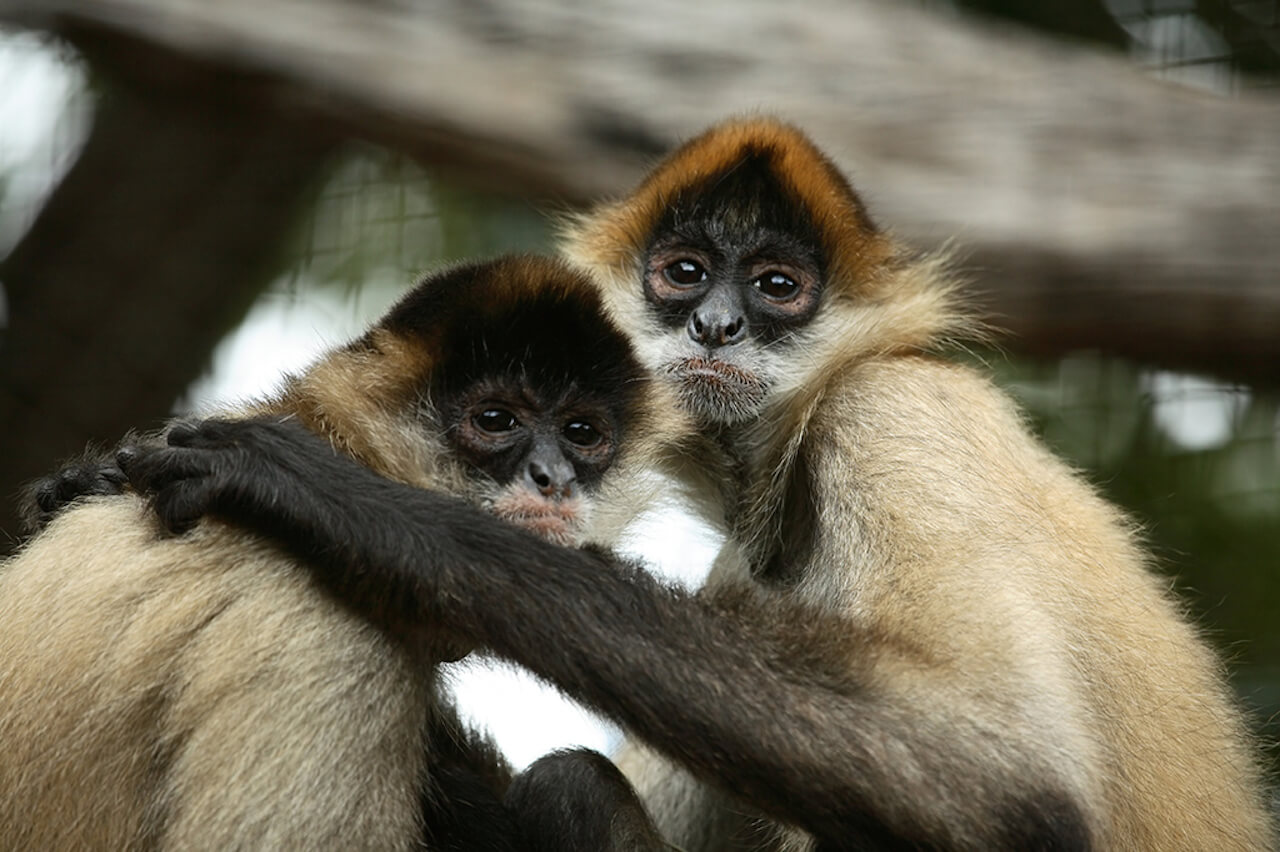
The lush, emerald canopies of the Hawaii islands often evoke images of tropical jungles found in Central America or Southeast Asia. With its towering ferns, cascading waterfalls, and dense rainforests, it is natural for visitors to expect to see monkeys swinging from the Banyan trees. However, the biological reality of this archipelago is far more complex and fascinating. When asking if Hawaii has monkeys, the short answer is no—at least not in the wild. To understand why, one must delve into the deep geological history and the unique evolutionary path of this isolated chain of islands in the Pacific Ocean.
The Evolutionary Isolation of the Hawaiian Islands
The natural history of the United States‘ 50th state is defined by its extreme isolation. Located more than 2,000 miles from the nearest continent, Hawaii is the most isolated island chain on Earth. This geographic distance has served as a massive biological filter, determining which species could reach the islands and which could not.
The Volcanic Origins of a Pacific Paradise
Unlike many other islands that were once part of a larger landmass, the islands of Oahu, Maui, Kauai, and the Big Island were born from fire. They rose from the sea floor as a result of a “hotspot” in the Earth’s mantle. As the Pacific Plate moved over this hotspot, volcanic eruptions built massive mountains like Mauna Kea and Mauna Loa. Because these islands emerged from the ocean floor rather than breaking away from a continent, they began as barren rock, devoid of any life.
For life to take hold, it had to arrive via the “Three W’s”: Wind, Water, or Wings. Seeds were carried by high-altitude winds, marine animals swam through the vast Pacific Ocean, and birds flew thousands of miles, often carrying hitchhiking seeds or insects on their feathers. This process favored small, hardy organisms or those capable of long-distance flight. Mammals, for the most part, were unable to survive the arduous journey across the open ocean.
Why Non-Native Species Struggle to Arrive Naturally
Monkeys are primates that require stable terrestrial environments and consistent food sources to survive long migrations. They cannot fly, and they are not adapted for long-distance swimming in salt water. In other parts of the world, monkeys moved across land bridges or short distances between islands. However, the sheer expanse of water surrounding Hawaii acted as an impenetrable barrier.
Historically, the only land mammal to reach the islands without human assistance was the Hawaiian Hoary Bat, which likely blew off course during a storm from North America. Every other terrestrial mammal now found on the islands, including the ones often mistaken for monkeys, was introduced by humans, starting with the early Polynesia voyagers and later by European explorers like Captain James Cook.
Wildlife in Hawaii: What You Will (and Won’t) Find
While you won’t find spider monkeys or macaques in the wild of Waimea Canyon or along the Road to Hana, the islands are home to a diverse array of species that occupy the ecological niches often associated with primates in other tropical regions.
The Native Species of the Archipelago
In the absence of monkeys and other large land predators, bird species in Hawaii evolved into a spectacular variety of forms. The Hawaiian Honeycreeper is a prime example of adaptive radiation, similar to the finches of the Galapagos Islands. These birds filled the roles that primates might play elsewhere, such as dispersing seeds and pollinating native flora like the Ohia Lehua tree.
The most famous marine mammal and a significant natural landmark of the islands is the Hawaiian Monk Seal. While its name includes the word “monk,” it is a true seal and one of the most endangered marine mammals in the world. Visitors can often see them sunbathing on the shores of Poipu Beach on Kauai or along the remote coastlines of Molokai.
The Monkey Question: Myth vs. Reality
Many tourists claim to have spotted “monkeys” while hiking through the lush trails of Diamond Head or the Manoa Falls trail. In almost every instance, these sightings are actually the Small Indian Mongoose. Introduced in 1883 to control rat populations in sugar cane fields, the mongoose has since become a widespread invasive species. They are quick, agile, and have a somewhat primate-like curiosity, which leads to frequent misidentifications by those unfamiliar with local fauna.
Furthermore, Hawaii has incredibly strict laws regarding the importation of non-native animals. The Hawaii Department of Agriculture prohibits the private ownership of monkeys as pets. This is to protect the delicate local ecosystem and the agricultural industry from potential diseases and the ecological destruction that escaped primates could cause.
The Impact of Invasive Species on Hawaii’s Natural Landmarks
The history of Hawaii is also a cautionary tale about the introduction of non-native species. Because the native flora and fauna evolved in an environment without large mammals, they lack natural defenses such as thorns, toxins, or predatory instincts.
From Mongooses to Feral Pigs
The introduction of the Small Indian Mongoose was a biological disaster. Because rats are nocturnal and mongooses are diurnal, the two species rarely met. Instead, the mongoose began preying on the eggs of ground-nesting birds, such as the Nene, the official state bird. Similarly, feral pigs, descendants of animals brought by Polynesia settlers and later Europeans, have caused significant damage to the rainforests of Haleakala National Park. They trample native plants and create wallows that serve as breeding grounds for mosquitoes, which carry avian malaria—a disease that has decimated native bird populations.
The absence of monkeys in this context is actually a blessing for Hawaiian conservationists. Primates are highly intelligent and adaptable, and if a breeding population were ever established in the wild, the impact on the islands’ remaining native biodiversity would be catastrophic.
Strict Agricultural Laws and Conservation Efforts
To preserve landmarks like the Alakai Swamp or the pristine forests of the Big Island, the state maintains some of the most rigorous quarantine and animal importation laws in the world. Travelers arriving at Daniel K. Inouye International Airport in Honolulu are required to declare all plants and animals. These measures are designed to ensure that no new invasive species—be they snakes, predatory insects, or primates—upset the fragile balance of the islands.
Observing Nature Across the Major Islands
While you won’t find monkeys in the wild, Hawaii offers world-class opportunities to observe unique wildlife and breathtaking natural landmarks that are found nowhere else on earth.
Exploring the Biodiversity of Kauai
Known as the “Garden Isle,” Kauai is home to some of the most ancient and untouched landscapes in the chain. The Nali Coast State Park features dramatic cliffs and hidden valleys where native birds still thrive. While hiking the Kalalau Trail, one can see the sheer verticality of the landscape that prevented most land mammals from colonizing the area. In the heights of Mount Waialeale, one of the wettest spots on earth, the ecosystem remains a window into what the islands looked like before human arrival.
Wildlife Encounters on Maui and Oahu
On Maui, the volcanic crater of Haleakala provides a moon-like landscape that is home to the rare Silversword plant. In the winter months, the waters off the coast of Lahaina become a sanctuary for Humpback Whales that migrate from Alaska.
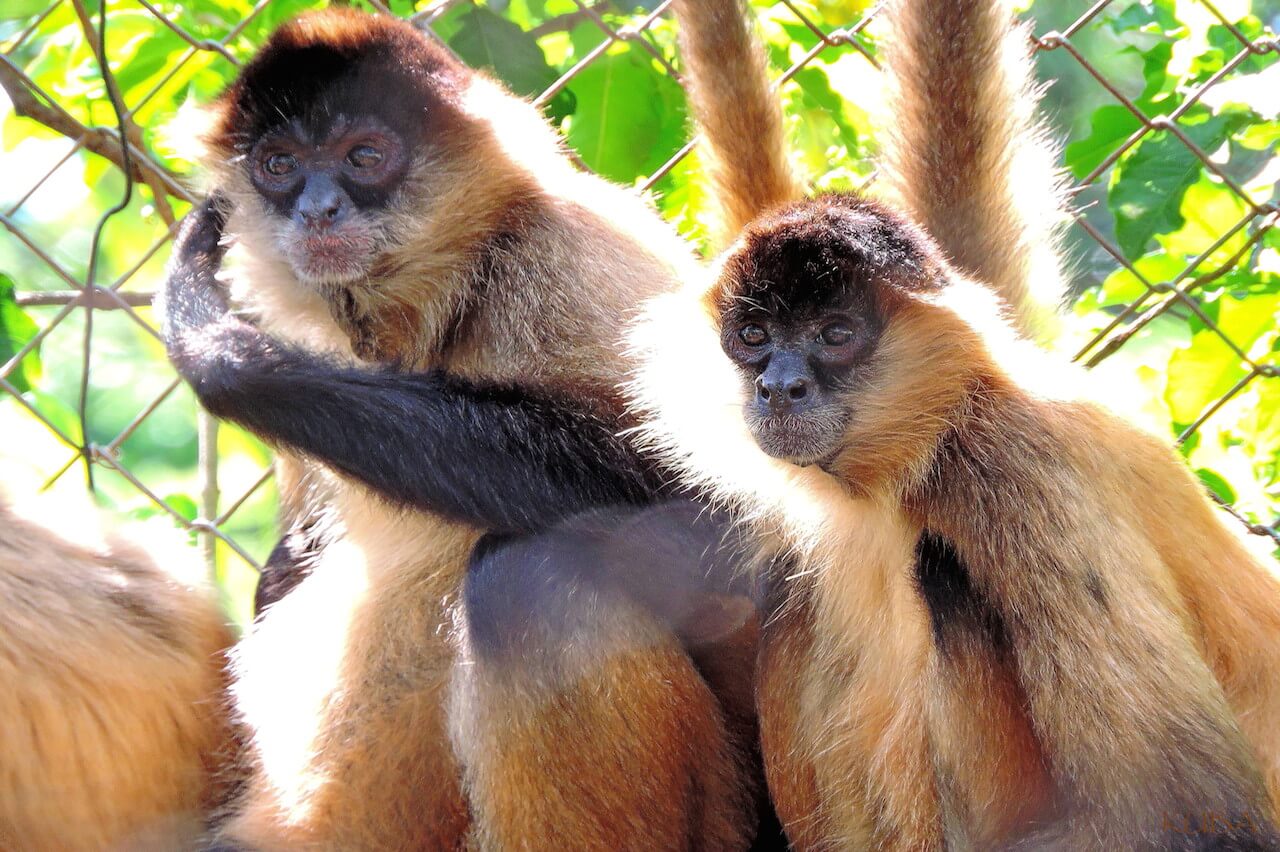
For those who still wish to see primates while visiting the islands, the Honolulu Zoo, located between Waikiki and Diamond Head, houses several species in carefully managed habitats. This is one of the few places in the state where you can see spider monkeys, lemurs, and orangutans. Another notable location is the Panaewa Rainforest Zoo in Hilo on the Big Island, which is the only natural tropical rainforest zoo in the United States.
Protecting the Fragile Ecosystem for Future Generations
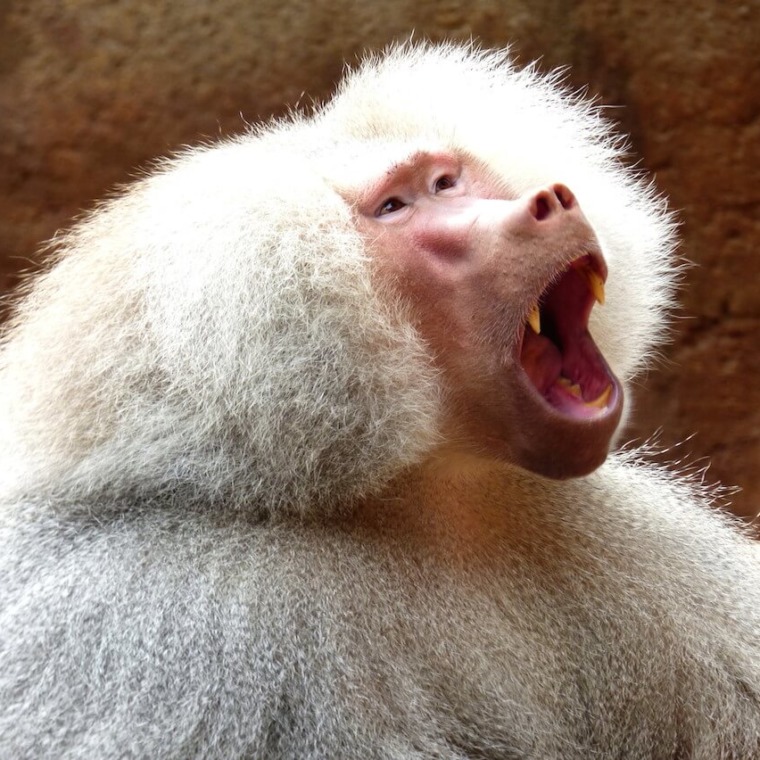
The absence of monkeys in Hawaii is not a lack of biodiversity, but rather a testament to the incredible journey of the species that did manage to make it to these shores. The islands are a living laboratory of evolution, and the landmarks we visit today—from the coral reefs of Hanauma Bay to the volcanic peaks of Hawaii Volcanoes National Park—are part of a delicate system that requires constant protection.
The cultural heritage of the islands is also deeply tied to the land, or “Aina.” Ancient Hawaiian chants and traditions emphasize the connection between the people and the native flora and fauna. By understanding why certain animals, like monkeys, are not part of the natural landscape, visitors can better appreciate the rarity and vulnerability of the species that are native to Hawaii.
When you stand at the edge of a cliff in North Shore Oahu or look out over the vast expanse of the Pacific Ocean from Lanai, you are witnessing a world that was shaped by millions of years of solitude. The fact that there are no monkeys in the wild is a defining characteristic of this unique geographic landmark, making the sights you do see—the Green Sea Turtle basking on the sand or the Iwi bird flitting through the trees—all the more special.
As tourism continues to grow, the responsibility to protect these natural landmarks falls on both residents and visitors. Respecting the “No Touch” laws for the Hawaiian Monk Seal, staying on marked trails in National Park Service lands, and ensuring no foreign biological matter is brought into the state are essential steps in preserving the “Aloha Spirit” of the islands’ natural world. Hawaii may not have monkeys, but it possesses a biological and geological story that is unparalleled anywhere else on the globe.
LifeOutOfTheBox is a participant in the Amazon Services LLC Associates Program, an affiliate advertising program designed to provide a means for sites to earn advertising fees by advertising and linking to Amazon.com. Amazon, the Amazon logo, AmazonSupply, and the AmazonSupply logo are trademarks of Amazon.com, Inc. or its affiliates. As an Amazon Associate we earn affiliate commissions from qualifying purchases.