
Yes, Hawaii indeed has its own language, known as ‘Ōlelo Hawaiʻi, or the Hawaiian Language. While English is widely spoken and is the primary language of commerce and government due to Hawaii’s status as a state of the United States, ‘Ōlelo Hawaiʻi holds the distinct honor of being an official state language alongside English. For any visitor keen on immersing themselves in the rich tapestry of local culture, understanding the presence, history, and resurgence of this beautiful Polynesian tongue is paramount to a truly insightful and respectful tourism experience. This article delves into the linguistic landscape of the islands, offering tourists a deeper appreciation and practical tips for engaging with this unique aspect of Hawaiian heritage.

The Heartbeat of Hawaii: ‘Ōlelo Hawaiʻi’s Journey and Revival
The Hawaiian Language is more than just a means of communication; it is the very heartbeat of Hawaiian culture, carrying within its syllables centuries of history, philosophy, and connection to the land (ʻāina). Its melodic cadence and unique sounds reflect the serene yet powerful spirit of the islands. For centuries, ‘Ōlelo Hawaiʻi flourished as the primary language across the Hawaiian archipelago. However, with increased Western contact and eventual annexation by the United States, its use began to decline sharply. By the late 19th and early 20th centuries, English imposition in schools and public life led to a significant decrease in native speakers, pushing the language to the brink of extinction.
A Cultural Renaissance: The Resurgence of a Sacred Tongue
Thankfully, the latter half of the 20th century witnessed a powerful cultural renaissance, where the Hawaiian people rallied to revitalize their language and traditions. This movement was driven by a deep understanding that losing ‘Ōlelo Hawaiʻi meant losing a crucial part of their identity. Educators, activists, and cultural practitioners spearheaded initiatives to bring the language back from the precipice. The establishment of Hawaiian immersion schools, such as the Pūnana Leo program, which began in the 1980s, played a critical role in teaching children from preschool through high school entirely in Hawaiian. The University of Hawaii system also developed robust Hawaiian language and studies programs, fostering new generations of fluent speakers and scholars. Today, while still a minority language, ‘Ōlelo Hawaiʻi is experiencing a vibrant resurgence, spoken by thousands and celebrated as an integral part of the islands’ unique heritage. This revival is a testament to the resilience and pride of the Hawaiian people, offering visitors an incredible opportunity to witness a living, breathing culture.
Navigating the Islands: Hawaiian Words and Phrases for Tourists
While English will suffice for most interactions during your visit, learning a few basic Hawaiian words and phrases can significantly enrich your experience and demonstrate a respectful appreciation for the local culture. Locals genuinely appreciate the effort, however small, to engage with their language. It’s a simple yet powerful way to connect and show you value the uniqueness of your destination.
Essential Greetings and Courtesies
- Aloha: Perhaps the most famous Hawaiian word, “Aloha” embodies much more than just “hello” or “goodbye.” It signifies love, peace, compassion, and a spirit of living in harmony. Use it generously! When you arrive in Honolulu or on Maui, a heartfelt “Aloha” is the perfect greeting.
- Mahalo: Thank you. This is another fundamental word that will serve you well in any interaction, whether you’re ordering food in Waikiki or receiving help from a local.
- ‘A‘ole pilikia: You’re welcome / No problem.
- E komo mai: Welcome. You might see this sign at the entrance to shops, resorts, or cultural sites.
- Kōkua: Help. If you need assistance, this word might be useful.
Understanding Place Names and Directions
Many of Hawaii’s geographical features and towns bear Hawaiian names, each with a specific meaning. Understanding these can add depth to your explorations of Oahu, Kauai, or the Big Island (also known as Hawaiʻi Island).
- Mauka: Towards the mountains.
- Makai: Towards the ocean.
- Lani: Sky or heaven. Often found in names of beautiful places.
- Wai: Water. You’ll see this in many place names related to fresh water, like “Waikīkī” (sprouting water) or “Waimea” (reddish water).
- Nui: Big, large, great. For example, “Mauna Loa” means “Long Mountain.”
Food and Cultural Terms
Experiencing local cuisine and cultural practices is a highlight for many tourists. Familiarizing yourself with these terms will enhance your enjoyment of local foods and events.
- Pūpū: Appetizers or snacks.
- Poi: A traditional staple food made from pounded taro root.
- Lū‘au: A traditional Hawaiian feast, often accompanied by music and hula.
- Hula: A traditional Hawaiian dance, often accompanied by chanting or singing.
- Lei: A garland or wreath, typically made of flowers, presented as a symbol of affection.

Beyond Language: Embracing Hawaiian Culture as a Visitor
While learning a few phrases is a great start, truly embracing Hawaiian culture goes beyond vocabulary. It involves adopting an attitude of respect, mindfulness, and an open heart to the islands’ traditions and people. As a tourist, your actions and interactions have a profound impact.
Malama Aina: Caring for the Land
“Mālama ‘āina” means to care for and protect the land. This philosophy is deeply ingrained in Hawaiian culture and is increasingly important for sustainable tourism. Visitors are encouraged to:
- Respect natural sites: When visiting places like Diamond Head or pristine beaches, stay on marked trails, do not disturb wildlife, and take only photos, leaving no trace behind.
- Support local conservation efforts: Consider participating in voluntourism opportunities or donating to local environmental organizations.
- Be mindful of resources: Conserve water, minimize waste, and choose eco-friendly accommodations and activities.
Honoring History and Traditions
Hawaii has a rich and complex history, from the unification of the islands under Kamehameha I to the overthrow of the Hawaiian Kingdom. Understanding this history, even superficially, fosters greater respect for the people and their culture.
- Visit cultural sites responsibly: Engage with the history at places like Pearl Harbor or ʻIolani Palace with an open mind and a desire to learn.
- Attend cultural performances: Seek out authentic hula performances or lū‘au experiences that emphasize cultural integrity over mere entertainment.
- Learn about Kapu: Historically, “kapu” referred to sacred laws and taboos. While not legally enforced today, the spirit of kapu encourages respect for sacred places and practices.
Supporting Local Communities and Artisans
One of the most direct ways to immerse yourself in local culture and contribute positively to the economy is by supporting local businesses and artisans.
- Dine at local restaurants: Explore eateries that serve authentic Hawaiian food, often passed down through generations.
- Shop at farmers’ markets: Discover fresh local produce and unique Hawaiian crafts.
- Purchase authentic local crafts: Look for “Made in Hawaii” products, which support local artists and preserve traditional craftsmanship. Avoid mass-produced souvenirs.
The Importance of Language Preservation in Tourism
The role of tourism in language preservation is a double-edged sword. While increased visibility can bring awareness, unchecked commercialization can dilute authenticity. For Hawaii, responsible tourism can be a powerful ally in the ongoing effort to sustain ‘Ōlelo Hawaiʻi. When tourists show an interest in the language, it reinforces its value and importance.
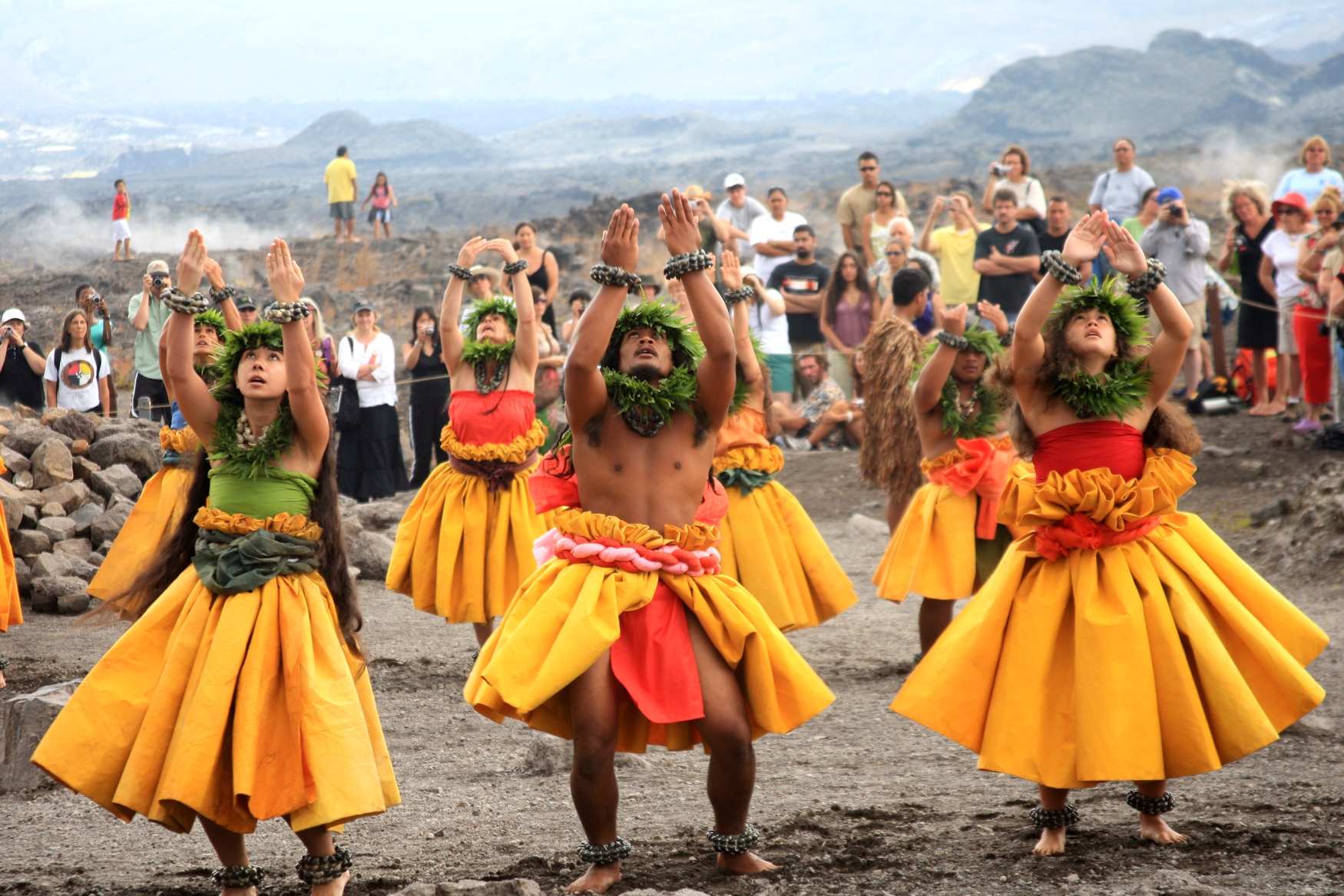
Visitor Responsibility in Cultural Preservation
Tourists have a unique opportunity to contribute positively to the vitality of ‘Ōlelo Hawaiʻi.
- Seek out language-focused experiences: Look for tours or activities that incorporate Hawaiian language, such as guided hikes with Hawaiian place name explanations or workshops on traditional Hawaiian chants.
- Engage with cultural practitioners: When encountering individuals who are fluent in Hawaiian, express your interest and respect for their language.
- Be an advocate: Upon returning home, share your experiences and knowledge about ‘Ōlelo Hawaiʻi, helping to spread awareness and appreciation for this unique language.
By embracing the Hawaiian Language and culture with an open mind and respectful attitude, visitors do more than just see the sights; they become part of a movement to preserve a precious heritage, ensuring that the heartbeat of Hawaii continues to resonate for generations to come. Your journey to Hawaii can be more than just a vacation; it can be an educational and deeply enriching cultural exchange.
LifeOutOfTheBox is a participant in the Amazon Services LLC Associates Program, an affiliate advertising program designed to provide a means for sites to earn advertising fees by advertising and linking to Amazon.com. Amazon, the Amazon logo, AmazonSupply, and the AmazonSupply logo are trademarks of Amazon.com, Inc. or its affiliates. As an Amazon Associate we earn affiliate commissions from qualifying purchases.